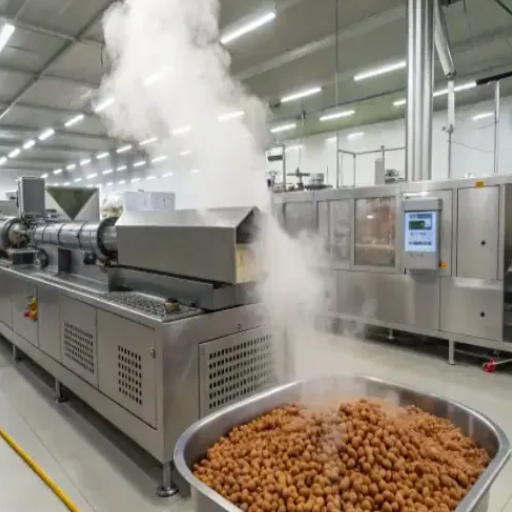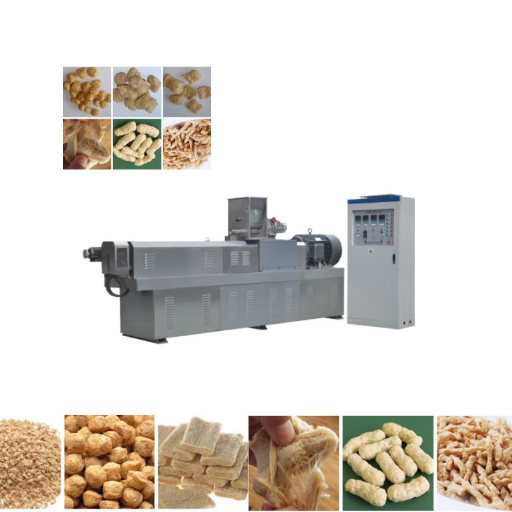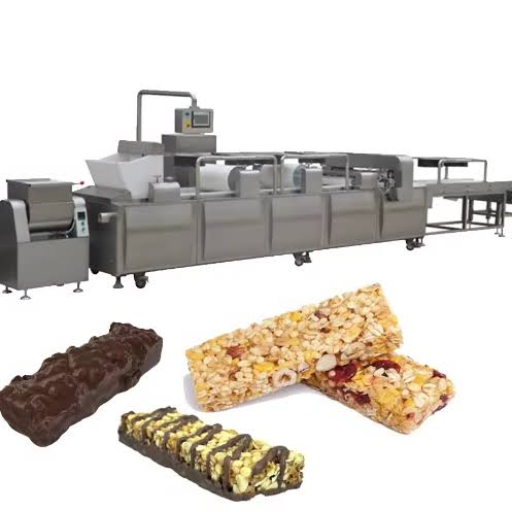
The best materials for food extrusion equipment are 316L stainless steel for all food-contact surfaces, nitrided 38CrMoAl alloy steel for screws, and bimetallic barrels with alloy liners for abrasive applications. For non-contact structural frames, 304 stainless steel or coated carbon steel offers the right balance of durability and cost.
Here is the part most buyers miss: choosing the wrong material for even one component can cost you $50,000 or more in premature wear, contamination, and unplanned downtime. You know that feeling when a critical part fails mid-production and your entire line grinds to a halt? That is exactly what happens when extrusion equipment material selection is treated as an afterthought.
At Shandong Loyal Industrial, we have spent over a decade designing and building extrusion systems for snack, pet food, and cereal manufacturers across 50+ countries. We have seen firsthand which material combinations deliver decades of reliable service and which ones lead to expensive regrets. In this guide, we will walk you through exactly how to specify materials for every component of your extruder. You will learn which alloys to choose, where to invest in premium materials, and where you can save money without compromising quality or safety.
Here is what we will cover: screw materials and hardening methods, barrel and liner options, die material selection, structural component grades, a step-by-step selection framework, and the compliance standards your equipment must meet.
Key Takeaways
- Use 316L stainless steel as the baseline for all food-contact surfaces; it resists food acids, salts, and aggressive cleaning chemicals better than 304.
- Nitrided 38CrMoAl screws deliver surface hardness of 900-1,100 HV at a lower cost, while bimetallic and tungsten carbide coatings extend life by 50-80% in abrasive environments.
- Bimetallic barrels last 5-8+ years compared to 3-5 years for nitrided barrels, often justifying their 1.8-3x higher upfront cost through reduced downtime.
- Food contact surfaces need a surface finish of Ra 16-32 microinches; critical areas like screw flights and die cavities need Ra 8-16 microinches.
- The most expensive mistake is over-specifying exotic alloys (like Hastelloy) for every component, or under-specifying 304 for aggressive food environments.
Why Material Selection Matters for Extrusion Equipment
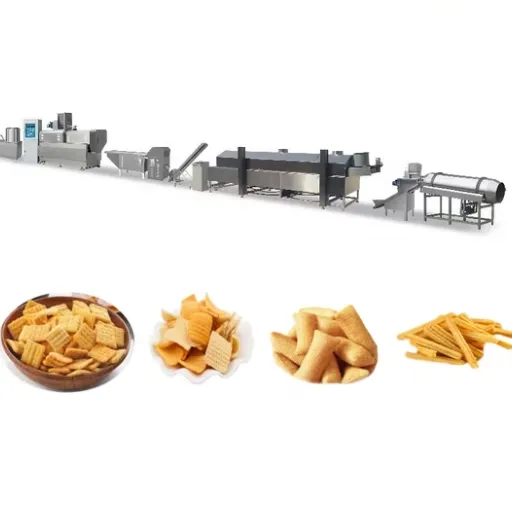
Every extruder is a system of moving parts under extreme stress. Screws rotate at high speed inside barrels heated to 150-200 degrees Celsius. Dies must hold precise tolerances while corrosive food ingredients flow through them at pressure. The wrong material in any one of these components creates a domino effect of problems.
The Cost of Choosing Wrong
When Chen, a snack manufacturer in Vietnam, ordered his first corn puff extrusion line in 2023, he specified 304 stainless steel for all product-contact surfaces to save on material costs. Within 18 months, the barrel liner showed pitting corrosion from the salt and citric acid in his seasoning blend. The screw flights wore down prematurely because the abrasive corn grit abraded the softer 304 surface. By month 20, Chen was looking at a complete barrel and screw replacement that cost him 42,000plus12daysoflostproduction.Theinitialsavingsfromchoosing304over316L?About42,000plus12daysoflostproduction.Theinitialsavingsfromchoosing304over316L?About8,000.
This is not an isolated case. The global food extrusion equipment market is valued at over $8.5 billion and growing at 5.5% annually. Yet many buyers still treat material specification as a commodity decision rather than a strategic one.
Regulatory and Safety Requirements
Food extrusion equipment must comply with strict regulatory standards. The FDA requires that all food-contact materials be safe, durable, and corrosion-resistant. In Europe, CE certification and Regulation 1935/2004 govern food contact materials. Your equipment must also meet surface finish requirements that prevent bacterial harboring.
Material traceability matters too. For regulated markets, you need mill test certificates (MTC) and compliance documentation for every alloy used. A reputable manufacturer will provide these as standard. At Shandong Loyal, we build every food production line with full material documentation included.
Impact on Product Quality
Material choice directly affects your end product. Corroded surfaces introduce metallic contamination. Worn screws create inconsistent shear and temperature profiles, leading to variable product density and texture. Poor surface finishes trap food residue that promotes bacterial growth and cross-contamination between production runs.
Want to see how the right materials translate to consistent product quality? Explore our snack extrusion systems to see real production specifications.
Material Options for Extruder Screws
The screw is the heart of your extruder. It conveys raw materials, generates shear, builds pressure, and cooks the product through mechanical energy and heat. Screw materials must resist abrasion from hard ingredients, corrosion from acids and salts, and fatigue from constant rotation under load.
Nitrided 38CrMoAl Steel (Industry Standard)
Nitrided 38CrMoAl alloy steel is the workhorse of the extrusion industry. After machining, the screw undergoes gas or plasma nitriding at 500-550 degrees Celsius. This creates a hard nitride surface layer with these typical properties:
- Surface hardness: 900-1,100 HV (approximately 65-70 HRC)
- Case depth: 0.4-0.6 mm
- Core toughness: 280-320 HB (ductile and shock-resistant)
- Cost: Baseline; most economical option
For standard snack and cereal extrusion with non-abrasive ingredients like refined corn flour or wheat starch, nitrided screws perform well for 3-5 years. The hard surface resists moderate wear while the tough core prevents catastrophic failure.
Bimetallic and Tungsten Carbide Coatings
When your recipe includes abrasive ingredients like whole grains, bran, rice husks, or mineral additives, standard nitriding is not enough. The thin hardened case wears through quickly, exposing the soft core beneath. That is where bimetallic and coated screws come in.
Bimetallic screws feature a wear-resistant alloy layer (such as Colmonoy 56, nickel-based alloys, or tungsten carbide matrix) welded onto an alloy steel core. The wear layer is substantially thicker than a nitride case, providing longer service life in harsh conditions.
Tungsten carbide coatings applied via high-velocity oxygen fuel (HVOF) spraying deliver extreme hardness and can extend screw life by 50-80% in highly abrasive environments. These coatings are ideal for extruders processing recycled materials, high-fiber recipes, or products with abrasive mineral fillers.
| Screw Material | Surface Hardness | Best For | Expected Lifespan | Relative Cost |
|---|---|---|---|---|
| Nitrided 38CrMoAl | 900-1,100 HV | Standard grains, refined flours | 3-5 years | Baseline |
| Bimetallic (Ni-alloy) | 950-1,100 HV | Abrasive grains, fiber, bran | 5-8 years | 2-3x |
| Tungsten carbide coated | 1,200+ HV | Extreme abrasion, recycled materials | 7-10 years | 3-4x |
| Stainless steel (316L) | 200-250 HV | Food-contact, low-abrasion | 2-4 years | 1.5x |
Stainless Steel Options for Food Applications
For some food applications, particularly those requiring maximum corrosion resistance over wear resistance, stainless steel screws are specified. 316L stainless steel offers excellent resistance to food acids and chloride-containing ingredients but lacks the hardness needed for abrasive duty. These screws are typically used in pharmaceutical or highly acidic food applications where corrosion is the primary concern, not abrasion.
Martensitic stainless steel grades like 440C, hardened to 58-62 HRC, offer a middle ground. They combine decent wear resistance with good corrosion resistance against acids and salts. This makes them a solid choice for food extruders handling salty snacks or acidic fruit-based products.
Selection Criteria by Product Type
Your product recipe should drive screw material selection:
- Refined corn/wheat extrusion (corn puffs, cereals): Nitrided 38CrMoAl is sufficient
- Whole grain or high-fiber products: Bimetallic or tungsten carbide recommended
- High-salt snacks or pet food: Consider martensitic stainless or bimetallic with corrosion-resistant alloy
- Acidic fruit snacks or fermented products: 316L or corrosion-resistant bimetallic
- Recycled or reclaimed materials: Tungsten carbide coating mandatory
Need a screw configuration tailored to your specific recipe? Contact our engineering team for a free material assessment based on your ingredient list.
Choosing the Right Barrel and Liner Material
The barrel contains the screw and provides the heated environment where extrusion happens. Barrel materials must resist internal abrasion from the rotating screw, external corrosion from the factory environment, and thermal stress from heating and cooling cycles.
Nitrided Steel Barrels: Pros, Cons, and Lifespan
Nitrided barrels are machined from a single piece of nitriding-grade alloy steel (most commonly 38CrMoAlA or equivalent) and surface-hardened via gas nitriding. They offer:
- Bore hardness: 900-1,050 HV
- Case depth: 0.4-0.6 mm
- Smooth internal finish: Ra less than 0.4 micrometers achievable
- Lower upfront cost: Baseline pricing
- Shorter lead times: Readily available
The limitation is clear: the hardened case is thin. When abrasion wear goes past about 0.5 mm, then wear speeds up since the soft core has been exposed. Nitrided barrels also offer only moderate corrosion resistance, which can be a problem in food applications involving salts, moisture, or acidic ingredients.
In standard duty processing clean polyolefins or refined grains, expect 3-5 years of service. In abrasive or corrosive food environments, that can drop to 18-30 months.
Bimetallic Barrels with Alloy Liners
Bimetallic barrels consist of a structural steel outer body bonded to a thick, wear-resistant inner alloy liner, typically applied by centrifugal casting or spray welding. The liner materials vary based on application:
- Nickel-based alloys: Excellent corrosion resistance; ideal for food applications with salts and acids
- Chromium carbide matrices: Extreme wear resistance for abrasive ingredients
- Tungsten carbide composites: Maximum durability in the harshest conditions
The numbers tell the story:
- Effective wear depth: 1.5-3.0 mm (5-6x greater than nitrided)
- Liner hardness: HRC 58-70 depending on alloy
- Typical lifespan: 5-8+ years in moderate wear; 3-7x longer than nitrided in heavy wear
- Upfront cost: 1.8-3.0x the cost of nitrided barrels
In abrasive food service like whole-grain snack extrusion or pet food production, bimetallic barrels typically deliver 2-3x the life of nitrided barrels. They can often be re-machined or re-lined rather than fully replaced, further extending their value.
Stainless Steel Barrels for Food Processing
For food applications where corrosion is the primary concern, 316L stainless steel barrels are specified. They resist food acids, salts, and aggressive cleaning chemicals far better than nitrided alloy steel. On the other hand, however, 316L is relatively soft and wears out quickly under abrasive conditions. The typical approach is to use a 316L stainless liner inside a structural steel shell, combining corrosion resistance with structural strength and cost efficiency.
Nitrided vs Bimetallic: Which Should You Choose?
The decision comes down to a simple cost-benefit analysis over the equipment lifecycle:
| Factor | Nitrided Barrel | Bimetallic Barrel |
|---|---|---|
| Upfront cost | Lower | 1.8-3x higher |
| Wear life | 3-5 years (standard duty) | 5-8+ years (moderate duty) |
| Corrosion resistance | Moderate | Excellent (Ni-based liners) |
| Abrasive ingredient handling | Poor | Good to excellent |
| Food industry suitability | Limited (dry, non-corrosive) | Preferred (cereals, snacks, pet food) |
| Total cost of ownership | Higher (more replacements) | Lower (longer life, less downtime) |
| Re-lining possible? | No | Yes |
When Maria, a pet food producer in Brazil, switched from nitrided to bimetallic barrels on her twin-screw extruder in 2024, her barrel replacement interval extended from 22 months to over 6 years. The upfront cost increase was 12,000perbarrel.Oversixyears,sheavoidedtworeplacementcycles(12,000perbarrel.Oversixyears,sheavoidedtworeplacementcycles(18,000 in parts plus 24,000inlostproductionduringchangeouts).Hernetsavingsexceeded24,000inlostproductionduringchangeouts).Hernetsavingsexceeded30,000 per barrel. The lesson? For abrasive or corrosive food applications, bimetallic barrels almost always win on total cost of ownership.
Extrusion Die Material Selection
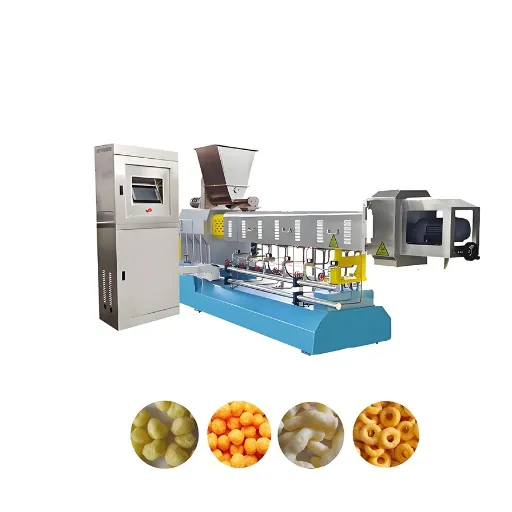
The die shapes your final product. It must hold precise tolerances (often within 0.0001 inches), resist corrosion from hot food ingredients, and maintain surface quality that prevents product sticking and burning. Die material selection directly impacts product consistency, changeover time, and cleaning difficulty.
316L Stainless Steel Dies
For food extrusion, 316L stainless steel is the standard for die plates and inserts. It machines well to tight tolerances, takes a high-quality surface finish, and resists corrosion from acidic and salty food ingredients. The low carbon content (0.03% maximum) prevents carbide precipitation during welding, which is important if your dies require assembly or modification.
316L dies are suitable for:
- Standard snack shapes (puffs, curls, rings)
- Pasta and macaroni profiles
- Pet food kibble shapes
- Cereal and breakfast product forms
Tool Steel and Hardened Dies
For high-wear applications or when processing abrasive ingredients, tool steels like H13 or D2 offer higher hardness and better dimensional stability under thermal cycling. H13 hot work tool steel, tempered around 600 degrees Celsius, handles the temperatures and pressures of food extrusion well while maintaining toughness that resists cracking.
Pre-toughened steels like P20 (DIN 40 CrMnMo at approximately 42 HRC) work well for intricate die shapes where post-machining heat treatment could cause distortion. These steels are ready to machine without secondary hardening.
Corrosion-Resistant Alloys for Aggressive Products
When processing highly acidic products like citrus-based snacks, tomato-flavored products, or fermented ingredients, standard steels may corrode prematurely. In these cases, corrosion-resistant alloys become necessary:
- AISI 420 stainless steel (16% chromium): Offers up to 3x longer die life than standard steels in acidic environments
- Hastelloy C-276: Reserved for extreme applications only; costs 3-4x more than 316L
- Anodized aluminum: Used for specialized applications requiring mirror finishes and complex flow channels; limited to non-abrasive, low-temperature products
Surface Finish Requirements for Food Contact
Material selection alone does not guarantee compliance or performance. The surface finish is equally critical:
| Surface Area | Recommended Finish (Ra) | Purpose |
|---|---|---|
| General food contact surfaces | 16-32 microinches | Prevents bacterial harboring; allows effective cleaning |
| Critical areas (die cavities, tight clearances) | 8-16 microinches | Prevents product sticking and burning |
| Near-contact internal surfaces | 32-63 microinches | Acceptable for non-critical areas |
A proper finish prevents bacteria from hiding in surface irregularities. It also ensures the material’s natural oxide layer protects against corrosion through repeated cleaning and sterilization cycles.
Structural and Non-Contact Component Materials
Not every part of an extruder touches food. Frames, guards, motor housings, and support structures have different material requirements. Smart buyers optimize costs by using the right grade for the right job.
304 vs 316 Stainless Steel for Frames
For structural frames and non-contact panels in standard factory environments, 304 stainless steel is adequate. It resists general atmospheric corrosion and costs 30-40% less than 316L. Use 304 for:
- Equipment frames and base plates
- Guard panels and enclosures
- Support structures in dry, inland facilities
- General factory environments without chloride exposure
Specify 316L for structural components only when the factory environment is particularly harsh, such as coastal facilities where airborne chlorides accelerate corrosion, or facilities using aggressive cleaning chemicals.
Cost-Effective Carbon Steel with Protective Coatings
For completely non-contact structural elements, carbon steel with epoxy or anti-rust coatings offers significant cost savings. This approach is common for:
- Machine bases and foundations
- External frames not exposed to washdown
- Support brackets and non-critical hardware
The key is ensuring these components are truly non-contact and the protective coating remains intact. Any chip or scratch in the coating can lead to rust that eventually compromises structural integrity.
When to Use Each Grade
| Component | Environment | Recommended Material |
|---|---|---|
| Food-contact surfaces (all) | Any food processing | 316L stainless steel |
| Screw (standard duty) | Refined grains, low abrasion | Nitrided 38CrMoAl |
| Screw (abrasive duty) | Whole grains, bran, fiber | Bimetallic or tungsten carbide |
| Barrel liner (standard) | Clean ingredients, low output | Nitrided 38CrMoAl |
| Barrel liner (abrasive/corrosive) | Salty, acidic, whole-grain | Bimetallic with Ni-alloy liner |
| Die plates | All food extrusion | 316L stainless steel |
| Frames (dry, inland) | Standard factory | 304 stainless steel |
| Frames (coastal, harsh chemicals) | Corrosive environment | 316L stainless steel |
| Non-contact structures | Any | Coated carbon steel |
A Practical Material Selection Framework
Now that you understand the material options, here is a practical four-step framework for extrusion equipment material selection that you can apply to any purchase decision.
Step 1: Identify Your Product Characteristics
Start with your recipe. List every ingredient and its properties:
- Base ingredients: Refined flour, whole grains, starches, proteins
- Additives: Salt, sugar, oils, flavorings, colorants
- Abrasive components: Bran, husks, fiber, mineral additives
- Acidic or corrosive ingredients: Citric acid, vinegar, fermented components, tomato
- Moisture content: Dry, intermediate, or high-moisture products
Be honest about abrasiveness. That “healthy whole grain” snack recipe may taste great, but the bran content will chew through a standard nitrided screw in half the expected time.
Step 2: Evaluate Operating Conditions
Next, document your process parameters:
- Operating temperature: Most food extrusion runs at 120-200 degrees Celsius
- Screw speed (RPM): Higher speeds increase wear rates
- Production run duration: Continuous runs accelerate wear compared to intermittent operation
- Cleaning methods: Hot water, steam, chemical CIP, or manual cleaning?
- Cleaning chemicals: Chlorine-based sanitizers are particularly aggressive toward 304 stainless steel
When the team at Sunrise Snacks in Indonesia evaluated their operation, they realized their 16-hour continuous runs and chlorine-based cleaning protocol were the real drivers of their corrosion problems. Not the food product itself. Switching to 316L for food-contact surfaces solved their rust issues completely.
Step 3: Match Materials to Components
Use your product and process assessment to specify materials for each component:
- Food-contact surfaces: Default to 316L unless you have a specific reason to downgrade
- Screw: Match to abrasiveness; upgrade to bimetallic if whole grains or fiber exceed 10% of your recipe
- Barrel liner: Nitrided for clean ingredients and low output; bimetallic for abrasive, corrosive, or high-output operations
- Dies: 316L standard; upgrade to corrosion-resistant alloys only for extreme acidic products
- Structural: 304 for dry inland facilities; coated carbon steel for truly non-contact elements
Step 4: Balance Performance and Budget
The goal is not to buy the most expensive materials. It is to buy the right materials for your specific application. Here is how to think about the trade-offs:
- Do not over-specify: Hastelloy for every component is wasteful. Use premium alloys only where the application justifies the cost.
- Do not under-specify: Using 304 for all food-contact surfaces to save money often backfires when corrosion or wear sets in prematurely.
- Think total cost of ownership: A bimetallic barrel that costs 2x upfront but lasts 3x longer often delivers net savings when you factor in replacement parts and downtime.
- Plan for the future: If you might expand into more abrasive or acidic products later, specify materials that can handle the growth.
Ready to apply this framework to your production line? Request a custom material specification from our engineering team. We will assess your recipe and operating conditions to recommend the optimal material configuration.
Regulatory Compliance and Certifications
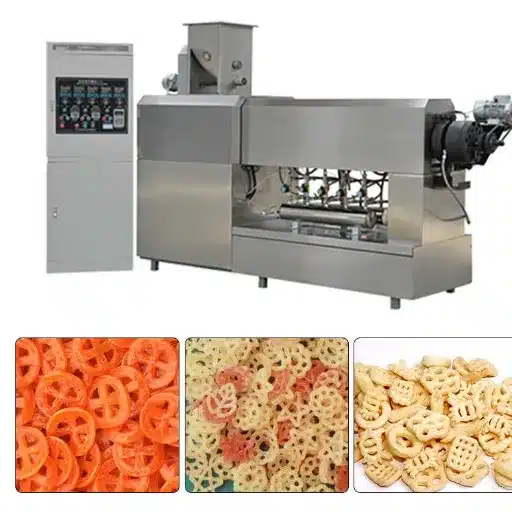
Material selection is not just about performance. It is also about compliance. Your equipment must meet the regulatory standards of every market where you sell.
FDA Requirements for Food Contact Materials
The U.S. Food and Drug Administration regulates all materials that contact food under 21 CFR regulations. For extrusion equipment, this means:
- All food-contact surfaces must be made of materials that do not impart harmful substances to food
- Materials must be durable and resistant to corrosion under normal use conditions
- Surfaces must be smooth and free of cracks or crevices where food can accumulate
- Materials must be compatible with cleaning and sanitizing agents used in the facility
316L stainless steel is explicitly recognized by the FDA as safe for food contact. Nitrided alloy steels are also acceptable provided the nitrided layer remains intact and does not flake or chip into the product.
CE Certification and EU Food Contact Standards
For European markets, CE certification is mandatory. The Machinery Directive (2006/42/EC) and Regulation 1935/2004 establish requirements for materials contacting food. Key points include:
- Materials must not transfer substances to food in quantities that could endanger human health
- Materials must not change the composition, taste, or odor of food in an unacceptable way
- Equipment must be designed for easy and thorough cleaning
At Shandong Loyal, all of our food production lines are designed to meet CE certification standards with full material traceability documentation.
Documentation and Material Traceability
For regulated markets, you need documentation. Request these from your equipment supplier:
- Mill Test Certificates (MTC): Chemical composition and mechanical properties for each alloy
- Compliance certificates: FDA, CE, or NSF declarations as applicable
- Surface finish reports: Ra measurements for food-contact surfaces
- Heat treatment records: Documentation of nitriding, tempering, or other hardening processes
Without these documents, you may face delays in customs clearance or challenges during facility audits. A reputable manufacturer provides them as standard practice.
Common Material Selection Mistakes to Avoid
After reviewing thousands of extruder specifications over the years, we see the same mistakes repeatedly. Here is what to watch out for.
Using 304 for All Food Contact Surfaces
This is the most common and most expensive mistake. 304 stainless steel is cheaper than 316L, so buyers often specify it everywhere to reduce cost. The problem? 304 contains no molybdenum, which means it is vulnerable to pitting corrosion in chloride environments. Salt, acidic ingredients, and chlorine-based sanitizers will eventually attack 304 surfaces. Once pitting starts, it accelerates. The result is premature equipment failure and potential product contamination.
Use 304 only for structural components in dry, non-corrosive environments. For all food-contact surfaces, 316L is the safer baseline.
Ignoring Abrasive Ingredients
Many buyers look at their recipe and see “corn flour” or “wheat starch” and assume standard nitrided components will last for years. They forget about the additives. Mineral fortifications, whole grain inclusions, bran content, and fiber additives all increase abrasion. If your recipe contains more than 10% abrasive components by weight, you need to upgrade from nitrided to bimetallic or coated screws and barrels.
Overlooking Cleaning Chemical Compatibility
Your cleaning protocol is as important as your recipe in determining material requirements. Facilities using chlorine-based sanitizers or strong alkaline cleaners will accelerate corrosion of 304 stainless steel and nitrided alloy steels. If your standard operating procedure includes aggressive chemical cleaning, specify 316L for all surfaces that might be exposed during washdown.
Neglecting Total Cost of Ownership
The cheapest upfront option is rarely the cheapest over the equipment lifecycle. When comparing material options, calculate the total cost over 5-10 years:
Total Cost = Initial Cost + (Replacement Parts x Number of Replacements) + (Downtime Cost x Downtime Hours)A nitrided barrel that costs 4,000andneedsreplacementevery2.5yearscostsmoreover7.5yearsthana4,000andneedsreplacementevery2.5yearscostsmoreover7.5yearsthana10,000 bimetallic barrel that lasts 7+ years. Add in production downtime at 2,000−2,000−5,000 per day, and the math becomes even clearer.
Conclusion
Getting extrusion equipment material selection right is one of the highest-leverage decisions you will make for your production line. The right materials deliver years of reliable service, consistent product quality, and regulatory compliance. The wrong materials lead to corrosion, premature wear, contamination risk, and expensive unplanned downtime.
Here is what to remember:
- Start with 316L stainless steel for all food-contact surfaces. It is the safest baseline for food extrusion.
- Match screw and barrel materials to your recipe. Nitrided for standard duty, bimetallic for abrasive or corrosive applications.
- Calculate total cost of ownership, not just upfront price. Premium materials often pay for themselves through extended life and reduced downtime.
- Document everything. Mill test certificates and compliance documentation protect you during audits and inspections.
- Plan for growth. If your product line might expand into more challenging recipes, specify materials that can handle the evolution.
At Shandong Loyal Industrial, we have built extrusion systems for snack, pet food, and cereal manufacturers in over 50 countries. We understand that every recipe is different, and every production environment has unique demands. That is why we offer customized material configurations tailored to your specific ingredients, output targets, and budget.
Do not leave material selection to chance. Contact our engineering team today for a free consultation. We will analyze your recipe and operating conditions, then recommend the optimal material specification for every component of your extrusion line. With over 10 years of experience and CE-certified equipment trusted worldwide, we are ready to help you build a production line that lasts.