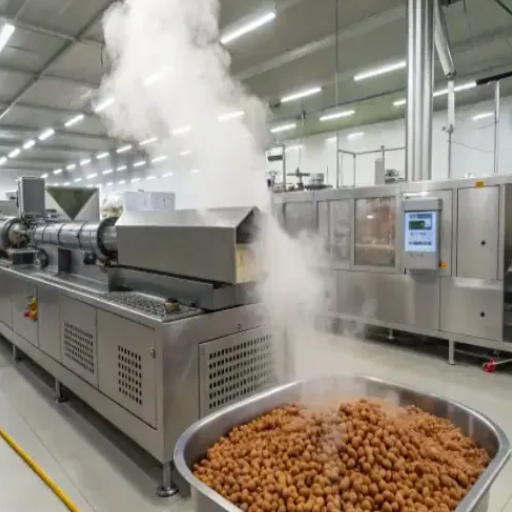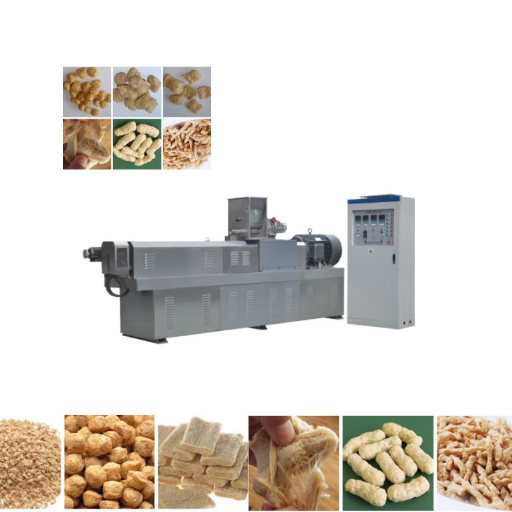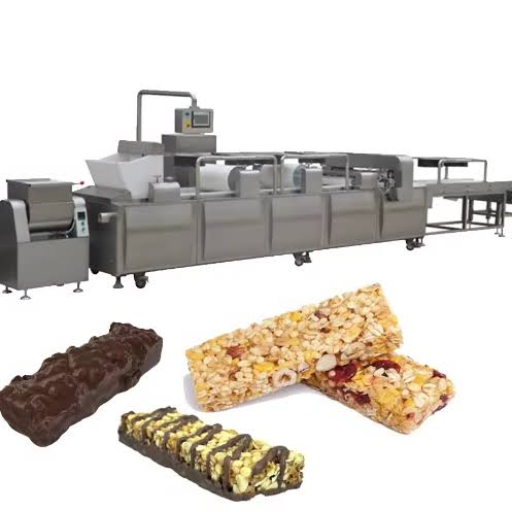
The pasta-making world is ever-changing in keeping with a mixture of tradition and technology. For producers, being ahead in the new generation means innovating to meet and fulfill the demands of the consumer while still maintaining the highest level of quality and efficiency. This comprehensive guide explores the development of new-age production lines with special emphasis on how manufacturers are using cutting-edge machinery sustainability, and automation to completely change the industry.
Overview of Pasta Production

High-quality pasta production begins with selecting the best ingredients: chiefly, semolina of the finest variety and water. The mixing of semolina with water results in a plastic, moldable dough that can be kneaded and shaped into all manner of forms by molding or extrusion techniques.
The modern process of pasta production involves very sophisticated equipment for precision shaping and diameter consistency. The shaped pasta is then dried in a controlled environment to keep the required texture and give it some shelf life. Manufacturers place great importance on efficiency and sustainability throughout the process, to reach the standards of consumers and the environment.
Importance of High-Quality Pasta Production
Making the most out of pasta production can help satisfy consumer demand while upholding environmental and nutrition standards. Recent data indicating a strong interest in food production and healthy eating places pasta manufacturing at the top of quality inquiry.
- Consumer Demand: Increasingly seek products made with high-quality ingredients
- Premium Ingredients: Whole grains or organic semolina for better taste, texture, and nutrition
- Sustainability Focus: Emission reduction, waste minimization, and environmentally friendly practices
- Market Growth: Meeting trends shaping the modern food industry
Types of Pasta Products: Fresh and Dry
$15.3BGlobal pasta market value in 2022
3.2%Expected CAGR through 2028
Fresh Pasta
- Made with eggs and flour for soft, delicate texture
- Short shelf life – consumed soon after production
- Found in refrigerated supermarket sections
- Best for dishes requiring tender noodles (ravioli, fettuccine, tagliatelle)
- Growing consumer base seeking premium artisan experiences
Dry Pasta
- Uses semolina flour with water, dried for long shelf life
- Pantry staple for most households
- Firm texture when cooked
- Compatible with hearty sauces (tomato, cream, oil-based)
- Available in popular shapes (spaghetti, penne, macaroni)
- Dominant market segment
Understanding Short-Cut Pasta and Cut Pasta Production
| Production Method | Process | Typical Products | Characteristics |
|---|---|---|---|
| Short-Cut Pasta | Extrusion through specialized dies | Penne, Fusilli, Rigatoni | Perfect for trapping sauces, everyday meals |
| Cut Pasta | Sheet cutting, hand/manual instruments | Lasagna sheets, Artisanal shapes | More luxurious feel, premium experience |
Top Manufacturers of Pasta Production Lines

Bühler Group
Specialization: Advanced industrial pasta production solutions
Focus: Efficiency and precision in large-scale operations
Pavan Group (GEA Subsidiary)
Specialization: High technology solutions
Focus: Expertise in pasta drying and forming processes
Fava S.p.A.
Specialization: High-capacity production equipment
Focus: Decades of experience in pasta machinery
Storci S.p.A.
Specialization: Customizable solutions
Focus: Both artisanal and industrial producers
Industry Innovation: These companies integrate energy-efficient processes and digital technologies, including AI-assisted monitoring systems and IoT integration to meet growing demands for sustainable production methods.
Comparative Analysis of Production Line Reliability
Key Performance Indicators
- Downtime frequency and duration
- Overall efficiency ratings
- Defect rates and quality consistency
- Energy consumption levels
| Production Line Type | Downtime Reduction | Defect Rate | Uptime Achievement |
|---|---|---|---|
| Automated Lines | 30% less downtime | 0.1% | 95% |
| Manual Systems | Baseline | 3-5% | 82% |
Technology Benefits: Advanced technologies including robotics, IoT integration, and predictive maintenance have significantly raised the benchmark for production line reliability.
Innovative Technologies in Pasta Production
Cutting-Edge Automation Systems
- AI-based tools for product consistency and production optimization
- IoT-enabled machinery for real-time process monitoring
- 3D-printing technology for unique pasta shapes and cultural customization
- Advanced control systems for mixing, extrusion, and drying processes
Sustainability Initiatives
30%Reduction in electricity consumption with energy-efficient extruders
2000kgMaximum dough processing capacity per hour
Leading companies like Barilla and De Cecco are implementing renewable energy for production plants and biodegradable packaging to meet consumer demands for sustainable practices.
The Role of Extruders in Pasta Manufacturing
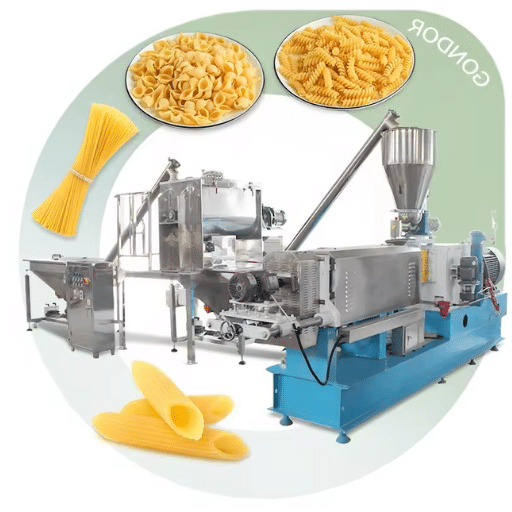
Extruders serve as the cornerstone of modern pasta production, handling the critical processes of mixing, kneading, and shaping dough into various pasta forms with unprecedented speed and consistency.
Extrusion Process
- Mixing: Durum wheat semolina combined with water
- Dough Formation: Ingredients formed into rough dough
- High-Pressure Extrusion: Dough pushed through specialized dies
- Shape Creation: Final pasta shape formation (spaghetti, penne, fusilli)
Recent Technological Developments
- Automatic control of dough conditioning (hydration, temperature, pressure)
- Uniform output consistency across large production runs
- Energy-efficient designs reducing electricity consumption by 30%
- Waste reduction through innovative engineering
Advanced Equipment for High-Quality Pasta Products
Mixer and Kneader
Functionality: Even ingredient mixing ensuring proper dough consistency
Capacity: Up to 500 pounds per batch with variable speed settings
Extruder
Functionality: Precision shaping through engineering dies
Efficiency: 95% material utilization with multiple shape options
Drying Tunnel
Functionality: Temperature and humidity control for uniform drying
Efficiency: 30% reduction in drying time with real-time monitoring
Cutting Machine
Functionality: Precise pasta cutting to required dimensions
Capacity: Up to 1,000 units per minute with laser-guided settings
Packaging Machine
Functionality: Consumer-portion packaging with freshness preservation
Speed: 60 bags per minute with automated quality checks
Factors to Consider When Choosing a Pasta Production Line

Production Capacity and Speed
| Production Scale | Capacity Range | Speed | Target Market |
|---|---|---|---|
| Small Scale | 500 kg/hour | Standard | Local/Regional |
| Medium Scale | 1000 kg/hour | Enhanced | Regional/National |
| Large Scale | 2000+ kg/hour | 100 packs/minute | National/International |
Automation and Quality Control
- AI-powered systems with optical sensors for real-time quality checks
- Automated inspection ensuring size, shape, and texture specifications
- 30% efficiency improvement with highly automated systems
- Reduced human error through consistent automated processes
Energy Efficiency and Sustainability
20%Decrease in energy costs with eco-friendly designs
25-30%Lower operational costs with high-end equipment
Cost and Return on Investment (ROI)
| Equipment Category | Price Range | Features | ROI Timeline |
|---|---|---|---|
| Budget Systems | $30,000 – $80,000 | Basic functionality | 2-3 years |
| Premium Systems | $100,000 – $500,000 | Advanced automation, PLC systems | 3-5 years |
| Industrial Systems | $500,000 – $1,000,000+ | Full automation, AI integration | 5-7 years |
Installation Requirements for Fresh Pasta Lines
Space and Layout Requirements
- Production Area Zones:
- Ingredient receiving zones
- Production zones
- Packaging zones
- Waste management zones
- Hygiene Standards: Compliance with local food safety regulations
- Adequate Space: Room for equipment installation, operator movement, and maintenance
Infrastructure Requirements
- Ventilation System: Proper air temperature and humidity control
- Electrical Supply: Uninterrupted power for extruders, cutters, and pasteurizers
- Water Supply: Food-grade water meeting processing standards
- Staff Training: Comprehensive training for automated systems and monitoring technologies
Pasta Production Line Tips for Optimizing Production Efficiency
Maintenance and Cleaning
Impact: 20% increase in production efficiency with regular maintenance schedules
- Schedule regular maintenance checks
- Implement thorough cleaning protocols
- Minimize unexpected downtimes
Equipment Investment
Impact: 15-25% enhancement in production speed with reliable machinery
- Choose energy-efficient, pasta-specific equipment
- Prioritize reliability and performance
- Focus on waste reduction capabilities
Energy Monitoring and Control
Impact: 10% reduction in overall annual operating costs
- Implement energy-saving systems
- Monitor and measure all energy consumption
- Pursue green energy credits
Workflow and Layout Optimization
Impact: 10-15% efficiency improvement through design optimization
- Design layouts to eliminate bottlenecks
- Improve material flow
- Reduce manual handling requirements
Staff Training and Development
Impact: 12% contribution to operational efficiency through skilled personnel
- Conduct periodic training sessions
- Focus on machine-use protocols
- Emphasize safety and quality standards
Maximizing Throughput with Automatic Systems
Automatic systems play a crucial role in improving operational efficiency and maximizing throughput across industries. The integration of sophisticated automation technologies delivers significant benefits:
20-40%Industry efficiency increase with smart automation
24/7Continuous production capability
Automation Technologies
- Robotics: Precision handling and processing
- Conveyor Systems: Efficient material transport
- AI-driven Machinery: Intelligent process optimization
- Minimal Downtime: Continuous operation capabilities
Best Practices for Managing Production Workflow

Effective production workflow management requires a systematic approach combining technology, analytics, and team coordination:
Key Management Strategies
- Real-time Analytics: Evaluate performance and identify bottlenecks
- Clear Communication: Establish protocols among teams for immediate issue resolution
- Flexible Design: Adapt workflows to changing market needs and challenges
- Data-Driven Decisions: Use analytics for continuous process improvement
Expected Outcomes
- Enhanced efficiency across all production stages
- Reduced waste and material costs
- Improved product quality consistency
- Sustainable competitive advantage
References
-
Pasta Production Line: Specialized in pasta production lines and machines, offering detailed insights into their technology.
-
Unifood Machinery – Pasta Production Line: Provides turnkey solutions for various types of pasta production lines.
-
AXOR Italia – Pasta Production Lines: A leading company in engineering and manufacturing pasta production equipment.
-
Pama Roma – Lines and Equipment for Pasta Factories: Offers a wide range of pasta-making machines and equipment for industrial and food service use.
-
Italpast – Fresh Pasta Production Lines: Focuses on advanced lines for fresh pasta with high productivity and artisan quality.
Frequently Asked Questions (FAQ)
Which types of equipment for pasta production are offered by manufacturers?
Manufacturers of pasta production lines provide a variety of equipment intended for different types of pasta-making operations. This includes machinery for fresh pasta manufacture, extruders to give shape to noodles, and special machinery to form short cut pasta and lasagna. These systems are designed to cater to every size of the processing plant from small units to large pasta factories.
How does a high-speed pasta production line operate?
A high-speed production line for pasta works to fully optimize the process from mixing the dough to packing the end product. The machinery uses advanced technology to precisely calibrate moisture content and gluten levels, thus ensuring a constant guarantee of quality. The line consists of various stages such as loading, compressing, and molding of pasta shapes, thereby maximizing production time and minimizing wastage.
Can suppliers modify pasta machines as per need?
Yes, there are quite many suppliers of pasta production line machinery who offer customization according to particular manufacturing capabilities; these include adjusting pasta production equipment to produce unique shapes, sizes, and types of fresh pasta, and others can be integrated with options such as pre-cooking or special molds for different pasta products.
What is the mold design importance in pasta making?
The mold design has paramount importance in pasta making as it gives the final pasta its shape and texture. Considerable attention is given by mold designers to the production of molds that give a quality output with minimum wastage. Good designs can further reduce the cost of production and allow the production of various pasta shapes that include traditional and well-known shapes such as lasagna and more novel short-type designs.
How is it beneficial to use automatic machinery in the making of pasta?
Automatic pasta production machinery offers the advantages of productivity and uniformity in terms of product quality. These machines can run uninterrupted without the need for much labor, thus cutting labor costs and human errors; also, they feature advanced monitoring systems to provide precise control over the manufacturing process from the mixing of dough to the final packaging.
How do manufacturers guarantee fresh pasta production quality?
Manufacturers guarantee the quality of fresh pasta production through testing and calibration of such ingredients as gluten content, the moisture level, and also enforcing strict quality control measures all through the production process, including maintenance of equipment and adjustment of machinery settings in order to consistently produce top-grade pasta products.
What are a few of the components of cut pasta production?
The cut pasta production line usually consists of the following main components: mixer for dough preparation; extruder for shaping the pasta; cutting equipment for the operation of short cut pasta of various lengths. At the same time, drying and packaging systems help in preserving the quality and freshness of the pasta, assuring the pasta will meet standards for the market.
What kinds of fresh pasta can be done by using specialized machinery?
Starting with long cut fresh pasta, the machinery can produce fettuccine and tagliatelle as well as short pasta shapes like penne and macaroni. These can operate with a variety of dough formulations so that pasta manufacturers can market pasta products that meet different culinary and dietary requirements.