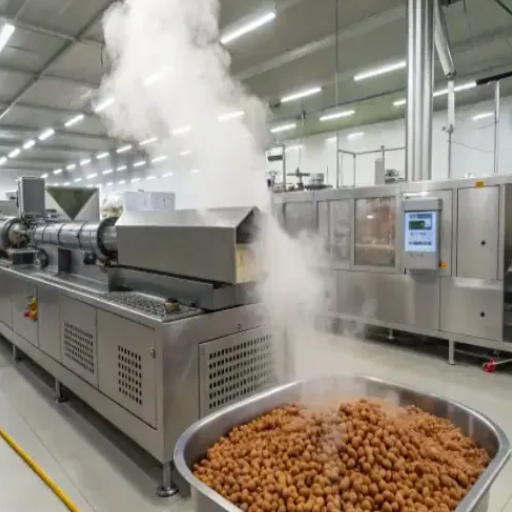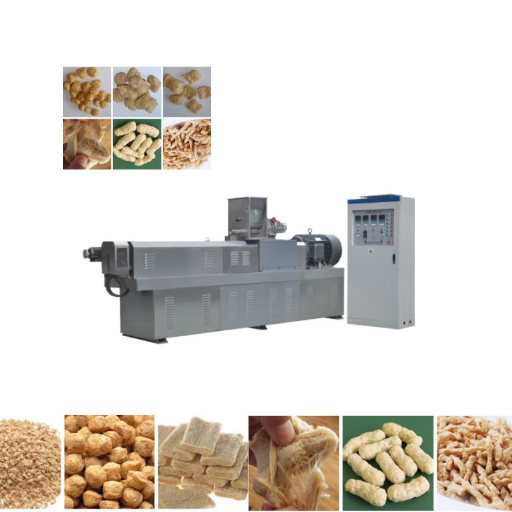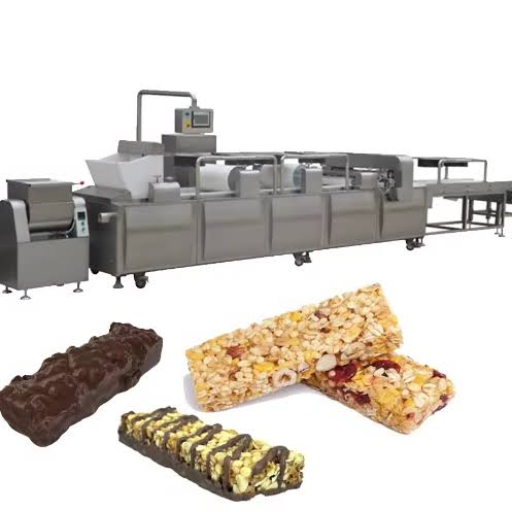
You’ll discover the technology and effort behind creating something as seemingly simple as instant noodles, one of the most beloved products globally. This detailed exploration covers every aspect of the production process, from ingredient selection to final packaging.
Ingredients Selection in Instant Noodle Production
All ingredients used in instant noodle manufacturing are carefully selected considering quality, flavor, and cost-effectiveness. The foundation of any quality instant noodle lies in the meticulous selection of its components.
Types of Ingredients Used
Current market research reveals a significant expansion in ingredient variety to accommodate diverse consumer preferences:
Primary Base
Wheat Flour
Main structural component
Texture Enhancers
Kansui (Alkaline Salt)
Improves elasticity and color
Binding Agent
Water
Forms the dough base
Flavor Enhancement
Salt & Seasonings
Taste and preservation
Alternative Ingredients for Special Diets
The industry has responded to changing consumer needs with innovative ingredient options:
- Gluten-Free Options: Rice flour, almond flour, chickpea flour for gluten-intolerant individuals
- Plant Proteins: Soy and pea concentrates for vegetarian and vegan consumers
- Superfood Additions: Spirulina, chia seeds, and quinoa for health-conscious buyers
- Whole Grain Alternatives: Enhanced nutritional profiles with natural ingredients
Quality Control in Ingredient Sourcing
Manufacturers must navigate evolving consumer expectations and regulatory requirements through comprehensive quality assurance:
| Quality Aspect | Control Measures | Consumer Impact |
|---|---|---|
| Contamination Prevention | Regular supplier audits and testing | Safe, reliable products |
| Nutritional Consistency | Standardized nutrient analysis | Predictable health benefits |
| Organic Certification | Third-party verification processes | Verified organic claims |
| Sustainable Sourcing | Environmental compliance audits | Eco-friendly production |
Impact of Ingredient Quality on Final Product
High-quality ingredients directly influence several critical aspects of the final product:
- Taste Enhancement: Premium ingredients deliver superior flavor profiles
- Texture Optimization: Quality flour ensures proper noodle consistency
- Nutritional Value: Better ingredients provide enhanced health benefits
- Brand Trust: Consistent quality builds consumer confidence
- Market Differentiation: Superior ingredients create competitive advantages
Dough Preparation for Noodle Production
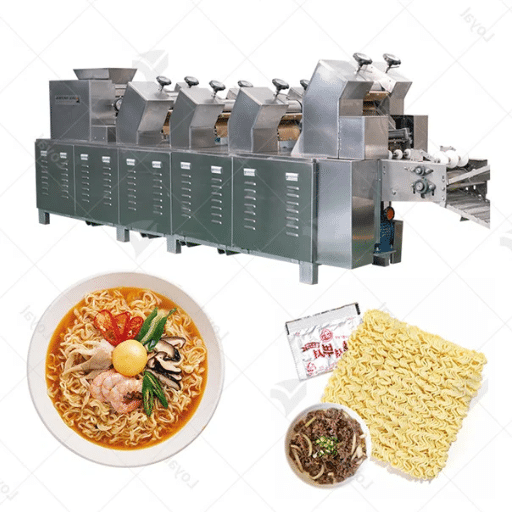
Dough preparation represents one of the most crucial stages in the instant noodle production process. This foundational step determines the final texture, taste, and quality of the finished product.
Mixing and Kneading Techniques
The mixing and kneading process requires precision to achieve optimal dough consistency:
Initial Mixing
Wheat flour is combined with water and alkaline solution (kansui) to form the basic dough structure. The alkaline solution creates the characteristic texture and subtle yellow color.
Kneading Phase
The mixture is kneaded for 10-15 minutes, depending on flour type and water content. This process develops the gluten network essential for noodle elasticity and stretch.
Gluten Development
Folding, pressing, and rotating actions ensure even gluten distribution throughout the dough, creating uniform texture properties.
Importance of Dough Consistency
Achieving proper dough consistency is critical for several reasons:
- Texture Control: Uniform hydration ensures consistent chewiness and tenderness
- Processing Efficiency: Proper consistency enables smooth cutting and shaping operations
- Quality Assurance: Even moisture distribution prevents defects in final products
- Cooking Performance: Consistent dough produces noodles with predictable cooking characteristics
Adding Flavorings and Nutritional Enhancements
Modern instant noodle production incorporates various enhancements during the dough preparation stage:
Flavor Enhancements
- Spice Integration: Basil, oregano, garlic powder, and chili flakes for enhanced taste
- Natural Coloring: Spinach, tomato, or beetroot for visual appeal and nutrition
- Antioxidant Addition: Herbs and spices providing anti-inflammatory benefits
Nutritional Fortification
| Enhancement Type | Common Additions | Nutritional Benefit | Recommended Percentage |
|---|---|---|---|
| Protein Boost | Chickpea flour, lentil flour | Increased protein and fiber | 10-20% of wheat flour |
| Mineral Addition | Spinach powder | Iron and Vitamin C | 2-5% of total flour |
| Vitamin Enhancement | Beetroot powder | Potassium and folates | 1-3% of total flour |
| Natural Sweetening | Honey, fruit juices | Refined taste profile | As needed for flavor |
Cutting and Shaping Noodles

The cutting and shaping process determines the final appearance and cooking characteristics of instant noodles. This stage combines traditional techniques with modern precision technology.
Methods of Cutting Noodles
Hand Cutting
Tools: Knives, rolling pins
Advantages: Artisanal quality, texture variation
Best For: Specialty products, small batches
Examples: Traditional Dao Xiao Mian (Chinese hand-cut noodles)
Machine Cutting
Tools: Automated cutting systems
Advantages: Precision, speed, consistency
Best For: Mass production
Capacity: Up to 1,500 kg per hour
Technology Cutting and Extrusion
Modern instant noodle production relies heavily on advanced extrusion technology:
- Extrusion Process: Dough is forced through specialized dies to create uniform shapes
- Shape Variety: Enables production of complex forms like fusilli, penne, and macaroni
- Efficiency Gains: 30% productivity increase compared to traditional rolling and cutting
- Quality Consistency: Uniform texture and cooking properties throughout batches
Shaping Noodles for Packaging
Modern innovations in shaping technology contribute to overall production efficiency:
| Innovation | Benefit | Impact |
|---|---|---|
| Robotic Integration | 25% reduction in manual labor | Improved precision and speed |
| Precision Molds | 15% reduction in packaging waste | Better fit in packaging containers |
| Advanced Extrusion | 18% decrease in production time | Enhanced efficiency and cost savings |
| Smart Automation | Uniform shaping consistency | Reduced quality variations |
Quality Checks During Cutting
Comprehensive quality control measures ensure consistent product standards:
Key quality control measures include:
- Dimensional Accuracy: Automated measurement of thickness and length
- Weight Consistency: Real-time monitoring of portion weights
- Shape Uniformity: Visual inspection systems detecting irregularities
- Surface Quality: Assessment of texture and smoothness
Packaging of Instant Noodles

Packaging plays a crucial role in maintaining product quality, extending shelf life, and enhancing consumer convenience. The industry is experiencing significant shifts toward sustainable and innovative packaging solutions.
Types of Packaging Materials
Traditional Packaging Options
| Material Type | Characteristics | Advantages | Market Trends |
|---|---|---|---|
| Plastic Packaging | Polypropylene (PP), Polyethylene (PE) | Lightweight, moisture-resistant, cost-effective | Shifting toward biodegradable alternatives |
| Paper-Based Materials | Cardboard, kraft paper | Recyclable, customizable, eco-friendly | Growing 3.9% CAGR |
| Metalized Films | Aluminum-enhanced laminates | Superior barrier properties, lightweight | Premium product packaging |
| Glass Containers | Reusable glass jars | Premium appeal, eco-friendly | Niche high-end market |
Sustainable Packaging Innovations
The industry is rapidly adopting environmentally conscious packaging solutions:
- Plant-Based Materials: Cornstarch, sugarcane, bamboo-derived packaging
- Biodegradable Plastics: PLA (Polylactic Acid) from renewable corn starch
- Compostable Films: Break down naturally without environmental harm
- Recyclable Composites: Multi-material packaging designed for easy recycling
Importance of Packaging for Freshness
Effective packaging serves multiple critical functions in preserving product quality:
Barrier Protection
Prevents moisture, oxygen, and contaminants from compromising product quality. Vacuum packaging can extend shelf life 3-5 times longer than standard methods.
Temperature Control
Insulated packaging maintains optimal temperatures during transportation and storage, reducing spoilage rates by up to 25%.
Moisture Management
Modified Atmosphere Packaging (MAP) controls humidity levels, potentially extending fresh produce shelf life by 50%.
Light Protection
Dark containers and foil materials protect light-sensitive ingredients, reducing degradation by approximately 20%.
Tamper Prevention
Security seals ensure product integrity, with over 60% of consumers considering tamper-evident features essential for food products.
Innovations in Eco-Friendly Packaging
Environmental consciousness is driving revolutionary changes in packaging technology:
Key innovations include:
- Circular Economy Systems: Reusable containers and deposit return programs
- Smart Packaging: QR codes and sensors providing freshness indicators
- Reduced Material Usage: Lightweight designs minimizing environmental impact
- Bio-Based Alternatives: Seaweed and mushroom-derived packaging materials
Technological Advancements in Noodle Manufacturing
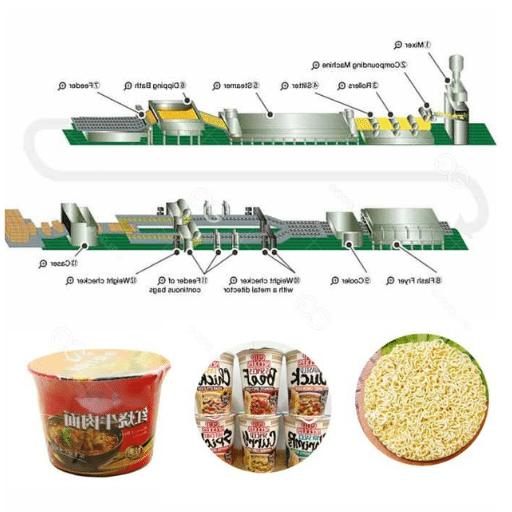
The instant noodle industry has embraced cutting-edge technology to enhance production efficiency, ensure food safety, and improve product quality.
Enhancement of Extrusion Machines
Advanced extrusion technology represents a major leap in production capability:
- High-Speed Production: Modern extruders produce up to 500 kilograms per hour
- Precision Control: Computer-controlled systems ensure consistent texture and shape
- Energy Efficiency: New designs reduce power consumption by 25-30%
- Versatility: Single machines can produce multiple noodle varieties
Automated Dough Processing
Automation has revolutionized traditional dough handling processes:
| Process | Traditional Method | Automated Solution | Improvement |
|---|---|---|---|
| Mixing | Manual monitoring | Sensor-controlled systems | Consistent hydration levels |
| Kneading | Time-based estimation | Gluten development sensors | Optimal texture achievement |
| Rolling | Manual thickness control | Precision roller systems | Uniform sheet thickness |
| Quality Control | Visual inspection | AI-powered analysis | 20% reduction in defects |
Advanced Drying Technologies
Modern drying methods have dramatically improved energy efficiency and product quality:
Infrared Drying
Energy Savings: Up to 30% reduction in consumption
Speed: Faster than conventional methods
Quality: Better nutrient retention
Microwave Drying
Efficiency: Rapid moisture removal
Uniformity: Even heat distribution
Control: Precise temperature management
Specialized Ingredient Handling
Advanced systems accommodate diverse ingredient requirements:
- Gluten-Free Processing: Dedicated lines preventing cross-contamination
- Alternative Flour Handling: Specialized equipment for rice, quinoa, and chickpea flours
- Precision Blending: Automated systems ensuring consistent ingredient ratios
- Quality Maintenance: Climate-controlled storage and handling systems
Automation in the Production Process
Automation has transformed instant noodle manufacturing by enhancing efficiency, reducing human error, and ensuring consistent quality throughout production cycles.
References
-
Loyal Machine – Unraveling the Intricate Production Process of Instant Noodles: Detailed insights into the manufacturing steps, including steaming, frying, and drying.
-
Food Unfolded – Instant Noodles: How Are They Made?: Comprehensive explanation of the production process, from mixing ingredients to packaging.
-
NIFTEM – Processing of Noodles (PDF): An academic document detailing the raw materials, nutrients, and production techniques for noodles.
-
YouTube – How to Produce Instant Noodles in Factory: A visual guide showcasing the automated production line for instant noodles.
Frequently Asked Questions (FAQ)
What goes into the manufacturing of instant noodles?
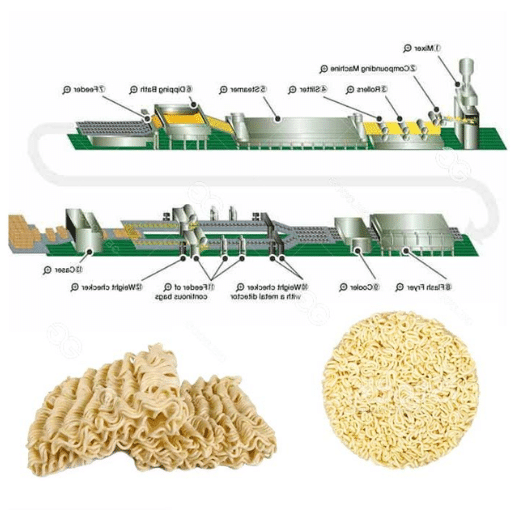
The manufacturing of instant noodles results from an orderly combination of steps that may include the following: mixing the ingredients, making and cutting dough, steaming the noodles, frying, or air drying the noodle products and packing. Flour is the principal component of the mixture, which is formed into dough by the addition of water. Then, the dough is allowed to pass through some rollers and cut into a specific design. The process then involves steaming the noodles or sometimes frying them, followed by dehydrating them; this enables the easy reconstitution of instant noodles.
Are instant noodles appropriate for consumption after preparation?
It is certainly permissible to eat the instant noodles only when they have been manufactured in compliance with food safety requirements. There should be assurance from food safety agencies that such noodles are prepared using safe materials and appropriate processing techniques. Properly prepared instant noodles can be kept for extended periods without the risk of spoilage.
And about the steaming of these instant noodles during manufacturing?
In the instant noodles production process, the manufactured noodles pass through steam at high temperatures, approximately 100°C in a special chamber for steaming purposes. Gelatinization of the starch content inside the noodles takes place in this steaming action, and the noodles become soft enough to be fried or dried as per the end of the product requirements.
Is there any distinction between fried instant noodles and non-fried ones?
In a sense, the texture and taste of fried instant noodles do vary from non-fried ones due to the fact that copious amounts of hot oil are used to cook instant noodles, while dehydration or steaming and drying are the major processes in forming non-fried ones. The non-fried noodles have less oil; therefore, these might be preferred by a health-conscious audience. In contrast, the fried noodles are likely to appeal more to people, owing to the fact that, due to frying, the moisture loss is high, thus elongating the shelf life of the noodles.
What happens to the instant noodles when they dry?
The dehydration of noodle strands is a critical process in creating dry instant noodles. Drying of noodle strands is done in order to reduce the moisture-based drying of most of the noodle strands available on the market today. This reduces dehydration by air-drying or frying, without a decrease in the taste and texture of the product, when it is reconstituted for consumption.
Does the very process of preparing thin strains of noodles include any particular use of seasoned or flavored materials?
Seasoning is an essential component in any instant noodles production process. It usually includes common ingredients such as salty substances, monosodium glutamate and many spices. These ingredients may be added to the noodles in the block itself or separately in the spice sachets or cup noodles containing ramen.
Where did the first creation of instant noodles originate?
Instant noodles were first manufactured by a man called Momofuku Ando from the company Nissin Food Products Co. The first Chikin Ramen, an instant noodle product leading to a revolution in which consumption of these noodles spreads all over the world, is developed in 1958.
Why is the conveyor system essential in the production of instant noodles?
The conveyor belt is very important in the production of instant noodles because it transports the noodles at different stages through various processes such as rolling, cutting, steaming, and even packaging. This mechanism provides better efficiency in terms of the overall system and comprises an instant noodles production process of a given quality.