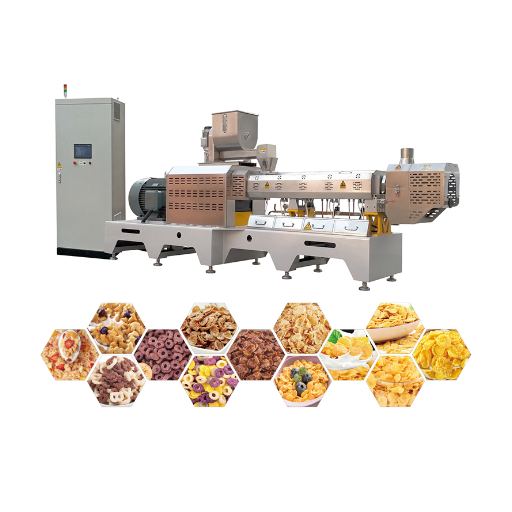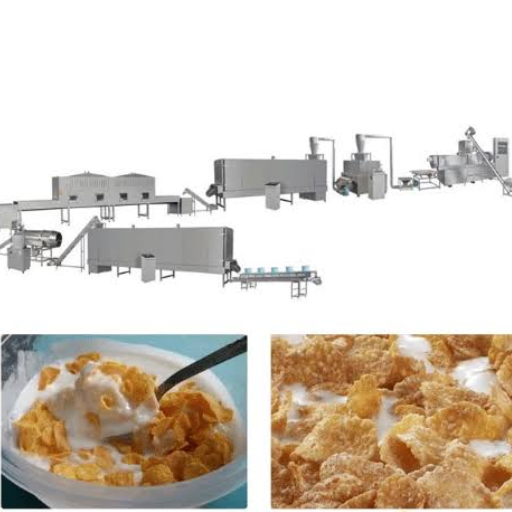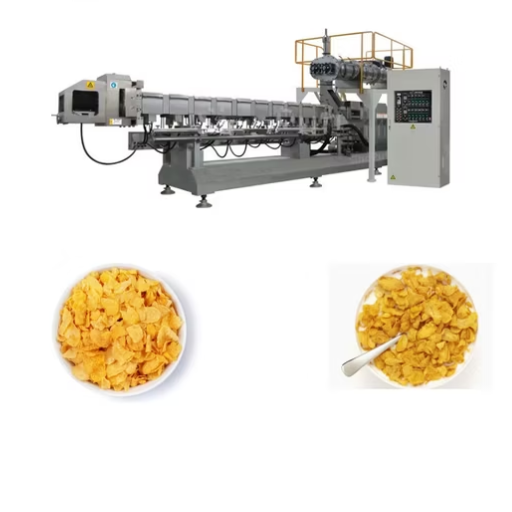
An automated food system is a complete, integrated production line controlled as one unit by a single supplier. Every stage, mixing, extrusion or forming, cooking, drying, seasoning, and packaging, connects and runs end to end. Instead of buying separate machines from different vendors and hoping they work together, you buy one coordinated system designed to run end-to-end.
Here’s the problem that sends many manufacturers down the wrong path. When it’s time to scale, it’s tempting to save money by sourcing the cheapest mixer here, an extruder there, and a packaging machine from somewhere else. The machines arrive, each one works fine on its own, and then nothing talks to anything else.
Agree: You already suspect that buying machines piece by piece creates integration risk. You’re right, it’s one of the most expensive hidden costs in food manufacturing.
Promise: This guide explains what a truly integrated automated food system is, how it works end-to-end, and how to decide whether one turnkey system beats assembling machines yourself.
Preview: We’ll cover the definition, the end-to-end flow, the components, the integrated-versus-piecemeal tradeoff, and a practical checklist for choosing a system. Along the way we’ll tie each idea to real production decisions and real numbers.
Key Takeaways
- An automated food system connects mixing, forming, cooking, drying, and packaging into one coordinated line run by a single supplier.
- Integrated turnkey lines can cut direct labor by up to 70% and remove the hidden cost of multi-vendor integration.
- One real-world AI-assisted system lifted output by 47% and cut manufacturing cost by 35.5%.
- One system usually beats assembling machines when consistency, speed to market, and a single accountable vendor matter most.
- A five-point checklist, product, capacity, changeover, certification, and support, turns the decision into something concrete.
What Is an Automated Food System?
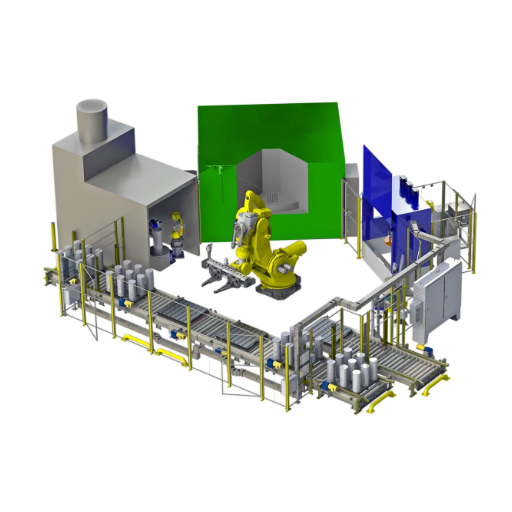
An automated food system is an end-to-end production line that turns raw materials into finished, packaged products with minimal manual handling. It uses coordinated machines under one central control layer. The word “system” matters more than “machine.” A single extruder is a machine. A mixer feeding an extruder that feeds a fryer, a dryer, a seasoning drum, and a packaging line, all driven by one recipe, is a system.
Turnkey is the other word you’ll hear constantly. A turnkey line means the supplier designs, builds, installs, and commissions the whole system, then hands you the keys. You define the product and the capacity. The supplier delivers a working line.
The distinction explains why two lines with identical extruders can perform completely differently. One was integrated as a system. The other was bolted together from parts.
If you’re deciding between individual machines and a complete line, our turnkey food production lines show how an integrated system is designed and delivered.
How an Integrated Food Production Line Works End-to-End
The clearest way to understand a system is to follow the product through it. Most automated food production lines, whether for snacks or pasta, move through six connected stages.
- Mixing and feeding. Raw ingredients are weighed, blended, and fed into the process at a controlled rate.
- Extrusion or forming. The mix is cooked, shaped, or pressed into the product, corn puffs, pasta shapes, protein bars, or pellets.
- Cooking or frying. The formed product is cooked, fried, or baked to its target moisture and texture.
- Drying and cooling. Excess moisture is removed and temperature is brought down for stability and shelf life.
- Seasoning. Flavors and coatings are applied evenly as the product passes through a seasoning drum.
- Packaging. The finished product is weighed, filled, sealed, and packed for shipment.
What makes these six stages a system rather than six machines is the control layer. A central PLC or SCADA system stores the recipe, adjusts each stage in real time, and moves product between stages automatically. When stage three runs hot, stage four compensates without an operator touching anything. Platforms like Siemens’s modular robotics approach now bring robot control into the same environment as the rest of the line, which puts unified control within reach of mid-sized producers.
Components of a Turnkey Food Processing System
Every automated food system rests on four layers. Knowing them helps you evaluate what a supplier is actually promising.
- Upstream preparation. Mixers, feeders, and hoppers that measure and condition raw material before processing.
- Core processing. The heart of the line, an extruder, cooker, fryer, or forming machine that turns the mix into product.
- Downstream handling. Dryers, coolers, seasoning drums, and conveyors that finish the product and move it forward.
- Packaging and controls. Filling, sealing, and labeling equipment, plus the PLC/SCADA layer and cleaning systems that tie it together.
Miguel runs a mid-sized corn puff operation in Guadalajara. For two years he patched his line together from four different suppliers. Output was fine on good days, but every changeover meant recalibrating three machines by hand. Last year he moved to a single automated corn puff extrusion line with one recipe system. His changeover time dropped from most of a shift to under an hour, because the whole line now reads from the same recipe.
Integrated System vs. Assembling Machines Yourself
This is the decision at the heart of choosing an integrated food production line versus assembling machines yourself. Here’s how the two paths compare.
| Factor | Integrated turnkey system | Assembling machines yourself |
|---|---|---|
| Accountability | One supplier owns the result | You become the integrator |
| Consistency | One recipe drives every stage | Each machine needs separate tuning |
| Commissioning | Supplier commissions the line | You coordinate multiple vendors |
| Support | One support team, one warranty | Multiple warranties to juggle |
| Upfront cost | Higher, bundled | Can look cheaper per machine |
| Hidden cost | Low | Integration delays and rework add up |
The apparent savings of piecemeal buying usually disappear in integration. When machines from different vendors can’t communicate, someone has to build the bridges, with time, custom brackets, and rework. That someone is usually you.
Ready to compare a complete system against your current setup? Explore our automated snack production lines to see what a single-supplier line includes.
Benefits of Automated Food Systems
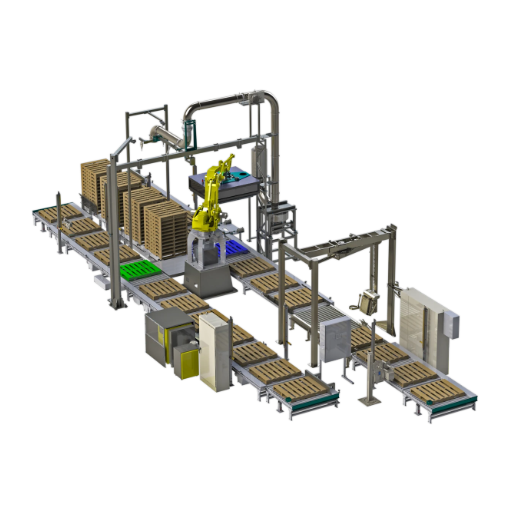
The payoff of automated food systems shows up in five places.
- Consistency. One recipe and one control layer mean every batch matches the last.
- Labor efficiency. Integrated lines need fewer operators. ANKO’s turnkey dumpling lines produce 150,000 pieces a day with just two to eight operators, about a 70% labor reduction.
- Scale. Because stages are balanced, you can raise throughput without creating a new bottleneck.
- Food safety and traceability. Central control logs every batch, which supports recall readiness and audit compliance.
- Faster ramp-up. A commissioned system reaches full output sooner than a line you’re still integrating.
The numbers get concrete fast. When KFRI and Samyang Foods applied AI and robotics to a sauce line in South Korea, daily output jumped from 10 to 14.7 tons, a 47% gain, while manufacturing cost fell 35.5%. That’s the compounding effect of stages that actually talk to each other.
How to Choose an Automated Food System
Buying a system is a big decision. Score each supplier against these five questions.
- Can it make your exact product? Confirm the line is proven for your category, whether that’s snacks, pasta, bars, or pet food.
- Does the capacity match your growth plan? Size for three years out, not just today.
- How fast are changeovers? If you run multiple SKUs, recipe-driven changeover is the difference between profit and downtime.
- Is it certified? CE marking and hygienic design matter for exports and food safety.
- What support comes after install? One accountable team beats a chain of subcontractors.
A strong shortlist question: ask each vendor to walk you through a full changeover and a full CIP cycle on paper. The answers reveal whether you’re buying a system or a collection of machines.
Priya’s health-food brand needed one line that could switch between protein bars and cereal bars on the same day. Vendors who quoted individual machines couldn’t answer her changeover question. The supplier who described a recipe-managed automated protein bar line could. She chose the system, not the machines.
Cost and ROI of an Integrated System
A complete food processing system costs more upfront than buying machines one by one. It usually pays that back through labor savings, higher yield, and less downtime.
Expect the quote to vary widely by product and capacity. A focused single-product line is less expensive than a flexible multi-recipe system. The global food automation market gives a sense of scale: estimates range from roughly 14.85billionin2025growingtoward14.85billionin2025growingtoward23 billion by 2031, to more than $21 billion by 2035 depending on scope. The steady growth reflects how quickly manufacturers are making this investment.
Three cost drivers dominate any quote: throughput, flexibility, and certification. Higher throughput costs more. Recipe flexibility costs more. CE-certified, hygienic design costs more, and usually pays for itself when you export or pass a major audit.
The practical test is payback. If a system cuts three operators per shift and scrap by two percentage points, it often pays for itself within two to three years. That’s the math most buyers miss when they fixate on the sticker price of a single machine.
Why Choose Shandong Loyal’s Automated Food Production Lines
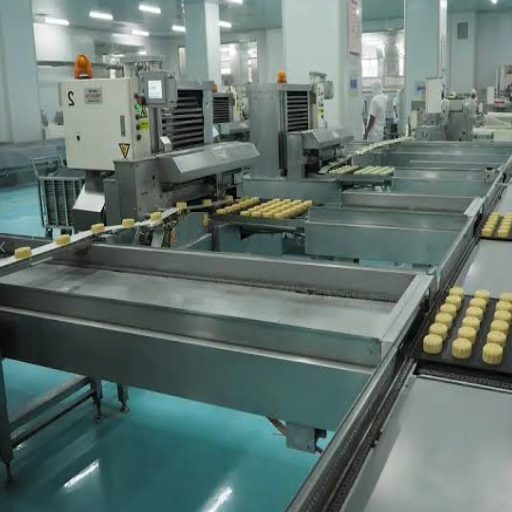
Shandong Loyal Industrial has spent more than a decade building complete, customized production lines for clients in over 50 countries. Our automated food systems are designed, built, installed, and commissioned as one unit.
What that means for you is simple. You tell us your product and your capacity goal, and we design a system around it, from extrusion and cooking to drying and packaging. Our equipment is configured to meet international standards like CE, and our team supports you from consultation through startup and beyond.
We don’t hand you a list of machines and wish you luck. We deliver a working line and the training to run it. If you’re producing pasta, we can build an automated pasta production line around your recipes. If it’s bars, a flexible protein bar system. That’s the turnkey difference in practice.
Frequently Asked Questions
What is a turnkey food production line?
A turnkey line is a complete production system that a supplier designs, builds, installs, and commissions as one package. You define the product and capacity, and the supplier delivers a working line you can run on day one.
How much does an automated food system cost?
Cost depends on product type, throughput, flexibility, and certification. A focused single-product line costs less than a flexible multi-recipe system. Payback typically comes in two to three years through labor savings, higher yield, and reduced downtime.
Can an automated food system be customized?
Yes. Customization is often the whole point. A good supplier designs the line around your recipe, your capacity, and your facility rather than forcing your product into a stock machine.
How long does it take to install a turnkey line?
Timelines vary by complexity, but a single supplier typically handles design, manufacturing, installation, and commissioning as one coordinated project. That single-owner structure is what keeps the schedule predictable.
What certifications should an automated food system have?
For export and food safety, look for CE marking and hygienic design that meets recognized standards. Central control that logs every batch also strengthens traceability for audits.
Conclusion
An automated food system is more than a set of machines. It’s an integrated, end-to-end line that turns raw material into packaged product under one control layer and one accountable supplier.
The decision comes down to this. If consistency, faster ramp-up, and a single vendor who owns the result matter to you, one turnkey system usually beats assembling machines yourself. That’s why automated food systems are becoming the default for scaling producers. The labor savings and the removal of integration risk tend to outweigh a higher upfront price.
Your next step is simple. Define your product, your target capacity, and the recipes you need to run. Then talk to a supplier who can design a complete system around them, not one who sells you pieces.
Tell us your product and your production goal, and we’ll design a complete automated system for it. Contact us for a quote and let’s map out your line.