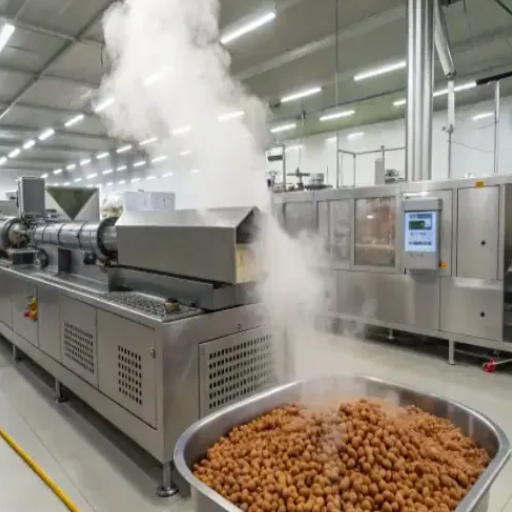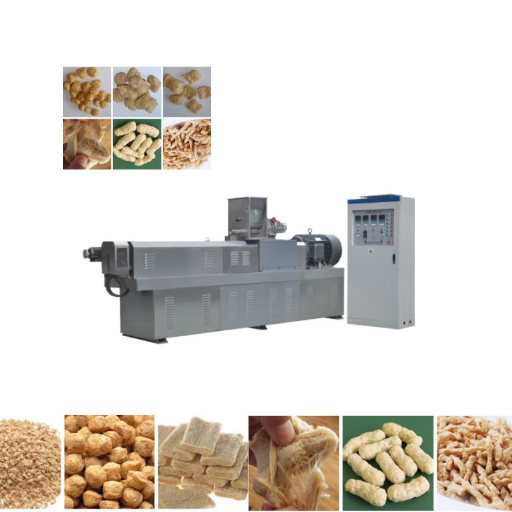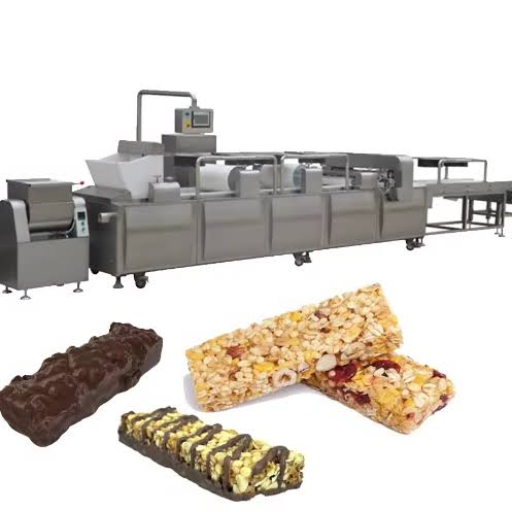
A cassava modified starch production line converts native cassava starch into functional ingredients for food, paper, oil drilling, textiles, and construction. The line typically includes raw-material preparation, mixing, twin-screw extrusion or chemical modification, drying, milling, screening, and packaging.
But here is the challenge most buyers face: the internet is full of thin manufacturer pages that list machines without explaining how cassava behaves differently from corn or potato starch. If you are investing hundreds of thousands of dollars in a tropical starch plant, you need a guide that connects raw cassava sourcing to finished modified starch properties.
In this article, you will learn the complete cassava-to-modified-starch workflow, the equipment that matters, the process parameters that control product quality, and how to choose a line that fits your capacity and market.
Key Takeaways
- Cassava modified starch is created by physically, chemically, or enzymatically altering native cassava starch to improve stability, viscosity, and cold-water solubility.
- A complete line can start from fresh cassava roots or from purchased native cassava starch, depending on your raw-material strategy.
- Twin-screw extrusion is the most common physical modification method, with barrel temperatures typically between 120°C and 160°C and moisture levels of 15% to 30%.
- Food, oil drilling, paper, textile, and construction industries drive demand, with the modified cassava starch market estimated at USD 2.67 billion in 2026.
- Buyers should evaluate capacity, modification type, automation level, certifications, and supplier support before requesting a quote.
What Is Modified Cassava Starch?
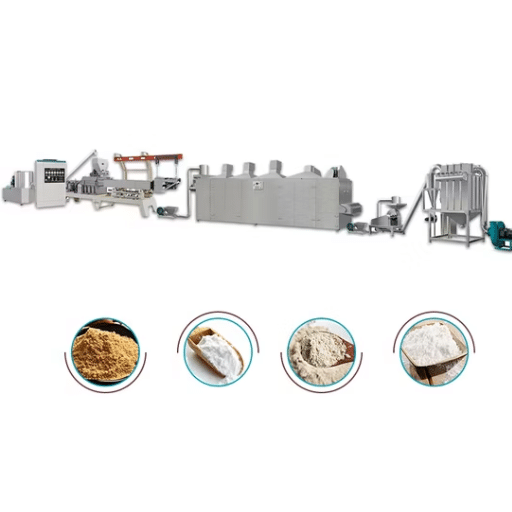
Modified cassava starch is native cassava starch that has been treated to change its functional properties. Native cassava starch has limits: it can retrograde, lose viscosity under heat or shear, and require cooking before use. Modification solves those problems.
The three main modification approaches are:
- Physical modification: heat-moisture treatment, extrusion, and drum drying. Pregelatinization by twin-screw extruder is the most common industrial approach.
- Chemical modification: acetylation, oxidation, cross-linking, cationization, and etherification. These create starches with specific viscosity, stability, or charge properties.
- Enzymatic modification: treatment with enzymes such as alpha-amylase to tailor molecular weight and digestibility.
Cassava is especially attractive for modification because it produces a bland, white starch with high purity and a clean label. That is why food manufacturers, paper mills, and drilling-fluid formulators increasingly prefer cassava and tapioca-derived modified starches over corn or potato alternatives.
When Kofi, a starch processor in Nigeria, first looked at exporting native cassava starch, he found the margins were thin and prices volatile. After switching to pregelatinized cassava starch for instant food and adhesives, he captured a 30% higher price per tonne and built long-term contracts with buyers in West Africa.
Cassava Starch Extraction: The First Stage
A cassava modified starch production line can start from fresh cassava roots or from purchased native cassava starch. Each path changes your capital cost, labor needs, and product margin.
From Fresh Cassava Roots to Native Starch
If you have access to fresh cassava, the first section of your plant extracts native starch. The standard process includes:
- Cleaning and washing: removes soil, stones, and debris using a dry sieve and paddle washer.
- Peeling and cutting: prepares the roots for rasping.
- Rasping or grinding: breaks open cassava cells to release starch granules.
- Fiber separation: centrifugal sieves remove coarse and fine fibers.
- Desanding: hydrocyclones or desanders remove sand particles.
- Refining and concentration: hydrocyclone stations wash and concentrate starch milk.
- Dewatering: peeler centrifuges or vacuum filters reduce moisture to 38–42%.
- Drying: flash dryers reduce moisture to 8–14%.
- Screening and packaging: final sifting and bagging.
Fresh-root extraction requires more space, water, and labor, but it gives you control over raw-material quality and can lower starch input costs.
Starting from Purchased Native Cassava Starch
If you buy native cassava starch in bulk, your line begins at the modification stage. This approach is common for processors in Thailand, Vietnam, and Indonesia who source starch from nearby extraction plants. It reduces upfront investment and lets you focus on higher-margin modified products.
Incoming starch should be checked for:
- Moisture content: typically 12–14%.
- Purity and ash: lower ash means better final product quality.
- Particle size distribution: affects mixing and extrusion behavior.
- Microbial standards: critical for food and pharmaceutical applications.
How Cassava Starch Is Modified
The choice of modification method depends on your target market and the functional properties you need.
Physical Modification: Pregelatinization by Extrusion
Pregelatinized cassava starch is the most common modified cassava starch product. It dissolves or swells in cold water, making it ideal for instant foods, oil drilling fluids, adhesives, and pharmaceuticals.
A typical extrusion process follows these steps:
- Mixing: native cassava starch is blended with water to reach 15–30% moisture.
- Preconditioning: optional steam or heat treatment to begin gelatinization.
- Twin-screw extrusion: heat, pressure, and shear gelatinize the starch at 120–160°C.
- Cutting: a rotating knife cuts the extrudate into flakes or pellets at the die.
- Drying: belt dryers or ovens reduce moisture below 12%.
- Milling and sieving: the dried product is ground to the desired mesh and screened.
- Packaging: automatic bagging and weighing.
Extrusion is popular because it is continuous, does not require chemical reagents, and can be adjusted to produce either partially or fully pregelatinized starch.
Chemical Modification
Chemical methods create starches with specialized properties:
- Acetylated starch: improved freeze-thaw stability and clarity for food sauces.
- Oxidized starch: lower viscosity and better adhesion for paper and textile sizing.
- Cross-linked starch: higher stability under heat, acid, and shear for canned foods and dairy.
- Cationic starch: positive charge for paper retention and strengthening.
Chemical modification requires additional reactors, washing, neutralization, drying, and waste-handling systems. It is usually chosen by processors who already serve industrial markets with strict functional specifications.
Enzymatic Modification
Enzymes such as alpha-amylase break starch molecules into smaller units. This is used to produce maltodextrins, glucose syrups, and resistant starches. Enzymatic lines require precise temperature and pH control, plus inactivation and purification steps.
Cassava Modified Starch Production Line: Equipment and Process Flow
A complete cassava modified starch production line based on extrusion typically includes the following equipment:
| Equipment | Function |
|---|---|
| Intake silo or hopper | Holds raw cassava starch before processing. |
| High-speed mixer | Blends starch with water and additives to target moisture. |
| Screw conveyor or feeder | Delivers conditioned starch to the extruder at a steady rate. |
| Twin-screw extruder | Applies heat, pressure, and shear to modify or gelatinize starch. |
| Air conveyor or cooling conveyor | Transports and cools extruded pellets or flakes. |
| Dryer | Reduces moisture to a stable level, typically below 12%. |
| Hoister or bucket elevator | Moves dried product to the milling section. |
| Pulverizer or ultrafine grinder | Grinds extrudate into powder of the required particle size. |
| Vibrating screener | Removes oversize particles and ensures uniform product. |
| Automatic packaging machine | Weighs, fills, and seals bags or containers. |
| PLC control system | Automates temperature, speed, and moisture control. |
Each component must be matched to the others. A 500 kg/h extruder paired with a 200 kg/h dryer will create bottlenecks, quality problems, and wasted energy.
Maria, a plant manager in Vietnam, learned this lesson when she bought an extruder and dryer from two different suppliers. The dryer could not keep up, so the extruder had to stop and start repeatedly. After switching to a single-source turnkey line with matched capacity, her uptime improved by 25% and product moisture became consistent batch after batch.
Twin-Screw Extruder Parameters for Cassava Starch

The twin-screw extruder is the heart of a physical modification line. Getting the parameters right determines whether your cassava starch becomes a high-quality pregelatinized product or an off-spec batch.
Key process parameters include:
- Moisture content: 15–30%, depending on the degree of gelatinization desired.
- Barrel temperature: 120–160°C for most pregelatinized cassava starches.
- Screw speed: higher speeds increase shear and can reduce viscosity.
- Feed rate: must be balanced with screw speed and barrel temperature.
- Die configuration: die size and shape affect expansion, cutting, and final density.
Quality indicators to monitor:
- Water solubility index (WSI): higher WSI means more starch has gelatinized.
- Water absorption index (WAI): indicates how much water the starch absorbs.
- Degree of gelatinization: the percentage of starch granules that have lost crystalline structure.
- Paste viscosity: measured with a viscometer or rapid visco analyzer.
Cassava starch gelatinizes at a lower temperature than some cereal starches, so it is generally more forgiving. However, excessive shear can break starch molecules and reduce final viscosity, which matters for food and oil drilling applications.
Applications of Modified Cassava Starch
Modified cassava starch serves a wide range of industries. Understanding these applications helps you design a line that matches market demand.
Food and Beverage
Pregelatinized cassava starch thickens instant soups, sauces, baby cereals, bakery fillings, and snack coatings. It provides cold-water solubility and a smooth mouthfeel without lumps.
Oil Drilling
In water-based drilling fluids, pregelatinized cassava starch acts as a fluid-loss control agent and viscosifier. It must tolerate high temperature, salinity, and shear.
Paper and Cardboard
Cationic and oxidized cassava starches improve paper strength, surface sizing, and coating binder performance. Paper mills increasingly prefer plant-based binders to meet recyclability goals.
Textiles
Modified cassava starch is used for warp sizing and fabric finishing. It improves weaving efficiency and gives fabrics a smooth surface.
Pharmaceuticals and Cosmetics
Pregelatinized starch serves as a tablet binder, disintegrant, and cosmetic thickener. Food-grade and pharmaceutical-grade quality standards apply.
Construction and Adhesives
Wall putty, tile adhesives, gypsum binders, and briquettes use modified cassava starch for binding and water retention.
Choosing a Cassava Modified Starch Production Line
Selecting the right equipment requires more than comparing prices. You need to match the line to your raw material, product, capacity, and market.
Capacity Planning
Common industrial capacities range from:
- 100–150 kg/h: pilot or small-scale production.
- 250–500 kg/h: mid-scale commercial lines.
- 1,000 kg/h and above: large industrial plants.
Choose a capacity based on projected sales, raw-material supply, and available utilities.
Modification Type
Decide whether you will focus on physical modification (pregelatinization), chemical modification, or both. Each requires different equipment and regulatory compliance.
Raw Material Strategy
Will you extract starch from fresh roots or buy native starch? This decision affects the first section of your line and your total investment.
Automation Level
A fully automated line with PLC control reduces labor and improves consistency. Manual or semi-automatic lines cost less but require more operator skill.
Certifications
Look for equipment that meets:
- CE certification for European markets.
- ISO 9001 for quality management.
- Food-grade SUS 304 stainless steel for food and pharmaceutical contact parts.
- SGS or BV inspection if required by your buyer.
Supplier Evaluation
When comparing suppliers, ask about:
- Experience with cassava or tapioca starch specifically.
- Turnkey capability, including installation and commissioning.
- Spare parts availability and lead times.
- Training for your operators and maintenance staff.
- Reference projects in your region.
If you are unsure where to start, explore our food production lines to see how turnkey systems are configured for different raw materials and outputs.
Cost, ROI, and Scaling

A cassava modified starch production line is a significant investment. Understanding the cost structure helps you plan for profitability.
Equipment Cost Ranges
Small extrusion-based modified starch lines can start around USD 5,000 to 30,000 for basic units. Complete industrial lines with integrated extraction, modification, drying, and packaging can range from USD 150,000 to over USD 1 million, depending on capacity and automation.
Operating Costs
Factor in:
- Raw materials: cassava roots or native starch.
- Power: extruders, dryers, and mills are the largest consumers.
- Water: especially important if you extract starch from fresh roots.
- Labor: automation reduces this significantly.
- Maintenance: screws, barrels, dies, and dryer belts wear over time.
Payback Timeline
For a well-configured line serving food or industrial markets, payback can often be achieved within 2 to 4 years. Higher-value applications such as oil drilling starch or pharmaceutical-grade starch can shorten this timeline.
Scaling Signals
Consider scaling when:
- Your dryer or extruder is running at maximum capacity for most shifts.
- You have consistent repeat orders from multiple buyers.
- Your raw-material supply is reliable enough to support higher throughput.
Why Work with Shandong Loyal
At Shandong Loyal Industrial Co., Ltd., we design and manufacture cassava modified starch production lines for processors around the world. With over 10 years of experience in food and industrial extrusion equipment, we understand the differences between cassava, corn, potato, and tapioca starches.
Our lines are built with:
- Customizable configurations for physical, chemical, or combined modification.
- CE-certified, food-grade construction using SUS 304 stainless steel where required.
- Twin-screw extrusion technology with precise temperature and shear control.
- Turnkey support from layout design and installation to operator training.
- Global after-sales service and spare parts supply.
Whether you are starting from fresh cassava roots or processing purchased native starch, we can help you choose the right line for your capacity and market.
Frequently Asked Questions
What is modified cassava starch used for?
Modified cassava starch is used in food, oil drilling, paper, textiles, pharmaceuticals, construction, and adhesives. The modification process gives it improved viscosity, stability, solubility, or binding properties for specific applications.
How is cassava starch modified?
Cassava starch is modified through physical methods such as extrusion or drum drying, chemical methods such as acetylation or oxidation, or enzymatic methods using enzymes like alpha-amylase.
What equipment is needed for a cassava modified starch production line?
A typical extrusion-based line includes a mixer, screw feeder, twin-screw extruder, dryer, grinder, screener, packaging machine, and PLC control system. If starting from fresh roots, you also need washing, rasping, separation, and dewatering equipment.
Can cassava starch be pregelatinized?
Yes. Pregelatinized cassava starch is produced by heating native starch until its granule structure breaks down, then drying and milling it into a cold-water-soluble powder.
How much does a cassava modified starch production line cost?
Small extrusion lines can start at USD 5,000 to 30,000. Complete industrial lines with extraction and modification can range from USD 150,000 to over USD 1 million, depending on capacity and automation.
What is the difference between cassava starch and modified cassava starch?
Native cassava starch has standard cooking and viscosity properties. Modified cassava starch has been treated to improve functionality, such as cold-water solubility, heat stability, or adhesion.
Conclusion
A cassava modified starch production line can turn one of the world’s most abundant root crops into a high-value ingredient for global markets. Success depends on choosing the right starting material, modification method, equipment configuration, and supplier partner.
To recap:
- Cassava modified starch adds functionality that native starch cannot deliver on its own.
- You can start from fresh roots or purchased native starch, depending on your strategy.
- Twin-screw extrusion is the leading physical modification method for pregelatinized starch.
- Process parameters such as moisture, temperature, and screw speed directly affect final product quality.
- Equipment should be matched to capacity, application, certification needs, and local raw-material supply.
If you are planning a cassava modified starch project, contact our team today for a custom quotation and process consultation. We will help you design a line that fits your raw material, your market, and your growth goals.