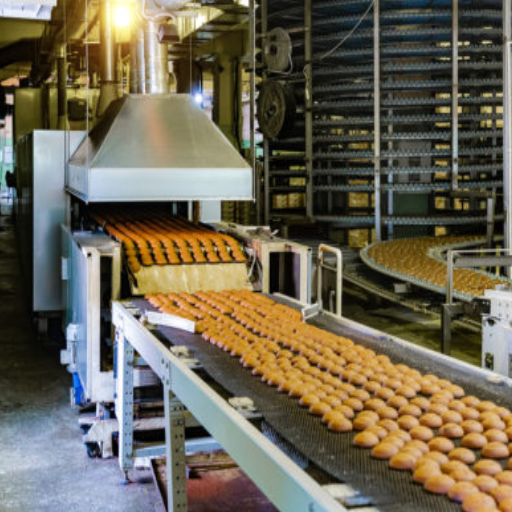
High protein pet food manufacturing uses twin-screw extrusion systems, precise temperature control, and post-extrusion nutrient coating to produce kibble with 28% to 40%+ crude protein at commercial scale. The process demands specialized equipment that can handle high meat content, maintain protein integrity, and meet strict food safety standards like HACCP and CE certification.
When Marcus launched his premium pet food brand in early 2024, he assumed any extruder could handle his 35% protein formula. Six months later, his single-screw machine was clogging three times a week. Protein-rich dough stuck to the barrel, fresh meat slurry separated during mixing, and his kibble crumbled before it reached the bag. The “savings” from budget equipment cost him $40,000 in downtime and lost contracts.
Marcus’s story is common. The high protein pet food market is expanding fast, but producing it reliably requires more than a standard extrusion setup. You need the right process, the right equipment, and a production line designed for protein-heavy formulations.
In this guide, we will walk through the complete manufacturing process, compare extrusion against cold pressing and baking, and show you how to select equipment that matches your scale and budget. Whether you are launching a startup or scaling an existing operation, you will leave with a clear roadmap.
Key Takeaways
- High protein pet food (28-40%+ protein) requires twin-screw extruders, not single-screw systems, to handle dense meat-rich formulations without clogging.
- Wet extrusion with steam preconditioning at 60-80°C is the industry standard for premium kibble, delivering 10-15% higher output than dry extrusion.
- Cold pressing preserves more intact protein and accepts up to 70% fresh meat, but extrusion offers higher throughput and lower per-ton cost at scale.
- CE-certified, modular turnkey lines let you start with core extrusion and drying, then add coating, cooling, and packaging as volume grows.
- Equipment investment ranges from roughly 22,000forsmallturnkeylinesto22,000forsmallturnkeylinesto150,000+ for industrial systems, with break-even typically at 6-12 months for medium-scale operations.
What Is High Protein Pet Food Manufacturing?
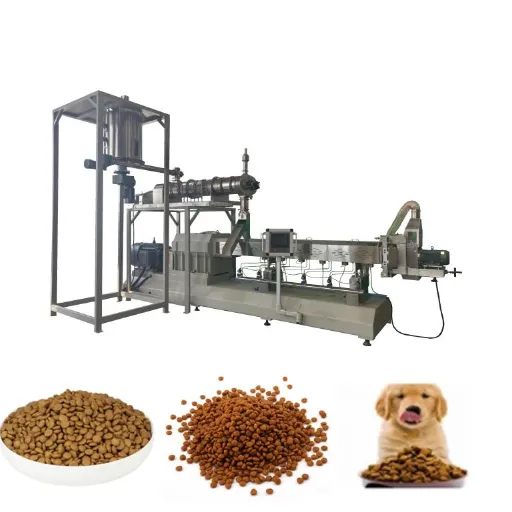
High protein pet food manufacturing is the industrial process of formulating, cooking, and shaping pet food products that contain significantly more protein than conventional kibble. Standard dry pet food typically carries 18% to 25% crude protein. High protein formulations push that range to 28% to 40% or higher, often paired with grain-free recipes and premium positioning.
Defining High Protein Formulations
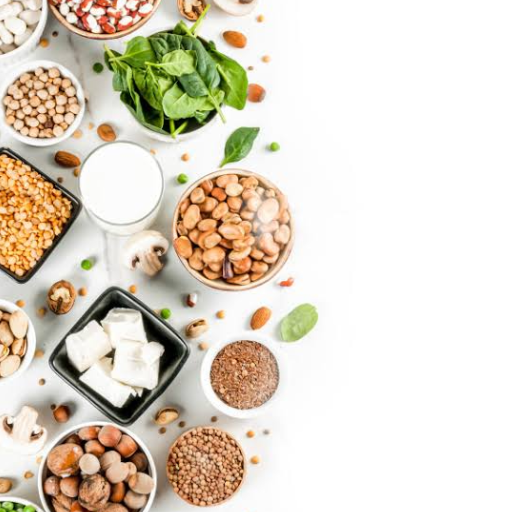
The protein in these products comes from several sources. Animal-based meals, such as chicken meal, beef meal, and fish meal, remain the most common base. Fresh or frozen meat is increasingly used, with some premium brands reaching 40% to 70% fresh meat inclusion. Plant proteins like pea protein and potato protein add supplementary amino acids, while novel sources such as insect meal and precision-fermented proteins are gaining traction among sustainability-focused brands.
The manufacturing approach you choose depends on your target protein level, ingredient mix, and market position.
The Manufacturing Spectrum
Dry extruded kibble dominates the market, accounting for roughly 60% to 68% of global volume. It is produced through high-temperature extrusion and offers long shelf life at a manageable cost. Cold-pressed or baked kibble is the fastest-growing premium segment. It uses lower temperatures to preserve protein integrity but costs more per ton to produce. Wet or canned food requires entirely different equipment and is not covered in this guide. Freeze-dried and air-dried products sit in the super-premium tier. They command high margins but operate at low volume with specialized machinery.
Want to see how a complete line fits together? Our pet food production line overview breaks down every stage from raw material receiving to final packaging.
The High Protein Pet Food Production Line: Step-by-Step
A turnkey high protein pet food production line follows a precise sequence. Each stage affects protein retention, texture, digestibility, and food safety. Understanding the full flow helps you diagnose issues and optimize output.
Raw Material Preparation
Every batch starts with consistent particle size. Grains, protein meals, and starches are ground to 40 to 100 mesh in a hammer mill or pulverizer. Uniform particle size ensures even hydration and cooking later in the process.
For brands using fresh or frozen meat, the preparation stage is more involved. Frozen protein blocks must pass through a block breaker, then a heavy-duty grinder capable of processing bone-in material. The resulting slurry is metered into the mixer at a controlled ratio. This is where many budget operations fail. Inline fresh meat addition requires pumps, flow meters, and temperature monitoring that basic lines simply do not include.
Mixing and Pre-Conditioning
Once ground, dry ingredients enter a twin-shaft paddle mixer. Mixing time is typically 3 to 8 minutes, with a coefficient of variation of 5% or less. This uniformity matters because uneven distribution leads to inconsistent extrusion and variable protein content in the final product.
The mixed material then moves to a pre-conditioner. Steam and water are injected, raising the temperature to 60°C to 80°C and moisture to 15% to 30%. Pre-conditioning softens the material, initiates starch gelatinization, and reduces the mechanical load on the extruder. Factories that use pre-conditioners consistently report 10% to 15% higher output compared to dry extrusion alone.
Extrusion Cooking
Extrusion is the heart of the process. Conditioned material feeds into a twin-screw extruder operating at 110°C to 180°C and 3 to 15 MPa of pressure. The intermeshing screws generate mechanical shear that cooks the dough while forcing it forward. Inside the barrel, three critical reactions occur simultaneously.
Starch gelatinization creates the structural backbone of the kibble. Protein denaturation unfolds protein molecules, improving digestibility. The high temperature and pressure also serve as a kill step, destroying pathogens like Salmonella with 99% or greater efficacy.
For high protein formulations, twin-screw extruders are essential. Their co-rotating design handles dense, fat-rich dough that would stall a single-screw machine. Fresh meat inclusion of 20% to 40% is achievable without pre-mincing beyond the initial grinding stage.
The cooked dough is forced through a die plate, shaped into circles, triangles, bones, or custom profiles. A rotary cutter slices the extrudate into uniform lengths, typically 3 to 10 mm depending on the target product.
Drying
Fresh from the extruder, kibble contains 20% to 25% moisture. Multi-pass belt dryers reduce this to 8% to 12% over 15 to 30 minutes. Temperature zones are carefully staged, usually starting at 80°C to 100°C and finishing at 110°C to 130°C. Excessive heat here can damage protein quality, so precise zone control is critical for high protein products.
Coating and Flavoring
After drying, kibble enters a rotating drum where fats, oils, and palatants are sprayed onto the surface. This is also when heat-sensitive nutrients, such as probiotics, lysine, and certain vitamins, are added. Including these before extrusion would destroy them.
Premium lines use vacuum coaters for deeper fat penetration and more uniform coverage. Vacuum coating can increase fat absorption by 20% to 30% compared to atmospheric drum coating, improving both nutrition and palatability.
Cooling, Screening, and Packaging
Hot kibble passes through a counter-flow cooler that brings the product to near-ambient temperature. Cooling is essential before packaging. Sealing warm product creates condensation, which leads to mold growth and shelf-life failure.
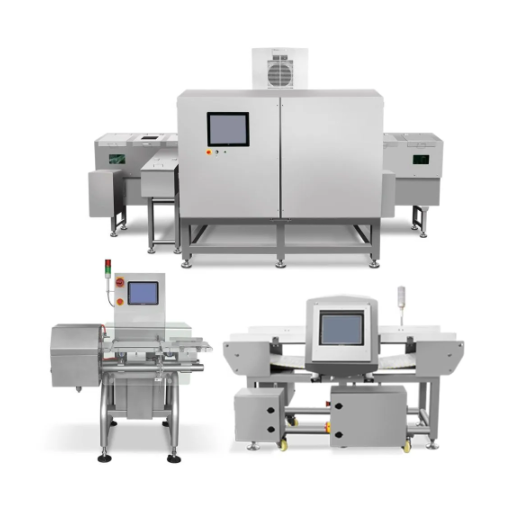
After cooling, kibble travels over a vibrating screener to remove fines and broken pieces. Metal detectors and check-weighers provide final quality assurance before automated packaging fills and seals bags.
For a deeper look at the general manufacturing process, read our step-by-step pet food manufacturing process guide.
Extrusion vs. Cold Press vs. Baking: Choosing Your Process
Not every high protein product is made the same way. The process you choose shapes your ingredient options, throughput, cost structure, and market position.
High-Temperature Extrusion
Extrusion is the workhorse of dry pet food production. It delivers high throughput, reliable pathogen destruction, and excellent shelf stability. The continuous process means low labor cost per ton and consistent output.
The trade-off is thermal exposure. Temperatures above 140°C can degrade certain amino acids, particularly lysine, and may reduce the biological availability of some proteins. Fresh meat inclusion is also limited to roughly 30% in most standard extrusion setups before flow issues emerge.
Cold Pressing and Low-Temperature Baking
Cold pressing operates at 80°C to 120°C, preserving more intact protein and allowing fresh meat inclusion of up to 70%. Because the process uses less heat, oil spraying is often unnecessary, and nutrient degradation is minimized.
The downside is economics. Cold press lines run at lower throughput, and the equipment investment is typically 30% to 50% higher than equivalent extrusion capacity. Per-ton production costs run higher due to longer cycle times and reduced output.
Side-by-Side Comparison
| Factor | High-Temp Extrusion | Cold Press / Low-Temp Bake |
|---|---|---|
| Temperature | 110-180°C | 80-120°C |
| Fresh Meat Inclusion | Up to 30% | Up to 70% |
| Throughput | High | Medium |
| Protein Retention | Good | Excellent |
| Pathogen Kill | 99%+ | Lower (may need post-treatment) |
| Shelf Life | 12-18 months | 9-12 months |
| Unit Cost | Lower | Higher |
| Best For | Scale, mainstream, premium kibble | Super-premium, grain-free, high-meat |
Need help choosing between extrusion and cold press for your product line? Our team has configured both advanced extrusion systems and low-temperature lines for protein-heavy recipes. Tell us your formulation, and we will recommend the right process.
Equipment Selection for High Protein Lines
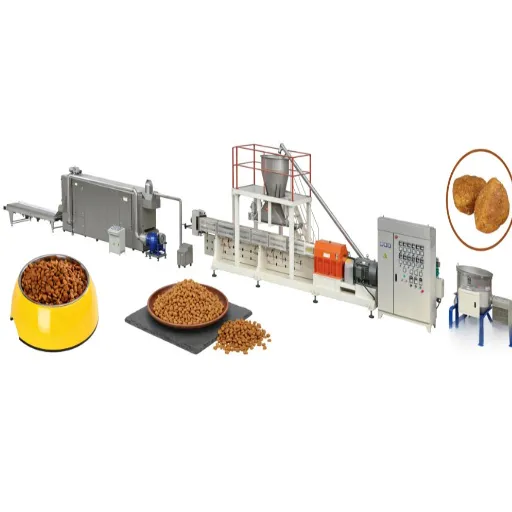
The equipment you choose determines what recipes you can run, how reliably you can run them, and what your cost-per-ton will be.
Must-Have Equipment for High Protein
A high protein line starts with a co-rotating twin-screw extruder. This is non-negotiable for meat-heavy formulations. Look for modular barrels with independent heating and cooling zones, an L/D ratio of 15:1 to 25:1, and screws built from wear-resistant alloy steel. High protein dough is abrasive, particularly when bone meal is included.
The pre-conditioner should feature precise steam and water injection with PLC-controlled flow rates. A heavy-duty frozen meat grinder or block breaker is essential if you plan to use fresh meat. Your dryer needs multi-stage temperature zones with 80°C to 130°C range and uniform airflow. For premium positioning, a vacuum coater adds value. For all lines, a PLC touchscreen control system with recipe storage and real-time monitoring reduces operator error and changeover time.
Capacity Planning
Small-scale lines rated at 140 to 260 kg/h suit startups and R&D facilities. Medium-scale systems at 500 to 1,200 kg/h support growing brands with regional distribution. Large-scale lines at 1,500 to 3,500 kg/h serve national brands and co-manufacturers. Industrial systems at 4,500+ kg/h meet the needs of multinational producers.
When Elena expanded her Brazilian pet food operation from 300 kg/h to 1,000 kg/h in 2023, she did not replace her entire line. She upgraded her extruder, added a larger dryer, and integrated an automated coating system. Her modular approach kept downtime under two weeks and preserved her original packaging line investment.
Automation and Control Systems
Modern lines use PLC-based controls with touchscreen HMIs. These systems store multiple recipes, log production data, and alert operators when temperature or pressure drifts outside set parameters. For high protein production, where small formulation changes can affect extrusion stability, this level of control is a significant advantage.
For detailed equipment specifications and selection criteria, see our pet food manufacturing equipment buyer’s guide.
Meeting International Standards: CE, HACCP, and Beyond
Global buyers expect machinery that meets recognized safety and quality standards. Understanding what each certification covers helps you evaluate equipment and prepare for market entry.
CE Certification for Pet Food Machinery
CE marking under the Machinery Directive 2006/42/EC confirms that equipment meets European safety, health, and environmental requirements. For food processing machinery, this includes guarding on moving parts, emergency stop systems, and electrical safety compliance with IEC standards. Buyers all around the world except for Europe often require CE certification.
HACCP and Food Safety
Hazard Analysis Critical Control Points (HACCP) is a systematic approach to food safety. In high protein pet food production, critical control points include ingredient receiving and verification, grinding and foreign object control, extrusion as the pathogen kill step, drying for moisture control, and packaging for seal integrity. Designing the equipment to facilitate HACCP includes surfaces that are easy to clean.
AAFCO and Nutritional Compliance
Nutritional Profiles and labeling for pet foods in the U.S. are governed by AAFCO – Association of American Feed Control Officials. High protein products must meet guaranteed analysis requirements for crude protein, fat, fiber, and moisture. Because extrusion degrades some heat-sensitive vitamins and amino acids, post-extrusion coating is the standard method for adding these nutrients back into the product.
All our CE-certified food machinery is designed with HACCP principles in mind, from smooth stainless steel contact surfaces to accessible clean-out points.
Scaling Your Pet Food Operation: From Pilot to Production
Growth in pet food manufacturing works best when your production line grows with you. A modular approach protects capital and reduces risk.
Modular Line Design
Start with the essentials. A core line consisting of grinding, mixing, pre-conditioning, extrusion, and drying lets you enter production with a manageable investment. As demand increases, add coating, cooling, screening, and automated packaging. This phased approach spreads capital expenditure over time and lets you validate your recipes before committing to a full line.
Recipe Flexibility Considerations
The ability to switch between recipes is a competitive advantage. Quick-release die systems allow kibble shape changes in under 30 minutes. CIP systems reduce allergen cross-contamination risk when switching between protein sources. Modular extruder barrels let you adjust screw configurations for different dough viscosities.
Novel proteins like insect meal and fermented proteins are entering the market rapidly. Each presents unique extrusion challenges. Insect meal, for example, has different fat content and particle density than poultry meal, requiring adjusted preconditioning moisture and extruder screw speed. Precision-fermented proteins may need lower barrel temperatures to prevent excessive denaturation.
Planning to launch with one recipe and expand later? Our customizable production lines are built for exactly that. We design layouts that accommodate future equipment additions without reconfiguring your entire factory floor. Contact our engineering team to map your growth path.
Cost Considerations and ROI
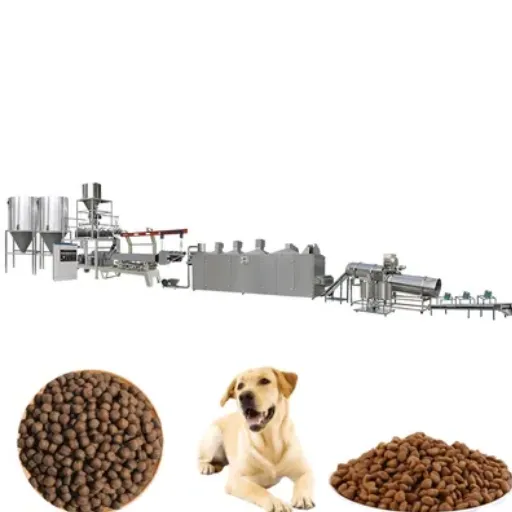
Understanding the full cost picture helps you make an informed investment decision.
Equipment Investment Ranges
Small turnkey lines suitable for startups typically range from 22,000to22,000to38,000. Medium lines for growing brands fall between 50,000and50,000and120,000. Large industrial configurations start around $150,000 and scale upward depending on automation level and ancillary equipment.
These figures cover the machinery itself. Total project costs including factory preparation, utilities, installation, and commissioning typically add 20% to 40%.
Operating Cost Drivers
Raw materials represent the largest ongoing expense, often 50% to 60% of total production cost for high protein formulations. Energy consumption is the next major factor. Extrusion and drying together account for 60% to 70% of a line’s power draw. Labor costs decrease as automation increases. A semi-automated line might need four to six operators, while a fully automated system can run with two to three.
Break-Even Scenarios
For a medium-scale line producing 800 kg/h at a 30% gross margin, break-even on equipment investment typically occurs within 6 to 12 months of steady operation. The exact timeline depends on your selling price, raw material costs, and local energy rates.
Our experience designing protein bar production equipment has given us deep insight into protein handling economics. Those same principles apply directly to high protein pet food manufacturing.
Conclusion
High protein pet food manufacturing is a substantial opportunity, but it rewards preparation. The difference between a line that runs smoothly and one that struggles often comes down to equipment selection and process understanding.
Choose high-temperature extrusion when throughput and cost efficiency are your priorities. Select cold pressing when protein preservation and premium positioning matter most. In either case, invest in twin-screw extrusion technology, precise preconditioning, and modular design that scales with your business.
Meeting CE certification and HACCP standards is not optional for global market access. Build these requirements into your equipment selection from day one.
With over 10 years of experience in extrusion systems for snacks, pasta, protein bars, and pet food, Shandong Loyal Industrial Co., Ltd. designs turnkey production lines tailored to your capacity, recipe goals, and budget. Contact us today for a customized high protein pet food production line quote, and let us help you turn market demand into reliable production.