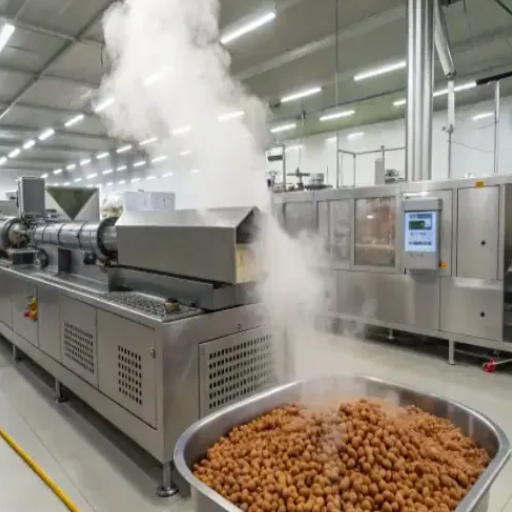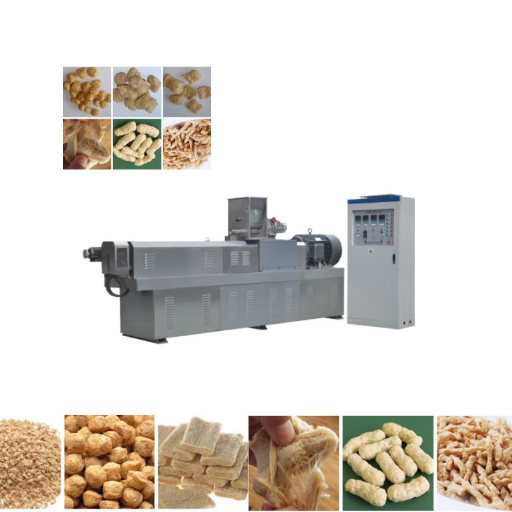
Would you like to make your pasta production process more efficient and faster? Then, investing in a top-notch pasta production line might just be the changing factor for your business. No matter if you are a small artisan or a large manufacturer, having the correct equipment is vital to not only meet the demand but also to keep the same quality and even make the best pasta for your customers. This guide will explain all the main issues concerning pasta production line investment and will enable you to take better decisions that could suit your business objectives. So, get ready to discover the secrets of pasta manufacturing that are not only efficient but also very cost-effective!
Understanding Pasta Production Lines
What is a Pasta Production Line?
A pasta production line is a particular automated system that consists of machines performing different tasks sequentially in the whole pasta making process from mixing and kneading the dough to shaping, cutting, drying, and packing. The machines are designed for different pasta types such as spaghetti, penne, or fusilli, and their operation is synchronized for efficient and consistent production. It is a mandatory investment for pasta makers in bulk production who want to keep the same quality standard.
The very first step in the process is the dough preparation, where flour, water, and sometimes other ingredients are mixed to get a uniform mixture. Then this mixture goes through the process where the equipment will either extruded or molded into the specific pasta shapes. High-end production lines also take the drying, which is a critical step for the pasta’s texture, shelf life, and quality in general, under their control. Advanced systems may sometimes include automated temperature and humidity controls to facilitate the drying process.
Today’s pasta production lines have a number of features including but not limited to efficiency, easy operation, and flexibility. They are able to process large quantities with little labor requirements making them a very affordable solution for companies that are planning to expand their operations. Moreover, many systems come with the option of personalization, consequently allowing manufacturers to create different pasta shapes and sizes according to the market demands. By choosing a high-quality pasta production line, companies will not only ensure the quality of their products but also speed up their entire production process.
Types of Pasta Production Lines
Pasta making machines or plants are normally classified into three fundamental types based on the kind of pasta they can produce and their capacity. The main components of such machines or plants are fresh pasta production lines, dry pasta production lines, and specialty or niche pasta production lines. Every single one of these has its own unique characteristics specifically beneficial to different kinds of manufacturing processes.
Fresh Pasta Production Lines
Pasta of very high moisture content, like fettuccine, ravioli, and lasagna sheets, is the main product of these lines. Such machines are usually preferred by manufacturers dealing with refrigerated products that have a shorter shelf life. Fresh pasta lines focus on very fast and accurate production processes to keep the texture and freshness of the pasta up to the required standards.
Dry Pasta Production Lines
To provide the long-lasting pasta of which the moisture content has been reduced to a minimum by exact drying methods, this type of drying technique is winning in its category. Drying of spaghetti, penne, and macaroni is one of the main uses for this category of pasta which is capable of being shelf-stable for a long time. The efficiency and maintaining of consistent quality even in high output make these systems very suitable for large-scale production.
Specialty Pasta Production Lines
These kinds of machines or plants are used to make inventive or tailored pasta shapes, colors, and compositions. They are serving the markets which are smaller but often demand gourmet pasta, organic goods, or different shapes. Specialty lines are very flexible and often come with sophisticated machinery capable of adding ingredients or performing processes that are typical for the specific market demands.
Key Components of a Pasta Production Line
A pasta production line usually has a number of important parts that aid each one to produce pasta of the highest quality. These parts are responsible for the process being smooth and quick and in addition they keep the final product consistent.
Key Insight: One of the important things that each component does is to support the pasta production process. The components make it possible for the manufacturers to satisfy customer demand, maintain food safety and have a consistent product.
Types of Pasta and Their Production
Long-Cut Pasta Production
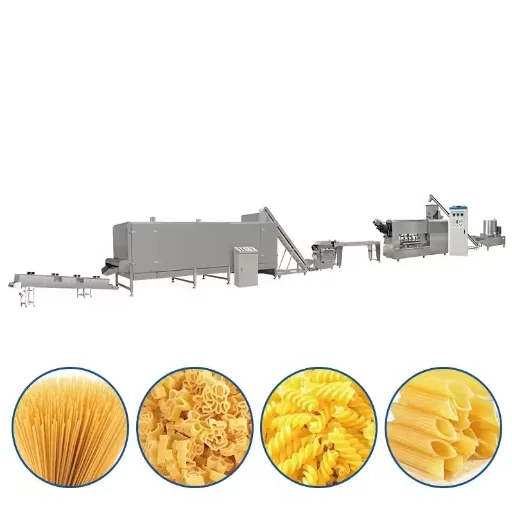
To produce long-cut pasta like spaghetti, fettuccine, and linguine the right equipment is needed to make these characteristic elongated shapes. The process starts with the dough being extruded through long and narrow dies that are made to give the product a specific size. The dough’s quality and stretch are important, as they keep the pasta flowing smoothly through the dies and avoid any breakage.
Controlled drying is applied to the pasta after extrusion and it is often done in vertical or horizontal drying tunnels. The systems are meticulously fine-tuned to preserve the length of the pasta while at the same time avoiding warping or making it too brittle. The most favorable drying conditions differ but usually involve maintaining a steady moisture reduction over a long duration to achieve storage durability.
In addition to that, manufacturers heavily depend on the latest automation and quality control technology to examine the long-cut pasta for consistency with respect to size and texture. The whole process ensures that the end product is up to the mark both in terms of the industry and the consumers, thus achieving a perfect blend of tradition and modernity.
Short-Cut Pasta Production
Short-cut pasta, as opposed to long-cut types, represents a completely different technique that utilizes maximum efficiency and offers versatility in the product’s final shape. It is the same basic steps with mixing high-grade semolina flour and water to get a homogeneous paste that the production process starts. The homogeneous paste is then pushed through molds that create shorter pasta such as penne, fusilli, or macaroni.
After passing through the molds, pasta is cut to length exactly as intended, using modern machines that guarantee uniform sizes and hence very little wastage. Drying conditions are critical factors in short-cut pasta being able to keep its structure and quality. The modern drying technology gives the manufacturers the flexibility to control time, temperature and humidity, gradually perfecting the process until the desired results are obtained without the pasta losing its texture and flavor.
Quality control has been further improved through innovations in short-cut pasta being produced. High-speed checking systems screen each piece for conformity with regard to shape, size, and density to make sure that the pasta is up to the demanding standards of the industry. The blending of old-school methods and cutting-edge technology is a testament to the ongoing progress in the pasta production sector, which assures quality and efficiency both.
Specialty Pasta Shapes and Their Machinery
Different specialty pasta shapes come and go and have been an attraction for ages, and they definitely have given rise to an extensive variety of culinary traditions and preferences. Shapes like beautifully coiled rotini and fragile orecchiette are not only to please the eye but also do have a function in the kitchen. Using the very shapes to their advantages, the pasta’s capability to cling onto sauces, squash flavors or create certain textures within a dish has been increased. Applying the art of precision engineering alongside the machinery devoted to producing these intricate designs, each piece is manufactured to precise measurements while still being characteristic of its original form.
Specialty-shaped pasta production machinery of today has been equipped with the cutting-edge extrusion technology. To create exact shapes, extrusion machines are working with dies tailored to the specific ones and at the same time, pressure and temperature modulations are controlling the pasta’s texture and structure to be the same all through. There are incidents, such as for farfalle, when extra cutting, folding, and pressing features are included in the line that forms the famous bow tie shape which, in a way, exemplifies the merging of automation and artistry in the process of production. A lot of manufacturers have embraced the computer-aided designs for making dies that not only permit to have complicated and unique shapes but also the waste of material to be minimized and the production efficiency to be optimized simultaneously.
The introduction of robotics and sensors to assure accuracy during high-speed production runs is another big breakthrough in machinery. To give an idea, laser sensors are a common means to verify the conformity and quality of the specialty shapes and these sensors can spot, for example, cracks or distortions with a split-second response. Besides that, modern machines with modular designs easily switch between different shape productions very fast, hence, they provide versatility and less downtime. The technological advancements in the field of pasta are so great that the manufacturers do not only meet the global demand of pasta but also keep the originality of the Italian art of making pasta without compromising on reliability and scalability.
Key Features of Modern Pasta Production Equipment
Automation and Efficiency in Pasta Manufacturing
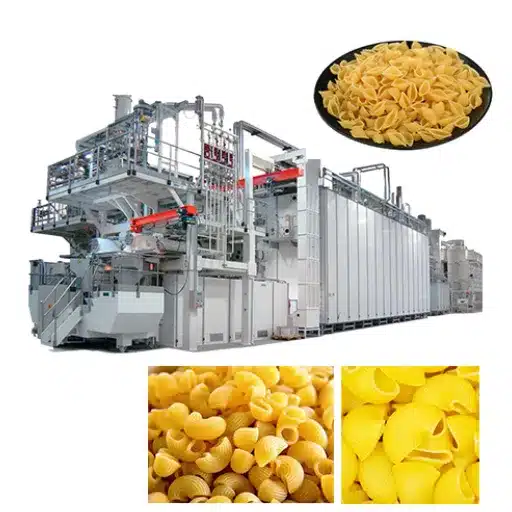
The production of modern pasta is largely dependent on automation as a means of streamlining operations and increasing overall efficiency. Automated systems take care of the different steps of the manufacturing process, namely mixing the dough, shaping it, drying it, and finally, packaging. The use of these systems not only curtails labor but also maintains the same level of quality across the products and consistency of production output. An example is a combined use of PLCs and robots which are able to perform ingredient measures with an extreme precision and shape uniformly, which are two steps to be taken very carefully in the production of high-end pasta. Consequently, less human involvement in the process of manufacturing, less human mistakes resulting in production defects and wastage.
💡 Benefits of Automation:
- Real-time monitoring and data analysis through IoT-based technology
- Continuous tracking of production parameters (humidity, temperature, machine performance)
- Better maintenance planning and predictive maintenance
- Quick identification of production bottlenecks
- Reduced production costs and energy consumption
- Lower carbon footprint through waste minimization
The synergy created with the installation of modular machinery and smart solutions takes the effectiveness of the whole process one step higher. A modular design allows for easy and quick switching of production lines from one type of pasta to another so that the firm can meet the needs of different markets according to their specific size and shape. At the same time, intelligent software contributes by enhancing the areas of scheduling, inventory control, and supply chain coordination to ensure that goods are delivered on time without situations of too much stock or stock-outs. The combination of these features helps pastry manufacturers not only cope with the increasing demand for pasta in world markets but also do it without giving up on the quality or the tradition. The continued investment in automation and technologies that are efficient and come with a lesser carbon footprint has led the pasta industry to get transformed into a sector that is more sustainable, wider in scope, and more innovative.
Energy Efficient Pasta Machines
In the pasta industry, the energy efficiency chase culminated in the creation of state-of-the-art pasta-making machines that use hardly any energy in comparison to the conventional ones. These machines utilize the latest insulation technology and energy recovery systems to the point of almost complete elimination of heat loss and highest operational effectiveness. To illustrate, the use of VFDs at the motor is among the modern technology mentioned; it enables control over the motors with no energy waste in the timing of production peaks and lulls. Many energy-efficient pasta machines, in fact, use heat exchangers to reclaim waste heat, thus the energy demand is reduced even further while the quality of the product remains unchanged.
Not only do these improvements contribute to the ecological balance but they also provide the pasta industry with the opportunity to win economically. Manufacturers will be able to lower operating costs and increase profits by consuming less energy. A manufacturer, for example, can switch to a drying system controlled by automated systems that optimize the process—one of the most energy-intensive steps in pasta production and thereby, he/she will see a significant reduction in energy expenses. Besides, some machines come with IoT-enabled monitoring that supplies instantaneous energy usage data, which helps operators to spot problems and take corrective actions promptly.
🌱 Sustainability Incentives
The regulatory standards for sustainability targets have also influenced the use of energy-efficient machines in the pasta sector. Tax rebates and grants are some of the incentives that governments and organizations across the globe provide to the companies that opt for green manufacturing technologies. Such incentives not only speed the modernization of the plants but also help the companies to diminish their environmental impact along the way. The chopping of energy consumption by combining these energy-efficient technologies with renewable energy sources like solar or wind power will push the pasta industry to make big progress towards sustainability without sacrificing tradition, and profits, and compromising on eco-friendliness.
Quality Control Mechanisms in Equipment
The modern pasta manufacturing machine reliability and safety levels plus the quality of the output not only rely on but also gradually depend on quality control mechanisms. Real-time monitoring and feedback during each manufacturing process step are made possible by advanced high-tech checking systems that are built into the manufacturing machines. The systems comprising sensors and automation are used to identify any possible deviations in the characteristics of the product such as the dough’s quality, the drying temperature, and cutting accuracy. By the way, laser-based optical scanning devices can spot even the smallest differences in the shapes of pasta, and thus, every production batch can be guaranteed to have the same quality. The manufacturers that have automated their process of quality control are the ones who have minimized the human factor of error and increased the efficiency of the process as well.
Maintenance and Support for Pasta Machinery
Routine Maintenance Tips
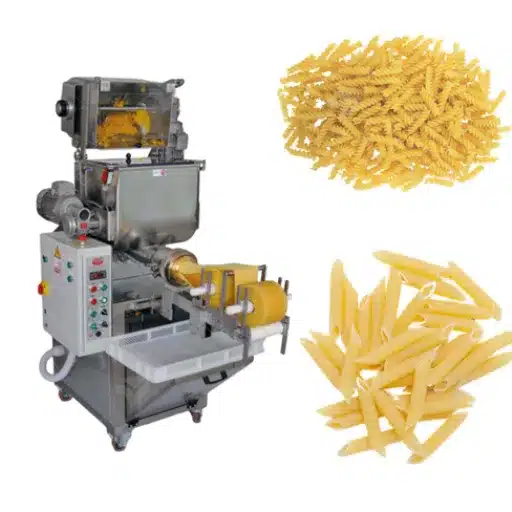
Proper pasta machine maintenance is very important if one wants to keep the machine efficient for a long time, and also prevent it from breaking down unexpectedly. First of all, always observe the cleaning and lubrication schedules recommended by the manufacturer. Then, do regular inspections of the moving parts of the machine, the parts most affected by the mechanical stress, such as belts, gears, and cutting components, very carefully looking for signs of wear. Do not wait for parts to get completely worn out, do promptly replacements to prevent further damage to the equipment. Besides, the operator should be certain that safety guards and interlocks are working well to prevent accidents during the operation.
📋 Maintenance Checklist
- Daily: Clean removable components (dies, rollers) with food-safe cleaning products
- Weekly: Inspect moving parts (belts, gears, cutting components) for wear
- Monthly: Follow manufacturer’s cleaning and lubrication schedules
- Quarterly: Conduct calibration checks for dough thickness and cutting dimensions
- Ongoing: Update software and run diagnostics on automated systems
- Always: Maintain detailed records of all maintenance activities
⚠️ Important: Avoid using abrasive materials during cleaning that might damage machine surfaces or reduce their effectiveness. Always conduct thorough inspections during cleaning to identify signs of corrosion or cracks early.
Supplier Support and Warranty Considerations
When investing in machines for pasta, it is incredibly important to choose a supplier that undertakes to provide complete support and offer terms for the warranty that are definitely reliable, so the success will be guaranteed on a long-term basis. Carrier support commonly covers different categories, among them installation, operator training, and troubleshooting guidance, which together assure the smooth integration of the machinery into the production flow. Some suppliers that have a good reputation also inform about the user manuals and give ongoing service teams access for the purpose of resolving unforeseen issues. The support of such a high level not only the downtime but also the overall lifespan of the equipment.
Reliable supplier support and good warranties together make it possible to have a trouble-free production and at the same time reduce the risks related to very expensive maintenance or changes in the equipment. The supplier also extends his hand to the manufacturer through strong customer support, which is a great advantage in the cooperation between the two parties. The partnership may yield better production, more access to the latest upgrades, and finally, to the solutions that are customized to the changing production demands. Thus, the manufacturers who are making the quality supplier support and warranty considerations invest are the ones that lay the ground for sustained profitability alongside consistent product quality.
Industry Trends in Pasta Manufacturing
Advancements in Automation Technology
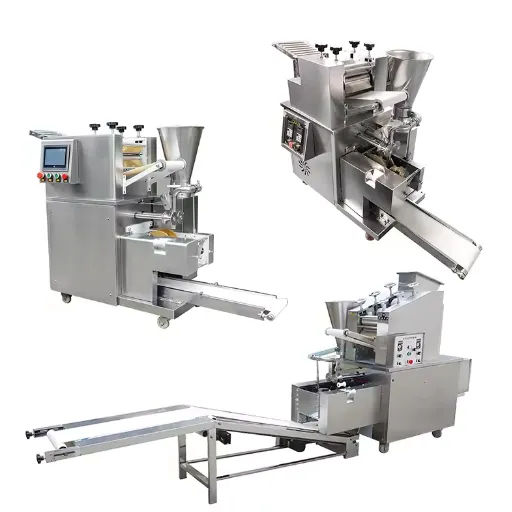
The pasta production industry has undergone a drastic transformation by adopting highly automated advanced technology. In the past, manual labor was one of the major contributors of the production process, but now it has been almost completely removed as systems utilizing control mechanisms with precision for monitoring and controlling the entire process from start to finish have been introduced. The technologies implemented include programmable logic controllers (PLCs) as well as sophisticated robots that help manufacturers to perform the production process more efficiently and at the same time keep the product quality consistent. As an example, modern extrusion plants are fitted with automated tools that can change to the varying production requirements thereby making sure that the dough is equally mixed, and even cutting is done. This process quickens the production cycle and at the same time reduces waste resulting in a change of cost as the famous saying goes “to make hay while the sun shines” so adopting such innovative practices means that a manufacturer will constantly be cutting production costs down.
🤖 Key Automation Technologies
- Artificial Intelligence (AI): Machine learning algorithms monitor and predict equipment performance for predictive maintenance
- Data-Driven Insights: Real-time operational data analysis enables automated predictive maintenance protocols
- Supply Chain Tracking: AI systems track product movement for improved traceability and safety compliance
- Internet of Things (IoT): Network of IoT-enabled devices provides constant updates on system performance and product quality
- Smart Sensors: Monitor temperature, humidity, and ingredient ratios with unprecedented precision
Not only at the manufacturing level but also the Internet of Things (IoT) is changing the manufacturing landscape dramatically. The devices that are IoT-enabled work as a network throughout the production line, and they provide constantly updated information about how the system is performing and the quality of the product. Smart sensors check parameters like temperature, humidity, and ingredient ratios with a degree of precision never before achieved, thus, making it sure that every batch of the product meets the quality standards laid down earlier. Automation technology is continuously innovating, and manufacturers of pasta will be the ones to benefit the most from it since they will be able to remain in the game, meet the market demand, and improve their production capacities limitless and in an eco-friendly way.
Future of Energy Efficiency in Pasta Production
Improving energy efficiency in pasta production has become a key objective for manufacturers who want to cut down on production costs and lessen their impact on the environment. The use of modern technology, such as energy-efficient drying equipment and more efficient heat recovery systems, is changing the way energy is consumed in the factory. A case in point is that the heat that was previously being wasted during the drying process can now be captured and reused, thus cutting down total energy usage by a large margin. Not only that, but also by using renewable energy sources, such as solar or biomass, pasta making can be carried out in a much more eco-friendly way and at the same time, the consumption of fossil fuels can be reduced.
⚡ Energy Efficiency Strategies
| Smart Energy Management | Real-time data optimization of energy requirements throughout production |
| Industry 4.0 Technologies | IoT and AI for continuous monitoring and process improvements |
| Circular Economy Models | Supply chain optimization and greener packaging solutions |
| Renewable Energy Integration | Solar, biomass, and other renewable sources to reduce fossil fuel consumption |
Furthermore, the amount of energy saved will be greatly affected by cooperation in the pasta industry. Besides setting up a sustainable growth framework through sharing of expertise, research and development investment, and the like, one such collaborative effort among industry players could be through the promotion of circular economy models in the markets. Actions aimed at enhancing energy efficiency are not just limited to production lines but are also involved in every value chain stage starting from supply chain optimization to greener packaging solutions. The bright side is that not only will pasta makers using the latest technology and collaborating among themselves be able to meet the present day sustainability requirements but they will also be able to claim to be among the environmentally friendly food production lots.
References
-
Cornell University – Kitchens/Co-Packers: Provides insights into co-packing services, including pasta sauces and related products.
-
Kansas State University – The Restructuring of Dakota Growers Pasta Company: Discusses pasta manufacturing capacity and production line expansions.
-
National Center for Biotechnology Information (NCBI) – Carbon Footprint and Production Cost Comparison: Analyzes production costs and environmental impacts of pasta manufacturing.
- Click here to read more.
Frequently Asked Questions (FAQ)
❓ What is a pasta production line for sale and what is its main purpose?
A complete production setup offering equipment for the production of pasta products, from the mixing to extruding and drying and packaging machines, is called a pasta production line for sale. The main purpose of the pasta production line is to make efficient production of the different types of pasta, whether it is short cut pasta production line or automatic long cut, with production quality that is always the same, with production capacity in an hour that is also scalable.
❓ Which types of pasta shapes and pasta products can a commercial line produce?
Interchangeable dies and molds allow modern industrial pasta lines to produce a wide variety of pasta shapes including macaroni, spaghetti and even gluten-free pasta distinguished by a range of professional and Italian pasta varieties. They can produce both short and long shapes, thus allowing a range of pasta types to be prepared for the retail or wholesale markets.
❓ What components make up a fully automatic pasta production line for sale?
A typical fully automatic pasta production line would have a system of mixers to the line that produces dough, extruders or sheeters, cutting or forming units for different pasta shapes, drying tunnels for pasta, packaging machines and control panels. Equipment in the production of automated pasta has consistent quality, less labor involved and smooth production workflow as a result.
❓ How do production capacity options differ and what is measured in production capacity in an hour?
Pasta production lines produced for whole ranges come with various type of production capacity, from small pilot units to large spaghetti production line factory scales. Hourly production capacity is usually given in kilograms or tons produced per hour and highly dependent on the size of the equipment, number of extruders and degree of automation. Different capacities are listed by suppliers so that the system equipped with the pasta production line can be selected based on the output goals.
❓ Can a pasta production line handle alternative ingredients like durum wheat or gluten-free formulations?
Yes. Many pasta manufacturing process systems are designed to work with durum wheat semolina for traditional Italian pasta, while others are adapted for gluten-free pasta and new pasta formulations using rice, corn or legume flours. Equipment adjustments and recipe controls are required to maintain shape of the pasta and drying profiles for pasteurized or gluten-free pasta products.
❓ What should I consider if I want to open a pasta factory using a pasta production line for sale?
The range of pasta types you’ll produce (spaghetti production line factory vs short cut pasta), the production capacity in an hour you need, space for complete production flow, utilities, storage and packaging machines, compliance with food processing regulations, and after‑sales services such as machinery repair shops are all things to consider when planning to open a pasta factory. Professional pasta output and quality in the production depend on selecting the right equipment for the production goals.
❓ How do pasta drying and packaging integrate into an efficient production line?
Drying is a critical step to dry the pasta uniformly — drying tunnels are tuned for different types of pasta shapes and moisture targets. Packaging machines follow drying, weighing and quality checks to prepare products for shipment. An integrated automation system equipped pasta production line synchronizes extrusion, dry the pasta stages and packaging to ensure efficient production and consistent finished products.
❓ Are there specialized lines for spaghetti or long-cut pasta like Loyal’s spaghetti production line?
Yes. There are dedicated spaghetti production line factory models and automatic long-cut pasta lines optimized for production of long shapes, including professional spaghetti pasta. Some manufacturers offer branded or model‑specific lines (e.g., Loyal’s spaghetti production line) that focus on efficient production of long-cut pasta and related topics about spaghetti such as drying length and packaging formats.
❓ What after-sales and maintenance services are typically available for purchased pasta making equipment?
Suppliers of pasta production lines usually provide installation, training, spare parts, technical support and access to machinery repair shops. For industrial pasta operations, ongoing service agreements, remote diagnostics for the automation system, and availability of replacement dies and parts help maintain high quality in the production and minimize downtime for complete production systems.