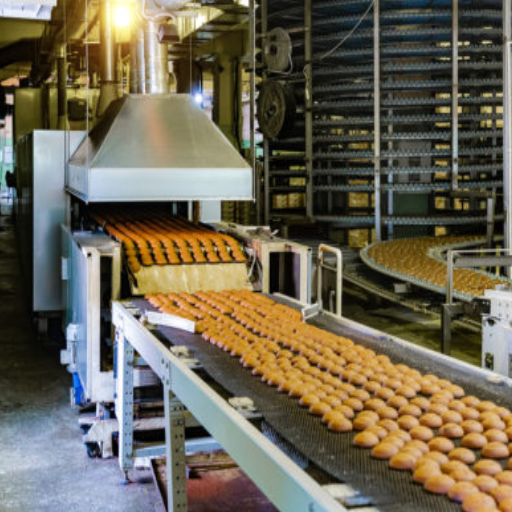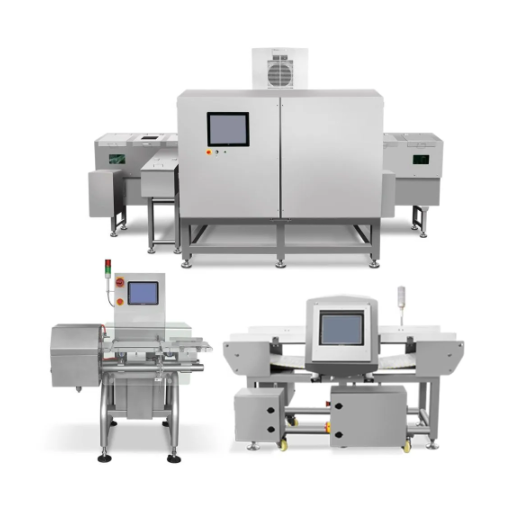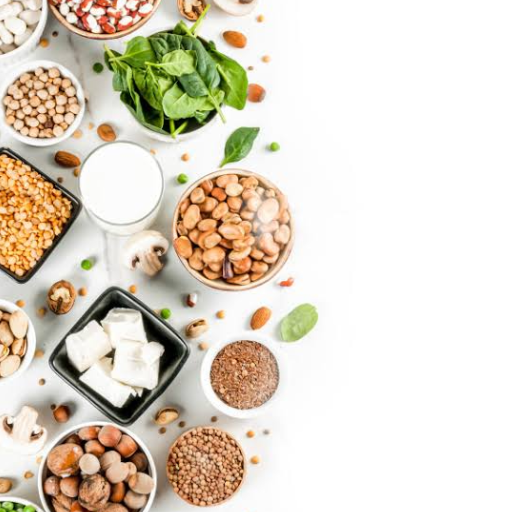
In the competitive world of the snack bar industry, innovation and efficiency are the main factors that determine success. Manufacturers face constant pressure to meet market demands with futuristic products due to changing consumer tastes and an increase in demand for healthy, diverse, and sustainable options. This article introduces the latest technological advancements and insights that are influencing the production of snack bars, including cutting-edge technology and robotics, along with strategies for optimizing production processes, enhancing product quality, and much more. This guide presents valuable takeaways to help you elevate your manufacturing technique, whether you want to increase production speed, minimize waste, or follow market trends. Prepare yourself to see how innovation is changing the future of snack bar production.
Overview of Snack Bar Production
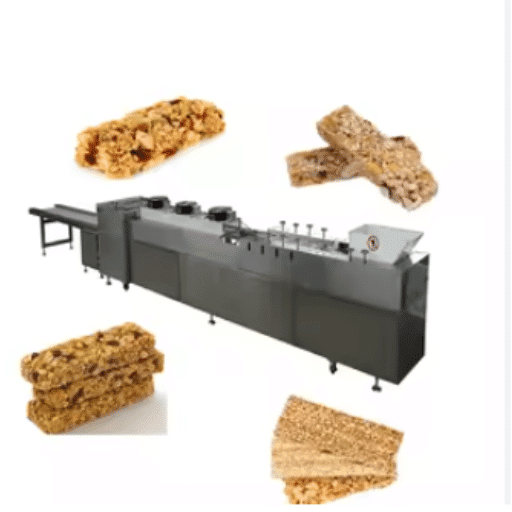
Snack bar manufacturing consists of a smooth process of mixing, forming, and packaging that enables the production of uniform and top-quality items. The main activities performed are the preparation of ingredients that involve very precise measurements for the correct balance, then mixing and blending to get the right textures and tastes. The next step after mixing is product molding or cutting according to the type of snack bar. The final operations consist of coating (if necessary), cooling and safe packaging to preserve the product’s quality and lifespan. Throughout the production process, efficiency, quality control, and compliance with safety guidelines are paramount in order to satisfy both consumers and industry standards.
Definition and Types of Snack Bars
Snack bars are handy and portable food items that are intended to offer rapid energy or nutrition. They are usually made up of grains, nuts, seeds, dried fruits, and sweeteners, which together provide a nice mixture of taste and functionality. The most popular types of snack bars include:
- Protein Bars: Specifically made for fitness individuals that require high protein content
- Granola Bars: Famous for their combination of oats and honey
- Energy Bars: Designed to provide energy for physical activities
- Meal Replacement Bars: Higher in calories and nutrients to take the place of a full meal
Importance of Snack Bars in the Food Industry
Snack bars, owing to their convenience, versatility, and accuracy in reflecting changing consumer preferences, have turned out to be one of the most important parts of the food industry. They are a response to the need for nutrition that can be consumed while on the go and, thus, are a quick and portable solution for busy people who want to keep energy levels high and meet their dietary needs. On top of that, snack bars are in line with prominent market trends such as health-conscious eating, which is one of the reasons why the industry is growing. They feature natural ingredients, high protein, and offer functional benefits. Their ability to cater to different consumer tastes makes snack bars a supporter of industry growth, attracting consumers from all walks of life, including fitness fanatics and casual snackers.
📊 Key Market Trends
- Increasing acceptance of plant-based and high-protein bars
- Growing demand for natural, clean-label ingredients
- Functional benefits like added vitamins or digestive support
- Sustainable packaging and ethical sourcing practices
Trends in Snack Bar Consumption
Consumer demands for snack bars have been heavily impacted by a shift in the direction of health-conscious and easy-to-eat food choices. Among the most prominent consumer trends are the increasing acceptance of plant-based and high-protein bars, which are specifically aimed at vegan and health-conscious people respectively. Moreover, the use of natural, clean-label ingredients along with functional benefits, like added vitamins or digestive support, have become important factors for buyers. Besides that, consumers are also driven by sustainable packaging and ethical treatment of suppliers, which all point to increasing concern over environmental impact. These changing trends are quite illustrative of the way snack bars are able to adapt in order to satisfy the varied and ever-changing needs of consumers.
Bar Production Line Process
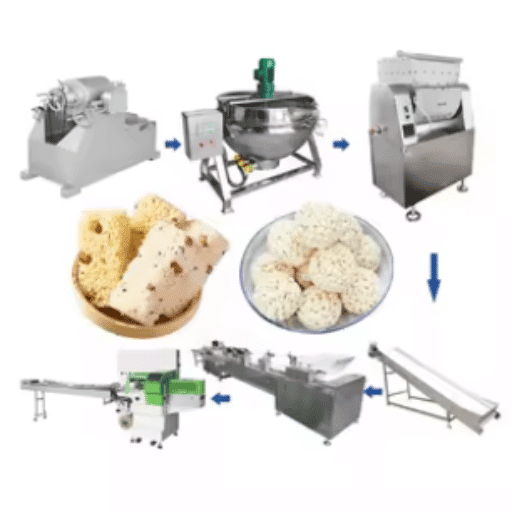
Production Stages
1. Ingredient Preparation
The raw materials for the snack bar are weighed and mixed, accomplishing the first stage of bar production. This usually involves the incorporation of dry and wet ingredients to get the right consistency.
2. Shaping and Forming
With the help of machines, the prepared mixture is shaped into bars. This operation provides the different bars with identical size and shape, thus ensuring quality consistency.
3. Coating (Optional)
The bars are coated with chocolate, yogurt or some other finish to make their flavor and texture more appealing if this is a requirement. Often, this step is used for premium or dessert-like snack bars.
4. Cooling and Solidifying
The formed and coated bars go through a cooling system that stabilizes their structure and makes sure they are able to keep their form and integrity during packaging.
5. Packaging
The bars are packaged securely once they are cooled down to protect their freshness, prolong their shelf life, and meet safety regulations. The packaging may include individual wrapping and, if applicable, grouping into multipacks.
Components of a Bar Production Line
A bar production line usually comprises a few essential parts aimed at maximizing efficiency and monitoring quality. They are as follows:
Every individual component contributes to smooth production transfer and delivery operations of the finest available finished products.
Flow of Production in Manufacturing Facilities
In most manufacturing plants, the production flow is done according to a set of rules, which helps to keep efficiency and uniformity. The whole process starts with the raw materials being prepared, and then blending and forming operations take place to get the product in the right shape and of the right composition. After that, coating and cooling processes are used to make the product more appealing in terms of taste and texture, and at the same time, to make it more stable structurally. The last stage involves the products being packaged in such a way that they are also sealed and their quality meets standards. This streamlined process not only produces high-quality end products but also does it within the finest timeframe.
Small-Scale Snack Bar Production Line
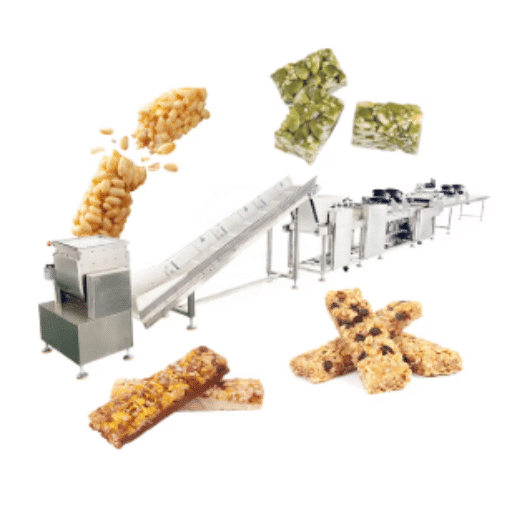
A small-scale snack bar production line is equipped to meet lower production volumes but still provide the same quality and consistency. Usually, it consists of compact, flexible machines that take care of the main processes of snack bar production. The main parts of this type of production line include:
- Mixing Equipment – Unites the raw materials in an efficient manner so that the taste is the same for every batch
- Forming and Shaping Machines – Crafts the blend into bars of different sizes and styles as per the order
- Cooling Conveyor – Bars are allowed to cool down and solidify; thus, their shape is maintained until they get packaged
- Packaging Unit – Each bar is wrapped separately or they are put together in sets, keeping the product fresh and providing tamper-proof sealing
Such production lines are very advantageous for small businesses and start-ups, for artisans or companies testing new products, as they provide the option of scalability and easy customization without requiring large factory spaces.
✓ Advantages of Small-Scale Production
- ✓
Cost Efficiency: Requires less capital and running costs compared to large-scale factories - ✓
Flexibility: Makes it possible to change product lines quickly and personalize them depending on market trends or client needs - ✓
Quality Control: Easier to control product quality with smaller batches, thus maintaining the same high standards - ✓
Reduced Waste: The method discourages overproduction, reducing material wastage and being more environmentally friendly - ✓
Scalability: Production can be slowly increased together with demand, ensuring that new producers’ risks are minimized
Essential Machinery for Small-Scale Lines
- Mixers and Blenders: Perfectly suitable for fast raw materials mixing with the same quality throughout
- Filling Machines: Empower precise dispensing and filling to safeguard quality and decrease waste
- Labeling Systems: Help product identification and branding in a more efficient way with uniform label application
- Packaging Equipment: Provides secure and quick product packaging that guarantees no damage during shipping
- Quality Control Tools: Have testing tools for weight, measurements, and product quality to maintain high standards
Hygienic Design Considerations
Hygienic design is a necessity in the fight against contamination and the protection of food during processing. Among the considerations are the necessity of using materials that will not be harmful, that will resist corrosion, and that will be easy to clean. Equipment should have smooth surfaces, and there should be a limit to how many crevices there are so that bacteria are not allowed to build up and sanitation is facilitated. Proper drainage, accessibility for maintenance, and compliance with industry regulations are ways hygiene and operational efficiency are further improved.
Automatic Snack Bar Manufacturing

The automated production of snack bars is a process that makes use of integrated machines to streamline the entire production from the preparation of ingredients to the packaging of the final product. These systems are intended to minimize manual activities completely and offer the maximum possible efficiency, consistency, and hygiene at the same time. The key phases of the production process are:
⚙️ Automated Production Phases
- Mixing and Forming: The ingredients are combined and automatically shaped into bars that have the same quality by using rollers and molds. This guarantees the uniformity of size and texture.
- Cutting: Machines for precision cutting operate so that the bars are cut into pieces that have the desired measures, which results in even more product uniformity and less waste.
- Cooling or Baking: Depending on the type of product, the bars are either cooled or baked which not only gives them the required texture but also increases their shelf life.
- Packaging: Packaging machines operate so that each bar is sealed in a very short time and in a very sanitary manner, thus preserving the bar’s freshness and also complying with industry standards.
With these processes, manufacturers can not only double their production but also cut operational costs and still maintain the same quality of products. This strategy is very suitable for the production of large quantities and at the same time very effective in meeting market demands.
Benefits of Automation in Production
Production automation has various benefits, among which the most important are increased productivity and uniformity in production processes. By doing away with manual work, automation greatly reduces the possibility of mistakes, thus improving product quality and, at the same time, letting manufacturers have complete control over the process. Moreover, it cuts down labor costs significantly while increasing production, so that companies can quickly satisfy market demand. What is more, automated systems authorize the industry to be more flexible in scaling production up or down, while also providing a safer working environment, thus they are the backbone of the modern manufacturing sector that wants to be among the contenders.
Latest Automatic Machines in the Market
The current market is abundant with a variety of advanced automatic machines, which are specifically made to facilitate different manufacturing processes. Notable examples include:
- Robotic Arm Systems: Capable of performing precise assembly tasks
- CNC Machines: For the automation of machining and fabrication
- Industrial 3D Printers: For rapid development of prototypes
- Packaging Machines: For efficient product handling
- Smart Conveyor Systems: Increase productivity through deployment of advanced technologies
- AI-Powered Quality Control Machines: Utilize machine learning and IoT for real-time monitoring and optimization
Besides boosting efficiency, these machines also play a role in the minimization of non-productive time and the attainment of greater accuracy in production.
Case Studies of Successful Automated Lines
Consumer Electronics Manufacturer
A top consumer electronics producer incorporated AI-powered quality control systems along with automated packaging systems. The combination of these two processes decreased defect rates by 30% and increased production speed by 40%, thereby referring to a substantial gain in overall efficiency and customer satisfaction.
Automotive Industry Innovator
A producer of automotive parts took advantage of smart conveyor systems and industrial 3D printers for rapid prototyping, thus the lead time was cut by 50%. By using IoT-enabled monitoring, they got real-time troubleshooting and consequently reduced downtime by 25%.
Food and Beverage Company
A worldwide food and beverage company installed automated filling and packaging machines coupled with machine learning technique for predictive maintenance. This initiative led to an increase in output consistency and a reduction in operational costs by 20%, thus making it possible for the company to deliver the product to the market faster.
Industry Insights and Resources
📚 Reference Sources
GoBTE – Setting Up Your Health Bar Production Line
Emphasizes the necessity of knowing the preferences of the target audience, for instance, whether the audience leans toward plant-based or low-carb snacks.
Cargill – The Bar Boom
Points out that millennials and young families are the main consumers of the upcoming trend of healthier snacking.
Loyal Food Machine – Everything You Need to Know About Snack Bar Production Line
Discusses how today’s snacks bars production lines can be flexible and scalable enough to change with consumer preferences in the future.
Frequently Asked Questions (FAQs)
🚀 Ready to Transform Your Snack Bar Production?
Whether you’re starting small or scaling up to full automation, understanding the right production line components and processes is crucial for success in the competitive snack bar industry.
Stay ahead of market trends, invest in quality equipment, and prioritize efficiency to create products that meet modern consumer demands.