The tortilla chip is maybe the only food that is more iconic and widely appreciated than the other. Served next to a bowl of fresh guacamole, topped with melted cheese for nachos, or just mixed with your favorite salsa, tortilla chips are now considered nothing less than a must-have in both the snack-time and Mexican food traditions. But, have you ever thought about the art and science involved in making these crispy, golden wonders? Or how these chips in a way reflect the rich history and the lively flavors of Mexican cooking? The guide is going to take you on a flavorful journey where you will discover the traditional methods of making tortillas to the modern innovations that have influenced the production of tortilla chips. You can be a home cook who wants to get the recipe just right, or exactly the opposite – a food lover who is simply interested in knowing more. In any case, this thorough guide will be your ultimate source for the knowledge of tortilla chips and the culinary culture that they denote.
Understanding Tortilla Machines
Types of Tortilla Machines
The various tortilla machines can typically be classified into three main groups depending on their intended use and size: manual machines, semi-automatic ones, and automatic ones.
- Manual Tortilla Machines: The manual kind is a compact and easy-to-use device that is often intended for small-scale use, mainly in home kitchens or small restaurants. The users have to hit the dough with their hands, which makes them suitable for people who prefer a more traditional, hands-on experience. The machines are not very expensive and are easy to service but, at the same time, they can no longer handle high production needs.
- Semi-Automatic Tortilla Machines: Semi-automatic machines are characterized by the mixing of manual input together with mechanical support. Some businesses like family-run restaurants typically use these machines. Not only have they increased the production rate significantly but they are also cheaper than fully automatic ones at the same time.
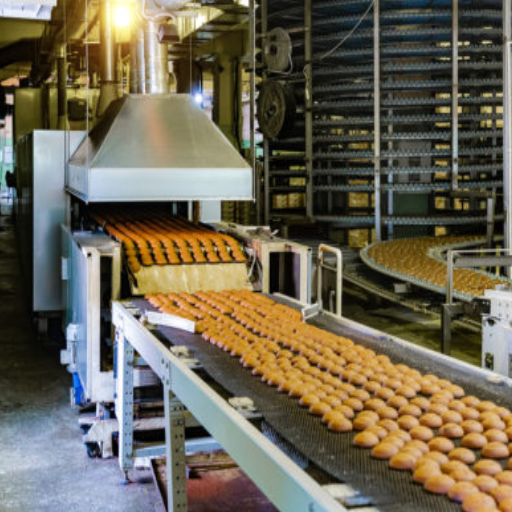
- Fully Automatic Tortilla Machines: Fully automatic machines are the ones that can be seen in large-scale production and commercial factories. Basically, these machines take on the whole tortilla-making procedure from dough pressing, cooking, and cooling without requiring any user interaction at all. Such machines may be costly but the speed and uniformity they offer are sufficient reasons to make them indispensable for companies that have high demand.
The decision regarding the most appropriate tortilla machine to buy is based on production scale, and budget among others factors that are specific to the business. When you comprehend these categories, you can make a better choice when it comes to selecting the right machine for your need.
How Tortilla Makers Work
Tortilla makers use automation technology to carry out the entire process of making tortillas in an even manner regarding size, thickness, and texture. The procedure starts by the operator introducing dough or masa into the machine that will eventually become uniformly round tortillas. The machine divides and flattens the dough into circles automatically. This takes away the heavy-duty labor that comes with rolling or pressing typically done in manual tortilla-making.
The tortillas get shaped, then the machine would transport the tortillas past the heating elements one by one. The heating elements with their combined heat treat the tortillas so that they are ready for eating from both sides and the right texture and taste are achieved. Most machines provide options for varying cooking settings, including temperature and time, thus users can personalize the outcome to fit their needs.
The tortillas are pastern then next they are cooled and stacked which means they are ready now to undergo either packet or served. High end models may have special features such as cooling conveyors and stacking systems upgrades that let the manufacturer to step up the pace of production even more by making it effortless. The blending of shaping, cooking, and cooling into one workflow saves the manufacturers’ time by taking away the need for human labor thus making the process suitable for both artisan and industrial tortilla productions.
Benefits of Automatic vs. Manual Machines
Automatic tortilla machines present notable benefits over the traditional manual method, especially in terms of efficiency and productivity. Time required for the different stages like shaping, cooking, and cooling of tortillas is cut down significantly. Apart from that, unlike manual processes which require a lot of labor, automatic machines will be able to perform the same tasks quickly while ensuring equal quality and precision. As a result of this time consuming and labor cost saving operation, automatic machines are going to become a very practical choice for business enterprises that plan to scale their operations as labor costs will be less in the end.
Another great upside is sameness. Automatic machines turn out tortillas that are the same in size, thickness, and texture – something very difficult to accomplish by hand. This uniformity is helpful to manufacturers in terms of product reliability, consumer satisfaction, and quality requirements. In addition, the automation minimizes mistakes made by workers which may result in less defective products or wasted resources in the manufacturing process.
Finally, the production capacity of the automatic machines is in line with the demand of the market, while the manual process cannot keep up with such demand. The factory that wants to produce tortillas on a large scale will reap the benefit of quick turnaround times through workflow automation and hence will be able to easily satisfy the growing market demand. The realization of such efficiency and scalability pushes manufacturers towards investing in automatic machines so as to not lose out in the competitive food industry.
The Art of Tortilla Making
Ingredients: Corn vs. Flour
Corn tortillas are made from whole grains with fewer calories and more fiber, while flour tortillas are softer and made with refined flour.
|
Key Point |
Corn |
Flour |
|---|---|---|
|
Base |
Whole grain |
Refined flour |
|
Calories |
Lower |
Higher |
|
Fiber |
More |
Less |
|
Texture |
Firm |
Soft |
|
Taste |
Earthy |
Mild |
|
Gluten-Free |
Yes |
No |
|
Use Case |
Traditional dishes |
Versatile |
|
Health |
More nutritious |
Less nutritious |
Step-by-Step Tortilla Production Process
- Mixing the Dough: The process of making tortillas starts with a combination of the main ingredients. For corn tortillas, masa harina is usually mixed with water while flour tortillas need all-purpose flour, water, salt, and fat like lard or vegetable oil. Dough’s consistency is the most important factor because it should not be so dry that it cannot be formed or so sticky that it cannot be worked with.
- Kneading the Dough: After mixing the ingredients, the dough is kneaded very well. This step gives the dough elasticity and guarantees that the ingredients are distributed evenly. Often, machines are used to do this step quickly and easily, thus taking less time and less effort than could be done manually.
- Portioning and Pressing: The dough is cut into equal parts, and each piece is shaped into a circle of the required size. Corn tortillas are usually pressed with a tortilla press, while flour tortillas can be rolled out to a thinness. Besides the technological advantage of being able to perform both portioning and pressing at rapid speeds, the output is uniform, which is an essential factor in high-volume production.
- Cooking the Tortillas: After being pressed, tortillas are cooked very briefly on a hot surface that can be a griddle, conveyor belt grill, or something else, with specific temperatures. They are turned over to cook the other side evenly, and they get the classic spots that say they are cooked right. Automation gives the advantage of timing and temperature being consistent, thus no problem of either undercooking or burning.
- Cooling and Packaging: Tortillas, after being cooked, should go through cooling to avoid condensation occurring during packaging. The cooling tunnels of modern production lines are the ones that serve this stage most often and in the most efficient way. The tortillas will have been cooled when they are checked for quality and packed to keep the freshness with the options for either prompt distribution or a longer shelf life.
The tortilla production process is through these steps a mingling of tradition and innovativeness. Manufacturers can now strike the right balance between the high-volume production requirement and the authentic artistry of the tortilla making process by making use of modern machinery and precise techniques.
Tips for Perfect Tortilla Texture
Getting the perfect tortilla feel involves very delicate ingredients, technique, and cooking condition management. The first thing to do is to choose good flour or masa harina, because the quality of the base material strongly affects the final product. For instance, if you are making tortillas out of flour, then the right amount of fat, lard or shortening, will get you the desired flexibility and softness. Tough tortillas can be caused by over-mixing if you are mixing the dough, as this will lead to more gluten being formed and thus more toughness.
The factors of humidity and temperature are very important, almost like gods, for consistency in the cooking process. You should heat the skillet or comal to medium-high before putting the tortillas and then be careful not to over-cook them as this can make the texture of the tortillas dry or hard. Flipping at the right time is also very important; wait until bubbles come up and slight browning occurs before turning.
As a final point, once your tortillas are cooked, keep them wrapped in a clean cloth to keep their moisture and hence their softness. A tortilla warmer can be very helpful in keeping the tortillas warm and soft. Thus combining the best ingredients with the right details during the preparation, you will get the consistently soft and flavorful tortillas that are suitable for any meal.
Tortilla Chips: From Dough to Snack
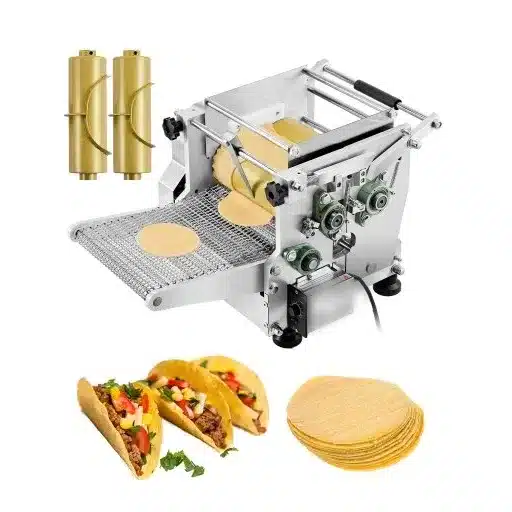
Transforming Tortillas into Chips
Transforming tortillas into crunchy, golden tortilla chips is an easy and yet very enjoyable food process. To start, select freshly made or shop-bought tortillas, preferably corn ones for the most original taste and texture. With the help of a sharp knife or a pizza cutter, cut the tortillas into triangles of the same size—usually quarters or sixths, according to the size of the chip you want.
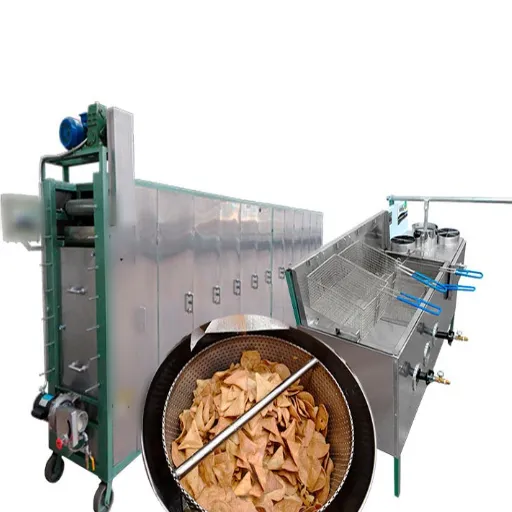
Next, select a frying method; the most common way to cook chips is to submerge them in oil at about 350°F (175°C). Little by little, make sure the tortilla pieces do not stick together, then place them in the oil and cook for 2-3 minutes or until they are nice and crispy. To make it healthier, you can coat the tortilla pieces very lightly with oil and put them in the oven at 375°F (190°C) for round 8-10 minutes or until they are crispy, but don’t forget to flip them halfway through cooking.
Once the chips are done, take them from the oil or oven and immediately sprinkle them with salt or your favorite seasoning mix while they are still warm. Let the chips cool down a bit on a plate lined with paper towels before you serve them. The hot tortilla chips just made have no competition regarding their crunch and taste; they are just like heaven when dipped in salsa, guacamole, or queso!
If you modify the classical methods with modern tools or techniques, even the first-time cooks will be able to prepare tortilla chips in a way that they will be hard to tell apart from those bought in a store, as they will be equally fresh and tasty.
Choosing the Right Oil for Frying
Most times when I have to select the oil for frying, I start from its smoke point. The smoke point is the temperature at which the oil begins to decay and at the same time emit smoke, which will negatively affect the oil’s taste and safety. For frying tortilla chips, I go for oils with high smoke points, such as canola, vegetable, or peanut oil, since they can stand the heat needed for the frying without burning or giving an unpleasant taste from the oil.
Besides smoke point, I also consider the oil’s flavor. Using neutral oils such as canola or vegetable oil will keep the chips’ corn flavor intact and avoid mingling with any strong or even distinct taste. In some situations, I might choose peanut oil if I want to introduce a note of nuttiness. On the other hand, I steer clear of strongly flavored oils, like extra virgin olive oil, because they often cover up the natural taste of the chips.
Moreover, I’m also thinking about the health issues related to the oil and if it is available. Some oils, like avocado oil, have health benefits but they may be more pricey and difficult to find. For a mix of affordability, health consciousness, and good results, I generally use canola or vegetable oil. Considering all these points, I am able to pick the right oil that ensures the perfect fried tortilla chips every single time.
Creative Flavor Variations for Tortilla Chips
Tortillas are a versatile staple in Mexican cuisine, lending themselves to a variety of beloved dishes that showcase traditional flavors and textures. Here are some classic recipes that highlight the incredible potential of tortillas:
- Lime and Chili Hot: Mix together lime zest and a little bit of chili powder for a tasty combination with a kick. The citrusy taste makes the chips crunchier and the chili gives them warmth that is not so strong.
- Cheesy Garlic: Dissolve finely grated Parmesan cheese and garlic powder in the melted butter and then pour it over the tortilla chips for a savory, Italian-inspired treat. If you want, sprinkle some dried parsley for an extra flavor.
- Cinnamon Sugar Sweet: This one is for the people who love sweets; the chips are first fried and then immediately rolled in sugar-cinnamon mixture. They can be served as a snack or dessert.
- Paprika and Sea Salt: Really want to experiment with flavors? Give some sea salt, smoky paprika, and a touch of cumin to your chips. These special chips will go really well with dips like guacamole or queso.
- Herbs and Lemon: Make a Mediterranean-style seasoning with dried herbs like thyme, rosemary, and oregano, plus a little lemon juice or lemon zest.
- Cajun Spice Mix: Mild or hot, it’s up to you to decide! Create a classic southern-style snack by applying a mix of Cajun seasoning; adjust the heat according to personal preference.
All those flavor combinations are very easy to make, and apply to the tortilla chips, to turn them into gourmet snacks for any occasion. Whether you have a party or just want to snack on something extravagant, these seasoning ideas give a new perspective on an old classic.
Industry Insights and Trends
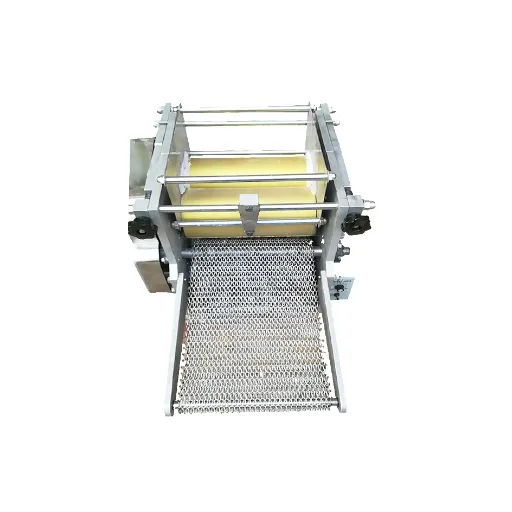
Current Trends in Tortilla Production
The tortilla production industry is constantly evolving as a result of changing consumer preferences and the ongoing development of technology in the food sector. A clear pattern is the rise in demand for tortillas that are not only healthy but also functional. A large part of the consumer base is in search of the health benefits and medicinal properties of the product and therefore, they are willing to pay a premium for it.
Moreover, one more striking trend is that the consumers are demanding the manufacturers to adopt environmentally friendly and sustainable production processes. In other words, the tortilla producers have already started to implement complete environmentally friendly practices by shifting to sustainable raw material sources, reducing waste, and using up-to-date and less energy-consuming technologies. On top of that, tortilla infused with various flavors such as spinach, beet, or turmeric is gaining popularity; especially those who are looking for creative and mouth-watering alternatives to the traditional plain tacos.
In addition, the growing impact of automation and the innovation in tortilla production is on the fast track. The sophisticated production machines are raising the production volume and at the same time providing consistency and maintaining the quality. The integration of smart technology at this level is giving precision in measurements/usage and seeking the customer’s wants both in mass markets and in niche artisanal products. The combination of all these trends is indicative of a vibrant industry that is adaptable to the ever-changing needs of consumers.
The Future of Tortilla Machines in Restaurants
The deployment of tortillas-making machines in restaurants is changing the way kitchens work, resulting in a drop in labor costs and also a guarantee of consistent quality, which is why these machines have become indispensable in the kitchens. The demand for freshly made tortillas is increasing in dining places of all categories from casual to fine dining, and these machines are the most dependable solution when it comes to satisfying customers’ desires without overburdening the kitchen staff. The production process is now automated and restaurants can thus make a considerable increase in output while still retaining the flavor and texture that are most craved by diners.
The future of tortilla machines is profoundly influenced by the incorporation of smart technology, one of the most interesting trends. The new machines come with a variety of features which include digital controls, programmable settings, and real-time monitoring that make it possible for chefs to customize tortilla thickness, size, and cooking time with great ease. This high level of accuracy not only improves the efficiency of the restaurant but also allows it to forage for new recipes to try and thus the gluten-free or flavored tortilla options would appeal to the changing dietary preferences and customer tastes. Data analytics through which these machines can also have the production trends and tell when to stop certain material use so as not to waste it and also maximize resource utilization.
In addition, as sustainability is giving restaurants a hard time, they are designing tortilla machines that comply with energy efficiency and eco-friendliness. The newer generation of machines consumes less power even when they perform at their best, thus, contributing towards the greening of the planet as well as cutting down the operational costs in the long run. On top of that, new designs like smaller and portable ones are allowing even the smallest and mid-sized restaurants to fit these machines in their kitchens without any problem of space. With constant innovations and the priority given to the adaptation to the demands of consumers and of the industry, tortilla machines are going to be the innovators of the restaurant of the future landscape.
Recipe Inspirations and Usage Tips
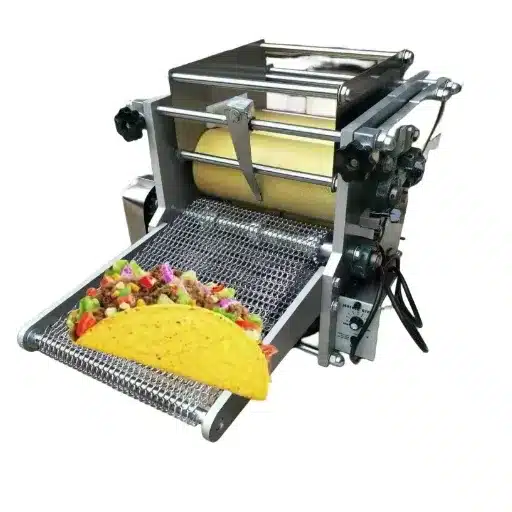
Classic Mexican Recipes Using Tortillas
Tortillas stand not only as a versatile ingredient but also as a primary element in the Mexican cuisine. With the help of tortillas, various popular dishes got showcased, bringing along the traditional flavors and textures. The following are some of the classic recipes that demonstrate the amazing potential of tortillas:
- Tacos Al Pastor: Tacos al pastor, a classic Mexican street food, consists of marinated pork which is then cooked on a vertical spit, and served in soft corn tortillas. Alongside this dish comes fresh pineapple, onion, cilantro, and a lime. All of these ingredients combined result in an enjoyable interaction of three flavors; tangy, savory, and sweet, perfectly balanced.
- Enchiladas Roja: Tortillas made from corn are the main ingredient in enchiladas roja, where tortillas are filled with any of the ingredients like shredded chicken or even cheese, rolled up, and then covered with a rich sauce made from red chili. Baking the enchiladas to melt the cheese inside and sauce bubbling along the edges followed by garnish of crema, queso fresco, and fresh herbs is a great way to make a filling and satisfying meal.
- Chilaquiles Verdes: Chilaquiles verdes is a fried tortilla chips dish simmered in green salsa and topped with fried eggs, queso fresco, and avocado. It is a morning meal that can be made with firm and zesty flavors whiles still being an effective way to get rid of the leftover tortillas.
- Quesadillas:All in all, quesadillas are regarded as a quick and easy yet attractive dish that consists of melting cheese along with other fillings such as sautéed mushrooms, shredded meat, or veggies placed between two tortillas. They would then be grilled until golden and crispy and henceforth quesadillas would be a very efficient preparation option provided that they can be customized in countless ways.
- Tostadas: Tostadas are made of crisp, fried tortillas that serve as a base for pouring a wide array of toppings such as refried beans, shredded lettuce, salsa, guacamole, as well as chicken or shrimp. Tostadas are a splendid medium for mix-and-match toppings and at the same time, they provide a nice crunch with each bite of your cutlets made from potatoes or veggies.
You can use these timeless tortilla-based recipes to bring the Mexican culinary art to your kitchen while making the most of the versatility of this classic ingredient. Tortillas will always add extra charm to the dish whether it is a family dinner or a lively gathering you are having.
Expert Tips for Maximizing Your Tortilla Maker
- Preheat Your Tortilla Maker Properly: Never forget to let the tortilla maker get to its maximum temperature first before you start the cooking process. This will guarantee that the cooking is done evenly and help in comfortable removing the dough from the surface. Try finding the indicator light (if it has one) or just check if the heat is steady all over the plates.
- Use the Right Dough Consistency: The tortilla dough quality is decisive when it comes to the outcome of the cooking process. The target is to get a very soft but not sticky consistency that is a little bit tacky when touched but still firm enough to hold its shape. This contributes to the making of easy-to-press tortillas and uniform cooking.
- Experiment with Different Flours: The classic tortilla is made from masa harina or soft wheat flour, but the use of other flours like whole wheat, almond, or chickpea can lead to new and interesting flavors and textures. Besides, the liquid measurement should be adjusted according to the flour type to keep getting the right dough mix.
- Press with Care: During the process of making your tortillas, do not apply too much force. A light and even pressure will give you the desired thickness without tearing the dough. If the tortilla maker does not distribute the pressure evenly, try turning the dough slightly to get the same results every time.
- Clean Your Tortilla Maker Regularly: For keeping the best working condition, get rid of all the residues in your tortilla maker after every usage. Let the device cool down completely, and then clean the plates with a moist cloth. Do not use metallic tools or any kind of strong detergent that might spoil the surface.
- Keep the Dough Covered: Tortilla dough can become dry very fast. It is advisable to always put a damp cloth over the unused dough to keep it moist and pliable while you work.
- Practice Adjusting Thickness: The thickness of tortillas depends on the meal you’re preparing. You might want them to be thinner or thicker. It will be a good idea to practice pressing the dough into different thicknesses so that you can find out what is best for your tacos, tostadas, or wraps.
These guidelines will not only help you in extracting the full power of your tortilla maker but also in making restaurant-like homemade tortillas without any hassle. Whether a new versatile ingredient in your global or local eatery is humble or a tempting and eye-catching culinary creation, the continuous maintenance and practice will upgrade your tortilla-making expertise.
References
- USDA – Tortilla Chips and Related Products: Provides guidelines and standards for the production and safety of tortilla chips and related products.
- Click here to read more.
Frequently Asked Questions (FAQ)
Q: What is a tortilla chip maker and in what aspect it is different from a tortilla making machine?
A: A tortilla chip maker is an equipment that chops, and forms, and in many cases, cooks or dries the tortilla parts into chips. In contrast, a tortilla making machine (which includes automatic corn tortilla machine and mexican tortilla machines) generates entire tortillas from dough. Many industrial tortilla chip production lines integrate a tortilla making machine with a fryer or oven and cutting rollers to make chips more rapidly.
Q: Can an electrically operated tortilla chip maker be applied for both corn and flour tortillas?
A: Of course, quite a few electric tortilla chip makers and tortilla making machines are capable of adjusting to work with corn and flour formulations, however, certain adjustments such as roller pressure, cutter size (inch settings), and frying time may need to be customized. Equipments designed for wheat tortilla production should be rated for slightly different dough elasticity and moisture.
Q: What is the maximum speed of a commercial tortilla chip maker — what is the output per hour?
A: The output depends on the model and degree of automation. Automatic corn tortilla machines together with fryers can churn out hundreds to thousands of chips every hour. Small units producing dozens to hundreds per hour are usually used by semi-automatic systems. Significantly faster output in larger commercial tortilla and chip lines saves time and meets demand.
Q: What kind of technical support and repair options am I likely to get with a tortilla chip maker?
A: Trustworthy manufacturers will give you technical support, spare parts, and repair services. With tortilla equipment check the service networks in your area (USA, Mexico, etc.), the availability of replacement rollers and fryers, and the duration of warranties. Choosing machines that are durable and can be repaired helps reduce downtime and costs over the long term.
Q: Will a tortilla chip maker also be able to produce tostada or taco shells?
A: Definitely. Many machines for tortilla chip making can cut and have adjustable settings for frying to make tostada bases, taco shells, and chips. Simply choose thicker taco or tostada shells, and adjusting the inch thickness and frying or baking profile will help you get the crispness and durability you want.
Q: Are the automatic corn tortilla machines suitable for small places?
A: Automatic corn tortilla machines come in various sizes: the compact models are for small businesses and takeaways that can benefit from the quicker production than manual methods while keeping the equipment footprints small. When assessing, consider the power (electric vs. gas fryers), capacity, and whether the machine is appropriate for the specific applications needed in the case of the mexican tortilla or tortilla chip maker.
Q: What should I think about when considering the durability and materials of a tortilla chip maker?
A: Pick materials that are robust and of food-grade quality like stainless steel, corrosion-resistant rollers, and heavy-duty fryers. Look for features such as adjustable settings, easy-to-use controls, and parts that are durable enough to earn a longevity certification. A machine that is well-constructed not only saves time and needs fewer repairs but also is safer for operation in a commercial environment.