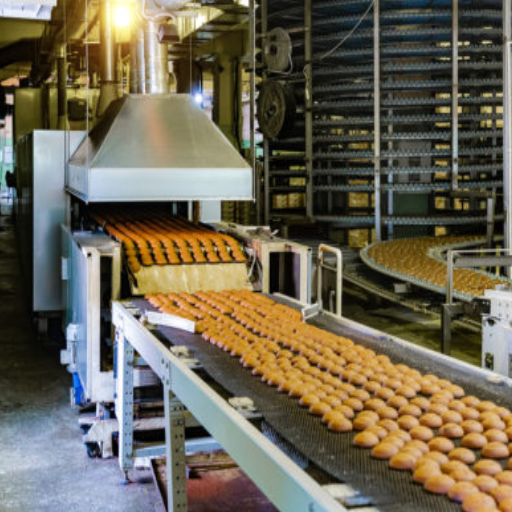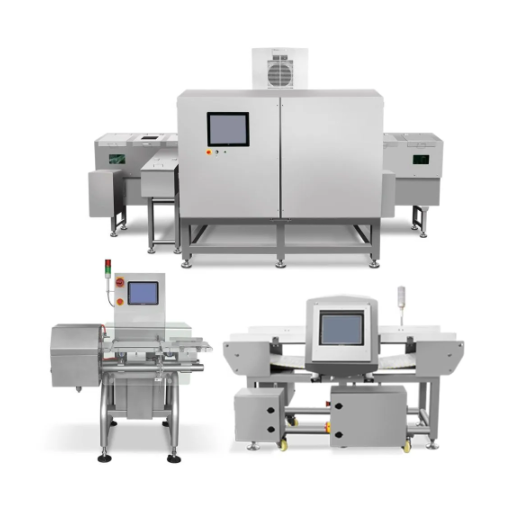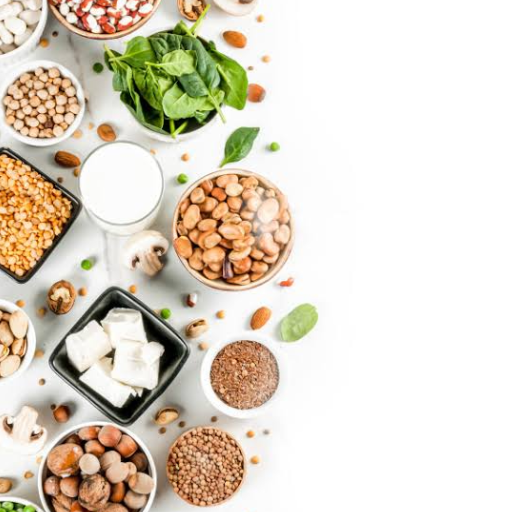
In the snack category, tortilla chips have become a popular treat that is not only crunchy but also very versatile and able to pair with different kinds of dips and tastes. Every single golden chip is the product of a sophisticated production line behind it that is designed for consistency, efficiency, and quality. This blog post takes you to the heart of tortilla chip production and gives you an extensive view of the modern chip processing solutions. If you are a seasoned food manufacturer, a business looking for automation solutions, or just someone who is curious about how your favorite snacks are produced, this article will be a good source of information on the advanced technology and practices that are taking place in today’s tortilla chip production. Stick with us as we reveal how these famous chips are transformed from raw materials to the final crispy treat that gets packed for sale.
Introduction to Tortilla Chips Production

Tortilla chips are commonly produced using a mixture of ground corn, water and salt, with the steps being that of creating their unique taste and texture. The first step of the process is the making of masa, a dough that is produced by mixing ground corn and water. After that, masa is flattened into thin layers and then cut into the triangular shapes that are so well recognized. Next, the chips are either baked or fried to give them their crunchy and golden appearance. Sometimes, seasoning is added at the very end so as to make sure the chips are coated thoroughly for the best flavor possible. This well-orchestrated production course not only guarantees uniformity and great quality but also preserves the distinctive crunch that has made tortilla chips a beloved snack all over the globe.
Overview of Tortilla Chips
Tortilla chips, which are made from masa, a dough made out of ground corn and water, are among the most loved snacks. They are cut into triangles and then either baked or fried to get their characteristic crispy texture and golden color. After that, they are spiced up to make them even tastier and are, therefore, eaten everywhere in the world for their crunch and adaptability.
Importance of a Production Line in the Snack Industry
A production line is indispensable in the snack industry as it guarantees efficiency, uniformity, and the ability to enlarge the production. It mechanizes the operations that include mixing, shaping, cooking, and packaging, thus lessening the workers and the time taken in production but keeping the quality the same across the batches. This is necessary to satisfy high consumer demand and to comply with strict quality and safety regulations. Moreover, the use of a sophisticated production line brings about the possibility of developing new products, thereby incurring the least cost in the process of making new flavors and products.
Key Components of Tortilla Chips Manufacturing
The process of making tortilla chips consists of several essential components that influence the quality, consistency, and productivity:
- Corn Processing: A dry and fresh corn is put through nixtamalization which includes cooking and soaking in alkaline solution to improve flavor, texture, and the overall nutritional value.
- Mixing and Forming Machines: The machines not only mix masa (corn dough), water, and seasonings but also give them the desired form of either thin sheets or specific chip shapes.
- Frying or Baking Equipment: The cooking of tortilla chips is done in high-capacity fryers or ovens that not only give a uniform golden finish but also create the desired crunch.
- Seasoning Dispensers: Chips are coated with spices, salt or flavors through automated seasoning systems that guarantee even distribution.
- Cooling and Packaging Systems: Chips after cooking are first cooled to maintain their texture and then freshness before being weighed, sealed, and packed into bags for further distribution.
All these components work together to simplify the production process, enhance the quality and comply with the industry standards.
Raw Materials for Tortilla Chips
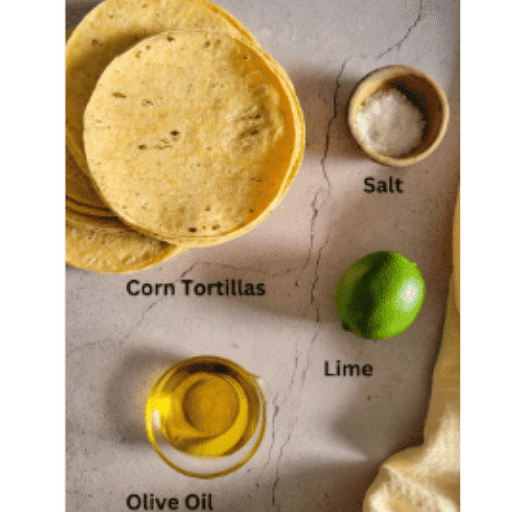
Tortilla chips are made principally from three raw materials: corn, oil, and salt. Corn, mainly in the form of masa (dough) or nixtamalized corn, is the primary ingredient giving the characteristic flavor and texture. Oil is needed for frying or baking the chips, thus making them crispy and nicely colored. Salt is added for seasoning and heaping up the chips’ natural flavor. Although there are some variations that might contain extra seasoning or flavor coatings, the three ingredients still form the basis of tortilla chips production.
Corn Selection and Quality
The choice of corn is of paramount importance in the production process of good tortilla chips. By using non-GMO, premium corn all the time, the same quality and characteristics like taste and texture can be expected. The nixtamalized corn, lime-treated, adds up the health benefits and gives the typical flavor of the tortilla chips that are considered authentic. Manufacturers must take into account the freshness and the right moisture content of the corn as the first step towards getting the best results in the process.
Masa Preparation and Its Role
Masa, which is the dough made from nixtamalized corn, is at the very heart of tortilla chips. The correct method consists of grinding the treated corn into a very fine and uniform powder, which makes the dough soft and easy to handle. The masa quality has a direct influence on the chips’ taste, texture, and fryability, thus it is very important to keep the moisture levels consistent and balanced through the whole process.
Additional Ingredients and Seasoning Options
Although masa is the main ingredient, the taste of tortilla chips can be improved significantly by mixing of different ingredients. The most common ones are seasonings such as sea salt, lime, chili powder, or garlic, which can be used according to individual preferences. For those who like to experiment, adding cheese powder, smoked paprika or even sugar and cinnamon will definitely produce wonderful and different chips for various tastes. By carefully controlling these additions it is possible to get a product that is very tasty yet exactly like the original in terms of texture and crunch.
Processing Line for Tortilla Chips
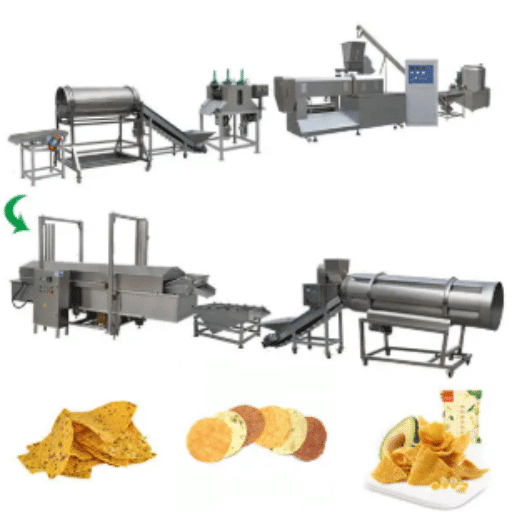
The processing line for tortilla chips usually includes a few main steps for the purpose of uniformity, quality, and efficiency:
Every step is tailored for maximum efficiency as well as for quality control, therefore the tortilla chips are produced in a manner that they not only satisfy the standards of production but also the expectations of the customers.
Overview of the Tortilla Chips Processing Line
The tortilla chips processing line is an efficient and flawless system that produces chips of the highest quality. The main stages include the preparation of the masa, cutting the chips, frying, seasoning, cooling, and packaging. Each stage gets the close monitoring required to support quality consistency, production flow’s best possible conditions, and the final product’s satisfaction with the customers’ demands in terms of taste and freshness.
Mixing and Extruding the Dough
The preparation of corn masa takes place during the mixing stage wherein cornmeal is mixed with water and other materials so that the right consistency and texture can be attained. After that, the dough is passed through an extruder that molds it into regular sheets or pellets, thereby ensuring that they are of the same size and thickness. This procedure is very important for the maintenance of product quality and the dough being ready for the next steps of shaping and frying.
Corn Cooking and Soaking Techniques
For tortilla production, the preparation of corn through cooking and soaking is necessary for the quality masa production. The standard process for this is boiling the whole corn kernels in a solution of water and calcium hydroxide (lime) to remove the outer hull and to make the nutrients more available. After the simmering, the corn is left in water for several hours, thus, the corn gets water, gets soft for grinding. Cooking and soaking done right bring the masa to its perfect texture and flavor, which are important in making the tortillas of a consistent high-quality and excellent flavor.
Seasoning and Flavoring Tortilla Chips

Seasoning and flavoring are key components in the making of tortilla chips that appeal to different consumers. After frying the chips, they are usually given a light sprinkle of seasonings consisting of salt, spices, and either natural or synthetic flavors. The application is usually done in a rotating drum or similar device to secure the proper coating. Among the most liked flavors are classic salted, tangy chili lime, and zesty cheddar, which have a wide range of customers. The main aim is to have the same flavor all over the chips while still keeping their crispiness and quality.
Techniques for Applying Seasonings
The application of seasonings usually involves the use of specialized machines, like seasoning tumblers or rotating drums together with spray systems. This guarantees that the chips will have the same taste all over them. The procedure frequently includes the application of a very fine spray of oil or water to the chips so that the seasoning can stick to the chips better. The continuous movement of tumbling throughout the process is very important for the flavor to be equally distributed and for the chips to remain crisp.
Popular Flavor Profiles and Trends
The snack industry is in constant change and adjusting its flavors and innovations to the tastes of the different consumers. Traditional flavors like barbecue, sour cream & onion, and cheddar still rule the market as always and are appreciated by the consumers.
On the other hand, there is a movement toward more daring and large tastes like spicy chili, wasabi, or tangy lime. Moreover, the world’s cultures are a major factor in making the flavors of the cuisines such as Korean BBQ and tikka masala popular globally.
Similarly, health-conscious consumers are behind the trend of organic, low-sodium, and plant-based seasoning usage which indicates a transition to more mindful snacking practices.
Customizing Chips for Target Markets
In carrying out the proper process of customizing chips according to the target markets to the largest extent possible, a company should consider the taste of flavors, the prevailing dietary habits, and the tasting of that culture. For instance, the offering of daring and hot options like jalapeño or sriracha can easily attract the younger, experimental crowds, whereas the old-fashioned flavors such as sea salt can win over the classic ones. The introduction of health-oriented varieties like gluten-free, baked, or plant-based options can draw the attention of the increasing number of consumers who are very much health-conscious. Furthermore, using local ingredients and making regionally inspired flavors, like kimchi for Asian or chimichurri for Latin American markets, not only makes the product more relevant but also more appealing to the specific demographic. Conducting market research and obtaining customer feedback are the most important factors in making sure that the modifications indeed meet the consumers’ expectations.
Packaging Solutions for Tortilla Chips

Tortilla chips packaging solutions that work well are mainly for the purpose of keeping the product fresh, crunchy, and user-friendly. Among the usual options are resealable bags that prevent the customer’s texture from mixing up even after the product is opened and nitrogen-flushed packaging to keep it fresh and prevent staleness. Transparency or windowed designs are also used which invite the customers to see the product thus making the purchase more appealing. Sustainable packaging like biodegradable and recyclable materials is also gaining popularity among the consumers hence the rise in the number of people asking for eco-friendly products. Packaging should protect, attract consumers, and be user-friendly at the same time in order to keep up with the trends and customer demands.
Importance of Packaging in Snack Industry
The packaging is very important in the snack industry because it guarantees the freshness of the product, makes it more attractive visually, and communicates the brand’s identity. The dust cover acts as a barrier for the snacks against contaminants, and at the same time, through new techniques such as airtight seals and nitrogen flushing, the life of the product is prolonged. Attractive designs and eco-friendly materials are part of the consumers’ likes and at the same time, they are helping the environment. So the whole process of packaging if done well leads to customer satisfaction, loyalty to the brand, and a competitive edge in a market that is already crowded.
💡 Key Packaging Benefits
- Preserves product freshness and quality
- Enhances visual appeal and brand recognition
- Provides protection against contaminants
- Extends shelf life through innovative sealing
- Meets environmental sustainability demands
Technologies for Efficient Packaging
The key technologies behind effective packaging are automation systems, smart packaging, and sustainable innovations. The use of automated machinery in production has made the process more efficient resulting in faster output and the same good quality of the product. Smart packaging uses sensors and RFID tags to monitor the condition of the product, keep track of its movement, and make the whole process more pleasant for the consumer. Eco-friendly technologies like compostable materials and less plastic products use fewer resources but keep their good qualities. Thus, the progression in all these areas together enhances packaging operations, lowers waste generation, and satisfies changing needs of both consumers and industries.
Labeling and Compliance Considerations
Following the regulations for labeling and compliance is a must if one aims to have a safe product, meet legal requirements, and keep consumer confidence. The right labeling must contain precise product information, such as the components, how to use it, and safety alerts, adjusted according to geographical and industry-specific regulations. Compliance means being always in the know with the ceaselessly changing rules, including those on environmental labeling and international trade, not to get fines and thus secure easy access to the market. Employing technology such as automated label generation and compliance tracking can be a great help in this process making it accurate and efficient.
Reference Sources
- SkyQuest – Tortilla Chips Market Insights, Forecast, and Future Trends. The report provides valuable information regarding the tortilla chips market along with the consumer trends and production requirements.
- Market Report Analytics – Tortilla Chips Industry Trends and Competitor Analysis. The writer describes the trends of the tortilla chip industry by focusing on the market leaders and production innovations.
- Middleby Corporation – Acquisition of JC Ford. The report emphasizes that The Middleby Corporation has acquired JC Ford a prominent manufacturer of systems for the production of tortillas and chips.
- JC Ford Company – Industrial Tortilla & Tortilla Chip Equipment. Specializes in the manufacturing of machinery for tortilla and tortilla chip production on an industrial scale.
- Casa Herrera – Custom Machinery for Tortilla and Chip Production. Their covered custom machinery is for producing tortillas, tortilla chips, tostadas, and others.
Frequently Asked Questions (FAQs)
What exactly does a tortilla chip process line mean?
A tortilla chip process line is an elaborate set of machines, either fully automated or semi-automated, which together carry out all the operations necessary for tortilla chips making from the dough preparation step up to the covering with seasoning and packing.
Which companies are the ones to utilize the tortilla chip process lines?
The biggest and most well-known snack producers, smaller and medium-sized food makers, and those companies that do private-label snack products.
What are the main characteristics of a tortilla chip process line?
The main features are great production capacity, low-energy consumption, the possibility of setting the machine differently for every kind of chip, and the presence of quality control systems.
Can the process for tortilla chips be altered?
Indeed, the manufacturers usually provide the option of making changes to suit the particular production requirements, including the shapes or the flavors of the chips.