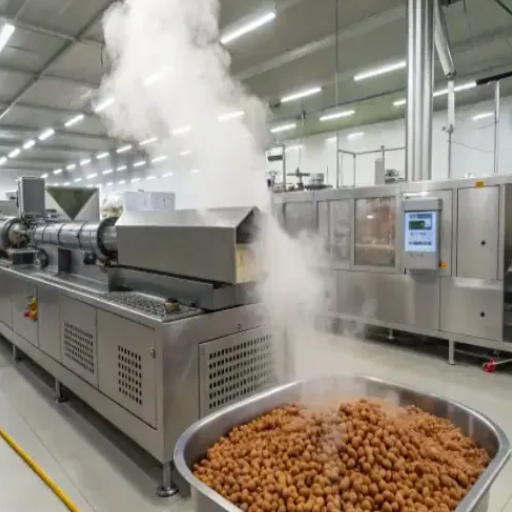
Today, cereal bars have become a snacking revolution for people of all ages, combining taste with practicality to deliver sustained energy throughout the day. Have you ever wondered what goes into creating the perfect cereal bar? From achieving the ideal balance of crunchiness in texture to attaining just the right sweetness, cereal bars represent both an art and a science.
Whether you’re an aspiring food entrepreneur, a culinary enthusiast, or someone looking to elevate homemade bars to the next level, this comprehensive guide reveals everything you need to know about cereal bar creation that will set your products apart from the competition.
🌱 Raw Ingredient Sourcing Excellence

The foundation of exceptional cereal bars lies in sourcing premium raw materials. Quality ingredients not only enhance flavor and nutritional value but also ensure consistent production results.
Essential Ingredient Categories
| Ingredient Type | Recommended Options | Quality Standards | Nutritional Benefits |
|---|---|---|---|
| Grains & Seeds | Whole oats, quinoa, chia seeds, flaxseeds | Organic, minimally processed | High fiber, protein, omega-3 fatty acids |
| Natural Sweeteners | Raw honey, pure maple syrup, agave nectar | No artificial additives | Antioxidants, minerals, natural energy |
| Binding Agents | Almond butter, peanut butter, seed butters | No preservatives or additives | Healthy fats, protein, vitamin E |
| Flavor Enhancers | Unsweetened dried fruits, dark chocolate, nuts | High-quality, unsweetened varieties | Antioxidants, minerals, natural flavors |
Supplier Selection Excellence
🎯 Key Selection Criteria:
- Transparency: Clear information about product origins and farming practices
- Certifications: Organic, Fair Trade, or other quality certifications
- Sustainability: Environmental consciousness and ethical labor practices
- Consistency: Reliable supply chain and consistent quality standards
- Freshness: Proper storage and handling procedures
Sustainability Practices
- Renewable Energy Suppliers: Partner with suppliers using renewable energy processes
- Carbon Footprint Reduction: Minimize carbon emissions through efficient manufacturing
- Water Conservation: Support suppliers with water-saving initiatives
- Waste Reduction: Implement packaging and production waste minimization
⚙️ The Preparation and Mixing Process

Precision in preparation and mixing ensures consistent quality and optimal texture in the final product. Modern manufacturing integrates technology with sustainability for superior results.
Step-by-Step Production Process
1Ingredient Preparation
Process: Precise measurement and preparation of oats, nuts, dried fruits, sweeteners, and binding agents according to standardized recipes.
Impact: Accurate measurement reduces ingredient wastage by up to 10% and ensures batch consistency.
2Dry Ingredient Mixing
Process: Industrial-grade mixers blend dry materials (oats, nuts, seeds) for even distribution of flavor and texture.
Critical Factor: Uniform mixing prevents clustering that can compromise textural integrity.
3Binding Syrup Preparation
Process: Heating binding syrup (sweeteners, stabilizers) to precise temperature for optimal viscosity.
Temperature Target: 120°C (248°F) achieves optimal adhesion without affecting natural ingredient flavors.
4Wet and Dry Integration
Process: Automated mixers with IoT temperature control and speed settings ensure thorough, gentle mixing.
Technology: Prevents overheating and ensures uniform distribution without crushing delicate ingredients.
5Molding and Pressing
Process: Mixture transferred to molds or conveyor belts with uniform pressure application.
Quality Impact: Inconsistent pressing can cause 15% of bars to crumble during packaging or transportation.
6Cooling and Setting
Process: Controlled cooling at room temperature or specialized chilling systems.
Efficiency: Advanced cooling systems reduce setting time by 20% while maintaining quality.
7Cutting and Packaging
Process: High-precision cutting equipment with immediate packaging in airtight, eco-friendly wrappers.
Automation: IoT-enabled packaging processes 30 bars per minute while minimizing contamination risk.
Machinery Innovation in Preparation
| Equipment Type | Capacity | Key Features | Quality Benefits |
|---|---|---|---|
| Advanced Mixers | 1-5 tons/hour | Temperature control, speed variation | Uniform blending, ingredient preservation |
| Dosing Systems | Precision weighing | Automated ingredient measurement | Recipe consistency, waste reduction |
| Vibratory Sieves | Continuous operation | Foreign substance removal | Safety and purity assurance |
| IoT Monitoring | Real-time data | Moisture, ratio, timing sensors | Error minimization, traceability |
Cutting-Edge Mixing Technologies
🤖 AI-Enabled Systems
Smart mixing systems automatically adjust parameters (speed, energy, timing) based on real-time feedback, achieving 96%+ consistency in homogenization while reducing processing time by 20-30%.
🔧 High-Shear Mixing
Advanced emulsion mixing and powder dispersion technology for complex formulations requiring superior ingredient integration.
💨 Vacuum Mixing
Prevents air bubble formation during mixing, improving product shelf life and appearance by 15% while delivering smoother textures and more stable formulations.
🌐 IoT Integration
Remote monitoring capabilities with predictive maintenance, resulting in 25% reduction in equipment downtime through early issue detection.
🔧 Shaping and Baking Excellence

Precision shaping and controlled baking are critical for achieving consistent quality, texture, and consumer satisfaction. Modern production lines utilize advanced technology to meet growing market demands.
Professional Shaping Techniques
🔲 Rolling and Cutting
- Application: Rectangular/square cereal bars
- Process: Controlled pressure rolling + high-speed cutting
- Output: 200 bars per minute
- Benefits: Minimal waste, consistent thickness
🔄 Extrusion Method
- Application: Special shapes, delicate ingredients
- Process: Continuous shape formation through dies
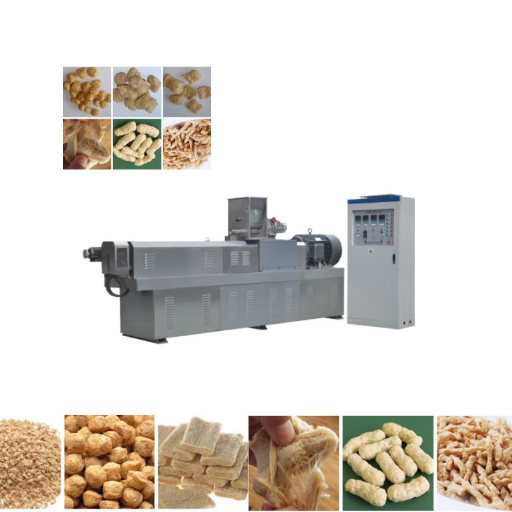
- Capacity: 1,000 kg/hour processing
- Advantages: Design flexibility, ingredient protection
🚀 Latest Shaping Innovations:
- CAD Integration: Digital design and testing before production
- Robotic Precision: Enhanced accuracy and flexibility
- Real-time Monitoring: Sensors ensure weight and size consistency
- Custom Branding: Embossed designs for premium market positioning
Baking Method Comparison
| Aspect | Traditional Baking | Industrial Baking |
|---|---|---|
| Scale | Small-batch, artisanal | Mass production, high volume |
| Approach | Manual craftsmanship | Automated systems with AI/robotics |
| Consistency | Variable, unique batches | Standardized, consistent results |
| Technology | Basic equipment, traditional methods | Data analytics, sensors, automation |
| Market Focus | Niche, premium markets | Global distribution, scalability |
Premium Coating Options
Popular Coating Varieties:
- Chocolate Coatings: Milk, dark, and white chocolate options
- Yogurt Coating: Lighter alternative with tangy-sweet balance
- Fruit Puree Glazes: Natural color and flavor for health-conscious markets
- Sugar-Free Options: Stevia-based glazes (40% of consumers actively seek reduced sugar)
- Nut-Based Coatings: Pistachio, almond, hazelnut spreads for protein-rich appeal
📦 Strategic Packaging and Distribution

Modern packaging and distribution strategies focus on sustainability, convenience, and market accessibility while maintaining product freshness and visual appeal.
Packaging Excellence Framework
| Function | Traditional Approach | Modern Innovation | Consumer Benefit |
|---|---|---|---|
| Freshness Protection | Basic plastic wrapping | Multilayer films, foil packaging | Extended shelf life, maintained quality |
| Food Safety | Standard materials | Food-grade, certified materials | Safety assurance, consumer trust |
| Visual Appeal | Simple labeling | Premium design, sustainability messaging | Purchase motivation, brand loyalty |
| Convenience | Basic packaging | Resealable, portion-controlled, portable | On-the-go lifestyle compatibility |
| Sustainability | Limited eco-options | Biodegradable, recyclable materials | Environmental consciousness alignment |
Distribution Channel Strategy
🌐 Online Channels
- E-commerce platforms (Amazon, Walmart)
- Direct-to-consumer websites
- Subscription services
- Bulk purchasing options
🏪 Retail Channels
- Supermarkets and grocery stores
- Health and specialty stores
- Organic food markets
- Convenience stores
Eco-Friendly Packaging Trends
🌱 Sustainable Solutions
Growing consumer demand drives innovation in plant-based plastics, mushroom-based materials, and paper alternatives. Search trends show significant increases in “biodegradable packaging” and “zero-waste packaging” queries.
🚀 Industry Trends and Future Innovations

The cereal bar market continues evolving as manufacturers respond to health-conscious consumers seeking sustainable, innovative snacking alternatives.
Current Market Trends
| Trend Category | Key Developments | Consumer Demand | Market Impact |
|---|---|---|---|
| Health-Focused | High-protein, plant-based, low-sugar options | Functional ingredients, superfoods | Premium pricing, loyal customer base |
| Sustainability | Eco-friendly packaging, ethical sourcing | Environmental consciousness alignment | Brand differentiation, competitive advantage |
| Customization | Personalized nutrition, flavor preferences | Individual dietary requirements | Higher engagement, increased loyalty |
| Innovation | New textures, exotic flavors, formats | Novel experiences, convenience | Market expansion, new demographics |
Technological Innovations
🤖 Automated Production Lines
Advanced robotics ensure precise ingredient measurement, rapid assembly, and consistent quality while minimizing waste throughout manufacturing stages.
📊 Smart Analytics
IoT sensors and data analytics monitor efficiency in real-time, optimizing production parameters and predicting maintenance needs.
🖨️ 3D Food Printing
Emerging technology enables complex bar designs and unique ingredient mixing for personalized nutrition and premium market positioning.
🌿 Sustainable Manufacturing
Energy-efficient machinery, allergen-free processes, and advanced detection systems ensure product safety while minimizing environmental impact.
Future Market Directions
🎯 Growth Opportunities:
- Keto-Friendly Options: Low-carb formulations for ketogenic diet followers
- Gluten-Free Varieties: Expanding celiac-friendly product lines
- Plant-Based Proteins: Pea, hemp, and alternative protein sources
- Functional Ingredients: Probiotics, adaptogens, and wellness-focused additives
- Regional Flavors: Culturally-inspired taste profiles for global markets
References
-
Making.com – Cereal Bar Making Equipment: A detailed overview of the cereal bar production line, including mixing, cutting, and cooling processes.
-
Loyal Machine – Unlock the Secrets of Cereal Bar Production Process: Insights into the step-by-step manufacturing process, including shaping, temperature, and pressure considerations.
-
Loyal Machine – Unlock the Secrets of Cereal Bar Production: A comprehensive guide to the equipment and techniques used in cereal bar manufacturing.
Frequently Asked Questions (FAQ)
What the cereal bar production process constitutes?
The cereal bar manufacturing process contains a number of steps-from choosing high-quality ingredients, through the mixing of dough from the chosen ingredients, formation, packaging of the finished product, and quality control at every step, ensuring consistent quality in the end bars.
What kinds of snack bars can be procured through cereal bar processing?
Cereal bar processing can provide a spectrum of snack bars, including granola bars, protein, and energy bars. Each would continue to use its own ingredients and formulations to meet its consumers’ own preference and nutritional demand.
How does the line for production of cereal bars work?
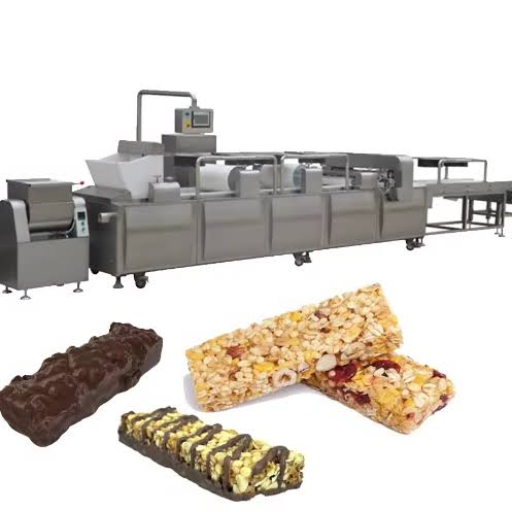
The production line of cereal bars is set up for automating the entire process of manufacturing, uniting steps from mixing the ingredients till shaping the bars separately. Usually, this line is capable of adding mixing machines, forming machines, and cooling conveyors for speeding up the production, thus reducing labor costs.
What are the important steps in the manufacture of cereal bars?
The important steps in the manufacture of cereal bars comprise ingredient selection, mixing, forming into slabs, cutting into individual bars with a guillotine cutter, and packaging. Every step is important to ensure the final product quality and taste expectations.
What are the innovations in cereal bar machinery that are recent?
Recent innovations in the cereal-bar machinery are in favor of efficiency and enhancement of product quality. Industrial microwave systems allow fast drying; control systems can be ambitiously improved for temperature monitoring; and new formers can create more complicated shapes and sizes.
How do coating machines tend to the enhancement of cereal bar production?
Coating machines enhance cereal bar production by applying a chocolate or yogurt coating, which improves flavor and protects the bars. This also improved the taste profile and visual appeal to a considerable extent, making it more attractive to consumers.
What is the importance of quality control in the cereal bar manufacturing process?
Quality control is important in the cereal bar manufacturing process because it ensures every single cereal bar meets safety standards and consumer expectations. By testing the quality of ingredients and the end product on a regular basis, the industry can uphold quality standards worthy of carving profit out of the competition.
What are labor costs incurred upon starting one’s cereal bar production?
Labor costs running when starting cereal bar production may depend on the scale and complexity of the operation. The employment of machinery would reduce repetitive manual labor; nevertheless, initial investment in raw labor and training has to be allocated to it, first of all, to achieve the efficient operation of the production line.
Can different shapes and sizes of cereal bars be produced?
Yes, different shapes and sizes of cereal bars can be produced by adjusting the forming machines and customizable molds. This enables manufacturers to sell their products for various market requirements and consumer preferences, adding value to their product portfolio.