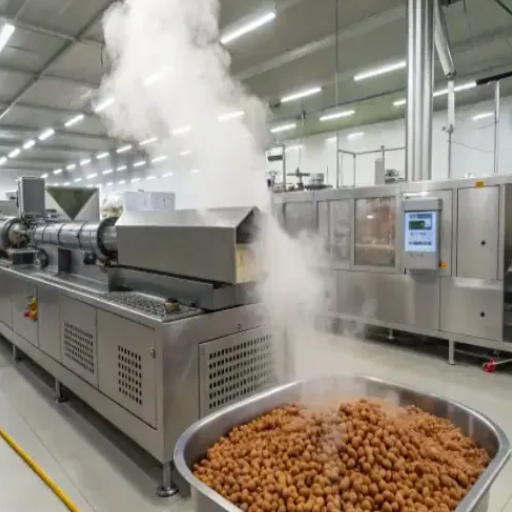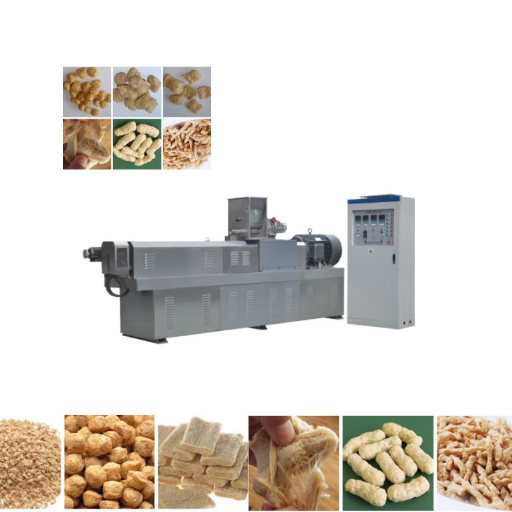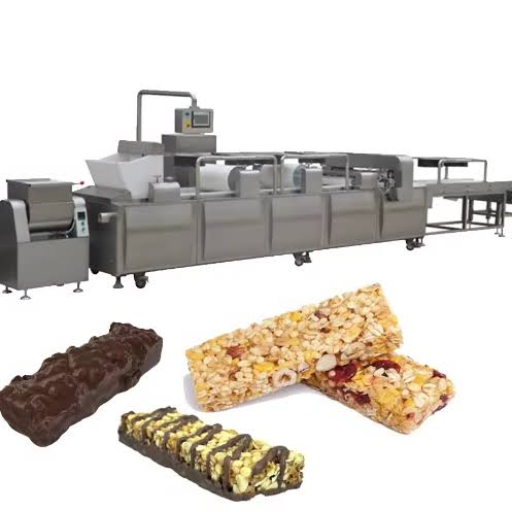
Ever wondered about the journey of corn flakes from field to your breakfast table? The creation of corn flakes is a fascinating blend of agriculture, science, and innovative manufacturing techniques that transform ordinary corn into the crispy, golden flakes we all know and love. Join us as we explore the complete manufacturing pathway of corn flakes, from selecting the finest corn kernels to the precise methods that give these flakes their signature crunch and nutritional value.
Raw Materials: The Foundation of Quality Corn Flakes

The journey to perfect corn flakes begins with carefully selected raw materials that determine the final product’s taste, texture, and nutritional value.
Types of Corn Used in Production
Manufacturers select high-quality corn types such as flint corn and dent corn for their optimal blend of starch and moisture levels. These varieties ensure the perfect texture and taste in the finished product while meeting both textural and nutritional requirements.
Essential Additional Ingredients
| Ingredient | Purpose | Typical Usage | Nutritional Impact |
|---|---|---|---|
| Sugar | Natural flavor balance | Moderate sweetening | Quick energy source |
| Malt Flavoring | Subtle nutty notes | Flavor enhancement | Natural taste complexity |
| Salt | Flavor enhancement | Minute quantities | Electrolyte balance |
| Vitamins & Minerals | Nutritional fortification | Iron, B vitamins, Folic acid | Essential daily nutrients |
| Water | Cooking and softening | Process essential | Hydration medium |
Quality Control of Raw Materials
Stringent Quality Standards: Raw material quality control is the cornerstone of successful cereal manufacturing. Every ingredient undergoes comprehensive testing to ensure safety and consistency.
- Moisture Content: Maintained between 12%-14% for optimal storage and processing
- Contamination Screening: Advanced technologies detect mycotoxins, pests, and foreign matter
- High-Performance Testing: Liquid chromatography and X-ray inspection systems ensure purity
- Global Standards: FAO reports that contamination affects 25% of cereal crops annually, highlighting the need for rigorous controls
The Complete Manufacturing Process
The corn flakes manufacturing process involves a carefully orchestrated series of steps, each critical to achieving the perfect balance of taste, texture, and nutrition.
Corn Selection and Milling
The process begins with selecting premium-grade corn for optimal taste and nutrition. High-quality, nutrient-rich corn ensures essential carbohydrates are preserved in the final flakes. The selected corn then undergoes milling to break it into smaller, uniform fragments while removing impurities – a crucial step for achieving consistent texture and quality.
Cooking and Extrusion Process
Milled corn is heated with water and flavor enhancers like sugar or malt flavoring. Heat and moisture soften the particles, making them pliable for shaping. Advanced extrusion techniques then form the cooked mixture into precise shapes before cutting into thin flakes, ensuring uniform size and thickness for even cooking and optimal crispness.
Flaking and Toasting
The extruded pieces pass through heavy rollers that press them into thin, uniform flakes. This critical step determines the final shape and texture. The flakes then move to large-scale toasting ovens with precise temperature control, achieving that perfect golden-brown color and signature crispiness while developing rich flavor profiles.
Modern Production Line Technology
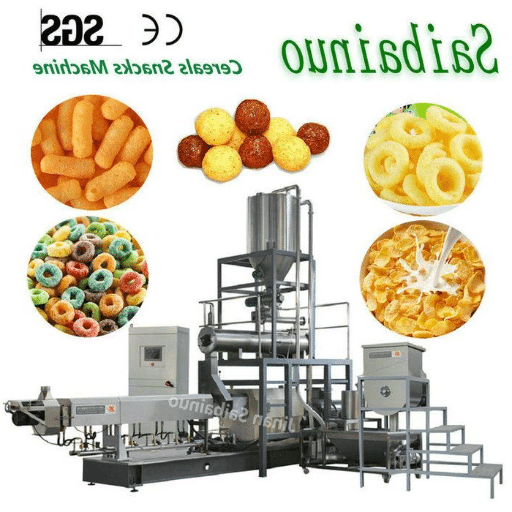
Essential Machinery in Corn Flake Production
High-capacity machines efficiently remove outer husks and grind kernels into uniform grits with minimal waste, processing several tons per hour.
Automated mixing tanks combine ingredients in precise proportions, while controlled cooking equipment uses steam heating with advanced temperature and moisture control.
High-pressure mills maintain uniform flake thickness with real-time sensors measuring consistency, ensuring optimal texture and cooking quality.
Energy-efficient heating systems with real-time adjustments optimize temperature control while reducing power consumption without compromising flavor.
Automated systems fill hundreds of boxes per minute with vacuum sealing capability and integrated quality control for weight and seal verification.
Automation in Manufacturing
75%
30%
85%
90%
Modern manufacturing leverages:
- AI-Powered Predictive Maintenance: Real-time performance monitoring prevents failures
- Collaborative Robots (Cobots): Work alongside humans for complex and repetitive tasks
- Automated Quality Control: High-precision cameras and sensors ensure consistency
- Smart Packaging: Algorithms optimize material usage by up to 20%
Quality Control and Safety Standards

Quality assurance throughout corn flakes production maintains product consistency, safety, and customer satisfaction through multiple checkpoints and advanced technologies.
Multi-Stage Quality Monitoring
| Production Stage | Quality Measures | Technology Used | Key Metrics |
|---|---|---|---|
| Raw Material Inspection | Contamination screening | Optical sorting, X-ray inspection | Purity standards, moisture levels |
| Cooking Process | Texture and moisture monitoring | IoT sensors, real-time measurement | Optimal cooking conditions |
| Milling Control | Particle size distribution | Automated sizing systems | Uniform texture and taste |
| Flaking & Roasting | Temperature, pressure, timing | Thermal imaging, automated controls | Batch uniformity |
| Packaging | Weight, sealing integrity | Hygienic environments, algorithms | Package quality, freshness |
Advanced Safety Technologies
Regulatory Compliance
Breakfast cereal standards are governed by organizations like the FDA and European Food Safety Authority, ensuring:
- Nutritional Standards: Specified sugar, sodium, and fat content limits
- Fortification Requirements: Mandatory vitamins and minerals (iron, B vitamins)
- Labeling Accuracy: Clear ingredient lists, allergen warnings, and nutritional data
- Certification Compliance: Third-party validation for organic and non-GMO claims
- Safety Protocols: HACCP and ISO 22000 standards implementation
Final Manufacturing Steps

Toasting and Flavor Development
After forming, flakes undergo controlled toasting to enhance flavor and achieve optimal crunch. Automated controls with sensors ensure consistency in texture and color, while monitoring systems reduce irregularities and maintain quality standards.
Packaging for Distribution
34%
25%
Modern packaging prioritizes:
- Freshness Preservation: Advanced sealing technologies maintain product quality
- Sustainability: Recyclable paperboard and bio-based plastic alternatives
- Convenience: Resealable packaging for extended product life
- Transparency: Clear labeling with organic and non-GMO certifications
Storage and Shelf Life Optimization
Consumer trends show increasing interest in:
- Vacuum packaging for extended freshness
- Resealable containers to reduce food waste
- Biodegradable and compostable packaging options
- Clear storage instructions for optimal quality retention
Marketing and Distribution Trends

Modern distribution strategies include:
- Digital Commerce: E-commerce partnerships and direct-to-consumer platforms
- Health Marketing: Emphasis on essential vitamins, minerals, and convenience
- SEO Optimization: Targeting keywords like “quick breakfast ideas”
- Social Media Integration: Leveraging trends and consumer insights
References
-
Discovery UK – How Corn Flakes are Made: A detailed explanation of the corn flakes production process, including grain preparation, dry milling, cooking, and cooling.
-
Making.com – Corn Flakes Manufacturing Equipment: Insights into the production process, starting with milling raw corn and creating cornmeal, followed by extrusion to form corn flakes.
-
Loyal Machine – How Corn Flakes Revolutionized Breakfast: A comprehensive guide to the patented corn-flaking process, including cooking, rolling, and toasting.
Frequently Asked Questions (FAQ)
What exactly is the process of making corn flakes?
Making corn flakes involves various consequent steps in the alterations of raw corn into the crispy breakfast cereal celebrated worldwide. In the very beginning, the whole corn kernels are cooked. The cooked corn is then milled into a corn mixture, which undergoes extrusion. This product is subsequently flattened into thin flakes, toasted to enhance flavor, and then dried to get the desired texture.
How does the corn flake manufacturing process work?
The corn flake manufacturing process consists of cooking, grinding, flaking, toasting, and drying. Every process is crucial in its formation to ensure the final product. The process commences with cooking corn, followed by the grinding and formation of the mixture into flakes. The flakes are then toasted to bring out flavor and texture; drying takes place to eliminate moisture.
What raw material is used in corn flakes making?
The raw materials used are those considered to be the best quality: corn kernels, such as those of field corn or dent corn. These corn varieties are preferred for their starch content, which is paramount in the texturizing of the flakes. Another ingredient may come in the way of sweeteners and added vitamins and minerals to improve the nutritional value of the product.
What is the role of quality control in corn flakes production?
The quality control system on the line of corn flakes production is an indispensable entity ensuring the final product of safety and quality standards, including all processes from raw materials, cooking and toasting, and assessment of texture and taste. Continuous quality checks maintain the integrity of the cereal corn flakes produced, making them safe and enjoyable for the consumer.
What are the production activities in the corn flakes manufacturing industry?
The processes involved in manufacturing corn flakes consist of cooking the corn, milling into a corn mixture, extruding into flakes, toasting for flavor, and drying for moisture content. Every step is designed for the enhancement of the quality and texture of the final product to ensure that the corn flakes are crisp and tasty.
How is the extrusion process done in making corn flakes?
The extrusion process that exists in corn flake manufacture consists of forcing the cooked corn mixture through a machine which shapes and forms it into a continuous sheet. This extrusion ensures that flakes are uniform in size and thickness. This is followed by cutting, toasting, and drying the flakes to increase their flavor and keep them crisp during storage.
What is the final step in the manufacture of corn flakes?
The corn flakes manufacturing process is concluded with the cooling of the corn flakes. The flakes remain toasted and dried before they are cooled until they reach room temperature. This counteracts moisture deposition, disliked by soggy flakes. After cooling, the corn flakes undergo packaging for distribution and sale.
Which feature distinguishes Kellogg’s corn flakes from other cereal brands?
The main feature that distinguishes Kellogg’s corn flakes from other cereal brands is its unique manufacturing process and quality control parameters. The brand is known for using good quality corn and a special toasting process to make crispy flakes with a known texture. Also, the Kellogg’s corn flakes are usually enhanced with additional nutrients in contrast to some other cereal corn flakes available in the market.