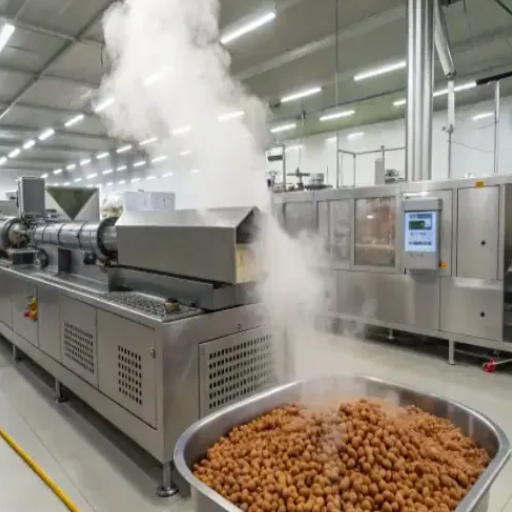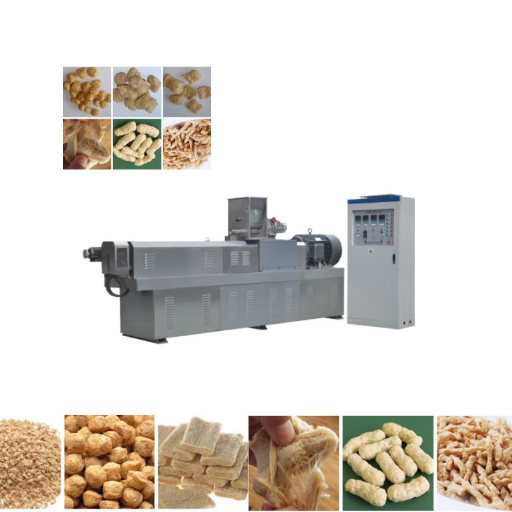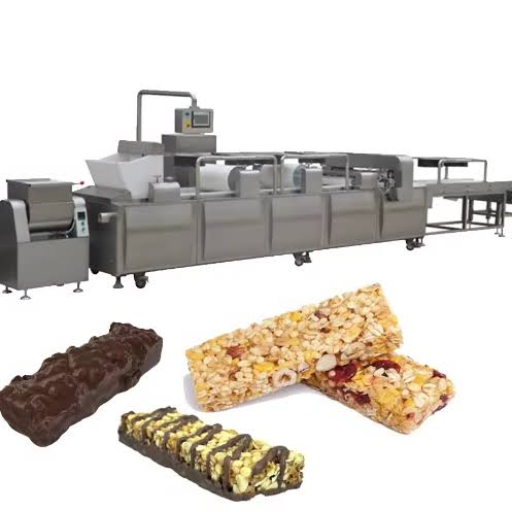
Exploring the fascinating journey from raw grains to your morning bowl – the intricate science, technology, and innovation behind breakfast cereal manufacturing
Few things are synonymous with busy mornings like a bowl of cereal. But have you ever thought about how this crunchy darling of the breakfast world makes it to the table? The intriguing mix of science, technology, and innovation is involved in making breakfast cereal—from raw grains to neatly-packed boxes with fancy designs in the stores. This comprehensive guide explores the complex production procedure behind the manufacture of your beloved cereals and gradually takes you through their stepwise methods—from basic ingredients to household staples.
Overview of Breakfast Cereal Manufacturing
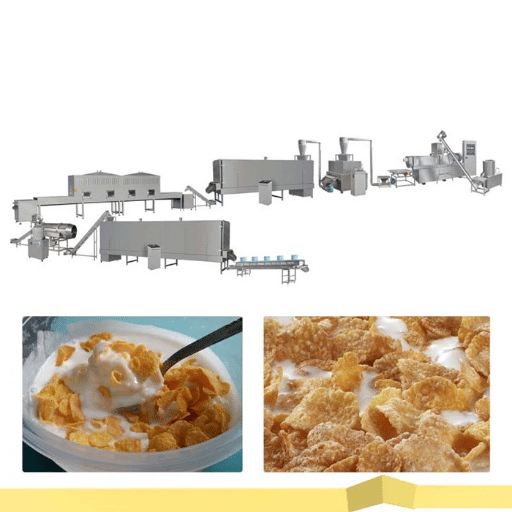
The breakfast cereal industry deals with enormous amounts of raw materials to be converted into products we consume daily. The manufacturing process follows a systematic approach:
- Grain Preparation: Grains of any type—corn, wheat, rice, or oats—are cleaned and prepared
- Cooking Process: Grain materials are cooked with water and other ingredients to develop flavors and textures
- Shaping: After cooking, grains are shaped into various forms such as flakes, puffs, or loops through extrusion, rolling, or shaping processes
- Drying and Toasting: Products are dried and toasted to achieve the desired level of crispiness
- Fortification: Addition of flavor coatings, vitamins, or minerals
- Packaging and Distribution: Final packaging and distribution to retailers
This highly controlled process ensures that cereals maintain optimal flavor and nutrition.
Historical Development of Breakfast Cereals
First breakfast cereal “Granula” invented by Dr. James Caleb Jackson
John Harvey Kellogg developed “Corn Flakes”
Global breakfast cereal industry value in 2023
Key Historical Milestones
- Mid-19th Century: Promotion of healthier food habits led to cereal innovation
- Early 1900s: Brands like Post (Grape-Nuts) and Kellogg (Rice Krispies) gained prominence
- 1950s: Introduction of sugar-based cereals targeting children (Frosted Flakes, Lucky Charms)
- 1980s: Global breakfast cereal market reached exponential growth
- Present Day: Focus on whole-grain, organic, and gluten-free alternatives
Types of Breakfast Cereals
| Category | Description | Examples | Market Share |
|---|---|---|---|
| Ready-to-Eat Cereals | Pre-cooked or processed, eaten with milk or yogurt | Flakes, puffs, granola, muesli | ~70% |
| Hot Cereals | Require cooking or heating with water or milk | Oatmeal, porridge, cream of wheat | ~30% |
Market Growth: The global breakfast cereal market expects a compound annual growth rate (CAGR) of 4.8% (2023-2028), showing mounting demand for convenient yet nutritious food options.
Raw Materials in Cereal Production
Primary Grains
- Oats: High in dietary fiber and complex carbohydrates
- Wheat: Rich in B vitamins and essential minerals
- Corn: Provides energy-rich carbohydrates
- Rice: Gluten-free option with good digestibility
Sweetening Agents
| Traditional Sweeteners | Alternative Sweeteners | Health Trend |
|---|---|---|
|
|
20% reduction in sugar content over the last decade |
Fortification Ingredients
- Iron for blood health
- Calcium for bone strength
- Vitamin D for immune function
- B vitamins for energy metabolism
Emerging Trends: Plant-based cereals enhanced with pea protein and gluten-free grains show a 7.2% CAGR in the health-aware market segment.
The Production Process

Key Production Stages
| Stage | Process | Technology Used | Quality Control |
|---|---|---|---|
| Grain Preparation | Cleaning, screening, milling | Automated sorting systems | Impurity removal, size consistency |
| Cooking | Extrusion or steaming | High-pressure extruders (90% of US cold cereals) | Temperature and moisture monitoring |
| Shaping | Forming flakes, puffs, loops | Precision roller mills | Thickness variation control |
| Drying/Toasting | Moisture reduction to <3% | High-efficiency ovens | Crispiness and shelf stability |
| Coating | Flavor and nutrient application | Spray coating systems | Even distribution monitoring |
| Packaging | Sealing for freshness | Automated packaging lines | Weight accuracy, seal integrity |
Flaked Cereal Production Line Details
- Grain Selection: Corn, wheat, or rice cleaned and milled
- Industrial Cooking: Controlled temperature and moisture for starch gelatinization
- Rolling: High-precision roller mills create uniform flake thickness
- Toasting: Intense heat ovens provide characteristic crispness
- Fortification: Addition of vitamins and minerals (commonly iron and B vitamins)
- Quality Control: Real-time monitoring of moisture, texture, and nutritional content
Efficiency improvement from automation
Energy savings from technical upgrades
Expected global market value by 2027
Technology and Innovation
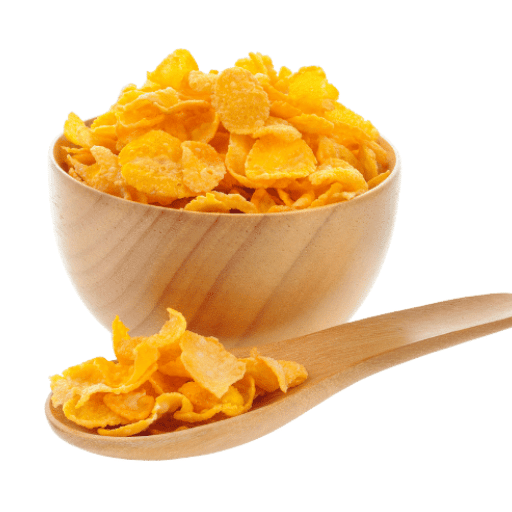
Automation Impact on Production Efficiency
| Benefit | Impact | Statistical Improvement |
|---|---|---|
| Improved Productivity | 24/7 continuous production capability | Up to 30% increase in production rates |
| Lower Error Rates | Precision task execution | >99% accuracy in quality control |
| Cost Reduction | Reduced labor and error costs | 20-40% manufacturing cost reduction |
| Enhanced Resource Utilization | Optimal material usage | 25% reduction in raw material waste |
| Scalability and Flexibility | Quick production adjustments | Rapid response to market demands |
Modern Technology Integration
- Machine Learning and AI: Process optimization and quality monitoring
- Real-time Sensors: Moisture content and temperature control
- Energy-efficient Systems: Renewable energy utilization
- Waste Recycling: Optimized waste management systems
Future Trends and Market Outlook
Expected CAGR (2023-2028)
Increase in health-focused searches
CAGR for innovative cereal varieties
Consumer Preference Trends
- Health-Conscious Options: Organic, fiber-rich, and protein-enriched cereals
- Sustainable Practices: Biodegradable packaging and locally sourced grains
- Dietary Accommodations: Vegan, gluten-free, and allergen-friendly products
- Flavor Innovation: Exotic flavors (matcha, turmeric, dragon fruit)
- Customization: Personalized cereal blends through direct-to-consumer platforms
Innovative Ingredients
| Ingredient Category | Examples | Benefits |
|---|---|---|
| Ancient Grains | Quinoa, amaranth, millet | High protein, gluten-free |
| Plant Proteins | Pea protein, oat fiber | High protein and fiber, low sugar |
| Superfoods | Chia seeds, flaxseeds | Omega-3 fatty acids, antioxidants |
| Functional Additives | Probiotics, prebiotics | Digestive health support |
Sustainability and Environmental Impact
Sustainable Practices
- Eco-friendly Packaging: Recyclable and biodegradable materials
- Water Conservation: Reduced water usage in processing
- Carbon Footprint Reduction: Energy-efficient manufacturing
- Sustainable Sourcing: Organic and Non-GMO certified ingredients
Industry Commitment: Major companies like Kellogg’s and Nestlé are working toward 100% reusable or recyclable packaging within the next few years.
References
-
Cablevey – A Guide on the Production and Processing of Breakfast Cereals: A detailed guide covering grain preparation, cooking, extrusion, cutting, and final processing.
-
Made How – How Cereal is Made: An in-depth explanation of the materials, processes, and techniques used in cereal production, including hot cereals and ready-to-eat options.
-
Cereals & Grains Association – Manufacturing Technology of Ready-to-Eat Cereals (PDF): A comprehensive resource on the technology and processes involved in making ready-to-eat cereals, including flaking and grain processing.
Frequently Asked Questions (FAQ)
What is the preparation process for breakfast cereals?
The breakfast cereal production process involves the selection of cereal grains first, followed by cooking, drying, and packaging. The raw materials are processed to the required size and texture with the help of big metal rollers and extruders to produce various craftwork shapes. This makes breakfast cereals like shredded wheat a very convenient breakfast food for the consumers.
How are cereals like shredded wheat manufactured?
Cereals like shredded wheat are fabricated by processing the grain, preparing dough through removing the outer layer, and then shredding it into the form having the desired shape. The dough of shredded wheat cereal comes out from the extruder, from where it is then flattened and dried to create the final product. This process finds its place in production lines for breakfast cereals.
What is the variety of grains used for breakfast cereals’ production?
Wheat, corn, and oats are the varieties of grains used in making breakfast cereals. Eat selection of cereal grain is also instrumental in the texture and nutritional value of the final product. Whole-grain breakfast cereals have gained a lot of popularity because of the whole-health concept.
How do metal rollers work in making cereals?
In cereal making, metal rollers are used for removing the outer layer of grains and for further flattening the dough into thin sheets with two metal rollers, sometimes, to assure uniformity in thickness-a criterium of size and shape of the cereal. This technology is generally followed in most production and processing phases.
Are added ingredients possible in breakfast cereals?
Yes, breakfast cereals may contain food colorings, concentrated fruit juices, and sweeteners among other ingredients. These ingredients would help to enhance the flavor and attractiveness of the cereals to consumers, particularly to those who need quick breakfast options.
What are the main differences between hot cereals and cold cereals?
Hot cereals are generally grains that require cooking prior to consumption, such as oatmeal or cream of wheat, while cold cereals such as flaked cereal can be served right out of the box. For hot cereals, the method involves cooking the grains by boiling either in water or milk, whereas cold cereals have undergone a process to ensure that they are safe and suitable for consumption.
How are breakfast cereal production lines arranged?
Breakfast cereal production lines are arranged for ease of production from raw material handling to packaging. These production lines consist of customized conveyor belts for food, automated cooking, and drying equipment and packaging machines that take care of filling the cardboard boxes with the end product. Efficiency is paramount in the food sector to be able to satisfy consumer demand.
What are the uses of natural cereals in breakfast foods?
Natural cereals imply that they are minimally processed and free of any artificial chemicals, hence healthier for use in breakfast foods. They retain more nutrient and dietary fiber, thus being beneficial to digestion and health. As consumers go looking for whole-grain breakfast options, these cereals are in higher demand.