To produce well-structured dough foods from raw materials, it is essential to have strong dough processing equipment. Without it, achieving the desired results can be complicated. From mixing to forming, every segment of this process is essential for maintaining excellent quality, improved output, and precision. Whether you are involved in cake baking or exploring advances in food design, understanding how machinery fits in will help improve processes. Emotional positive emotions. This paper incorporates and explains the fundamental processes in dough production, focusing on the machinery and principles that ensure the conversion of ingredients from their raw states to end products with a 100% success rate. Wait for it, and we shall disclose the significant elements of this incredible monograph.
Understanding Dough Processing Equipment
The availability of dough processing equipment facilitates the optimization of bakery item production. Basic elements usually consist of mixers, dividers, proofers, and ovens. Mixers help to blend the ingredients into dough properly, fully hydrating and developing the gluten. Dividers cut the dough into specific sizes, which is essential for producing identical units. Proofers are the chambers where the fermentation is controlled and the dough is allowed to rise. Ovens effectively bake and cook products, reducing the chances of burning the food item. Every equipment contributes meaningfully towards the overall quality of the product as well as the production process.
Types of Dough Handling Equipment
The types of dough handling equipment include mixers, dividers, rounders, proofers, sheeters, and ovens.
| Equipment | Function | Key Feature | Usage |
|---|---|---|---|
| Mixers | Combine ingredients | Uniform mixing | Dough prep |
| Dividers | Portion dough | Precision | Size control |
| Rounders | Shape dough | Consistency | Even shaping |
| Proofers | Ferment dough | Controlled env | Rising phase |
| Sheeters | Flatten dough | Thickness adj | Layering |
| Ovens | Bake dough | Even heating | Final product |
Importance of Quality in Dough Preparation
There would not be a well-baked item without ensuring that it is prepared with the required dough quality. The desired texture and taste of a finished product is the result of undertaking the process in the manner that it is supposed to be done. This ranges from purposely acquiring the best available raw materials to using some of the most technologically advanced specific equipment, such as mixers, proofers, and even ovens, amongst others, in such a case. A proper dough not only influences the appearance and taste of the final baked product but also affects business levels in a competitive environment, as well as customer service and retention. Therefore, undertaking quality control at this stage allows one to meet customers’ expectations and even surpass them, especially in the case of bakeries.
Trends in Dough Processing Technology
The methods and techniques used in processing dough have come a long way, especially in light of recent advances in engineering sciences, particularly automation. Other foundations supporting this approach are linkages between robotic systems and their enclosing sensory systems based on AI to provide system performances that reduce labour costs. In this regard, energy-saving equipment design is a trend because it helps manufacturers minimize their impact on nature and cut costs. A notable change is the construction of personalized or adaptable equipment, enabling the production of various types of baked goods in bakeries. Such development also enhances the production, enabling growing customer expectations to be met on an industrial scale.
The Dough Process: From Mixing to Forming
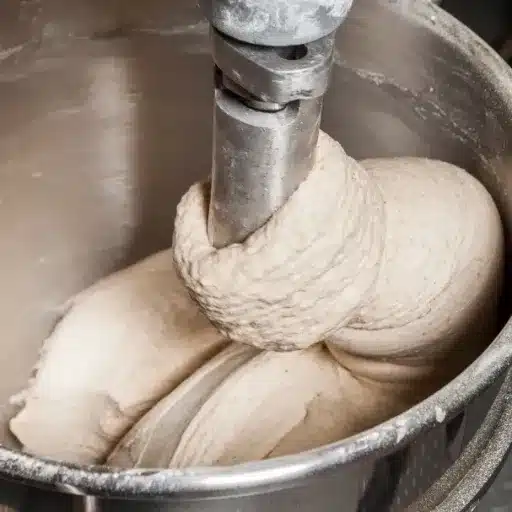
At the initial dough processing equipment stage, the necessary ingredients—flour, yeast, gluten or stiffness-forming agents, and water — are mixed to create a uniform dough at various stages. The step involves proper hydration and gluten development, which are crucial for both structure and texture. The dough, after mixing, is allowed to rest or ferment to promote yeast activity and flavour enhancement. Afterwards, the dough is cut into pieces and shaped as needed to move to the proofing and baking stages, respectively. Such regimented practices are responsible for the uniformity and the quality of the finished goods.
Mixers: Choosing the Right Dough Mixer
One of the aspects to consider when picking a mixing device is the type of baking activity and the workload of dough handled. A planetary mixer is preferred for house cakes or any other desserts, whether on a restaurant scale, because of its applicability in beaters specially designed for dough, cream, batter, or similar items. When most of the work involves preparing pastry or longer-term mixing during dough-making, spiral mixers are better since they are made explicitly for that purpose and can blend dough while keeping it cold. The best options for handling large quantities of dough daily are to purchase a commercial or continuous mixer. Before buying, you can evaluate the needs for capacity, speed ranges, and the types of formula they cover in service to ensure the mixer serves your production needs most efficiently.
Moulders: Techniques for Shaping Dough
Shaping is an integral and often critical step in dooh processing carried out using special equipment called moulders which engage with the dough that is being processed in order to guarantee evenness of shape, say of loaves, croissants, rolls, etc. The latter process considerably aids the convenience of ~smoll shapes shaping~ and cuts down labor costs enhancing productivity. There are different requests for dough processing depending on the kind of dough processing equipment applied. For instance, with a baguette moulder, dough pieces are extended from end to end, whereas a rounder conveys these pieces gently into a ball shape. If, after switching the equipment, it is not possible to achieve the established parameters of a particular product, namely the size, weight, or consistency of the dough, it is necessary to consider alternative solutions. Moreover, it is essential to remember to grease and stretch the surfaces and rollers of the machinery, as this helps prevent the dough from being distressed during stretching. Beyond that, it is essential to keep in mind that cleaning and maintaining the molders in good condition will assure continuous good use of them and they shall last for a long time.
Dough Sheeters and Presses: Enhancing Production Efficiency
Dough processing equipment, such as sheeters and presses, offers an excellent way to optimize the production of baked products, ensuring high efficiency without compromising quality. Sheeters are used to elongate the dough and to get an even thickness amongst the dough, minimising preparation time. These settings are adjustable to accommodate other baking recipes, be it a pastry, pizza or flatbread. However, presses are used for pressing and shaping dough contouring, which is advisable where bulk production is required.
Both machines are very essential in enhancing productivity by reducing manual mechanical work and losses while at the same time easy to use and flexible. This high-end equipment usually features aspects such as advanced controls and surface finish, and is compared to those that are too wide to fit in small bakeries, let alone in huge factories. For such machines, routine maintenance and calibration is necessary as failure to do so may affects machine serviceability and production flow. Investment in durable sheeters and presses will enable bakers to increase production yet in a consistent manner and without a compromise in end product quality.
Automation in Dough Processing
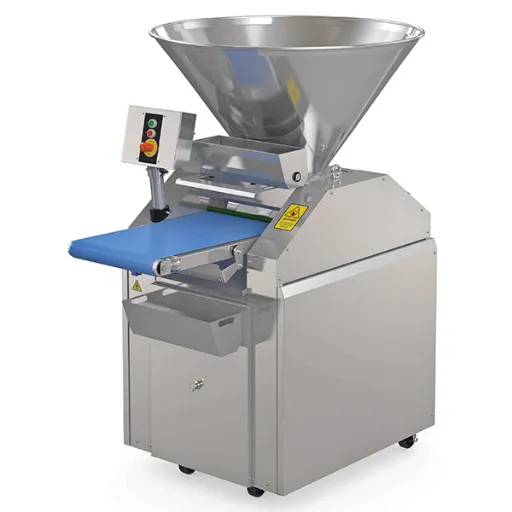
As an added benefit, the dough processing equipment reduces manufacturing time, minimizes human errands and downtime, and ensures a consistent product. Mixing, dough dividing, dough sheeting, and even dough proofing can be done accurately and very efficiently through the use of machines and systems. The processes are, thus, sped up in addition to reduction of mistakes during production and the quality of the output remains the same in successive batches. Also, it is possible to grow the capacity of a bakery until it becomes optimally built without compromising the quality of its products thanks to the integration of automation technology.
Benefits of Automatic Dough Handling Systems
- Even better Consistency Levels: dough processing equipment brings uniformity in terms of handling making sure that each product has a similar texture and shape, as well as quality level.
- Efficiency: The use of automation cuts down manual activities, speeds up the pace of production and hence improves production capacity.
- Cost Effectiveness: It reduces labor and production costs since human intervention during the production process is minimal.
- Flexibility: These machines help bakeries to expand production to satisfy the increasing market demand and ensure quality standards are maintained.
- Quality and Compliance Product Control: New systems ensure that ingredients and preparation procedures are accurately followed and that all products produced are of the highest quality.
Heavy Duty vs. Compact Dough Equipment
Heavy duty dough equipment is suited for large-scale production, offering durability and high capacity, while compact dough equipment is designed for small to medium operations, focusing on space efficiency and versatility.
| Key Point | Heavy Duty | Compact |
|---|---|---|
| Capacity | High output | Moderate output |
| Durability | Very durable | Less durable |
| Size | Large | Space-saving |
| Power | High energy use | Energy efficient |
| Flexibility | Limited versatility | Highly versatile |
| Maintenance | Requires experts | Easier to manage |
| Cost | High upfront cost | Lower cost |
| Use Case | Large bakeries | Small to medium |
Implementing Automation in Bakery Production
Automation in the bakery industry offers many advantages. Some of these include increasing the effectiveness of production, and also the uniformity and the expansion of the bakery business. Pulling automated elements into the system helps bakeries with dough preparation, baking, and packing. Thus, the combination of manual efforts and operational steps is minimized. This is therefore achieved by not only increasing the rate of production but also significantly maintaining the same quality.
In case of mass production, heavy-weight machinery is preferred as it provides good volume and is durable enough to withstand the excessive load. They are suitable for industrial purposes involving high production. However, small or medium-sized manufacturing usually benefit more from smaller machines designed for their efficiency in labor and energy use, as they are more flexible and cheaper. In choosing or adopting any kind of automation, the baker’s production requirements, the space available for installing the equipment, and the costs will likely play the most significant role.
Specialized Equipment for Different Types of Dough
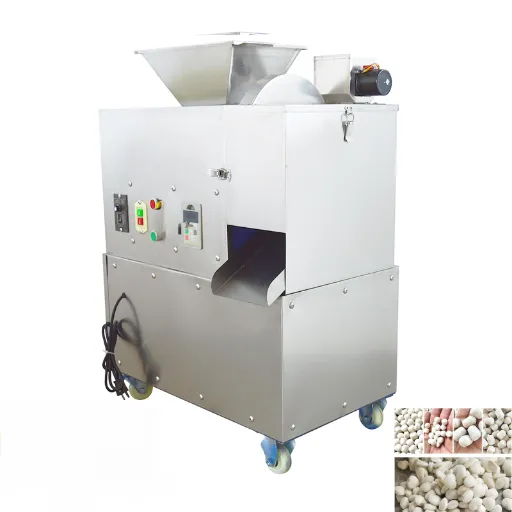
Different dough typologies demand different dough processing equipment which can give a better texture of the dough. Consider a spiral hook, which is most suitable for bread and facilitates all processes, including gluten development. Mixer styles with planetary style configuration are used for many types of mixtures, especially cakes, icings, soft bread, meringues, and other delicate textures. Sheeters are essential when processing laminated dough such as puff pastry and croissants, where even thickness is necessary. In case of a pizza dough, there are dividers and rounds to assist in conjugating, sectioning, and forming balls of dough, while in baguettes, a molder helps in creating long, lean shapes. Choice of given equipment helps in optimizing the process for certain doughs.
Processing Equipment for Artisan Bread
The artisan bread making process involves advanced dough processing equipment and delicate dough quality effects. The basic apparatus includes mixers configured to kneed with minimal force in order to prevent over-developments of the gluten and to keep the dough aerated. There are dough dividers and rounders to provide the correct quantity of dough and ensure uniform shaping in the oven. A proofing cabinet or a proofer is also a standard tool in the bake space and its use allows doughs to leaven without an uneven temperature rise in the typical pressure of the kitchen. Especially for professional bakers, deck ovens provide even heating and applications that enhance crust, making them insiders’ favorites for baking most types of bread.
Dough Pumps for Pizza Production
Dough pumps are key instruments in the making, which is efficient, swift and effective, large number of pizzas as these aids the introduction as well as portioning of dough in a controlled manner. These machines have been constructed with a special consideration to tenderly handle the dough when in use, such that the dough is not deconstructed or compromised in any way. Thanks to modern technology, dough processing equipment is designed to be functional and straightforward for various types of dough with different degrees of hydration, such as stiff dough like Neapolitan style and bulky dough recipes. Since there is less human interference, wages are reduced, but most importantly, it promotes uniformity, which is essential for mass production and delivering known quality products to consumers.
Adapting Equipment for a Variety of Dough Products
Today’s food sheer facilities are expected to accommodate a huge variety of asks and dough types, each with its own specific requirements in terms of hydration, plasticity, texture, among other things. One way to achieve this is by using dough processing equipment that is exceptionally flexible and dynamic to accommodate different situations. An example is mixers which come in various speeds where different speeds are selected according to the grade of dough being mixed such as soft dough for buns or stiff dough for bagels. Likewise, there are dough dividers and stretchers that permit convenient changeover to various shapes and sizes.
High-level innovation in equipment and properly regulated machines guarantees that products will be of high quality in a bakery within an appropriate range as certain clients prefer a particular baked good more than a specific other. Such a building ensures that the manufacturer can explore new products in various ways while still maintaining economies of scale to keep up with markets and seasons easily.
Maintaining Equipment for Optimal Performance
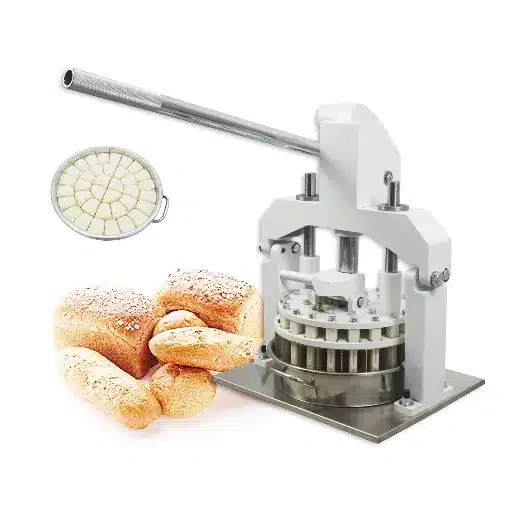
Systematic servicing of dough processing equipment should be considered to ensure both good quality work and durability. Machine breakdowns and inefficient machine use can be eliminated through proper cleaning, checking worn-out parts, and undertaking timely services. The good condition of the moving parts as well as attending to any mechanical problem ensures efficiency and satisfactory quality of the finished products.
Regular Maintenance Practices for Dough Equipment
Ensuring optimal performance of dough processing equipment heavily relies on enforcement of regular maintenance activity. Start by establishing a routine for cleaning any remaining dough or any other particles within the machines that may affect their operation. Check rollers, belts and blades routinely in case there are any indications of damaged and replace when wear and tear is visible to avoid breakdowns in classes. Also, ensure the proper calibrations and adjustments to optimize and restore the desired consistent dough characteristics. Ensure the moving parts are lubricated with lubricants that are recommended by the machine healthy working products by the supplier to reduce wear and tear. Lastly, ensure electrical wiring and other components, including sensors or switches, are checked regularly for safety and efficiency, i.e., no downtimes and higher productive hours for your machines.
Identifying Common Issues in Dough Processing Machines
One significant issue that I have observed is dough texture that is not uniform which is usually due to the wrong ratios of ingredients or machines that are not correctly set. Another recurrent problem is also the uneven cut of the dough, this is mainly because the blades are not sharp enough or they are out of alignment. In addition, the performance of the components can be limited, or failure can occur if there are worn-out parts that are not regularly serviced. It is through regular vulnerability assessments and correction of any distortions that these problems are significantly contained.
Upgrading Equipment for Enhanced Production Efficiency
Efficient production in my case owes to modern equipment, which has reduced man-hours. Upgraded dough processing equipment was the mainspring of increasing productivity and efficiency. These appliances maintain top quality and production speed with the best performance, enabling demands to be met and resources to be used optimally.
Reference Sources
-
Mixers – University of Michigan: This source provides detailed information on various types of mixers, their design, usage, and advantages/disadvantages.
-
When to Use an Electric Mixer and When to Use Your Hands – Escoffier: Discusses the use of mixers in dough preparation, including practical applications.
-
Bread – University of Michigan: Explains the science behind dough mixing, focusing on gluten formation and viscoelastic properties.
-
CPC Definition – Machines or Equipment for Dough Processing – USPTO: Covers machines and equipment for preparing, shaping, and processing dough, including mixing and kneading.
-
The Dough in Doughnuts – U.S. Census Bureau: Provides insights into doughnut-making machines and their role in dough processing.
Frequently Asked Questions (FAQs)
Which dough processing equipment is a must have in every bakery?
In every bakery, it is crucial to have mixers, yeast presses and moulder machines among other essential dough processing equipment. All these have been used to help in the dough making for such foods as pizza bases, buns and tortillas and other related products consistently. There is a lot that can be done in a fast moving bakery with heavy dough equipment.
Which function does a dough press serve during dough handling?
Dough presses have been tailor-made to shape dough or form round or flat sheets from it. These presses offer a constant force, ensuring the thickness and texture of the dough remain consistent throughout, which is essential when making foods like pizzas and tortillas. This allows the bakery to maintain quality while reducing costs and time through manual activities.
What is the nature of operation in dough making using a conveyor belt system?
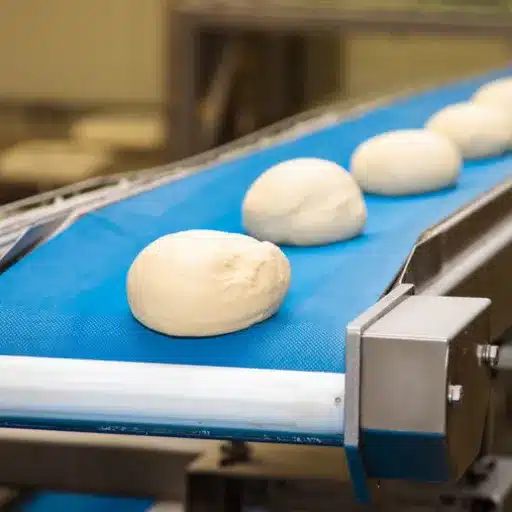
A conveyor system acts as an integral part to the dough manufacturing process, providing an easy and seamless dough movement process within each processing phase. With this system, there is continuity and minimal labor, allowing a lot of work to be completed in a given time period. If it was simply a simple bakery, the conveyor belts can be used to transfer dough from the mixers, place it on a dough press and later on in the oven belt.
In what manner does automating help enhance the regularity of dough production?
The Role of automation in the dough processing equipment assists in maintaining uniformity thus eliminating wasteful activities in the processes. Mixers and moulder machines performed with automation make sure that every single batch of dough is done in similar quality hence making various fine bakery products e.g. artisan bread, pizza crusts, tortillas etc., the same.
What advantages do the dough processing equipment heavy-duty machines offer?
There is this type of dough processing equipment used to reduce the presented batchability of dough and the quality thereof, implying its suitability for high capacity bakeries and food service operators. The devices allow preparation of heavy dough slabs needed to meet the huge demand without the risk of product deterioration that may occur. The use of durable systems in the bakery will also help to save on costs throughout the life of the business.
What role do kibblers and bread moulders play in the process of dough manipulation?
Dough preparations involve the use of kibblers and bread moulders, as these pieces of equipment offer more control over the size and form of final products than hands do. A kibbler reduces big pieces of dough to chunks while a bread moulder fills the dough into specific loaves in terms of texture. In sum, such devices help/managers to broaden the dough range and do it effectively.