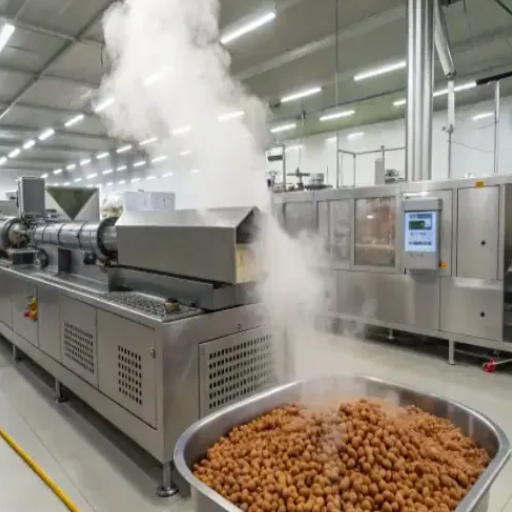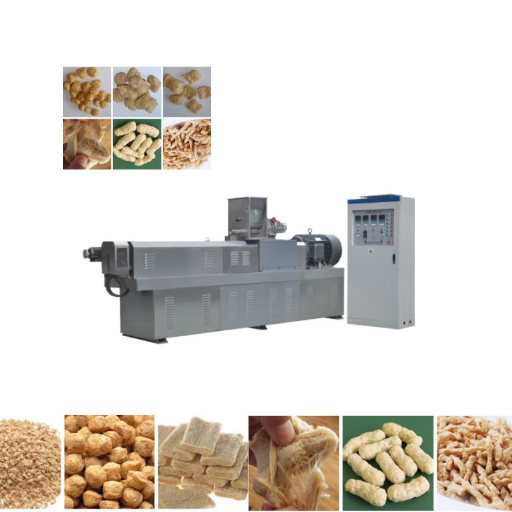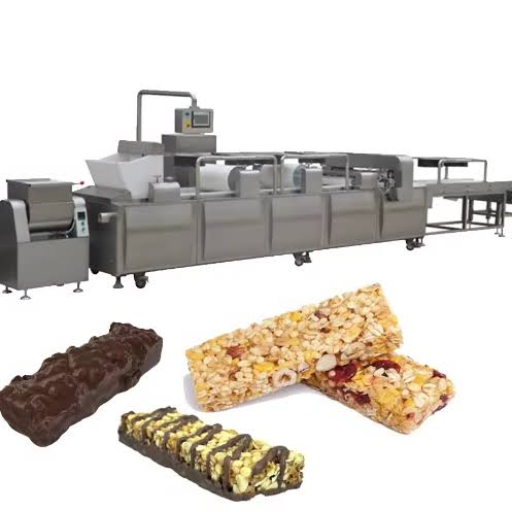
Whether your operation is a cozy neighborhood bakery or a large-scale industrial facility, selecting the appropriate bakery equipment can be a factor of success or failure. The small-scale bakery’s demands differ significantly from those of industrial production lines, and the entire mixing, baking, and proofing equipment world can be pretty daunting. Through this article, you will see the main differences between small-scale and industrial bakery equipment, thus learning how to harmonize your tools with your aims. We will consider the different factors you need to take into account to make the most informed decision about the future of your bakery, regardless if you are thinking of scaling up or simply optimizing your present setup.
Understanding Bakery Equipment Needs
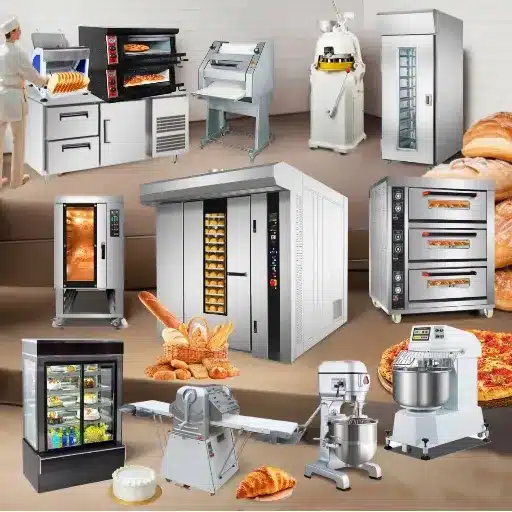
When determining what bakery equipment you will need, the first step is to evaluate your production goals and volume. In the case of small-scale operations, the priority should be versatile and compact tools suitable for artisan-style baking. In contrast, industrial bakeries require high-capacity, automated equipment that is appropriately designed for large-scale production while maintaining the same quality. Besides, consider energy efficiency, durability, and maintenance as factors that can help you align your equipment with growth objectives and operations efficiency.
Understanding the Differences Between Small-Scale and Industrial Equipment
Key Point: Small-scale equipment focuses on versatility, lower capacity, and manual operation, while industrial equipment emphasizes automation, high capacity, and efficiency.
Overview of Essential Bakery Equipment
Baking needs a number of different kinds of equipment to make it done quickly and the quality of the final product to be really high. Below is a list of the fundamental tools that both small-scale and industrial baking use:
- Mixers: These tools are essential for mixing both dough and batter. The stand mixers are generally used in small bakeries while the industrial ones are capable of large batch production.
- Ovens: These are devices that come in many forms such as convection ovens and deck ovens etc. and they are all essential for creating or baking different kinds of products like bread, pastries, and cakes. Convection ovens are great for even heating and deck ovens are perfect for the baking of artisan products.
- Proofers: A proofer is the equipment that supports dough at a specific temperature and humidity for rising, which at the same time, guarantees the consistency in bread production.
- Scales: Measuring scales that are very accurate are necessary to have the same recipes over and over again even for the smallest or largest amounts of production.
- Rolling Pins and Sheeters: Rolling pins are manually used but dough sheeters are used in large-scale operations, as they roll out dough evenly and hence the processes are faster.
- Cooling Racks: They make it possible for the baked goods to cool properly thereby maintaining their texture and taste.
- Storage Racks: They help to store the ingredients or the tools in an organized manner and take up less space thus enabling a less hectic workflow.
All these equipment are crucial in speeding up the operation and at the same time maintaining the quality of the bakery products. The choice of tools is based on the production scale and the types of goods being baked.
Choosing the Right Equipment for Your Bakery Type
Choosing the right appliances for your bakery production is a process that must first consider your bakery’s specific requirements. The bakery, which specializes in artisanal bread, could, for instance, invest in strong mixers, dough sheeters, and large capacity ovens specifically for bread. On the other hand, a pastry shop that deals with cakes and pastries could first consider ovens, whipping machines, and decorating tools. Also, other factors such as space availability and the amount of production planned will affect the choice of machines. It is a good strategy to rely on the most well-known brands, look at the reviews, and get advice from experts. This way, the equipment you have will be dependable, economical, and suitable for your bakery’s individual needs.
Essential Bakery Equipment for Small-Scale Operations
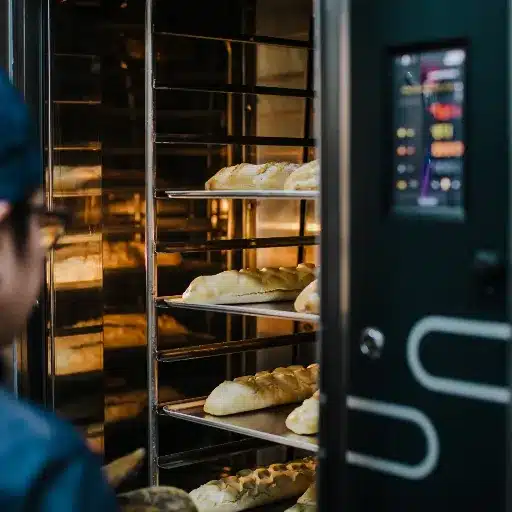
In most cases, small bakeries will invest in an oven capable of producing excellent results, a stand mixer, a set of pans for baking, a few bowls for mixing, and a set of measuring tools as their basic equipment. Furthermore, equipment such as dough cutters, rolling pins, and cooling racks will support the production process. Moreover, a pastry bag for artistic decorations and a scale for exact measurements can increase the productivity and uniformity of your baking process according to the types of products you offer.
Must-Have Baking Equipment for Startups
In the baking sector, generally, startups require a combination of basic and reliable tools to ensure consistent quality and productivity. The most important equipment is as follows:
Oven: A versatile and reliable oven is essential for baking various kinds of goods
-
- .
- 2Stand Mixer: It speeds up the mixing tasks and, at the same time, ensures uniformity of dough and batter consistency.
- 3Baking Pans: For cakes, bread, and pastries, non-stick pans of different sizes should be chosen.
- 4Measuring Tools: The use of right measuring cups, spoons, and digital scales is essential for precision.
- 5Mixing Bowls: The use of strong bowls of different sizes for various recipes.
Cooling Racks: They allow
- the baked products to cool in a manner that is even and proper.
- 7Hand Tools: These include dough scrapers, rolling pins, and piping bags which are very important for detailed work and finishing touches.
By concentrating on these basic needs, startups will be able to make their operations more efficient and their baked goods to be of high quality consistently.
Budget-Friendly Options for Small Bakeries
- 💰 Second-hand Equipment: You can buy gently used ovens, mixers, and other equipment from trusted sellers or bakery liquidation sales. This will not only help you cut down on your starting costs but also make it less stressful for you.
- 🔧 Multi-Purpose Tools: Choose tools with multiple applications, such as combination mixers or rolling pins that can perform different functions.
- 📦 Bulk Ingredients: Purchase primary ingredients like flour, sugar, and baking powder in large quantities from wholesale suppliers to reduce expenses.
- ⚡ Energy-Efficient Machines: Choose energy-saving ovens and other electrical equipment to lessen your electricity bill slowly.
- 🛠️ DIY Solutions: Consider making your own simple organizational systems or reusing clean containers for storage instead of buying expensive commercial ones.
The implementation of these strategies can be a mean for small bakeries to keep their expenses under control and still enjoy the benefits of quality and efficiency.
Space-Saving Solutions for Limited Areas
- 📐 Vertical Storage:Use shelves, hanging racks, or pegboards to maximize the vertical space for storing tools, equipment, and ingredients.
- 🎯 Compact Equipment: Choose small, multifunctional appliances designed for limited space.
- 📋 Foldable Surfaces: Bring in folding workstations or tables that can be tucked away when not in use to create extra space.
- 🎨 Organized Zones: Set up the workspace in a way that each zone designated for a specific activity is as efficient as possible, e.g. preparation, baking, and packaging.
- 📦 Smart Containers:Use stackable and transparent containers to store ingredients, allowing you to use less space and easily find what you need.
The adoption of these measures can certainly enable the small-scale operations to keep on being productive and organized, despite of the limited space.
Industrial Bakery Equipment: Efficiency and Scale
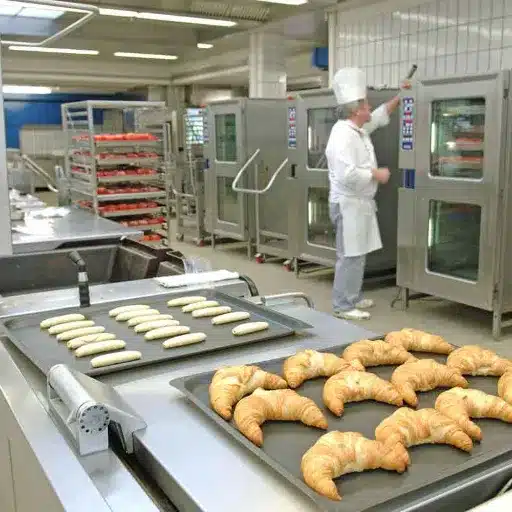
Industrial bakery machinery is meant to improve the productivity and scale of production. Soon, it will be possible to buy and use such machines for the mass production of baking products. Automated systems for large-scale dough mixing, shaping, baking, and cooling bring the processes together under one roof and cut down on labor and mistakes and guarantee that the output is of the same quality all through the day. The use of the most modern technology allows the bakeries to cope with the high demand in a time and resource-efficient manner. Thus, it is inevitable for the business that has to expand its operations to rely on the industrial equipment as it has become a crucial part of the process.
High-Volume Equipment for Large Bakeries
High-volume equipment is crucial for large bakeries to achieve both efficiency and consistency while fulfilling large production requests. Industrial mixers, ovens, and conveyor systems which are the primary machines in the baking industry collaborate to automate some of the basic baking steps completely. These systems cut down the manual labor need to a minimum, bring about the same quality of products, and permit nonstop production which is an integral part of operation scaling. High-volume equipment has reduced the period of inactivity and improved the work process, ensuring production of good quality and large quantity.
Key Bakery Machines: Mixers, Ovens, and More
Modern bakeries make use of a range of highly skilled machines that are designed for specific tasks. For example, industrial mixers are essential for uniformly mixing different ingredients, whether for bread dough, pastry fillings, or cake batters. The large ovens such as the deck ovens or the rotary ovens not only provide consistencies in baking and the just right temperature but also have an even heat distribution. Conveyor systems assist in gradually transferring items from one production stage to another, starting with proofing and ending with packaging. Dough dividers that cut dough according to its weight, and proofer units that are placed in a particular condition for fermentation, are also part of the necessary machines. These machines, as mentioned, facilitate the entire process while ensuring that the quality standards of high-volume production are still met.
Automating Processes: Benefits and Considerations
The application of automation to the baking processes offers a plethora of benefits especially large-scale production facilities. The main advantage is the enhancement of efficiency and consistency. With the use of automated systems, the repetitive tasks can be carried out with precision and thus human error will be reduced and uniformity in the final product will be ensured. This not only leads to the improvement of product quality but also results in a reduction of waste that is caused by inconsistencies.
Nevertheless, some major factors should be taken into consideration. The costs of equipment for the initial investment can be pretty high and therefore the businesses have to be extremely careful in their evaluation of the return on investment. Moreover, the integration of automation necessitates the thorough training of employees and sometimes even the restructuring of the workflow. It is essential to find the right mix of automation and the preserving of the traditional methods that might be responsible for the characteristics of certain baked goods. For businesses that want to expand their production while maintaining the same quality of the product, careful planning and regular maintenance of automated systems are key to achieving the best outcome.
Comparative Analysis of Baking Equipment
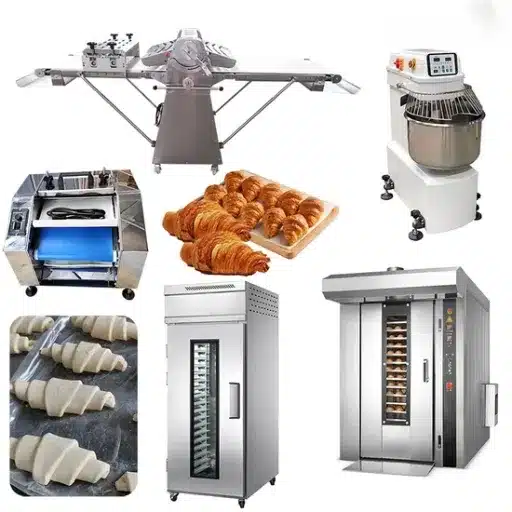
For comparing baking equipment, it is essential to consider efficiency, scalability, cost, and quality of output as main factors. Conventional equipment usually requires more labor but at the same time, it offers more control over the process, which is really suitable for small-scale or specialty production. On the contrary, automatic machines are made for mass production, thus, increasing production speed and consistency by a great deal but demanding a more expensive upfront investment. Hibrid solutions provide a compromise, striking a balance between automation and manual intricacies to nurture quality. Ultimately, the production target, financial limitation, and the desired degree of customization will dictate the choice.
Convection Ovens vs. Conventional Ovens
Comparison Overview: Convection ovens differ from conventional ovens primarily in cooking efficiency, heat distribution, usage scale, and equipment requirements.
Small-Scale vs Industrial Bakery Equipment
Equipment Comparison: Small-scale bakery equipment is ideal for artisan or limited production, while industrial bakery equipment is designed for high-volume, automated production.
Dough Sheeters and Their Importance in Production
Dough sheeters are indispensable machines in both small and large-scale baking processes. By rolling dough to a specific thickness, these machines significantly enhance precision and shorten the time required for manual labor. Baked goods like pastries, pizzas, and laminated doughs are the major categories that consistently achieve their quality, texture, and appearance through dough sheeters. Such consistency is most important in large-scale production where very high quantities are involved and uniformity of output is a significant requirement.
On the other hand, dough sheeters help small-scale producers with the flexibility and efficiency to attain professional quality even with limited resources. Besides, in industrial settings, the automatic production lines they are attached to secure faster and more efficient workflow. Whether it is through mitigating labor costs or eliminating the risk of overworked dough through waste prevention, dough sheeters remain an essential tool for modern food production, meeting the needs of speed, precision, and scalability.
Maintaining and Upgrading Bakery Equipment

Proper maintenance and timely upgrades of bakery machines are paramount for ensuring consistent performance, prolonging their life, and reducing repair time. Regular cleaning, lubrication, and inspection are the preventive measures against mechanical failures while following the manufacturer’s guidelines means an increase in safety and efficiency. The replacement of old machines with modern energy-efficient ones not only increases production capacity but also improves quality and reduces operational costs. The dynamic and ever-changing bakery environment calls for constant maintenance and upgrades to meet its demands.
Essential Maintenance Tips for Longevity
🧼 Regular Cleaning
Cleaning baking equipment regularly might take a lot of time but it is worth the effort in case the equipment longevity is at stake. Residual ingredients can accumulate over the years making the equipment up to a certain point of being filthy and easily contaminated or causing mechanical problems. Clean mixers, ovens, and other tools properly with food-safe cleaning solutions also following a consistent cleaning schedule.
⚙️ Lubrication of Moving Parts
If the moving parts are adequately lubricated, they will not create friction therefore there will be no wear and tear on the main parts. Always use the lubricants recommended by the manufacturer and inspect the areas for signs of excessive use or drying out to avoid overloading the machinery.
🔍 Routine Inspections
It is a good idea to set up routine inspections where a very slight loss of quality or other minor issues that could be the beginning of big equipment failure will be detected. Finding problems early allows for fixing them quickly which in turn reduces the risk of expensive breakdowns.
📏 Calibrate Regularly
Inaccurate ovens and dough sheeters can easily lead to a drop in the quality of the final product. That is the reason why this type of equipment has to be calibrated regularly. Calibration prevents uneven baking and minimizes production mistakes.
🔧 Replace Worn Parts Promptly
As soon as you notice a part that is not working correctly or is worn out to the extent that it needs to be changed in the case of belts, blades, and seals, replace it. If you wait for replacements you will not only incur losses due to the breakdown of the equipment but the breakdown may also be of an unpredictable duration.
📋 Follow Manufacturer Guidelines
Maintenance as provided by the manufacturer is essential for achieving the optimal performance of the equipment. These guidelines usually involve cleaning protocols, service intervals, and parts replacement schedules.
When bakery operators and owners put in place these crucial maintenance practices, they can not only prolong the life of the equipment but also reduce the cost of repairs, and keep production processes running smoothly. Proper maintenance not only assures operational efficiency but also contributes to the general safety and quality of the baked products.
When to Upgrade Your Equipment
There are three main reasons why upgrading bakery equipment becomes necessary: it no longer meets production demands, it frequently breaks down, and it affects product quality. I will also consider an upgrade if newer technologies improve efficiency, energy savings, or safety standards that align with my bakery’s goals. The money invested in updated equipment is the assurance of maintaining consistency, reduced downtime, and being able to cater to customer’s ever-increasing expectations.
Reference Sources
- Small Bakery Vs Industrial Bakery: A Comparative InsightThis article provides a comparative analysis of small and industrial bakeries, focusing on production scale, quality, and other key factors.
- Commercial Bakery Equipment ListA detailed guide to essential bakery equipment, including a downloadable checklist for commercial setups.
- Commercial Bakery Equipment & Supplies Buying GuideThis guide discusses factors like production volume, space, and budget when choosing bakery equipment.
Frequently Asked Questions (FAQs)
QWhat are the bakery equipment items that you can’t do without for a small bakery startup?
The gas convection oven, dough sheeter, mixer, and different baking pans are the basic equipment that every small bakery should have. Moreover, investing in sturdy bakery storage bins, pastry brushes, and a slicer will definitely improve your working and product quality.
QWhat benefits does a dough sheeter offer in the baking process?
With a dough sheeter, the thickness of your dough will be uniform throughout, which is essential for baking pastries, cookies, and pizza bases. The machine also helps to speed up the process, making less time and energy required for baking and at the same time getting the same quality of your baked goods.
QWhat kind of ovens are suitable for the baking needs of small bakeries?
Small bakeries are generally advised to use a gas convection oven because of its high performance and even heat distribution. This oven can bake not only different types of bread but also muffins and cakes.
QWhat is the price range for bakery equipment for small-scale?
Small bakery equipment can have a very different price range depending on the manufacturer and the quality of the equipment. For example, basic items like mixing bowls and pastry brushes can cost less than $50, whereas machines like dough sheeters or gas convection ovens can start from $1,000 and go well beyond $10,000.
QWhat kind of confectionery can the dough sheeter produce?
A dough sheeter can make many different kinds of pastries, such as croissants, donuts, and puff pastry, to name a few. The use of this machine enables bakers to roll out dough very quickly and evenly, thus making it possible to produce uniform and tasty baked goods.
QWhat is the significance of a mixer in a bakery?
It is a mixer that plays a vital role in combining ingredients, whether you are making bread dough or cake batter. Besides that, a mixer can handle even the toughest doughs, thus ensuring the right consistency and, consequently, perfect buns and cookies.