Small manufacturers aiming to establish themselves in the highly competitive food industry must be very efficient and produce high-quality products. One of the most critical processes in the creation of such products is fruit processing, which also involves equipment that helps create and maintain product quality. But choosing the ideal tools for small-scale operations can be difficult; besides the budget, space, and production goals, there are many other factors to consider. In this article, we will discuss fruit processing equipment specially made for small manufacturers, along with essential tools, their advantages, and how they can help you scale your business. Whether you’re just starting or optimizing your processes, this guide will provide you with the critical information to take one more step in your fruit processing ventures.
Introduction to Fruit Processing
Fruit processing encompasses everything that happens to fruits from the farm to the consumer, such as cleaning, cutting, and so on. The first step is usually washing, followed by peeling and cutting if necessary. Then, the fruit is either frozen, dried, or canned for shelf life extension. Melting off the ice and freezing are two of the least used methods due to the time and cost of processing. Therefore, the most adopted method nowadays is canning or pasteurizing, both of which are chemical-free. An efficient fruit processing system will not only reduce waste but also ensure food safety and quality. It will be one more stage in the value chain of raw produce, thus making it a paramount practice in the contemporary food industry.
Understanding the Importance of Fruit Processing
Fruit processing is essential for meeting global food demand and reducing waste. The latest data and search trends indicate that consumers and industries will be most affected by sustainable food practices, with environmental impact being the main issue. Fruit processing enables fruits that are either in surplus or about to perish to be recycled through efficient preservation methods. Thus, the amount of food waste going to landfills is significantly reduced. The reason being that canned fruits, frozen berries, and fruit pulps are among the processed products that allow the consumption of seasonal fruits all year round, and at the same time, the global market is being served. Moreover, the technologies used in fruit processing, such as vacuum drying and cold storage innovations, are constantly improving thus enhancing and prolonging the nutritional quality of fruits. Therefore, the processed items are still considered to be health-beneficial. Processing opposite to that, though, is where the food chain’s crucial link is; it meets market demands as well as sustainability concerns by its practices.
Common Confusions: Fruit vs. Vegetable Processing
The main confusions between fruit and vegetable processing arise in classification, preservation methods, nutrient retention, processing challenges, and market demand.
Overview of Processing Solutions for Small Scale Manufacturers
Efficiency, affordability, and quality in operations are just a few of the main challenges confronting small-scale manufacturers. However, these issues can be handled with various processing solutions specifically designed for them:
Affordable Equipment
High-quality processing will not require heavy investments as the small-scale producers can make use of the small and cost-effective machines. The table-top dehydrators for fruits or small-scale canning equipment for vegetables are just to mention a few.
Flexible Production Methods
Solar drying for fruits or vacuum packing for vegetables are very effective and economical preservation methods that consume the least energy. These methods are instrumental in preserving the excess produce during the peak seasons when the demand is low.
Locally Sourced Support
By relying on local suppliers and producers, many manufacturers can reduce their costs and support regional supply chains.
The use of these methods enables small-scale manufacturers not only to maximize their production but also to dispose of their waste and meet the demands of both local and regional markets efficiently.
Types of Small Fruit Processing Equipment
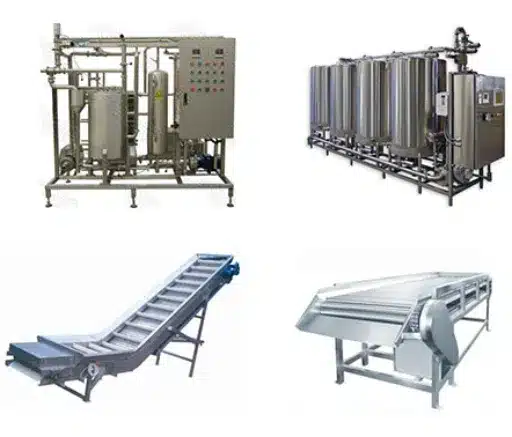
Small fruit processing equipment includes fruit washers, blanchers, peelers, juicers, pulpers, crushers, dryers, slicers, and packaging machines.
Essential Fruit Processing Equipment
Fruit processing is the complete transformation of raw produce into consumer-ready products, involving various stages. Below are listed the most important types of equipment along with their primary uses:
1. Juicer
Purpose: To get the juice out of the fruits in a very effective way.
Benefits: High efficiency and suitability for both small and large-scale production.
2. Pulper
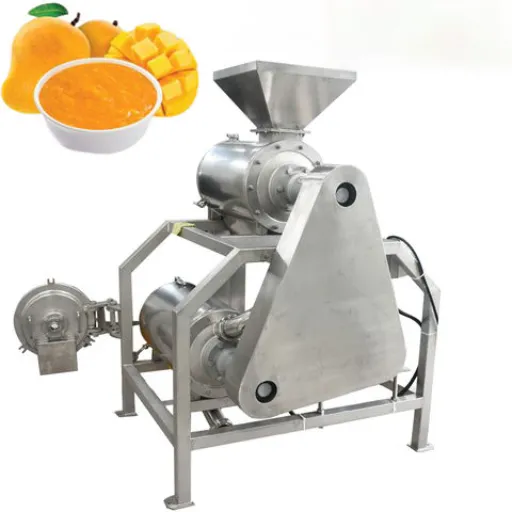
Purpose: Turns fruit pulp into an excellent and even consistency.
Benefits: Excellent for products such as puree or sauces.
3. Crusher
Purpose: Fruits are cut into smaller pieces that are suitable for further processing.
Benefits: Size of crushing can be altered to fit the requirements of the production.
4. Dryer
Purpose: Water is taken out of the fruits.
Benefits: The fruits are preserved for a longer shelf life.
5. Slicer
Purpose: The fruits are cut into equal-sized pieces.
Benefits: Presentation is improved and an even drying or cooking is ensured.
6. Packaging Machine
Purpose: The final products are packed in a way that they are safe and look good.
Benefits: Proper sealing, organization, and product longevity are ensured.
The operationality and uniformity in output of these machines make them very important, serving as the backbone of both commercial and industrial fruit processing setups.
Juice Production Machines
The juice machines are made to high standards, especially to extract, treat, and package juices quickly and efficiently. To enclose the machine,s the following are usually:
1. Juice Extractor
Aim: Juices are drawn from fruits or vegetables.
Advantages: Extraction of juice is done to the full extent and the pulp and seeds are separated easily at the same time.
2. Pasteurizer
Aim: Juice is heated to a certain point where all the bacteria are killed.
Advantages: The product is made safe for consumption and the period of storage is increased.
3. Filling Machine
Aim: The processed juice is poured into bottles, pouches, or containers.
Advantages: The speed of the production line is increased and the cleanliness of the operation is ensured.
The niche of each machine is crucial for producing the highest quality juice, making the entire process efficient and adaptable to various needs.
Comparing Processing Machinery for Different Fruits
Juice processing machinery varies by fruit type, including equipment for citrus fruits, apples, berries, and tropical fruits such as mangoes and pineapples.
The table summarizes distinct machinery used for different fruit categories, highlights their purpose, operational efficiency, and suitability for various production scales.
Small Fruit Processing Techniques and Equipment
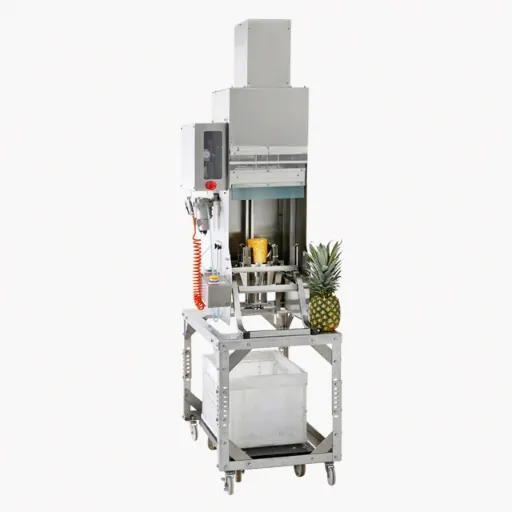
Small fruit processing methods and machinery are influenced by the fruit type and the end product that is to be made. For citrus fruits, highly effective juice extraction tools like extractors and peelers are used, providing both high efficiency in operations and suitability for production. Apples are generally processed using crushers and presses for pulp separation, with medium efficiency and moderate production scalability. Berries can be processed with pulpers and strainers that effectively remove seeds, providing a mixture of high operational efficiency and moderate scalability. Tropical fruit processing usually involves peelers and slicers for the fruit pulp, achieving medium efficiency and high suitability for significant production needs. The skilled use of these methods and tools ensures that fruit quality is preserved optimally and that resources are utilized efficiently.
Fruit Washing and Preparation
Washing fruits properly and preparing them are necessary steps to keep food safe and maintain quality standards during processing. Cleaning fruits thoroughly with tap water ensures safe drinking water, as it is the best way to remove dirt, pesticides, and other surface contaminants. Although washing fruits with just plain water is the most common and simplest method, using a mild, food-safe cleaning solution can enhance sanitation. After washing, fruits are sorted to remove damaged or spoiled pieces, making sure only high-quality produce is sent for further processing. Peeling, trimming, or cutting should follow, depending on the type of fruit and its final use. This preparation step is crucial for getting consistent results in further processing stages.
Juicing Methods: Presses and Crushers
Juicing methods using presses and crushers aim to extract the best juice from fruits while leaving as little waste as possible. The pressing process involves compressing whole or crushed fruit, which forces the juice out and leaves behind the remaining solids. There are several types of presses, ranging from small and simple manual presses for small operations to powerful hydraulic or pneumatic presses in large commercial operations where high efficiency is the primary concern. Crushers, in contrast, are the machines that turn fruits into small pieces or mash before the pressing operation. This practice leads to the formation of a much larger area of the fruit, which in turn makes juice extraction much easier. The use of crushers along with presses results in a more seamless process and a greater quantity of juice which is why they are both widely used in artisanal and industrial juicing operations.
Puree Production: Equipment and Techniques
To get top-notch puree, specialized equipment and skilful techniques are required to maintain the fruits’ or vegetables’ taste and texture. Industrial blenders, food processors, and specialized puree machines are some of the main tools used for efficient and consistent results in the process. The machines are usually fitted with sharp blades and adjustable speed settings to create the kind of consistency that the customer desires whether smooth or just a little bit textured. Furthermore, during the preparation process, steamers and peelers can be useful for making fruits and vegetables softer and easier to peel, ensuring the final product is of high quality. Cleanliness and accurate temperature control along with blending times are also essential steps that need to be taken in achieving the best quality in puree production.
Key Considerations for Small Manufacturers
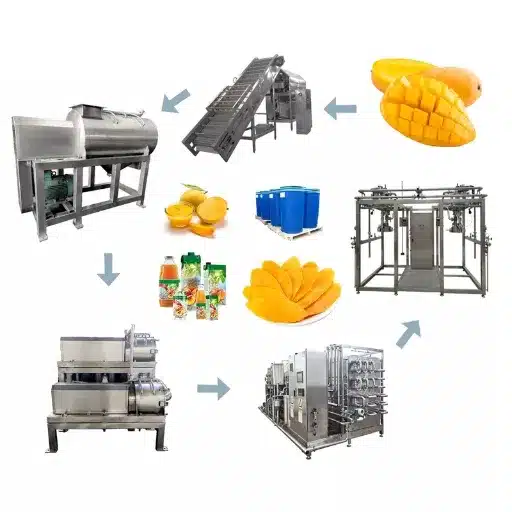
Small scale producers need to concentrate on raw material supply, guaranteeing to have the freshest and topmost quality fruits and vegetables to get the best results. Making sure that the equipment is in good working condition and practicing excellent hygiene will avoid contamination as well as the proper safety of the end product. Allocating finances for machinery that is flexible and suitable for smaller output can also be a way to cut costs and optimize space. Moreover, knowing what the market wants and adjusting the production levels in accordance to it is a prerequisite for growth that cannot be reversed.
Choosing the Right Small Fruit Processing Equipment
Choosing the right small fruit processing equipment means to weigh several essential factors for proper production. First, consider the specific fruits you plan to process and check if the machine can handle all kinds of fruits with different sizes and textures. It is also good to look for equipment that performs multiple functions like peeling, cutting, and juicing since these will all help in increasing the production of small-scale operations. Moreover, give preference to the apparatus that is made from strong, food-grade materials that meet the safety and hygiene requirements. The machine’s energy-saving functionality and low maintenance requirements are attributes that help cut costs and reduce downtime. Finally, factor in the possibility of scaling up of the machine to handle the increase in demand coming from marketing trends and customers’ preferences so that you can be on the competitive edge.
Cost vs. Efficiency in Machinery Selection
To find the appropriate equipment, weigh the cost and effectiveness carefully. The use of cheaper equipment should not result in lower performance or reduced usability in the long run. High-performance machines might be more costly in the beginning but they’ll cost less in the long run through saving on energy, increasing productivity, and reducing downtime. That said, less expensive initial investments may turn out to be more costly due to higher maintenance and operating expenses in the long run. Evaluate, therefore, both short-term costs and the long-term worth of the equipment to come up with the best solution, taking into account factors like durability, energy efficiency, and scalability.
Space and Scale: Designing a Processing Line
Designing a processing line involves critical steps like optimizing space and scaling capabilities, which directly affect operational efficiency. A practical method to do this is by taking an analysis of the available floor plan so that you can confirm that there is enough space for the placement of equipment, movement of materials and the workflow of employees. The design must consider the current production requirements while leaving room for future expansions or upgrades. It is essential to consider scaling, as it impacts the line’s future ability to adapt to increased volume or new product variety. The introduction of modular equipment, which can be reconfigured or upgraded as needed, is a practical way to manage changes while minimizing disruption and costs. Strategic planning that considers both space and scalability will enable the processing line to remain efficient and competitive over a long period.
Common Uses and Applications of Fruit Processing Equipment
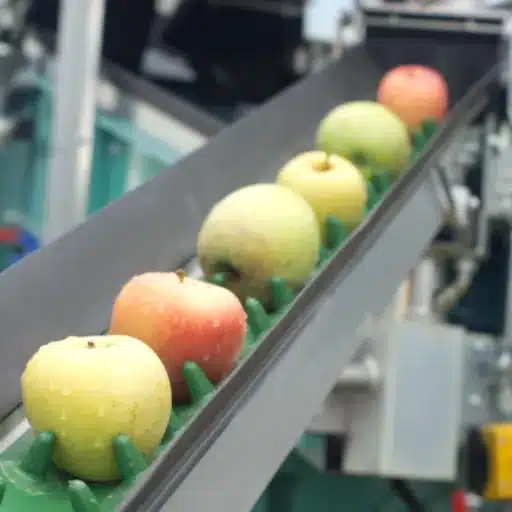
Fruit processing machinery is used for washing, peeling, cutting, juicing, pureeing, and even packing of various fruits in large quantities. The fruit processing plants use these machines as the primary sources of production for the consumable goods made from fruits, including juices, jams, dried fruits, canned fruits, and frozen goods. They are essential in the process of creating and keeping food safe, thus, their role is very significant in the production process. Their usage is not limited to small-scale operations; they also cater to large-scale commercial manufacturers.
Applications in Juice Processing
Fresh fruits can be easily transformed into high-quality juice products using juice processing machinery. The machines do the major processes like washing and peeling fruits and then the fruits are ready for juicing, the juice is taken out in a very efficient manner, and the pulp or the seeds are separated for a final product that is very smooth. Besides these, pasteurization helps prolong the shelf life of juice, blending can create different flavor profiles, and bottling ensures packaging that is both safe and convenient. These methods reduce production time while preserving the juice’s nutrients and taste, and they also meet the requirements of manufacturers and consumers.
Berry and Soft Fruit Processing Solutions
To process berries and soft fruits, special techniques are required to keep the fruits’ delicate textures, vivid colors, and natural tastes. Current practices utilize new technologies such as gentle washing systems, optical sorting for quality control, and cutting or mashing with high precision to ensure uniformity in the outcome. In juice making, cold-press methods are primarily used to preserve the highest nutrients and minimize heat exposure to the fruit, which degrades quality. Furthermore, vacuum sealing and freeze-drying are innovations that not only provide extended shelf life but also retain the fresh taste and nutritional profile of the fruits, ensuring the products meet market expectations in both quality and convenience.
Commercial Uses of Fruit Processing Machinery
Machinery used in the fruit processing industry finds its place in several commercial sectors, primarily to simplify production processes and make operations more efficient. Major areas where it is applied are juices, jams, purees, and dried fruits. The machines are capable of performing operations like constant slicing, pitting, juicing, and packaging which are required for large amounts of products and they do it without compromising on quality. Moreover, machines are involved in the process of granting longer shelf life for the products by using methods such as pasteurization, vacuum sealing, or freeze-drying and thus the products are virtually manufactured for both local and global markets.
Reference Sources
Michigan State University – Food Processing and Innovation Center
Processing, Forming and Filling Equipment
This source provides detailed insights into equipment like dicers, steam blanchers, and semi-automatic machines, specifically designed for small-scale food and fruit processing.
Chapman University – Ranney Food Processing Laboratory
Small Equipment for Food Processing
This document lists small-scale food processing equipment, including slicers, mixers, and other tools, used in academic and research settings.
Cornell University – Cornell Food Venture Center
This source discusses small juice presses and other equipment for processing small batches of fruits and vegetables, making it ideal for small manufacturers.
USDA – Agricultural Marketing Service
How to Purchase Equipment and Visual Aids
This catalog provides information on USDA-approved equipment for grading and processing fresh and processed fruits, ensuring compliance with industry standards.
ScienceDirect
Recent Advances in Processing and Preservation of Fruits and Vegetables
This article highlights innovations in fruit processing and preservation, focusing on small-scale applications and consumer demand for minimally processed products.
Frequently Asked Questions (FAQs)
What do you mean by small fruit processing technology?
Small fruit processing equipment means that the machine totally and completely handles the fruits, from the washing to the packaging and all getting involved in-between as basic fruits like small berries or melons, etc. These types of machines are considered the backbone of the small-scale production line as they are facilitating the operations of fruit washing, crushing, pressing, and juice extraction so efficiently.
What is the list of machinery that is mainly used for fruit processing?
Fruit processing involves many different kinds of machines like fruit crushers, fruit presses, fillers, and grinders. These machines handle all the work in the production line, which is quite a lot, and their job is to process fruits into juices, purees, and dried fruits.
Can you tell me how a fruit press works in a production line?
The working of a fruit press is to get the juice out by pressing the fruit that is already crushed and also separating the pulp. This is actually one of the most critical steps in juice manufacturing wherein viscosity and quality of the juice are the factors that can be achieved very effectively.
What materials are used to manufacture small fruit processing machinery?
The majority of the small fruit processing machines are made out of 304 grade stainless steel, which is sturdy, non-corrosive, and very easy to clean. The use of this material becomes increasingly important when we consider the need for cleanliness in food processing.
Can small fruit processing equipment also work on vegetables?
Most of the small fruit processing machines are multi-functional and can easily cater to vegetable products as well. Different fruits and vegetables can be processed using the same equipment, such as grinders, slicers, and peelers, which are suitable for commercial processing.
What should I do to make cleaning my fruit processing equipment easier?
Cleaning fruit processing equipment will be easy if you choose machines designed with smooth surfaces and few crevices. Stainless steel-made equipment usually has easy-to-disassemble options, making it possible to clean and maintain the equipment thoroughly between production runs.