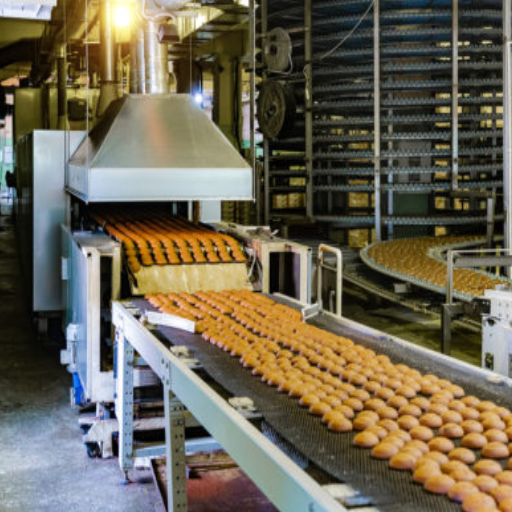
In the production of perfect crunchy, tasty corn chips, a high-tech Doritos production line is the main factor that assures consistent quality at maximum output. However, what exactly is the process of making these famous snacks, and how do modern machines and advanced technology guarantee that every chip is of the highest quality? This piece of writing takes you through the amazing world of Doritos production, showing the inventive machines behind the curtains, the different stages of making the famous chips, and the way efficiency and accuracy work together to satisfy the increasing global demand. Regardless of whether you are interested in food manufacturing or just want to learn about the technology that powers this sector, this tutorial will provide you with a sneak peek of the sophisticated process of converting corn into the tempting chips that we all love and adore.
Introduction to Corn Chips Production
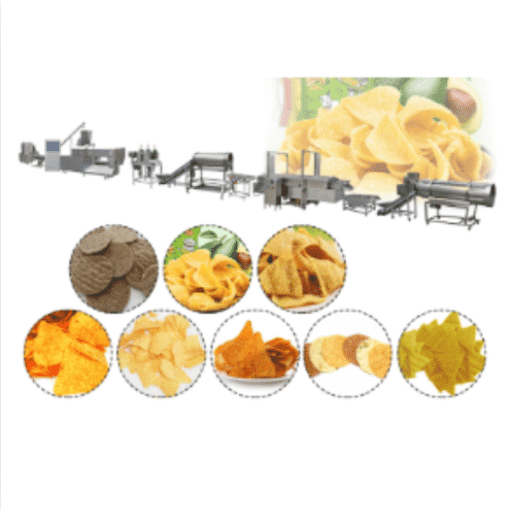
To start with the manufacturing of corn chips, the selection of top-grade corn is the first step, which afterwards being cleaned, cooked, and soaked in water to get it ready for grinding. The corn is then processed into masa, or dough, and the next stage involves forming it by making thin cuts or shapes resembling triangles. After that, the pieces are either baked or fried until their texture and crispiness reaches the perfect point. Before packing for sale, the chips are seasoned to further improve taste. This process makes it possible for the company to get the same quality product each time while still allowing the same flavor and chirp that corn chips are famous for around the world.
Overview of Doritos and Snack Market
Doritos, the flagship item of the Frito-Lay brand, has unquestionably become an iconic product of the snack industry worldwide, thanks to its daring flavors, constant innovation, and reliable market performance. Initially, the corn chips were introduced in 1966, and shortly afterwards they won over a large part of the target salty snack segment, thus significantly assisting the entire snack market’s growth. The brand has revived itself over time with a range of flavors like Nacho Cheese, Cool Ranch, and Flamin’ Hot that not only appeal to but also entice consumers to switch tastes.
📊 Key Market Statistics
| Metric | Value |
|---|---|
| Global Snack Market Value (2023) | $557.85 billion |
| Projected CAGR (2023-2028) | 3.6% |
| Frito-Lay’s U.S. Market Share | Nearly 40% |
| Customer Loyalty Gain (Sustainable Packaging) | Up to 18% |
The world’s snack market has been continuously growing with key factors including changing consumer lifestyles, increased snack consumption as meal replacements, and rising demand for convenient, flavorful, and promising food options. In such a competitive market, Doritos has a leading position, a strong brand identity, aggressive marketing campaigns, and a loyal consumer base to thank for it.
The product is targeted at a younger and more dynamic audience, who are attracted to the brand through the use of partnerships, social media activities, and the introduction of limited quantities of items. Moreover, there is continuous development in the snack market leading to the introduction of trends like plant-based options, healthier alternatives, and eco-friendly packaging but at the same time pushing companies such as Doritos to innovate and specialize their products.
The entry of Doritos into international markets has been another significant factor in the company’s growth. The brand is still capitalizing on emerging markets while adjusting according to the local taste with the help of the increasing demand in Asia-Pacific and Latin America. Moreover, this approach, along with its legacy of bold and daring flavors, is what keeps the brand being the show in the snacking industry at large.
The Importance of Production Lines in Food Processing
Production lines have become the most important part of food processing with modern technology, granting the global food supply to be met in a way that is not only efficient but also consistent and scalable. In 2023, a market report predicted the food processing equipment industry worldwide would be worth USD 92.88 billion by 2030 mainly because of the ongoing demand for pre-packaged food, convenience items, and the automation trend which is also making the production process more efficient.
✅ Key Benefits of Modern Production Lines
- ⚡ High Precision: Advanced production lines handle raw materials through packaging with exceptional accuracy while maintaining compliance with safety regulations
- 🤖 AI-Based Automation: Automated inspection systems detect flaws significantly faster than manual inspection, reducing waste and maintaining quality
- 🔄 Market Responsiveness: Companies can quickly attach to market trends, innovating and introducing new products efficiently
- 🌱 Sustainability Focus: Energy-efficient machines and waste reduction systems reduce costs while complying with environmental regulations
Moreover, modern production lines have gone green; the implication of eco-friendly technologies has been a steady trend in the sector with sustainability gaining more and more prominence. Energy-efficient machines and waste reduction systems are being used more and more because they reduce costs and at the same time comply with environmental regulations and the consumers who prefer to make sustainable choices. Innovations highlight the important position of production lines in allowing the food processing sector to tackle the problems of today and tomorrow in a competent way.
Defining the Triangle Slice Doritos Corn Pancake Production Line
A Triangle Slice Doritos Corn Pancake Production Line is a really specialized machine set that makes the same size, high quality corn-based snacks and pancakes consistently. This production line uses the latest technology in food processing to integrate hermetically automated mixing, shaping, baking, and packaging functions. Consumer’s demand for innovative and healthy snack options is steadily rising; the combination of data-driven insights and search trends shows that clearly.
The main characteristics of this production line, like the precision cutting mechanisms that create uniform triangle slices and the energy-efficient baking systems, are addressed to both market demands and operational efficiency optimization. The line’s flexibility also permits the use of alternative ingredients, which are in line with the increasing trend for gluten-free and plant-based snacks.
To answer the question, the use of such modern production lines will not only guarantee a large-scale, eco-friendly and consumer-friendly snack manufacturing but also the attainment of the SEO-identified preferences for sustainability and quality in snack manufacturing.
Production Process Overview

The making of Triangle Slice Doritos Corn Pancake consists of a well-structured and effective set of operations. The process begins with the mixing of high-grade corn flour with water along with other components to produce a uniform dough. The dough is then rolled out into very thin sheets, where it is later cut into triangle pieces of the same size. Baked or fried, the chips then attain the characteristic crunchiness. They are then flavored with seasoning combinations that are very similar to one another and the taste of each batch is also checked. They are finally wrapped in a way that keeps them fresh and then sent to retailers. Such a systematic process always ensures quality and at the same time, allows for large-scale production.
Steps in the Chips Production Line
1. Preparation of Raw Ingredients
The method of producing chips begins with the selection of high-grade raw materials like potatoes, corn, or other grains. The case of potatoes is that these get washed and peeled thoroughly, so dirt, debris, and outer blemishes can be completely removed. Generally speaking, about 80% of producers in the chips industry are using automated peeling machines as this greatly improves the process and at the same time cuts down on waste.
2. Mixing and Dough Formation (For Grain-Based Chips)
If corn or wheat chips are being produced, the raw materials will be transformed into flour and then mixed with water to create dough of uniform consistency. To this end, top manufacturers are making use of precision mixers that control temperature and mixing time, thus yielding the perfect dough consistency. Moreover, studies show that the automated mixing systems can lead to a reduction in production time of as much as 35%.
3. Cutting and Shaping
Once the dough is prepared, it is rolled out and then cut into exact shapes which are usually triangles or circles depending on the sort of chip. Sophisticated cutting machines maintain the recommended size and shape, which is critical for the desired result of cooking and for the evenness of production batches. There are figures to corroborate that the switch to laser-guided cutting technology can result in 20% less material waste.
4. Cooking Process – Baking or Frying
The chips then undergo the cooking process through either the frying or baking method. The frying is done in oil of very high temperature, and the temperature range is usually between 350–375°F (175–190°C), while baked chips are produced in custom-made ovens. Frying normally lasts 2-3 minutes, but in the case of baking, the time may be between 8-10 minutes. The modern oil-filtration systems that are in place during frying are able to increase the oil’s usability by as much as 40%, leading to a decrease in operational costs.
5. Seasoning and Flavoring
When chips are done cooking, a variety of flavoring powders or sprays are used to season them, and cheese, barbecue, or sour cream flavors, for instance, fall under this category. To be on the safe side, many manufacturers use tumbling drums with automatic seasoning dispensers to guarantee that there is always the same amount of flavor coating. Research conducted on the industry leaders has shown that the use of electrostatic coating systems increases seasoning adherence rates by 15%.
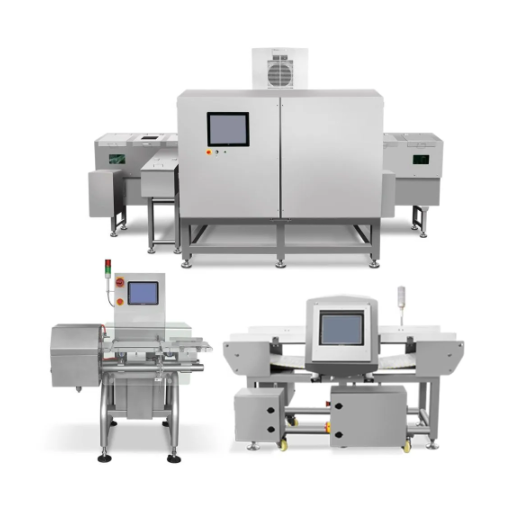
6. Quality Control and Inspection
After the production process, the chips are checked for the quality assurance process. The lion’s share of such quality checks incorporates the use of AI-powered optical scanners that can spot and automatically remove wrong chips characterized by defects such as overcooking, undercooking, or anomalous shapes. Data presented in the statistical reports asserts that the automated quality control systems can possibly point out 99.5% of inconsistencies in the finished products.
7. Packaging and Distribution
The moment quality criteria are fulfilled, chips are packed according to the nitrogen flushing procedures that will help them stay fresh and avoid going stale. The trend of using biodegradable packaging has witnessed a rise in recent years in that it corresponds to the consumers’ inclinations toward eco-friendly products. Analysts have found that firms which have turned to sustainable packaging solutions have drawn up to 18% gain in customer loyalty.
8. Logistics and Delivery
Packets of chips are marked, going to distribution houses where their placement to retailers is done according to the forecast of the demand. The digital transformation of logistics via predictive analytics has led to more efficient, timely delivery through accurate shipment routing and reduction of transport costs by up to 25%.
💡 Key Insight: Chips production process is made very efficient and also technology and data-driven approaches are the main factors for the quality and sustainability goals, so this means that even better product outcomes and customer satisfaction will be the result.
Role of Extruder Machines in Corn Chips Making
Extruder machines are very important in the making of corn chips, as they effectively monitor the whole process of the manufacture and at the same time the quality and texture are kept constant. The machines do the work by putting a mixture of cornmeal, water, and other ingredients through a predetermined die and under the exact conditions of pressure and temperature. During the process of extrusion, the heat and mechanical power cook the materials, molding them into the size and shape of corn chips intended before they go through drying and frying.
🔧 Advanced Extruder Capabilities
| Feature | Benefit | Impact |
|---|---|---|
| Sophisticated Control Systems | Adjust moisture, temperature, and screw speed | Consistent product quality |
| Automation Technology | Reduces waste and optimizes resources | Up to 30% production increase |
| Flexible Recipe Processing | Healthier formulations with reduced oil | 20% material waste reduction |
| Energy-Efficient Design | Lower operational costs | Supports sustainability goals |
The latest extruders come with sophisticated control systems that give the manufacturer the power to adjust the parameters of the product, including moisture content, temperature, and screw speed, to suit his or her needs. This guarantees not only a consistent product but also the reduction of waste and the optimal use of resources.
What is more, the innovations in the field of extruder machines have been a major factor in the development of healthier snack foods. The majority of the modern machines have the ability to process the recipes that cut down on oil and that are enriched with vitamins and minerals, which is in accordance with the consumers’ preference for wholesome, less processed, and more nutritious diet. Not only that, but manufacturers also get the energy-limited machines that bring down the cost of production while still maintaining a high rate of output, thus, helping the industry to be sustainable. In the long run, the deployment of extruder machines in the production of corn chips allows for scalability, accuracy, and quick adjustments to meet the demands of the market that keeps changing.
Frying Process for Doritos Triangle Chips
The frying stage in making Doritos triangle chips is an important process that gives the chips their crispy texture, golden color and distinctive flavor. The method consists of immersing the chips in high-temperature oil, which is generally around 350°F to 375°F for a controlled time so that the chips get fried consistently without burning. During this step, the moisture that is inside gets taken away and the crunch that is typical for the consumers’ expectation is created. Modern frying machines are designed with controls for both temperature and time so that evenness is achieved while simultaneously maximizing production efficiency.
🔥 Frying Oil Selection
Common Oils Used:
- Corn oil
- Sunflower oil
- Canola oil
Selection Criteria: These oils are chosen based on their high smoke points and mild flavors, which do not affect the chips’ taste. To adapt to changing health trends, some companies are exploring ways to lessen oil absorption and use mixes that allow for healthier eating while preserving the classic texture and taste.
Technological Advancements in Corn Chips Machinery

The making of corn chips has undergone a major transformation due to the use of modern machines that are efficient and precise. The automated extruder machines are the main instruments that keep the shaping and texture of the chips constant thus keeping the difference between batches very small. The advanced frying systems of today use temperature control technologies to keep the heat levels just right, getting the chips crispy and at the same time absorbing the least amount of oil. Not to forget, the advanced seasoning equipment is also one of the contributors to the great taste of the product since it guarantees every chip the same flavor coating. All these innovations not only contribute to better product quality but also make the whole production process faster, and cleaner, and at the same time, keep the costs down, thus making the large-scale manufacturing more eco-friendly and efficient.
Modern Extruder Technologies for Enhanced Flavor
The great power and versatility of modern extruder technologies in the snack food production industry has altered their whole scenario. The extruder now comes equipped with a very sophisticated control system that is highly adjustable. The controls include setting the temperature at specific points, making pressure adjustments, and controlling the mixing speed, among other things. Thus, manufacturers are able to uniformly texture their snacks and flavor them all the way through the product.
Twin-Screw Extruders: Industry Game-Changer
Recent market research reports indicate that, in terms of both their flexibility and efficiency, twin-screw extruders are, by far, the main players in snack production. The use of these extruders makes it possible to add flavoring ingredients directly into the processing stream, thus ensuring uniformity in taste profile for every snack.
Performance Benefits (vs. Traditional Methods):
- 30% reduction in production time
- 20% increase in ingredient blending accuracy
- 15% improvement in seasoning adherence rates (with electrostatic coating systems)
Moreover, technologies such as in-line liquid and powder flavoring injection systems are getting the most out of their seasoning incorporation since they limit waste and even improve flavor distribution. With the help of these advancements, not only the sensory appeal of snacks becomes better, but also the way manufacturers introduce new and daring flavors to the market, thus satisfying the consumers’ changed taste for gourmet and multicultural flavors.
By making use of these advanced extruder technologies, manufacturers find themselves in the excellent position of being able to produce high-quality and well-flavored snacks with minimal resources, which, in turn, supports their operational efficiency and sustainability goals.
Automation in the Chips Making Machine
The chips manufacturing industry has undergone a major change with the implementation of automation, which has improved the old ways entirely and increased the productivity of the whole production cycle. Modern machines for making chips have been provided with the latest robotics, sensors, and AI technology, which make for faster operations, more reliable quality, and less maintenance. The use of automated systems leads to less human intervention, thus the whole process becomes error-free and much safer for the workers.
📈 Automation Market Outlook
| Metric | Value |
|---|---|
| Global Market Value (by 2030) | $74.6 billion |
| Compound Annual Growth Rate (CAGR) | 6.3% |
| Waste Reduction Potential | Up to 20% |
| Machine Downtime Reduction | 15-20% |
🤖 Key Automation Features
RetryClaude does not have the ability to run the code it generates yet.L
- Automated Frying Temperature Control: Ensures consistent cooking results and optimal texture across all batches
- Precise Seasoning Distribution: Guarantees uniform flavor coating on every chip with minimal waste
- Real-Time Monitoring Systems: Provides continuous oversight of production parameters and quality metrics
- Predictive Maintenance (IoT Sensors): Notifies operators of potential malfunctions before they affect production
- Quick Changeover Capability: Enables rapid switching between chip varieties to meet customer preferences
Among the latest developments, predictive maintenance powered by IoT sensors is one such innovation whereby operators are notified of potential malfunctions before they affect production. Also, automation makes it possible to quickly change the type of chips, thus providing room to give the customers what they like in terms of flavor and packaging. These innovations not only comply with the industry’s need for scalability, but they also contribute to the environment protection by minimizing energy consumption and resource wastage, and allowing recyclable packaging to be used.
By adopting full automation solutions, chip manufacturers will not only be able to compete in an ever-changing market but at the same time, they will be in line with global movements in environmental caring and customer delight.
Energy Efficiency in Food Processing Machinery
Energy efficiency has become a critical focus in the food processing industry as companies strive for a win-win situation by reducing operational costs and meeting environmental sustainability goals at the same time. Technology has made great strides and the new machines that are coming into the market all emphasize energy saving while keeping the same level of production and quality.
⚡ Energy-Saving Technologies
Variable Frequency Drives (VFDs)
Function: Adjust motor speeds according to process requirements, preventing unnecessary energy waste
Energy Savings: Up to 40% reduction in energy usage, particularly in refrigeration, drying, and heating processes
Heat Recovery Systems
Function: Capture waste heat generated during heating and cooling processes
Energy Savings: Up to 30% of total heat used in baking and frying can be recovered, leading to significant cost reductions
Source: Journal of Cleaner Production research study
Industry 4.0 Technologies
Features: Digital monitoring and machine-learning-based predictive maintenance
Benefits: Early detection of inefficiencies, 15-20% reduction in machine downtime, optimized energy management
Renewable Energy Integration
Sources: Solar energy systems and biogas production
Impact: Some firms have reduced grid reliance by 30%
Case Example: Nestlé reported a 20% decrease in energy consumption over five years through renewable energy sourcing in selected facilities
High-tech processing equipment has been linked with smart sensors, variable frequency drives (VFDs), and energy recovery systems and all these contribute to processing efficiency. On top of that, the manufacturers are also employing heat recovery systems, allowing them to get hold of the heat, which otherwise, is just going to waste, that is, generated during heating and cooling.
The adoption of Industry 4.0 technology has further widened the scope of energy management in the processing sectors. Because of the digital monitoring and machine-learning-based predictive maintenance, the Energy management has been improved as the inefficiencies are detected early, allowing the companies to handle any potential problems before they get bigger.
🌍 Bottom Line: The interplay between energy-efficient technology, innovative monitoring, and renewable power supplies is propelling the change in the food processing domain. These changes not only cling to the carbon reduction targets but also ensure lower cost of production in the long run, hence, imparting manufacturers with a competitive edge in an eco-friendly market where consumer awareness is a key factor.
Quality Control Measures

Effective quality control measures eliminate every chip that does not conform to the high standards of taste, texture, and appearance. The main practices are as follows:
Raw Material Inspection
Quality and consistency of the ingredients are thoroughly checked before the production starts.
Real-Time Monitoring
Production temperature, oil levels, and product size are constantly monitored by advanced sensors, which can spot and solve problems in no time.
Batch Testing
Chips that have been finished are regularly sampled to assess their flavor, texture, and quality in general.
Sanitation Protocols
The cleaning of the equipments and the premises is done according to strict schedules in order to stop the contamination and maintain the hygiene standards.
Packaging Integrity Checks
Seals and labels are scrutinized for proper preservation and compliance with safety regulations.
By carrying out these measures, a product that is both reliable and of high quality is produced, which in turn creates trust and satisfaction among consumers.
Ensuring Consistency in Doritos Chips Production
The consistency of the production of Doritos chips depends on the application of modern technology, strict quality control measures, and accurate data analysis. Frito-Lay, the maker of Doritos, uses very sophisticated systems to achieve uniformity in all chips that go to stores.
🤖 Automation and Smart Technology
The latest production plants are using highly advanced machines that are fitted with sensors and real-time monitoring systems. The use of these technologies guarantees that cooking times and temperatures are the same all the time, thus no overcooked or undercooked batches will be produced. For instance, infrared ovens and thermal imaging equipments are used to keep the heat evenly distributed during the frying and seasoning process.
📊 Data-Driven Quality Checks
By utilizing AI and machine learning, the production lines of Doritos are able to take real-time data and detect problems like seasoning being uneven, chips being different sizes or not being the right texture. Thus, adjustments will be made quickly and there will be little waste in the production process.
🌽 Ingredient Sourcing Standards
In order to keep the flavor profile that the customers know and love, Doritos has set up a partnership with the suppliers of corn and seasonings. These suppliers use GPS-based soil monitoring and precision agriculture, which guarantees that the crops are of the highest quality. More than 80% of the corn used in Doritos comes from fields in the U.S. that are sustainably farmed, so the corn is always fresh and its quality consistent.
🌎 Global Recipe Standardization
The flavors may be slightly changed to suit the taste of the region, however, a global standardization process guarantees that Doritos chips will have the same crunch, flavor, and quality all over the world. A report from 2023 states that Frito-Lay conducts more than 2,000 taste tests each year to synchronize with the flavor expectations around the world.
♻️ Sustainability in Production
Quality is not the only area where consistency is applied; it is also the case with the sustainability efforts. Frito-Lay has introduced water recycling technologies that have cut water consumption in chip production by about 25% since 2020. The company has also adopted energy-saving methods, which have helped to cut greenhouse gas emissions by 30%, thus being in line with the goal of the brand to be responsible while producing high-quality snacks.
✅ Key Takeaway: Through the use of innovative technologies, strong data systems, and eco-friendly practices, the production process not only ensures that the Doritos chips always deliver the quality that the consumers expect but also is flexible enough to cope with the requirements of the modern manufacturing. This meticulousness is still the reason why Doritos is regarded as a superior and widely accepted snack around the world.
Testing for Texture and Flavor
The perfect texture and flavor of Doritos chips are guaranteed by a very careful and complicated process that uses both advanced technology and consumer feedback. For keeping their distinct crunch and flavor, the quality of every single batch is tested through a very strict process that checks moisture levels, seasoning distribution, and frying consistency, among other things.
🔬 Texture Testing Methods
Consumer Insight: Research shows that 68% of consumers admit that the crunchiness of snacks is the main factor contributing to their satisfaction with snacks.
Source: Food Navigator
Precision Equipment Monitoring:
- Tracks crispness of every chip
- Measures brittleness and breakability parameters
- Applies pressure mimicking real bite to prove signature crunch
👅 Flavor Evaluation Process
Automated Systems:
- Spectrometers measure seasoning uniformity
- Ensure perfect ratio of seasoning to surface area on every chip
Expert Taste Panels:
- Consist of broad consumer profiles
- Run blind tests to check flavor consistency and popularity
📌 Case Example: The new tangy Cool Ranch recipe went through over 300 taste trials and got a 92% approval rating from the target audience before it was actually released.
Doritos’ quality dedication assures that the company will be able to provide not only exciting and unforgettable flavors but also perfect crunches, in every single bag of its products, hence its distinction as a global snack market leader.
Compliance with Food Safety Standards
Doritos, for its part, has a very rigorous food safety program which guarantees full compliance and takes in all the necessary aspects of safety and quality in its products all over the world. The guidelines followed for this are such as FDA (Food and Drug Administration) in the USA and EFSA (European Food Safety Authority) in Europe among others. The brand uses a quality control program which is very extensive and thus, the production process in the company’s factories includes raw material testing, monitoring of production, and evaluation of final products to ensure that quality and safety are assured.
🛡️ Key Safety Systems
HACCP (Hazard Analysis and Critical Control Points)
Approach: Systematic preventive approach to food safety
Function: Identifies and eliminates potential risks during manufacturing
Impact: When followed correctly, results in an overall 97% drop in recalls related to contamination across the snack industry
GMP (Good Manufacturing Practices)
Implementation: Strict internal auditing system
Verification: Constant third-party audits and suppliers’ collaboration
MAP (Modified Atmosphere Packaging)
Benefits:
- Takes care of shelf life
- Offers patency and protection from microbes
- Maintains freshness throughout distribution
Regulatory Compliance
Doritos keeps itself abreast of changes in food regulations, such as FDA’s recent updates, which relate to allergen labeling, thereby ensuring not only transparency but also consumer safety.
Through these high standards and by being proactive in dealing with safety issues, Doritos not only wins the trust of consumers but also reinforces its position as a reliable global snack brand.
Reference Sources
- Made-in-China: Offers an account of the Mexico Triangles Chips Fried Snack Food Machine’s features, its amount of fried corn tortilla production, and applications.
- Alibaba: Presents different machines for Doritos production that are capable of high throughput and that will ultimately satisfy the market.
- Made-in-China (Extruder Food Machine): Introduces the Doritos Corn Tortilla Chips Production Lines with the focus on twin-screw and single-screw extruder technologies.
Frequently Asked Questions (FAQs)
What exactly is a Triangle Slice Doritos Corn Pancake Production Line?
This is nothing but a very specific and complex made-to-order system for the production of triangle-shaped corn snacks like Doritos and corn pancakes.
Who are the users of these production lines?
These lines are used by manufacturers of snack foods, enterprisers, and startups operating in the food and beverage processing sector.
What products are included in the list that can be made?
There would be a wide array of products like Triangle-shaped corn chips, Doritos-style snacks, and other corn-based products with innovative concepts.
What does the production line consist of?
Key Elements:
- Dough mixer
- Extruder for the dough
- Cutting and shaping system
- Fryer or baking oven
- Seasoning applicator
- Packing system
What is the production line’s main advantage?
Primary Benefits:
- High production efficiency
- Consistent product quality
- Large quantity of snacks produced