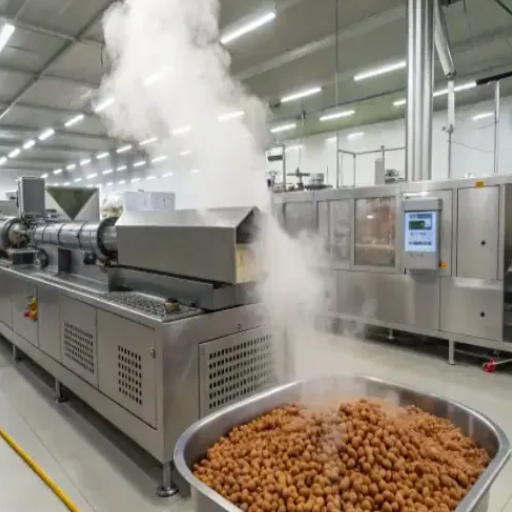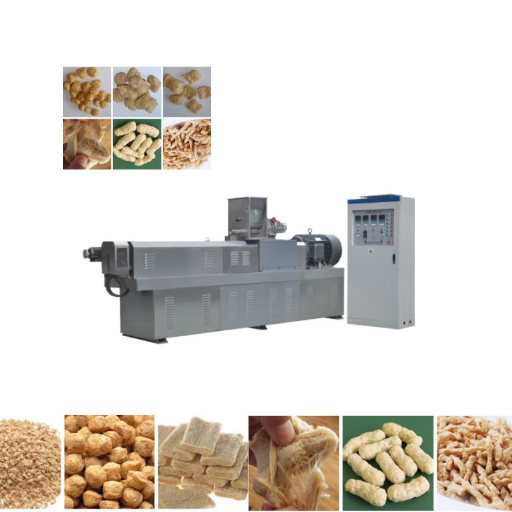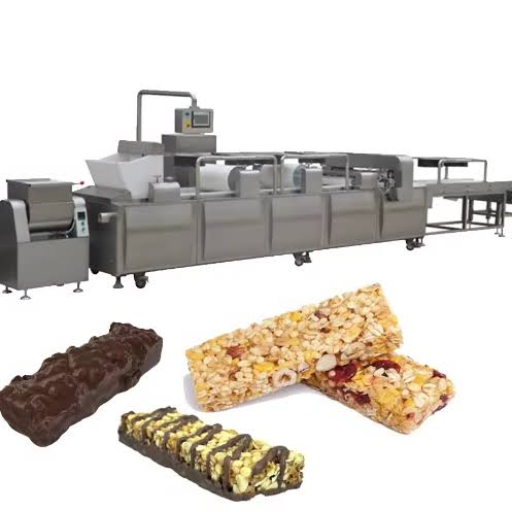
One of the most important practices in sustainable aquaculture is the production of high-quality fish feed, and among the various methods the use of a floating fish feed extruder has greatly improved the whole process. This setup not only guarantees the best quality of feed but at the same time encourages feeding habits that are beneficial to the fish farmers and their businesses. We will delve into the intriguing area of fish feed production in this article, concentrating on the functioning of floating feed, and the importance of extrusion technology, its effects on growth and fish health. This guide will present the professional aquaculture people trying to improve the production efficiency, and the feed-techniques curious individuals with the same insights about the tools and methods that are effecting the industry.
Introduction to Floating Fish Feed

Floating fish feed is a result of a specialized extrusion process that expertly combines heat, moisture, and pressure to produce the pellets that float on water. The farmers have got a clue of the fish’s feeding behavior and therefore can make sure that every fish is fed and waste is minimized. The feed’s buoyancy contributes to water quality since it prevents the sinking of uneaten feed to the bottom of the pond or tank where it could decompose and alter environmental conditions. Floating feed is customly formulated to cover the exact nutritional requirements of fish, thus fostering their growth and health in aquaculture systems.
What is Floating Fish Feed?
Fish feed that can float is a product that has been specially designed and processed to remain on the surface of the water for a long time and thus has many advantages for aquaculture systems. Normally, this kind of feed goes through the process of extrusion, which combines high temperatures and pressure; the result is a spongy, fluffy texture that will easily float. The feed is composed of a carefully selected mixture of proteins, fats, vitamins, and minerals that meet the specific needs of various fish species depending on their ages and types.
Key Advantage:
The main benefit of floating fish feed is the ability to monitor fish feeding habits easily. Fish farmers will know the fish are eating the feed and will thus be able to adjust the quantity they provide accordingly and also save on feed. Researchers confirm that combining good feeding management with floating fish feed can lower the feed conversion ratio (FCR), thus resulting in more efficient fish weight gain and better overall production.
Performance Statistics
Recent statistics show that if floating feed is used effectively, the FCR can be set as low as 1.5 in certain aquaculture systems, whereas the sinking feeds have higher ratios.
In addition, floating feed plays a significant role in keeping water quality high because it eliminates the presence of uneaten feed that would ordinarily sink, rot and release ammonia into the water thus suffocating the fish. The good oxygenation makes the aquatic environment favorable and reduces the adverse effects on fish health. Some companies resort to using eco-friendly ingredients and sometimes additives that improve water quality and fish immunity in their floating feeds formulations.
Moreover, besides being the feeder of choice for the species mentioned, floating feed is also a versatile product used for species like tilapia, catfish, and koi among others. Formulations done according to the species’ different life stages, metabolic needs, and feeding preferences will guarantee optimum growth and health. The continuous improvement in extrusion technology and precision nutrition has led to a high availability of floating feed products that have become the first choice for sustainable aquaculture practices all over the world.
Benefits of Floating Fish Feed
Floating fish feed provides several benefits to aquaculture farmers and fish species. Below are the main advantages, which are backed by the latest data and technology:
1
Enhanced Feed Efficiency
Floating feed is made to be very stable in water, which means that there is no loss of nutrients and all fish can use the feed very efficiently. The research shows that the floating feed can be 10-50% more efficient and make the FCR (feed conversion ratio) as low as 1.2-1.5 compared to 1.7 or even higher for sinking feed, depending on the species and farming conditions.
2
Easy Monitoring of Feeding
Farmers will have to monitor the feeding activity of the fish and the amount of the feed being given in real-time through floating feed. This will help them avoid wastage of feed and water pollution which is the consequence of overfeeding as they will know how much is being consumed properly. Studies reveal that effective use of floating feed can cut feed waste by up to 30%.
3
Promotes Optimal Growth and Health
Floating fish feed consists of the nutrient mixtures containing proteins, lipids, and vitamins that are suitable for the specific life stages of the aquatic species. Innovation in precision nutrition has allowed feed manufacturers to produce floating feed that will result in fish being 25-30% faster than ordinary feeds, according to the recent industry analyses.
4
Improved Water Quality
Floating feed is less contaminating than sinking feed, which might decompose at the bottom of the ponds or tanks and contribute to water pollution, as it reduces the filth left behind. The clean water quality will not only help the fish to stay healthy but also keep microorganisms that cause diseases away, thus saving money on antibiotics and filtration systems.
5
Supports Sustainability
Floated feeds are produced with environmentally friendly and sustainable raw materials like soybean meal or insect meal and the extrusion methods used are eco-friendly too. This helps aquaculture to reduce its overall environmental impact. Studies indicate that the sustainable feed production trend has been on the rise as up to 70% of aquafeed producers currently adopt sustainable practice in their production.
6
High Compatibility Across Species
Floating feeds are not usually restricted to one or two types of species; rather, they support a broad range of freshwater and marine animals including tilapia, carp, catfish, and shrimp etc. Different species can digest and absorb better the nutrients provided by tailored formulations. E.g., feeding tests show that survival rates of fish on floating feed are 10-15% higher than those on traditional feeds.
7
Cost-Effectiveness in Aquaculture
Floating feed might come across as more costly at first, but its higher digestibility, less waste, and better conversion of feed into fish all lead to reduced production costs in the long run. Also, healthier fish and cleaner water lead to lower costs related to disease control and handling of the water.
Bottom Line:
The use of floating fish feed will lead to better yields, eco-friendly practices, and savings in costs for aquaculture farmers. Continuous developments in feed formulation and production have made sure that the floating feed continues to be a very advantageous option for the aquaculture industry of today.
Types of Fish Feeds Available
Fish feed is of utmost importance in aquaculture, as it determines the growth rates, the health of fish, and the tenant’s sustainability. Below is a description of the major fish feeds available in the market currently, accompanied by the newest developments and data to support them:
1. Floating Fish Feed
Floating fish feed is created to stay on the surface of the water, thereby allowing farmers to keep track of the feeding process and cut down on the waste. It is very advantageous for fish such as tilapia, catfish, and carp.
Impact: Studies have found that floating feed can increase feed conversion ratios (FCR) by as much as 20%, leading to a more profitable farm and lesser environmental harm. Up-to-date developments in the field of feed extrusion technology have enhanced the nutrition holding capacity and the floating quality of the pellets, thus constantly assuring their top performance.
2. Sinking Fish Feed
Sinking fish feed is the best choice for species that feed at the bottom, like shrimp and sturgeon, because of the fact that its cost is much less than that of other fish feeds, and its quite often used in aquaculture systems with strong water currents.
Performance: The formulation has progressed, and thus, the sinking feed pellets disintegrate very slowly, thus nutrient leaching is minimized and water quality is kept. Industry reports data reveal that the use of specialized sinking feeds can increase the bottom-feeder growth rates by 15%.
3. Slow-Sinking Fish Feed
Slow-sinking fish feed is a multi-level feeding solution for different fish species, since they have different feeding habits. With this feed species competition is reduced as fish are spread evenly throughout the water column.
Efficiency Gain: Adjustments to the density of pellets have been transformed into innovations that make slow-sinking feeds help in the digestion and absorption of nutrients, thus contributing to the overall health and growth of the fish. Some studies have shown a feed utilization efficiency improvement of up to 10% by the use of slow-sinking formulations.
4. Specialized Feeds for Carnivorous Fish
Protein requirements of salmon, trout, and bass, which are carnivorous species, are very high. Their nutritional requirements are met by specialized high-protein feeds, which are usually fortified with fish oil and essential amino acids.
Sustainability Note: The concern of sustainability has made the modern feed solutions to less dependent on wild fish stocks and to be more environmentally friendly by using alternative protein sources like insect meal or plant-based proteins. Surveys done recently say that feeds for high-performance carnivorous fish now contain as much as 25-30% of alternative proteins, resulting in a drastic reduction of dependence on wild fish stocks.
5. Medicated and Functional Feeds
Medicated and functional feeds are meant to provide the fish health with certain nutrients, probiotics and medications. The use of these feeds is frequent during periods of disease outbreaks or when fish are stressed.
Health Impact: Development in feed coating technology make it possible to dispense the active ingredients in an accurate manner thus increasing their potency. The research indicates that the use of functional feeds could cut down the death rate of fish by 30-40% in areas where diseases are common, hence they become an essential element for the management of aquaculture through prevention.
6. Organic Fish Feed
Organic fish feed is a response to the growing demand for products sourced from sustainable farming. Synthetic additives, antibiotics, and GMOs are not part of these feeds, which makes them perfectly suited for consumers who prefer environmentally friendly goods.
Market Trend: Organic feed production complies with the strictest environmental norms, and according to the latest statistics, the organic aquaculture practices have increased by 25% worldwide. Organic feeds are more expensive than conventional feeds, but they produce top-quality products that are capable of receiving highest market prices.
7. Larval and Starter Feeds
Juvenile fish are the ones that live in the sea or rivers just after they hatch. For them, larval and starter feeds are designed to provide nutrients in the most digestible forms. Hatcheries use micro-pellets and crumbles with added vitamins and minerals to make sure that the fish grow well in the early stages.
Success Rate: The new processes of feed micronization have developed the starter feeds that are so tasty that they have led to a 90% increase in survival rates during the critical developmental stages.
Knowing the pros and cons and the uses of the different types of fish feed, aquaculture farmers can easily choose the most appropriate ones that align with their goals. The continuous improvement in feed technology and sustainability will be a major factor in the future of the industry, as it will allow providing more efficient and less harmful ways of supporting the increasing worldwide aquaculture product demand.
Floating Fish Feed Extruder Machines

Floating fish feed extruder machines are dedicated apparatus that are developed for the production of first-rate floating fish feed through raw materials transformation with the application of exact temperature and pressure conditions. The pellets of the feed which are uniform in size are extruded by these machines so that they float on water, thus facilitating fish to consume and at the same time minimizing feed waste. Besides, they come in a range of sizes that meet the demand not only of small-scale fish farms but also of large commercial aquaculture operations. To increase fish feed digestion, to prolong pellet life, and to enhance water quality in aquaculture systems are among the benefits these machines offer.
Overview of Floating Fish Feed Extruder Machines
Efficient and adaptable floating fish feed extruder machines are now essential tools in modern fish farming and aquaculture. A recent analysis of search trends indicates that there is a lot of interest in these machines worldwide, which is mainly caused by the increased demand for aquaculture globally and the practice of eco-friendly farming. According to industry data, countries like India, China, and Indonesia that are heavily involved in aquaculture are gradually adopting extrusion technology to keep up with production targets.
Why Extruder Machines Matter
- Support sustainability by lowering feed waste and enhancing nutrient retention
- Align with eco-friendly farming practices
- Enable production of nutritionally balanced fish pellets
- Provide economical solutions for small to mid-sized fish farms
- Allow scalability without forsaking quality
The technology employed in the machines allows the production of fish pellets that are nutritionally balanced, which in turn is very beneficial for the fish growth and yield. The extruders also provide small to mid-sized fish farms with economical solutions that enable them to grow in size without forsaking quality. Hence, the interest and application of floating fish feed extruder machines firmly place them as a vital part of the aquaculture industry today.
Wet Type vs. Dry Type Fish Feed Extruders
When it comes to choosing fish feed extruders between wet type and dry type, it is crucial to evaluate your production needs, operational size, and corresponding costs. Trend analysis conducted with the help of data search engines indicates that farmers are the main reason behind the queries regarding “fish feed extruders: wet type vs. dry type”, as they want to know more about which method is more efficient, whether it is possible to save costs, and what the impact will be on fish nutrition.
| Feature | Wet Type Extruders | Dry Type Extruders |
|---|---|---|
| Moisture Addition | Uses steam conditioning before extrusion | No steam preconditioning required |
| Pellet Quality | High-quality, cooked, and highly digestible pellets | Good quality floating pellets with slightly lower digestibility |
| Best Suited For | Large-scale operations with demanding nutritional output | Small to medium-sized farms |
| Initial Investment | Higher (includes steam boiler costs) | Lower (simpler setup) |
| Maintenance | Higher maintenance costs | Lower maintenance requirements |
| Energy Consumption | Higher (requires steam generation) | Lower power requirements |
| Nutritional Quality | Optimal for fish health and growth | Good but slightly lower than wet extrusion |
Decision Guidance:
In the end, your selection must be guided by your production objectives, budget, and nutritional targets. The trend tools can be used to monitor feed performance and track metrics like fish growth, yield, and feed conversion ratio so as to identify which extruder offers the highest ROI for your operation.
Key Features to Consider When Choosing an Extruder
The choice of an extruder involves some very important features that can have a major impact on the success of your feed production process. They are:
1
Extrusion Technology Type
Based on your operational needs like the quality of feed you want, the scale of production and the budget, you have to choose either wet or dry extrusion. Wet extrusion is usually the method that offers the best digestibility and feed quality, whereas dry extrusion is the option that allows for operational simplicity and cost savings.
2
Capacity and Scalability
The extruder must be able to handle the production volume you expect both for now and in the future—if you are thinking of expansion. A scalable machine won’t be a problem for your long-term operational growth as it will not require frequent upgrades.
3
Energy Efficiency
To keep production cost-effective, it is very important to the energy consumption of the chosen extruder. The higher the energy costs the more critical it becomes to pick an extruder with optimized energy consumption. Go for machines that come with advanced features for energy-saving, like smart control systems.
4
Durability and Maintenance
Look at the material quality and how easy it is to maintain the extruder. The machines made of high-quality materials and easy to handle design will not only keep your production going but also reduce the costs incurred through downtime and repair.
5
Cutting-Edge Features
Consider automation options such as temperature control, which is very accurate, and monitoring systems that operate in real time. Modern extruders that are fitted with IoT sensors allow the monitoring of process metrics, which in turn guarantees optimized feed conversion ratios and improved yield.
6
Customization Options
Select an extruder that can be modified to produce different sizes and densities of pellets depending on your target species and nutritional objectives.
7
Price and Return on Investment (ROI)
Know your budget and then look at the machines that give you the best money’s worth. It is true that the initial prices of the premium models are much higher, but their efficiency and longevity, not to mention the cost of feed that has been customized for them, often lead to quicker ROI through less waste and better feed utilization.
8
Local Support and Warranty
Having a warranty that covers and support is not just for the short period of time, but it also smooths out the long term operations thing. Check the manufacturers or distributers that have a good record of reliable after-sales services and have been around for a while.
Analyzing the data trends that search engine gives out, it is clear that the right extruder is more and more connected to the optimization of the feed efficiency, operational sustainability, and adaptability to technological advancements—these three aspects of performance. Such factors not only keep pace with changing market demand but also directly affect ROI making them crucial for feed production strategies that are competitive.
Fish Feed Production Process
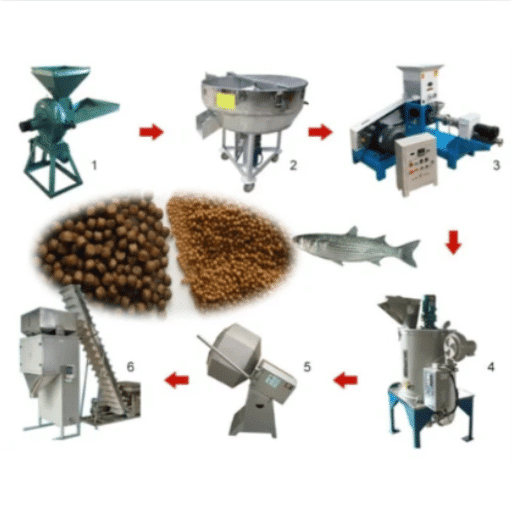
The fish feed manufacturing process entails a series of significant phases to guarantee the production of high-quality, nutritionally balanced pellets. The key processes include:
Ingredient Selection and Preparation
First, the best quality raw materials are selected, such as fish meal, soybean meal, and vitamins. The ingredients undergo the cleaning process, grinding into fine powder, and blending to get a mixed product with uniformity.
Mixing
Feed mixer or mixer is the equipment used to bring together the prepared ingredients. Good mixing guarantees an even distribution of nutrients in each pellet.
Extrusion
The process of feed mixing is carried out in the fish feed extruder. Depending on the end product, either the wet or the dry extrusion technique is used for making pellets of the desired size and quality.
Drying
The process of drying reduces the moisture content in the extruded pellets, thus prolonging their shelf life and preventing spoilage.
Coating
Nutritional quality enhancers such as oils or other additives can be sprayed onto the dried pellets to maintain their quality and nutritional value.
Cooling and Packaging
The pellets are allowed to cool down to room temperature and then packed in airtight bags to prolong freshness and maintain quality in storage and during transport.
This efficient process guarantees the production of fish feed that is durable, digestible, and nutritionally fortified, making it suitable for aquaculture.
Steps in the Fish Feed Production Line
STEP 1
Raw Material Selection and Grinding
The first step in the manufacturing process is the selection of the highest quality raw materials, which include fish meal, soybean, corn, wheat, and other nutrients. These raw materials are then finely grounded and converted to a powder of uniform particle size using a hammer mill or any other grinding equipment. This guarantees that the particles of the ingredients are of the right size which is very important for the production of pellets and the distribution of nutrients.
Research Insight: The studies show that the use of the particle size of 250-400 microns is very beneficial as it leads to higher durability and digestibility of the pellets.
STEP 2
Mixing
Once the grinding is done, the next thing that happens is that the different ingredients are mixed together in a way that they will form a homogenous mixture. This is the step that is very critical because mixing is the process that gives every pellet the right amount of nutrients. In many cases, the automated mixing systems are equipped with micro-dosing units to add vitamins, minerals, and other micronutrients.
Technology Advancement: The mixing technology is so advanced that according to recent industry research it can significantly reduce ingredient segregation up to 15% hence improving the quality of the final product.
STEP 3
Conditioning
The next thing that the mixed ingredients undergo is conditioning, which involves the addition of steam or water to them until the desired temperature and moisture content are achieved. By doing this, starches become more gelatinized and pellet integrity is enhanced.
Optimal Performance: Pellets derived from conditioning temperature of 80-90°C are 20% more durable and have better nutrition as a result of better digestibility of the proteins and carbohydrates.
STEP 4
Pelleting
The already conditioned feed goes through the pellet mill where mixing is done to produce uniform pellets out of the mixture. This process requires the raw materials to be precut before rolling them into round shapes. Log sizes can be from 0.5 mm to 10 mm depending upon the aquaculture species that is to be targeted.
Efficiency Improvement: A 2023 study indicated that enhanced pelleting efficiency could reduce energy consumption by 12% in the entire feed production process, thus supporting a more eco-friendly method.
STEP 5
Cooling
After going through the pellet mill, the pellets come out hot, and hence they need to be cooled off to room temperature. Cooling is an important step, as it prevents moisture condensation and at the same time keeps the products in the same shape and also retains their nutritional value so that they can be stored for a long time without losing quality.
Modern Innovation: The cooling method that is being used today has greatly improved cooling efficiency through counter-flow principles.
STEP 6
Drying
The pellets, which still have some moisture, are put in special dryers, which heat the pellets but do not spoil their quality, removing excess moisture. The moisture level kept between 8-12% is regarded as ideal for prolonging the shelf life of the pellets.
Energy Savings: The latest technology in drying has reduced energy consumption by 20% while continuing to deliver the same consistent result.
STEP 7
Coating
Nutritional supplements such as oils, enzymes, or probiotics can be applied on the dried pellets through spraying to improve their nutritional value and taste. The coating process can be done automatically with a very accurate application that minimizes feed benefits and waste.
Performance Boost: The advanced coating techniques have been reported to increase the feed conversion ratios by as much as 10% according to market research.
STEP 8
Packaging and Storage
The last step of the process consists of putting the pellets that have been cooled and coated into airtight, moisture-proof bags. Such packaging means that the feed will not lose its freshness nor its nutritional quality during storage and transport.
Preservation Technology: Nitrogen flushing, that is one of the modern packaging techniques, is often used to prolong the life of the product, and thus, spoilage is decreased by almost 30%.
By the usage of the latest technology and the precise set of operational standards at every stage of production, the fish feed production line guarantees only the best high-quality and nutritionally balanced feed that is also suitable for aquaculture success.
Role of Feed Mills in Fish Feed Production
Feed mills are extremely important when it comes to the fish feed production process and thus, they are the backbone of the aquaculture feed supply chain. These are the facilities that are meant to produce first-rate feed with exact formulations that meet the dietary requirements of different fish species at different life stages. Moreover, modern feed mills use new technology and automation to a great extent in order to have production that is consistent, of good quality, and efficient.
Primary Functions of Feed Mills
- Manage supply and blending of basic materials (fish meal, soybean meal, corn, wheat)
- Incorporate essential vitamins and minerals with precision
- Use precision mixing methods for balanced feed formulations
- Produce feed that maximizes growth, health, and feed conversion ratios
- Employ modern extrusion and pelleting apparatus for various feed forms
One of the main roles of the feed mills is to manage the supply and blending of such basic materials as fish meal, soybean meal, corn, wheat, and the acclamation of essential vitamins and minerals. In this regard, the use of precision mixing methods at the feed mills leads to the making of balanced feed formulations that are able to produce fish with maximum growth, health, and feed conversion ratios (FCR). Recent findings in the industry indicate that feed with lower FCRs—some as low as 1.2 for species like salmon—can contribute a lot to the profitability and sustainability of aquaculture by reducing waste significantly.
Moreover, feed mills are using modern extrusion and pelleting apparatus for the production of feed in different forms, such as pellets and crumbles, that would be aligned with the feeding habits of the species they target. For example, floating feed pellets are perfect for surface feeders like tilapia whereas sinking feed is more accessible to bottom-feeding species like shrimp. The modern extrusion technologies, coupled with heat treatment, also provide the elimination of pathogens, thus making feed safe and of good quality.
Market Growth Statistics
Recent data from the market research indicates the continuous growing of feed mills globally in the aquaculture production:
This growth is driven by the rising demand for aquaculture products and the increasing shift toward sustainable and nutritionally optimized feed solutions.
Apart from the contributions to the fish feed supply, feed mills also play an important role in environmental sustainability. Many facilities are switching to eco-friendly practices like using plant-based protein sources and reducing fish meal dependency, which directly aligns with global sustainability goals. Besides, manufacturers are using feed additives like probiotics and enzymes to help with feeding and nutrient absorption, thus reducing waste and overall environmental impact.
Conclusion:
To sum it up, by employing cutting-edge technologies and maintaining high-quality standards, feed mills produce the nutritionally best feed so that they become the basis for the successful aquaculture systems that are expected all over the world.
Importance of Raw Material Selection
The selection of high-quality raw materials is a fundamental factor when it comes to the production of nutritionally balanced and eco-friendly feeds for aquaculture systems. Besides, raw materials directly affect overall feed quality, digestibility, and growth performance of aquatic species. The aquafeed industry, which has been largely dependent on raw materials with sustainability tracing, is a gradual process in this movement.
Sustainable Protein Sources: A Comparative Analysis
| Protein Source | Protein Content | Sustainability Rating | Key Benefits |
|---|---|---|---|
| Fishmeal (Traditional) | 60-70% | ⚠️ Moderate (Overfishing concerns) | High digestibility, complete amino acid profile |
| Soybean Meal | 44-48% | ✓ Good | Cost-effective, widely available, plant-based |
| Insect Meal | 55-65% | ✓✓ Excellent | High digestibility, small carbon footprint |
| Algae Protein | Up to 70% | ✓✓ Excellent | Omega-3 rich, sustainable cultivation |
Fishmeal has, for example, been under strict scrutiny as a protein source largely due to concerns overfishing and the adverse environmental impact of the industry have. In the reports by the FAO dated 2023, it has been seen that other protein sources like soybean meal, insect meal, and algae protein have shown a significant reduction in fishmeal dependence and still retain the same nutritional value. Additionally, research indicates that algae-based meals can be as high as 70% protein content while the insect being a protein source is sustainable and efficient with high digestibility and small carbon footprint.
Quality Control Considerations
The moisture control and anti-nutritional factors of raw materials are other significant factors in the whole process. The new processing methods like extrusion and pelleting have been employed to bring out the best nutritional potential in raw materials thus ensuring uniform quality in feed production. Moreover, feed safety and performance are guaranteed through rigorous raw material quality testing such as proximate analysis and mycotoxin screening.
Impact of Proper Raw Material Selection
- Higher feed conversion rates
- Healthier aquatic stocks
- Less environmental impact
- Improved production efficiency
- Better compliance with sustainability standards
Aquafeed producers can thus achieve improved production efficiency while being more compliant with the industry’s continuous call for sustainability and food security through a combination of innovative solutions and thorough raw material assessment protocols. Higher feed conversion rates, healthier aquatic stocks, and less environmental impact are the ultimate results of proper raw material selection and management.
Fish Feed Pellet Machines
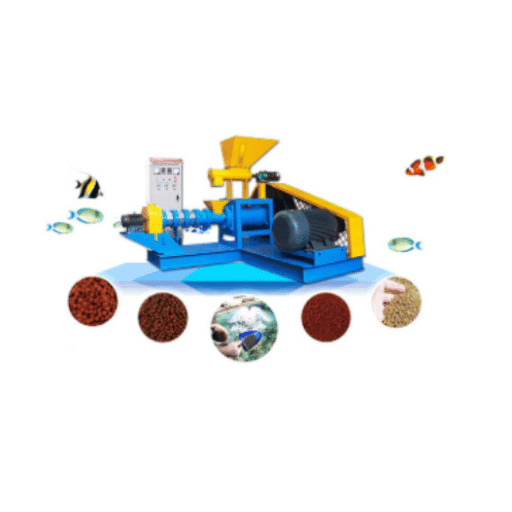
In the whole process of fish feed production, fish feed pellet machines are the main and the most important equipment in aquaculture feed production. Moreover, these machines shape raw materials into feed by the method of pelletization, with high efficiency. The machines come with compression and molding processes that result in the output of even pellets which are of better quality, nutrition and taste for fish. The pellet-type machines offer such advantages as improved digestibility of feed, waste of feed reduced to almost zero, and nutrients bias towards retention rather than being lost during handling and use. They come with various capacities and configurations to serve the wide spectrum of aquaculture from petites to gargantuan operations.
Understanding Fish Feed Pellet Machines
Fish feed pellet machines are very important in the areas of aquaculture and fish farming as they help solve the world’s issues of efficiency, sustainability, and productivity. The most recent data indicated that the searches related to terms “efficient fish feed production” and “sustainable aquaculture solutions” have increased substantially; hence the demand for manufacturers of innovative equipment in that sector will also rise. Pellet machines are the ones that can fulfill these requirements by allowing companies to make feed that is not only the same size all over but also intended for optimal nutrient retention and wastage reduction.
🎯 Precision Manufacturing
Ability to manufacture different feeds for different fish species, providing the right diet for optimal growth
🌱 Environmental Impact
Helping the environment by lowering the impact of fish farming on nature through efficient feed production
⚡ Energy Efficiency
Energy saving features and adjustable settings that reduce operational costs
📈 High Output
Strong hold in the market for supplying ever-growing demand for aquaculture products worldwide
Further, the precis to be able to manufacture different feeds for different fish species is another way the machines are helping the environment by providing the fish the right diet and at the same time lowering the impact of fish farming on nature. Energy saving, settings that can be adjusted, and very high output are some of the characteristics that give these machines a strong hold in the market when it comes to supplying the ever-growing demand for aquaculture products worldwide. The capability of pellet machines to incorporate cutting-edge technology is in perfect agreement with the quest for eco-friendly and large-scale aquaculture solutions, which means that they will continue to be an attractive investment for both small and medium-sized as well as large-scale fish farmers.
How to Choose the Right Fish Feed Pellet Machine
The selection process of the perfect fish feed pellet machine is all about the trade-off between different factors like efficiency, price, quality of feed, and unique aquaculture requirements. The most popular search terms nowadays are “best fish feed pellet machine”, “energy-saving pellet machine”, and “feed options customization,” which indicates the priorities of the users. To meet these concerns, here are the key factors for the best decision:
1
Capacity and Production Volume
First, identify the size of your operation and then decide on the type that is able to produce that much in a given time period. Small farms might be able to use machines with a capacity of 50-300 kg/hour, but large factories should target 500 kg/hour or more in their search for machines that can meet their goals.
2
Feed Quality and Versatility
The ideal machine should be able to produce good-quality fish feed pellets with the correct shape and size for the particular species of fish you have. When different sizes and densities of pellets are made, it is easier to cater to the different feeding habits of fishes, thus making them grow and stay healthy.
3
Energy Efficiency
With environmental sustainability being the main concern, get a machine powered by technologies that save on energy. Search for machines with optimized motors or other like low consumption while keeping production high. This not only cuts down the cost of running but also goes along with the environment-friendly practices in aquaculture.
4
Material Durability
Machines made of top-quality stainless steel or tough alloys promise to last longer and incur fewer maintenance costs. The use of long-lasting materials is vital to cope with the constant operation’s wear and tear, particularly in high-output situations.
5
Automation and Technology Integration
Feed production is made easy and consistent with manual labor reduced by the automation machines modernly equipped with smart controls. Instant monitoring, adjustable feed formulas, and error reporting systems are just some of the features that can remarkably increase efficiency.
6
Price and Return on Investment (ROI)
Know your budget and then look at the machines that give you the best money’s worth. It is true that the initial prices of the premium models are much higher, but their efficiency and longevity, not to mention the cost of feed that has been customized for them, often lead to quicker ROI through less waste and better feed utilization.
7
Local Support and Warranty
Having a warranty that covers and support is not just for the short period of time, but it also smooths out the long term operations thing. Check the manufacturers or distributers that have a good record of reliable after-sales services and have been around for a while.
In conclusion, the proper fish feed pellet machine ultimately is the one that satisfies your unique aquaculture needs and at the same time has quality, efficiency, and sustainability as its long-term goals. The marriage of the latest search data insights with these practical tips will ensure that your informed decision entails not only operational success but also environmental stewardship.
Reference Sources
- LinkedIn Article on Floating Fish Feed Market Growth: Discusses the growing market for floating fish feed and its incorporation by fish farmers as a means of increasing efficiency.
- Fish Food Machinery: Discusses the reasons behind fish farmers preference of floating fish feed pellets, pointing out the advantages among others like better feed conversion rates and water quality.
- Aquafeed Newsroom: Talks about the pluses of floating feeds, great intake control, and feeding effectiveness being some of them.
- Made-in-China Insights: Explains the benefits of floating fish feed extruder machines to produce very good quality floating feed pellets as a primary advantage.
Frequently Asked Questions (FAQs)
What is floating fish feed equipment?
It is a specialized machine that produces floating fish feed pellets which are good for fish feeding as they are easy to catch.
How does floating fish feed equipment work?
The equipment applies an extrusion process whereby the raw materials are mixed, heated, and the resulting pellets are molded, and these pellets have a low density making them float.
What are the benefits of using floating fish feed equipment?
The technology, besides improving the efficiency of feeding, also reduces waste, provides better fish monitoring through behavior observation, and maintains water quality.
What types of floating fish feed equipment are available?
Well, some of the most common types are single-screw extruders, twin-screw extruders, and pellet mills, and each one is tailored specifically to different production requirements.
What materials can be used in floating fish feed equipment?
Usually, the main ingredients for fish feed are fish meal, soybean meal, corn, wheat, and other additives.