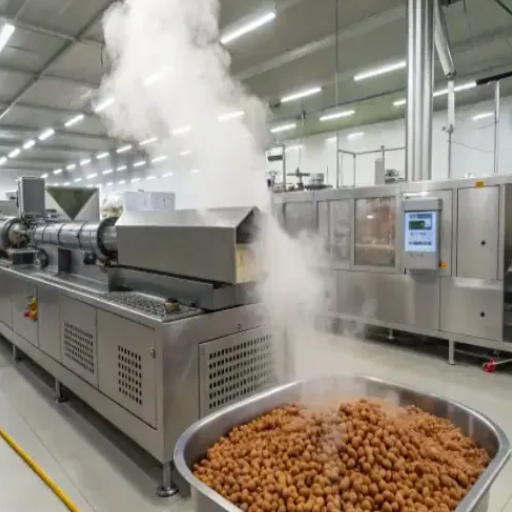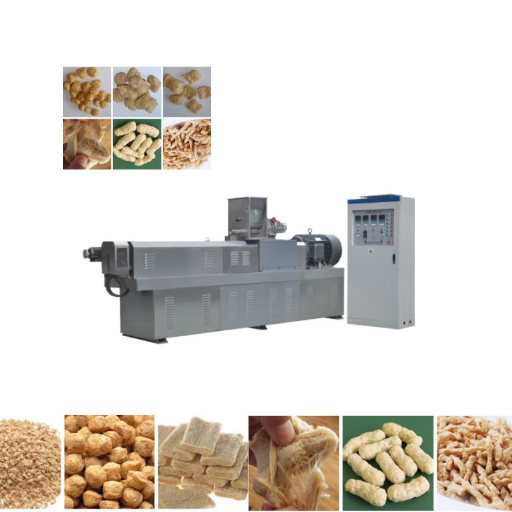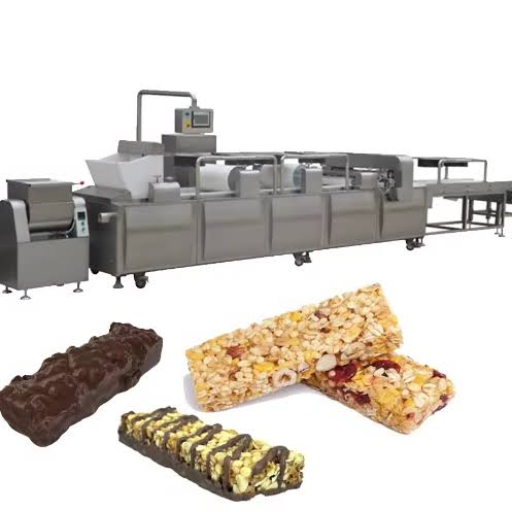
In the contemporary fast-moving food industry, the assurance of food safety and quality has become an indispensable practice. As consumer needs are changing, and regulations becoming more stringent, besides wanting longer shelf life, companies are adopting new sterilization equipment as the means to stay ahead of the competition. Justifying their decision is the new generation of food sterilizers and autoclaves that not only take away the harmful microorganisms but also keep the food products’ power and nutritional quality intact. This article is a discussion about the recent breakthroughs in sterilization technology and it is a long way to go in purification practices. The partiality of operational efficiency to the safety compliance standards marks the metamorphosis of food sterilization practices, and discover this way through the innovations.
🔬
Understanding Food Sterilization

Food sterilization is a process that removes every type of microorganism and thus makes the food safe and durable for longer periods. The typical methods for doing this are heating, irradiation or chemically sterilization. Heat-based treatments like pasteurization and autoclaving are among the most used sterilization techniques because they are very effective and user friendly. Sterilization plays a key role in the prevention of foodborne diseases and has to be carried out in large food production sites to comply with safety and quality regulations. This not only protects the health of the consumers but also saves the flavors, textures, and nutritional values of the food products when applied in the right way.
What is Food Sterilization?
Food sterilization refers to the technique that involves the complete removal or destruction of all harmful microorganisms including bacteria, viruses, and spores thus making the food safe and prolonging its life. It comprises a variety of methods such as heat, chemicals, radiation, or filtration, and each method is selected according to the specific food type and the preservation result that is sought.
Importance of Sterilization in the Food Industry
Sterilization is the process that majors in ensuring product safety and longevity in the food industry. It is the main reason why the food industry meets most of the health and safety standards. Harmful microorganisms, which are the main cause of foodborne illnesses, are completely destroyed. Besides, the sterilization process not only allows for longer storage but also leads to lower food waste and enables worldwide export of food products without quality deterioration. This procedure is a must for gaining and maintaining consumer trust as well as regulatory compliance in the competitive market.
🎯
Key Benefits of Sterilization
Food Safety
Extended Shelf Life
Quality Preservation
Regulatory Compliance
Overview of Sterilization Equipment Types
Sterilization devices consist of the various distinct types intended to serve the particular demands of a certain industry. The most widely used of such devices are autoclaves, which apply steam under pressure to achieve effective sterilization in both medical and food industries. Dry heat sterilizers, on the other hand, are the go-to for moisture intolerant materials while chemical sterilizers are responsible for the delicate instruments via the gas ethylene oxide, among others. UV sterilizers are the non-invasive method of choice when it comes to surface disinfection, and radiation sterilizers are the gamma rays’ best case scenario in large-scale applications. Each of them provides the distinct services they are meant for thus ensuring high levels of efficiency, safety, and compliance in different sectors.
⚙️
Types of Food Sterilization Equipment

Along with the different sterilization methods, the food producers can bring about the desired safety, and a longer shelf life for the products as well as being in conformity with the set regulations. Here are the primary types:
Autoclaves and Their Applications
Autoclaves are very important to sterilization, as they eliminate microorganisms by using pressure steam heat in the process. They are frequently used in medical, pharmaceutical, and food industries and make certain that all the equipment, tools, and packaging materials are completely disinfected. The uses of autoclaves are diverse, including the preparation of medical instruments in hospitals and prolonging the shelf life of food products by assuring that the conditions remain aseptic. Autoclaves are extremely trustworthy and meet the requirements of the regulatory authorities, therefore they are a necessary part of the whole process of ensuring safety and sanitation.
Retort Sterilizers Explained
Retort sterilizers are devices that are specifically designed and chiefly used in the food and beverage industry for commercial sterility of packaged products. The process entails the application of heat under pressure which is the main factor that guarantees the total destruction of the undesirable microorganisms and at the same time the product quality and the shelf life of the food are preserved. This procedure is very much suitable for canned goods, ready-to-eat meals, and beverages as it not only retains product quality but also meets safety standards. In other words, retort sterilizers are good partners in big productions, as they provide effective and reliable sterilization of sealed products at the same time.
Steam Sterilizers vs. Hot Air Sterilization
Steam sterilizers are the devices that bring about the sterilization process in such a way that they quickly and effectively eradicate all the microorganisms present. The method is very effective and efficient for items that are able to endure both moisture and high temperature, since the steam can reach even the most difficult spots and thus, make sure that all the microbes are killed.
The process of hot air sterilization, in contrast, is based on the principle of using only dry heat in order to sterilize the apparatus or materials, which is why it cannot be applied to the items that are sensitive to moisture such as powders, oils, and metal instruments. The method is effective, though it requires higher temperatures and longer exposure than steam sterilization.
The decision on which method to use is determined by the characteristics of the material to be sterilized, its moisture tolerance, and the application’s specific requirements.
🚀
Advancements in Food Sterilization Technology

Current technology breakthroughs in the area of food sterilization have been directed on the tripartite aspects of efficiency, safety, and product quality while at the same time complying with the stricter regulations. High-pressure processing (HPP) has emerged as a popular choice for the complete destruction of pathogens whilst retaining the food’s nutritional and sensory characteristics. The same goes for the pulsed light technology which has a non-thermal method for surface sterilization and thus, microbial contamination is reduced using almost no energy at all. Furthermore, innovations have taken place in the area of ultraviolet (UV) light sterilization and cold plasma techniques that render their applications to be even more efficient for the food productions and/or packaging materials that are sensitive to heat. Not only are these novel setups efficient but they also contribute towards sustainability objectives by lowering the overall energy consumption and waste generation.
High-Pressure Processing Innovations
💎
HPP Technology Highlights
High-Pressure Processing (HPP) is a process that saves the nutritional quality and sensory attributes of the food and at the same time, prolongs the shelf life of the food. It is a non-thermal method which applies high pressure to kill microorganisms and bacteria that cause spoilage without the need for heat. Thus, the food keeps its natural flavour and texture. The development of HPP technology has to do with the increase in efficiency and scalability of equipment that has made it possible to apply HPP in a broader range of food products like juices, ready-to-eat meals, and seafood. These innovations are in line with the demand for clean-label products, sustainability, and higher food safety, thus making HPP an indispensable tool in today’s food processing.
UV-C Treatment in Food Safety
UV-C treatment is a non-thermal food processing process that employs ultraviolet light in the range of 200–280 nm to kill microorganisms that are detrimental to health on surfaces of food and equipment used in processing. The process is effective against all types of microorganisms including bacteria, viruses, and molds by causing DNA or RNA disruption, thus stopping the organisms from replicating. The application of UV-C treatment is an industrial standard for liquid products such as juices, surface sterilization of food-contact areas in packaging, etc. The main advantages of UV-C treatment are that it preserves the quality of food, increases the shelf-life, and leads to clean-label merchandise. Meanwhile, the light penetration and food surface characteristics are critical factors that need to be properly set to achieve the full effectiveness of the treatment.
Emerging Trends in Sterilization Equipment
- 💡
UV-C Light Systems: Receiving high-tech communication penetration methods so that they can be used on all food surfaces
- ⚡
HPP Technology: Gaining momentum, using extremely high pressure to kill germs without heat, thus retaining vitamins and flavors
- 🌐
IoT Integration: Enabling monitoring and alteration of the sterilization process in real time
- 🌱
Electroplasma Sterilization: Becoming the greenest method, as it leaves no chemical or residue behind during operations
The innovations prove that the sector is changing towards safety combined with product quality and ecologically soundness.
✨
Benefits of Using Food Sterilization Equipment

Enhanced Food Safety
The sterilization equipment in food safety works by eliminating harmful microorganisms to a large extent, thereby cutting down the risk of foodborne illnesses and qualifying the products for safety standards.
Extended Shelf Life
Sterilization not only removes the bacteria and molds responsible for spoilage but also helps the perishables to have a longer shelf life thus cutting down on waste and upgrading the consumers’ quality of the products.
Preservation of Nutritional Value
The modern day sterilization methods, such as high-pressure processing and UV-C treatment, uphold the nutritional value and natural flavor of food while assuring its safety.
Compliance with Regulations
The application of sterilization equipment is the guarantee that companies in the food sector comply with the very tough safety and quality regulations, thus shielding the consumers and the firms from any risks.
Cost Efficiency
Longer shelf life and fewer recalls of products result in huge cost savings, which is why sterilization equipment is considered a must-have investment for the food industry.
Enhancing Food Safety and Compliance
Sterilization equipment, for its part, boosts food safety and compliance greatly as it is able to deal with harmful microorganisms very efficiently, and thus, the contamination risks are considerably lowered together with the meeting of the very strictest industry standards. By the long-term preservation of product quality, the regulatory requirements are not only met, but also the protection of consumers and the trust in brands are maintained as it becomes an essential tool for that purpose.
Extending Shelf Life of Food Products
Sterilization equipment is very important in the process of extending the shelf life of food by getting rid of the microorganisms completely to their safest levels, mirroring the spoilage and preserving the original state of the products. Hence, the consumer is allowed to use the products for a longer time without losing their nutritional value, flavor, and quality, and at the same time, waste is reduced and the demand for safe, long-lasting food options is met.
Efficiency in Food Production Processes
Efficient sterilization equipment not only guarantees quality but also speeds up the food production process by simplifying activities. The use of machines instead of manual work leads to shorter processing time and better use of resources. It is thus possible to produce food faster than before and at a lower cost, besides safety measures being in place.
📊
Comparative Analysis of Sterilization Methods

The different sterilization methods in food production are evaluated according to their efficacy, applicability, and influence on the taste and quality of the food. Here we present a comparison of the most commonly used methods:
⚠️
Selection Considerations
In selecting a method, food producers need to weigh the factors of food type, regulatory compliance, cost, and consumer preferences in order to arrive at the most suitable and effective choice.
Thermal vs. Non-Thermal Sterilization
Thermal sterilization which is going to kill microorganisms through the use of high temperatures is a very effective method for both safety and shelf life extension. Nevertheless, it can have consequences on the food’s nutritional value, texture, and taste. On the contrary, non-thermal sterilization takes the help of methods such as high-pressure processing, UV radiation, or chemical sanitization to carry out sterilization without affecting the sensory and nutritional quality of the food. Every method has its pros and cons, and the main factors determining the choice are the kind of food, the required quality traits, and the legal stipulations.
Effectiveness of Different Sterilization Techniques
Sterilization methods’ efficiency is determined by the technique applied and the type of food being processed. One of the most common techniques used is thermal sterilization, which is very successful in exterminating microbes that are harmful, but it also considerably impacts the food’s nutrition and taste. Among the non-thermal methods, high-pressure processing and UV radiation are especially noted for their effectiveness in food quality preservation as well as safety assurance. Pathogens can be killed, for example, through high-pressure processing without the application of heat, which makes it suitable for the treatment of fresh and delicate products. UV light is very effective in killing bacteria on the surface of food but may not be able to reach inside the dense food. Nevertheless, the correct technique should be selected according to the demands of microbial safety, product quality, and shelf life.
Choosing the Right Sterilization Method for Your Needs
✓
Decision-Making Checklist
- Food Product Classification: Identify whether your product is heat-sensitive, liquid, solid, or packaged
- Shelf Life Requirements: Determine how long the product needs to remain safe and fresh
- Quality Conservation: Assess the importance of maintaining nutritional value, flavor, and texture
- Cost Considerations: Evaluate both initial investment and long-term operational costs
- Regulatory Compliance: Ensure the method meets industry standards and regulations
- Consumer Preferences: Consider market acceptance and demand for specific processing methods
Choosing the right sterilization process is significantly dictated by the food product classification, the intent behind the shelf life, and the quality conservation. Heat-treated products still could gain maximum benefits from thorough sterilization or pasteurization methods. Non-thermal processes, e.g., high-pressure processing or UV irradiation, are able to kill bacteria and at the same time keep the freshness of the product for the retail market. Furthermore, one should also take into account the cost, ease of implementation, and the food’s nutritional value. Selecting the method that corresponds to your exact target will protect you against contamination but will also allow you to have your product with the qualities you intended.
📚
Reference Sources
- 📖
E-Beam Machine – Why Food Sterilization Equipment is Crucial for the Food Industry: Justifies the need of sterilization equipment in food safety, prolonging shelf life, and quality preservation. - 📖
Spherical Insights – Food Sterilization Equipment Market: Analyzes market trends, present and future demand in developing regions, and rising interest in sterilized food products. - 📖
LinkedIn Article – Food Sterilization Machines in the Real World: Shows the role of food sterilization machines in killing harmful microorganisms and assuring food safety.
❓
Frequently Asked Questions (FAQs)
Conclusion
The evolution of food sterilization equipment represents a critical advancement in ensuring food safety, quality, and longevity in the modern food industry. From traditional autoclaves and pasteurizers to cutting-edge innovations like high-pressure processing, UV-C treatment, and IoT-integrated systems, these technologies continue to revolutionize how we preserve and protect our food supply. As consumer demands for safer, healthier, and more sustainable food products intensify, and regulatory standards become increasingly stringent, investing in the right sterilization equipment is no longer optional—it’s essential. By carefully selecting methods that align with specific product requirements, quality objectives, and operational capabilities, food producers can safeguard public health, extend product shelf life, reduce waste, and maintain competitive advantage in an ever-evolving marketplace. The future of food sterilization lies in the harmonious balance between efficiency, sustainability, and unwavering commitment to food safety excellence.