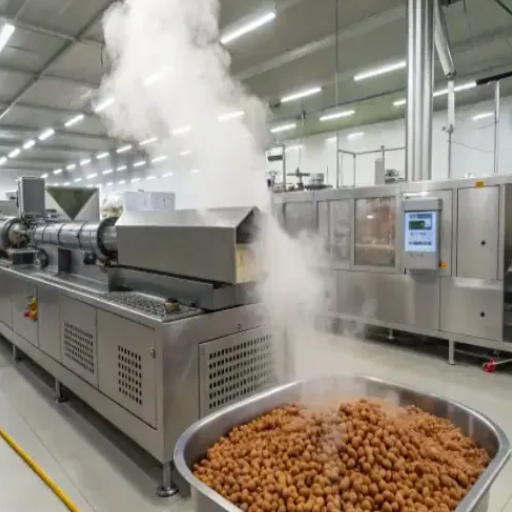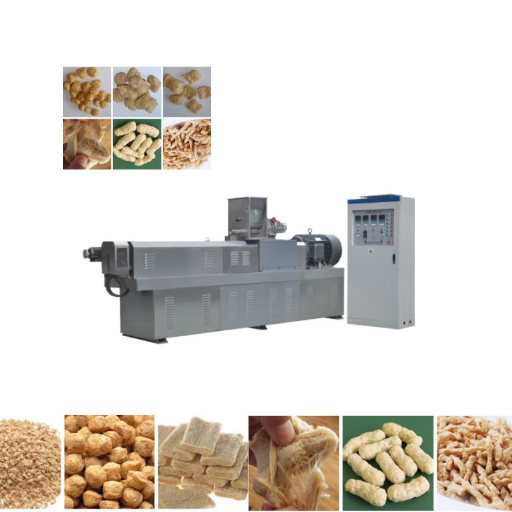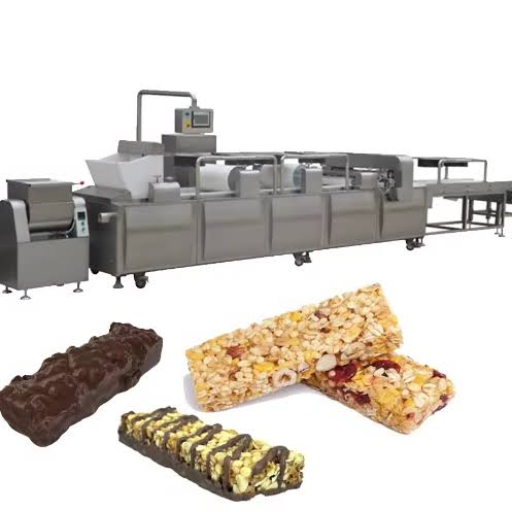
Opening and managing a successful restaurant is a hard, complex task that requires a lot more than only great food and top-notch ingredients—the main aspect here is a proper and well-functioning commercial kitchen that also runs safely. Commercial kitchen equipment is the very essence of the restaurant business, and the way it is kept up directly influences the quality of food, the operating workflow and the overall profit. This guide is the very resource for you to know about the necessity of regular maintenance, the challenges of keeping the equipment top of the line, and the tips for making your investment the safest ever.
Understanding Commercial Kitchen Equipment
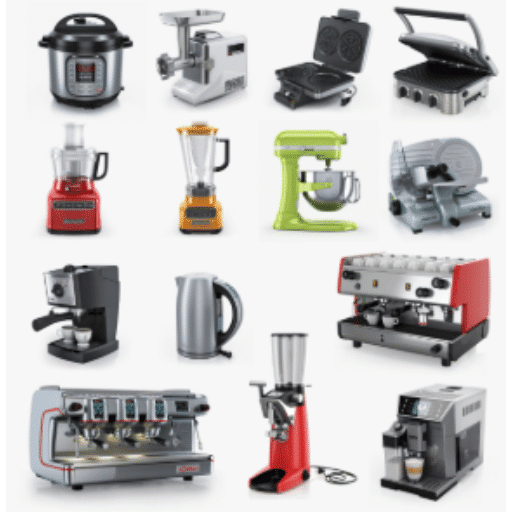
The commercial kitchen equipment refers to the professional kitchen’s tools and appliances that can handle heavy demand food preparations and at the same time keep the flow efficient. These are:
- Cooking Appliances – These machines are must-haves for making food, e.g., ovens, stoves, grills, and fryers. They have to be very strong so that they might stand constant heavy use.
- Refrigeration Units – The role of walk-in coolers, freezers, and refrigerators is very important in storing food and abiding by the health rules.
- Food Preparation Equipment – With the use of items like mixers, slicers, and food processors, the prep work gets easier and quicker.
- Sanitation Tools – Dishwashing machines, sinks, and cleaning supplies aid hygiene and keeping the safety regulations.
- Ventilation Systems – Heat, smoke, and grease are effectively removed through proper ventilation thus a safe and comfortable working environment is created.
The quality and maintenance of these components have a direct impact on the operations, food quality, and safety of your kitchen. If you pick the right equipment that is suited to your needs, you will get efficiency and very reliable performance over time.
Types of Kitchen Equipment
🔥 Cooking Equipment
Ovens, stoves, grills, and fryers to prepare different kinds of dishes.
🔪 Preparation Equipment
Cutting boards, mixers, food processors, and knives that make food prep much easier.
❄️ Refrigeration Equipment
Refrigerators, freezers, and coolers for the safe storage of perishable ingredients.
🧼 Cleaning Equipment
Dishwashers, sinks, and sanitizing tools for keeping hygiene standards and safety regulations.
📦 Storage Equipment
Shelving units, cabinets, and containers for organizing and storing ingredients and supplies in a way that is efficient.
Key Takeaway: Every category is important in the establishment of a kitchen that is not only functional and efficient but also compliant with the regulations.
Importance of Quality Equipment
It is necessary to invest in good equipment for every kitchen to be efficient, safe, and comply with health regulations. Quality tools are less likely to fail, more productive, and their output is uniform, all of which result in reduced costs over time. Besides, that kind of kitchenware will be for sure the safety and hygiene of food, and compliance with the standards will be supported that way, which will also create confidence and happiness with the customers.
Common Food Service Equipment
Among the necessary pieces of equipment for food service are heavy-duty ovens, refrigerators, freezers, grills, and fryers which are absolutely necessary for food storage and cooking. Also, mixers, blenders, and slicers are some of the machines that are included in the item list that facilitate certain tasks taking less time. Dishwashers and sinks provide a clean and hygienic atmosphere in the kitchen. Using these tools in the kitchen can lead to improved operations, compliance with safety regulations, and high-quality service in any kitchen.
Essential Maintenance Strategies

- 1. Regular Cleaning
All appliances should be cleaned without exception every day to stop the accumulation of grease, food, and dirt that can lead to the reduction of performance or create safety hazards.
- 2. Scheduled Inspections
Introduce routine checks to spot wear and tear or any possible problems before they develop into major issues.
- 3. Follow Manufacturer Guidelines
Observe the maintenance schedules and processes suggested by the equipment manufacturer for best performance.
- 4. Staff Training
Teach the workers how to use the equipment properly and do simple maintenance to prevent misuse and avoid unnecessary damage.
- 5. Immediate Repairs
Fix any breakdowns or minor problems quickly to keep the costs down for the repairs or the time the equipment is out of service.
- 6. Replace Components When Necessary
Change such parts as filters, seals, or blades as per their lifespan to ensure efficiency.
Important Note: The regular maintenance not just extends the lifespan of the kitchen equipment but also provides safety, dependability, and peak operational efficiency.
Preventive Maintenance Practices
Preventive maintenance is a procedure that is composed of regular checks and proactive measures that guarantee that the equipment is always in an optimal working condition. The key practices that are being executed are removing dirt and dust daily to avoid accumulation, inspecting the equipment at the scheduled time in order to catch the deterioration at an early stage, and putting the necessary amount of lubricant on the parts that move to have low friction. Moreover, sticking to the service schedules recommended by the manufacturers and fixing the small problems instantly can halt expensive downtime and increase the life span of your equipment. The reliability and safety in all operations are ensured through the consistency in these efforts.
Routine Maintenance Schedule
Setting up a brief and efficient routine maintenance schedule requires several essential steps. First of all, identify daily, weekly, and monthly activities, such as cleaning, checking, and adding oil to machine parts. Then, make sure that the intervals for servicing and replacing parts recommended by the manufacturer are in sync with the maintenance schedule. Create a centralized system for documentation where these tasks are easily tracked and designate responsibilities to team members for accountability. Additionally, one of the best practices is to constantly review and modify the schedule according to the performance of the equipment and the wear trends, which in turn leads to optimal functionality and reliability.
Common Maintenance Tips for Kitchen Equipment
⚡ Pro Tips for Equipment Longevity
- Clean Regularly – To keep the equipment hygiene and to prevent blockages, clean grease, food debris, and buildup right after each use.
- Inspect for Wear and Tear – Regularly and carefully examine seals, handles, and electrical cords for any damage or wear.
- Follow Manufacturer Guidelines – Stick to the guidelines for the maintenance services, and use only the cleaning products that have been approved so that the equipment will not get damaged.
- Lubricate Moving Parts – Put the right kinds of lubricants to the hinges and joints to lower the friction and make the parts last longer.
- Calibrate Equipment – Test the accuracy of thermometers, scales, and temperature controls regularly to be sure the performance is consistent.
- Check Filters and Vents – Clean or replace filters and make sure that vents are not blocked to allow for good airflow and more efficiency.
If you implement these very simple things then your kitchen appliances will be operating at their best and would be needing less frequent replacements.
Creating an Equipment Maintenance Checklist

The establishment of an effective equipment maintenance checklist is the key to ensuring that all the required activities are carried out. Here is the outline of a simple checklist:
Success Tip: Implementing this checklist will result in efficiency support, prevention of unexpected failures, and elongation of your kitchen equipment’s lifespan. Modify it to accommodate the particular equipment requirements as necessary.
Key Components of a Maintenance Checklist
A maintenance checklist that is properly structured ought to have the following elements:
- Equipment Identification
All the machinery and appliances involved should be listed explicitly and clearly.
- Maintenance Frequency
On the basis of usage and also according to the recommendations set by the manufacturers, daily, weekly, monthly, and annual maintenance tasks should be defined.
- Inspection Items
Regularly monitor the critical parts and performance aspects that are listed below, such as filters, motors, and seals.
- Cleaning Procedures
For each piece of equipment, cleaning instructions should be provided to guarantee both hygiene and functionality.
- Replacement Schedule
Components that require periodic replacement, like filters or belts, should be noted so that unexpected failures can be avoided.
- Documentation Section
The checklist should provide a space for recording finished tasks, observations, and any repairs that are required.
How to Implement a Maintenance Checklist
For an efficient maintenance checklist, the very first step is to identify all the equipment that needs regular maintenance and then categorize them according to their requirements. Make the checklist your own by adding detailed tasks, frequency schedules, and priority levels for each item. After that, provide the necessary training for your staff so they can use the checklist properly and make it accessible by storing a digital or physical copy in a central location. Make it a habit to review the checklist on a regular basis and update it to incorporate any new changes in procedures or equipment used for maintenance. Finally, keep an eye on task completion while also studying records to detect trends or difficulties that can be removed.
Identifying and Troubleshooting Common Issues
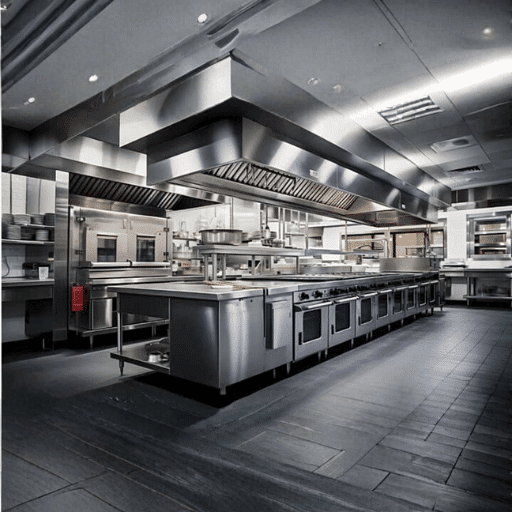
A systematic and clear method is necessary for fast resolutions and little downtime when dealing with common kitchen equipment issues. The steps below will assist you in identifying and resolving the issues that occur most frequently:
🔧 Common Equipment Problems & Solutions
1. Equipment Not Powering On
- Inspect Moving Parts: Look for any loose screws, belts or misaligned parts.
- Lubricate as Needed: Apply lubrication to minimize friction in the moving parts.
4. Leaks or Drips
- Check Seals and Gaskets: Make sure the seals are in good condition and replace any gaskets that are damaged.
- Inspect Connections: Loose hoses or fittings should be tightened or replaced.
5. Unusual Odors
- Clean Thoroughly: The equipment must be free of food debris and buildup.
- Examine Electrical Components: Check for overheated wires or burnt parts.
Expert Advice: Most of the operational problems can be diagnosed and fixed quickly using these techniques. If the problems persist or are too complicated, it would be best to refer to the equipment manual or get in touch with a qualified technician to prevent any further damage.
Signs Your Equipment Needs Repair
⚠️ Decreased Performance
Performance of the equipment has gone down and it is not able to operate at its usual capacity and efficiency.
🔊 Unusual Noises
Sounds that are either very loud or not regular might be an indication of issues with the machine.
🔄 Frequent Breakdowns
Malfunctions that occur over and over again indicate that there are problems underneath that need to be fixed.
💰 Higher Operating Costs
Increased energy consumption or maintenance costs might be a bad sign.
🌡️ Overheating
Excessive heat generation during operation can indicate the failure of a component.
💧 Leaking or Spills
Unmistakable liquids or materials leaking out of the equipment are visible.
Critical Reminder: If these warning signs are dealt with, it will help a lot in preventing damage and also keeping the operational efficiency.
Common Equipment Repair Techniques
- Inspection and Diagnostics
First, examine the equipment in detail to recognize visible problems, and then use diagnostic tools to find the underlying problems.
- Component Replacement
Worn-out or damaged parts will be replaced with high-quality replicas so that the machine can work again.
- Lubrication and Cleaning
Moving parts will get their proper lubrication, and critical components will be cleaned to avoid wear and tear and to ensure that the machine runs smoothly.
- Calibration
The machine will be recalibrated so that it gives accurate and optimal performance, especially when it is a precision tool or a system.
- Welding or Reassembly
The welding or the use of secure fasteners will be applied to either fix the structural damage or reassemble the misaligned components.
- Software Updates
For the latest machines, make sure that the firmware or software is updated in order to deal with bugs or compatibility issues.
Note: When these methods are performed in order, they can fix nearly all types of equipment and even prolong its life span.
When to Call a Professional for Repairs
Repair that necessitates specific knowledge, certifications, or tools which are not included in standard maintenance procedures is a situation where professional help is a must. To give examples: dealing with intricate electrical problems, servicing hydraulic systems, working with dangerous materials, or finding out the cause of the problem in computer-controlled machines. Also, when troubleshooting has been done but the problem still exists, or when doing the repair yourself might harm safety or nullify warranties, then a professional should be contacted.
Reference Sources
- Maintenance Chef – How Commercial Appliance Repair Is Giving Restaurant Operators a Competitive Edge: Highlights the significance of preventive maintenance and quick repairs for restaurant equipment.
- Timly – Restaurant Equipment Maintenance: Explains how regular maintenance does not only save money but also extends the life of the equipment, thus, guaranteeing the smooth operation of the kitchen.
- Future Market Insights – Food Service Equipment Market Trends 2025-2035: Discusses the growth and trends in the food service equipment sector, with a particular emphasis on maintenance.
- The Climate Tech – 5 Reasons for Commercial Kitchen Equipment Maintenance: Points out the importance of regular maintenance for all types of kitchen appliances, including ovens and refrigerators.
- Authorized Inc – The Importance of Regular Restaurant Equipment Maintenance for Food Safety: Discusses the role of maintenance in food safety and contamination prevention.
Frequently Asked Questions (FAQs)
Why is food equipment maintenance important?
The preventive maintenance of food equipment is an important measure that guarantees the en-suite of operational efficiency, saves a lot of money in breakdowns and repairs, prolongs the life span, and keeps the food safety standards.
What types of food equipment require maintenance?
All commercial kitchen appliances like ovens, refrigerators, fryers, mixers, dishwashers, and others need maintenance.
How often should food equipment be serviced?
Periodic inspections, at least once a quarter, or by the manufacturer’s recommendation, should be done on most equipment depending on usage.
What are the benefits of preventive maintenance?
Preventive maintenance helps to keep up with the expected downtime, prepare for unexpected repairs, and secure compliance with health and safety regulations.
What are common signs that food equipment needs maintenance?
Equipment making unusual sounds, showing varied performance, consuming more energy, or appearing physically worn out are some of the signs that maintenance is due.
🎯 Final Thoughts
Maintaining your commercial kitchen equipment is not just about preventing breakdowns—it’s about ensuring food safety, maximizing efficiency, and protecting your investment. By implementing the strategies and checklists outlined in this guide, you’ll create a kitchen environment that operates smoothly, meets health standards, and serves your customers consistently. Remember, regular maintenance today prevents costly repairs tomorrow!