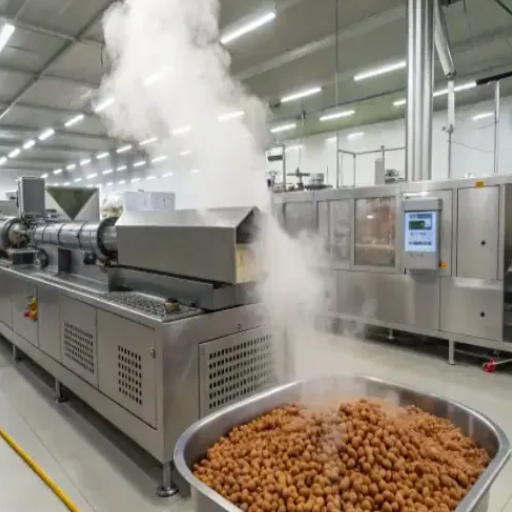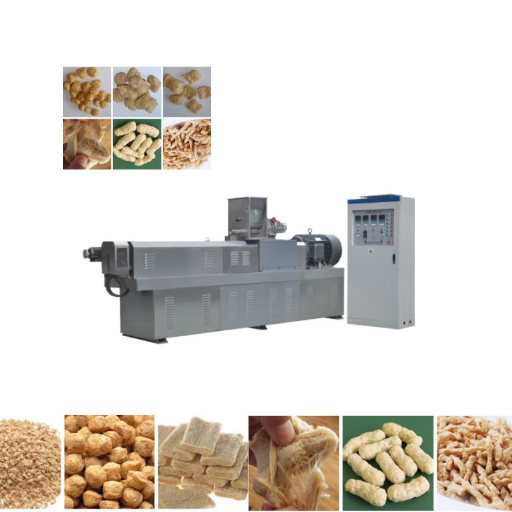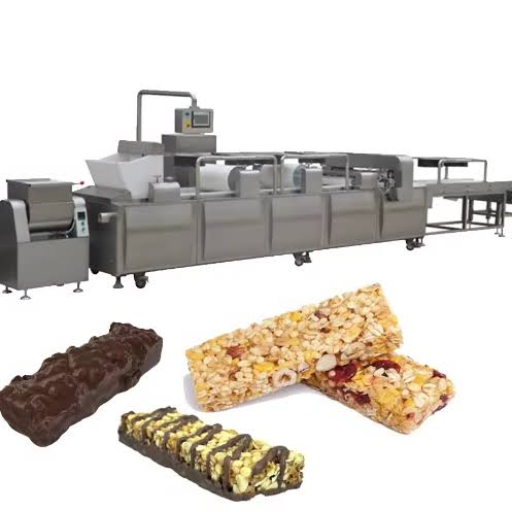
The commercial kitchen is the very heart of the food service industry, and thus utmost importance is given to efficiency and functionality. For technicians whose responsibilities include maintaining and fixing the equipment that makes such culinary operations, it is not a matter of just being valuable—it is a must. This blog post is about our Commercial Food Service Equipment Course that is precisely aimed at technicians like you, equipped with the necessary skills, understanding, and confidence to face the unique challenges of the commercial kitchen environment. Mastering the intricacies of ovens, refrigerators, and dishwashers, optimizing system efficiency, and ensuring compliance with safety standards are just a few of the topics that will be covered in this course. It is like your ultimate guide to becoming a star in this high-demand field. The training will be valuable not only for newcomers to the industry but also for the experienced technicians who want to upgrade their skills. It will make you ready to provide service that is far beyond what is commonly available in every kitchen you enter.
Overview of Commercial Food Equipment Training
The training of commercial food equipment is a program that gives the participants the necessary skills to carry out the installation, repair, and maintenance of kitchen appliances that are widely used in the foodservice industry. The training is not only theoretical but also practical that covers the main topics of knowing the equipment’s functionality, carrying out routine maintenance, solving common problems, and following safety and compliance regulations. After getting the practical knowledge and going through the training step by step, the technicians will be ready to perform the tasks of modern commercial kitchens quickly and professionally.
Importance of Equipment Training in the Food Service Industry
In the food service industry, proper equipment training is a must if one wants to achieve operational efficiency, minimize downtime, and keep up with safety standards. Well-trained technicians have the skill to diagnose and fix problems very fast, so the appliance downtime will be very short and its life will be longer. Moreover, the trained and skilled workers will play a significant role in helping the companies to comply with the regulations, control risks and also help the kitchen through putting up measures that will eventually lead to the same quality of food and, therefore, customer satisfaction.
Objectives of the Training Course
The training course’s main objectives are to improve the technicians’ ability to diagnose and repair equipment quickly, ensure safety and regulatory standards compliance, and reduce the time that appliances are out of service. The course also seeks to facilitate the management of the workflow, prolong the life of the equipment, and maintain the quality of food, thus leading to operational excellence and customer satisfaction in the food service industry.
Compliance with Industry Standards
Compliance with the industry standards consists of following the safety rules that have been set, keeping the right documents, and verifying that all the machines work according to the standards required. This procedure not only protects the workers and the customers but also facilitates dependability and lowers the risks that come with lawsuits, thus, increasing the efficiency of the entire operation. Employees who are regularly trained will be made aware of the changes happening in the standards and this will motivate them to be responsible and offer quality work.
Types of Food Equipment Training Available
1. Basic Operations Training
It aims to comprehend the safe and effective operation of common equipment used in food service such as ovens, fryers, and refrigerators.
2. Maintenance and Troubleshooting
It equips technicians with the ability to perform routine maintenance, identify problems and apply minor repairs thus, reducing the downtime significantly.
3. Specialized Equipment Training
This training includes combi ovens, blast chillers, or sous vide systems which are considered advanced or specific to an industry, thus, ensuring the right use and care of those machines.
4. Safety and Compliance Training
It guarantees the correct application of safety practices and the food industry standards through the sanitation and equipment handling procedures.
5. Energy Efficiency Training
It is all about the smart usage of equipment that results in less power consumption, better ecology, and lower operation costs.
Hands-On Sessions and In-House Training
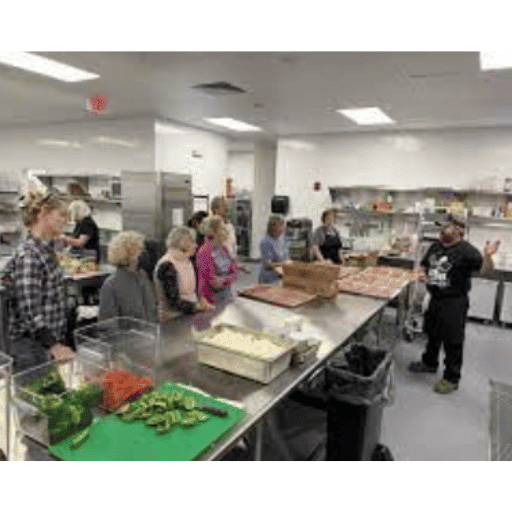
Practicals enable the trainees to gain first-hand experience and to work with the apparatus and master the techniques that have been taught to them through the supervision of the experts. The trainings can be arranged inside the company, customized to the exact operational requirements, guaranteeing that staff members acquire skills that are directly and relevant while building up a thoroughly knowledgeable about the best practices in real-world application.
Manufacturer-Led Workshops
Workshops led by manufacturers present a well-organized method of learning, with industry gurus leading the way by sharing their knowledge about the product features, advanced methods, and ways to improve. The main goal of these workshops is to make the attendees completely aware of the new technologies and the most efficient ways of working, which will ultimately result in their being more efficient and getting the highest form of operation.
Online Modules and Virtual Reality Simulations
The online modules and simulations that use virtual reality (VR) technology give to the users the freedom of choosing, interactive and personal experiences in learning, switching to the user’s skill level. These tools do not only make the learning process more convenient but also bring the learners more close to the reality, so they will be able to understand very well the hard-to-grasp ideas, go through the real-life situations and get much better at remembering the learning aspects. Moreover, they are considered the best way to keep the quality of education at the same level and of the same size in the entire organization, as well as to promote involvement and practical skills growth.
Key Benefits of Equipment Training
Improved Safety for Employees
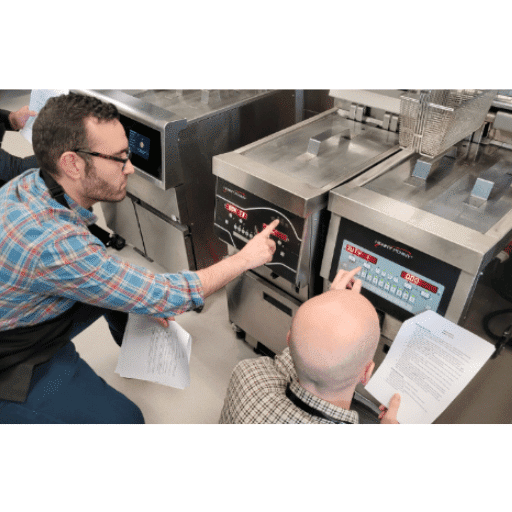
Training that is done properly gives the workers the proper skills and knowledge to work with the machines without any danger, recognize the possible risks and comply with the safety measures that are set. This brings down the chances of mishaps, thereby, workers and all those who frequent the place feel safe. Moreover, it breeds a safety-conscious culture.
Skill Development and Career Advancement
Comprehensive training programs are designed in such a way that they help employees to perfect their skills and even learn new ones, thus making them more efficient and versatile. As a result, their present-day performance is uplifted and they are also equipped with necessary skills for future roles and responsibilities, thus career growth and long-term professional development are supported.
Enhanced Efficiency and Reduced Liability for Businesses
The operational efficiency of a business is greatly improved through investing in employee training and safety programs. This operational efficiency is achieved mainly by a reduction in workplace errors, a rise in productivity, and a decrease in downtime. Furthermore, it reduces risks associated with liabilities, resulting from compliance with laws and regulations, and the creation of a safer working environment, thereby shielding the business from possible court cases and financial disputes.
Implementing Effective Training Strategies

For effective training strategies to be implemented, the following main steps should be focused on:
1. Assess Training Needs
Skill gaps should be identified and the areas where employees need extra support or knowledge should be found out through the regular assessments conducted.
2. Set Clear Objectives
Specific and measurable goals should be defined for each training session so that they are aligned with both organizational and employee needs.
3. Customize Training Programs
The content should be customized according to the specific roles, responsibilities, and industry requirements of the team to make it more relevant and engaging.
4. Leverage Interactive Methods
Interactive tools like workshops, simulations, or hands-on activities should be used to improve practical understanding and retention.
5. Utilize Feedback Mechanisms
Employee feedback should be collected during and after the training to refine the content and to discover the areas where more training could be needed.
6. Measure Performance and Impact
Post-training metrics such as improved skills, increased productivity, and higher confidence levels should be monitored to assess the effectiveness and return on investment.
Empowering employees through effective methods of training fosters big results in both individuals and organizations.
Creating a Comprehensive Training Plan
To create a comprehensive training plan, there are several key steps that need to be taken to make it effective. First, determine the skills and knowledge gaps present in your team so that you can customize the training accordingly. Next, spell out learning objectives that are in line with the company’s goals. Besides, create captivating material using different formats like presentations, videos, and interactive activities that will appeal to different types of learners. Decide on a timeline and a structure for the training sessions, making sure to conduct frequent assessments to monitor progress. Besides, provide channels for feedback so that the training can be improved over time and use performance indicators to determine its effectiveness. If organizations stick to these steps, they will be able to create training plans that help with development and are successful.
Ongoing Training and Skill Refreshers
It is very important to conduct ongoing training and refreshers for the employees’ skills, so that they can be acquainted with the changing industry trends and technologies. The individuals get to be up-to-date and versatile by getting regular workshops, assessments of skills and also having access to the latest resources. Continuous learning is the culture that the organizations can have and thus they will be able to increase employee engagement, productivity, and innovation, which in turn will be the driving factor of their long-term success.
Engaging Employees in Continuous Learning
A strategic approach must be taken in order to encourage employees to partake in continuous learning. This can be initiated by matching the learning opportunities to the individual’s career goals and company’s aims. Then, offer resources like online courses and mentorship that are easily available. Also, recognize the efforts made by employees through incentives or certificates. Build a culture that is supportive and embraces growth by encouraging open communication, giving feedback, and celebrating achievements. As a result of incorporating learning into the corporate culture, employees are encouraged and supported to improve their skills.
📚 Reference Sources
- Colin Kurtis – 5 Steps to Finding the Target Audience for Your Food Equipment Company: Provides tips on how to find the perfect audience for food equipment services, including training programs.
- Quora – What is an Example of Target Audience in Food Industry?: Gives examples of possible target audiences in the food industry that need training in equipment.
- Chef’s Deal – Commercial Kitchen Equipment Training: Shows that training food service staff in foodservice establishments is important to maintain and properly use the commercial kitchen equipment.
Frequently Asked Questions (FAQs)
Elevate Your Technical Expertise Today
Join our comprehensive Commercial Food Service Equipment Course and become the go-to technician in commercial kitchens. Master essential skills, boost your career prospects, and deliver exceptional service excellence.