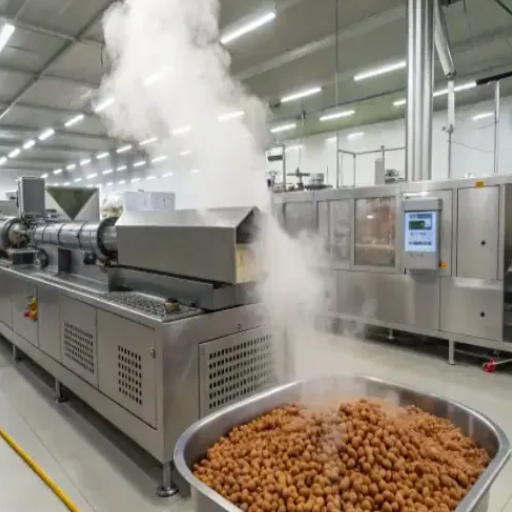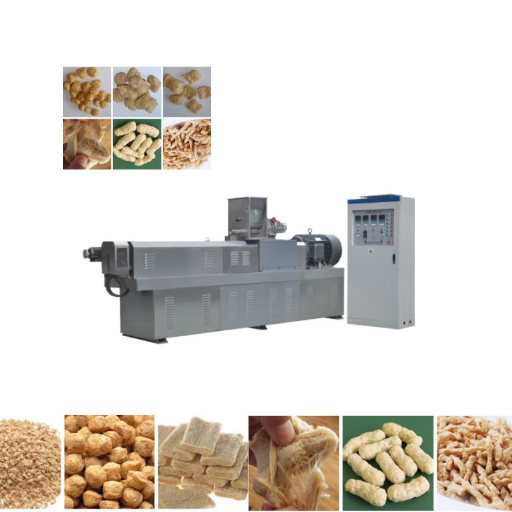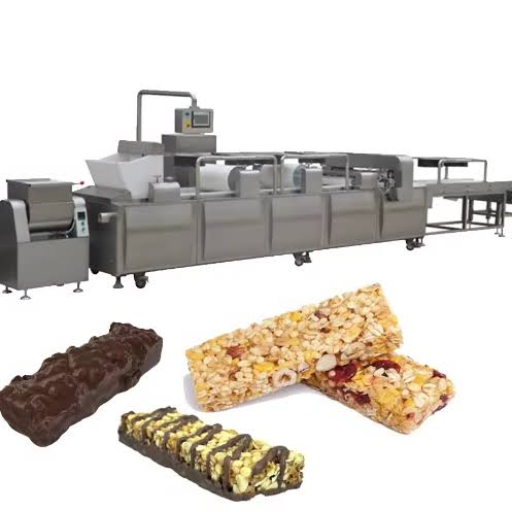
A major change is happening in the food sector, and it is caused by the adoption of cutting-edge technologies and automation. The automated food manufacturing process should be considered a revolution instead of a trend since it offers a solution to the increasing need for efficiency, quality, and sustainability in food production. These technological breakthroughs have changed not only the production but also the packaging and delivery of food. The discussion in this article focuses on the changes that automation is causing in the sector, the advantages both producers and consumers get from it, and the very interesting chances that it opens up for an effective and future-ready food supply chain.
Understanding Smart Food Manufacturing
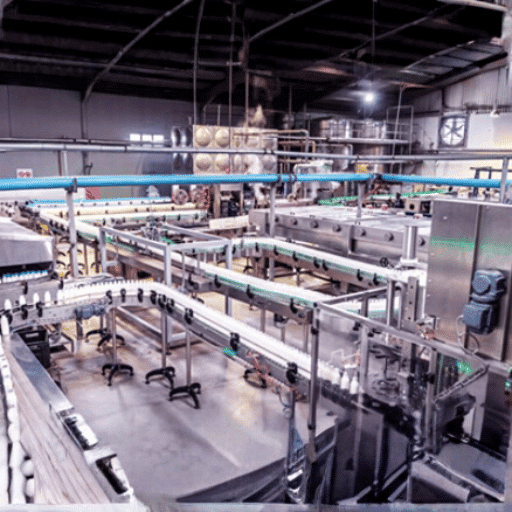
Smart food manufacturing is the overlay of cutting-edge technologies and automated systems on food production processes to increase their efficiency, quality, and sustainability. The smart food manufacturing uses sensors, robots, and AI as its main tools to perform the above-mentioned tasks, and it even manages to do so consistently. Moreover, real-time data and predictive analytics are employed in such a manner that the manufacturers can keep an eye on their production, controlling the quality, and responding to the changes in demand very fast. If a company uses smart manufacturing technology in the food sector, it will not only have higher productivity but also be in line with the sustainability commitment and the consumers’ demands.
Definition and Importance of Smart Food Manufacturing
Smart food manufacturing means that high-tech and advanced technologies like IoT, AI, data analytics, and robotics are used in food production processes. This system increases efficiency, lowers the amount of food that is disposed of, and maintains quality through the use of continuous monitoring and predictions. Its significance is the same as satisfying rising consumer demands, keeping the environment healthy, and making production faster and more efficient to quickly respond to market changes, which is a great turnaround for the food manufacturing sector.
Key Technologies Driving Automation
The food production industry is being driven by a couple of up-and-coming technologies that are very important and they are IoT (Internet of Things), which allows oversight of operations in real-time and interconnected systems thus providing support to enhance efficiency and cut downtime. IoT’s impact on the food industry is huge, as it helps all other technologies by interconnecting them. Robotics draws out an opera that involves strict adherence and uniformity in the execution of tasks leading to a higher output and reduction of mistakes at the same time. AI is also one of those technologies enabling better decision-making through, among other things, predicting customers’ needs, optimizing inventory, and allocating resources. Moreover, data analytics is a process that turns data of no immediate use to the company into useful insights, thus enabling the firm to keep up with the market and the buyers’ preferences very smartly. All these technologies together are the ones responsible for bringing about a more intelligent, faster, and eco-friendly production process in the food sector.
The Role of Smart Factories in the Food and Beverage Industry
Smart factories are transforming the food and beverage industry drastically by the technological integration, mainly IoT, AI, and robotics, with the focus on increased efficiency and improved quality. The real-time monitoring and automation of the whole production process in the smart factories lead to a significant reduction of waste and downtime. The facilities with predictive maintenance and exact resource utilization guarantee the output consistency while complying with the safety and regulatory standards. The data-driven insights from smart factories allow businesses to change quickly according to the consumer’s changing tastes, bringing about higher profitability and sustainability in the market that is already competitive.
Current Trends in the Food Manufacturing Industry
- 1
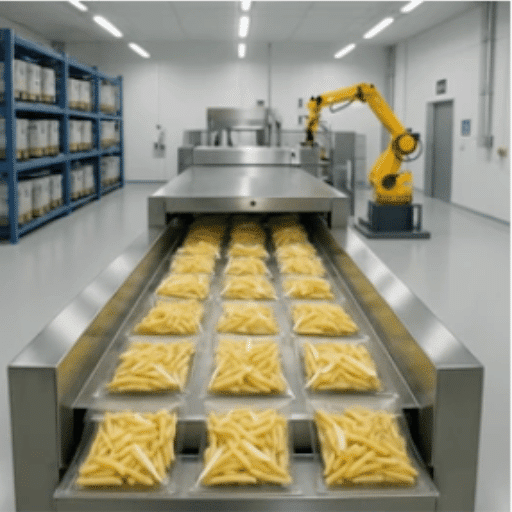
Increased Automation: Food production plants are increasingly investing in the automatic process, as well as other machinery that can fully control the production, to get the highest efficiency possible, to take the minimum cost for the operation, and finally, to make the products more consistent. - 2
Focus on Sustainability: The companies are taking on the green practices like waste reduction, using renewable energy, and getting eco-friendly packaging, in order to satisfy the regulatory requirements and also the consumer’s demand for sustainable products. - 3
Demand for Plant-Based Products: The health-and-environment-conscious consumers’ increase has greatly inflated the production of plant-based and alternative protein products, thus significantly changing the product lines and innovation in the industry. - 4
Advanced Food Safety Measures: The food safety measures and technologies that are being implemented include real-time monitoring and blockchain for traceability, which are aimed at ensuring product quality and reducing contamination risks. - 5
Personalized Nutrition: The industry is taking the interest in customized diets that has been growing lately by providing food products that are tailored to the individual’s nutritional needs, backed by data analysis and flexibility in mass-customized production. - 6
Growth of E-Commerce: As online grocery shopping keeps growing, manufacturers are perfecting their production and supply chains so that they can sell directly to e-commerce platforms, delivering fast packaging and innovation guarantee.
Emerging Trends for 2024 and Beyond
- 1
Sustainability in Production: The consumer demand for eco-friendly products has led to the prioritization of environmentally-sound methods by companies. Among these methods are the use of renewable energy and the application of waste reduction techniques. - 2
AI-Driven Innovations: Artificial intelligence is not only being utilized but also seen as major tool for production optimization, consumer experience personalization, and market trend prediction with an even higher degree of accuracy. - 3
Health and Wellness Focus: The sectors of the industry have blossomed into holistic health, with the introduction of products that support mental health, immunity, and functional nutrition. - 4
Hyper-Personalization: Through the use of sophisticated data analytics, companies are developing extremely personalized interactions that reflect consumers’ tastes and lifestyles. - 5
Technological Integration: The deployment of Internet of Things (IoT) devices and blockchain technology across supply chains is raising the bar on both transparency and efficiency, thus catering to consumers’ needs for product traceability.
Integrating Automation in Food Processing
The creation of food processing automation is taking the industry to a different level by improving efficiency, consistency, and safety. Robotic systems, AI-based sorting systems, and predictive maintenance as well as other automated technologies, are all working together to make the operations smooth and less prone to human mistakes. The new technologies are going to be quicker, able to produce the same quality throughout, and take less of the product that would otherwise be thrown away, all of which are in line with the consumers’ craving for less waste and more openness in the process. Furthermore, automation through data management on the whole supply chain gives the food industry an easier way of accomplishing traceability and compliance and is thus a necessary practice in modern food production.
Real-Time Data Analytics in Food Production
Real-time data analytics in food production harness the power of cutting-edge technology to watch, gather and analyze data live all through the manufacturing process. This facilitates the producers to detect the inefficiencies, forecast maintenance requirements and react by changing the process proactively, thus, making the performance optimal and cutting the downtime. Companies with accurate insights into the production metrics will not only the enhance product quality but also the improve safety standards, the meet compliance regulations and all these will be done while the companies reacting quickly to the market demands.
Challenges Faced by Food Manufacturers

- 1
Supply Chain Disruptions: The ongoing global events, which are hard to predict, like pandemics or geopolitical conflicts, will always be the reason for the continuous strain on supply chains thus affecting the quantity and price of raw materials. - 2
Rising Production Costs: Manufacturers using more expensive ingredients, labor and energy are coming up with different ways to make it easy for them to keep prices low and at the same time be profitable. - 3
Regulatory Compliance: Compliance with the government’s strict regulations regarding food safety and the environment requires constant upgrading of technology and systems which consume lots of resources. - 4
Changing Consumer Preferences: The market is now calling for healthier, more sustainable and ethically produced products; this means the manufacturers have to come up with new formulations and to make some adjustments at the production stage. - 5
E-Commerce Integration: The growing demand for online sales and partnerships with e-commerce companies is forcing the traditional manufacturing models to change; new requirements have thus emerged including the need for flexible packaging and faster delivery.
This challenge goes a step further, emphasizing the need for innovation on the part of companies.
Common Obstacles in Implementing Smart Manufacturing
- 1
High Initial Investment Costs: Smart manufacturing is usually associated with a large outlay for new technologies, equipment, and infrastructure, which can be a major drawback for small and medium-sized enterprises. - 2
Workforce Skills Gap: A workforce might not have sufficient technical knowledge to handle and control intricate systems, and lengthy training and upskilling programs would be needed. - 3
Data Integration Challenges: The combination of data from different sources and legacy systems has to be done in a very efficient way, and this is not always the case, resulting in waste of time and delays in implementation. - 4
Cybersecurity Risks: The greater dependence on connected devices and IoT technologies makes it easier for manufacturers to be attacked by hackers, thus they will need to put in place very strong protective measures. - 5
Lack of Standardization: The presence of multiple technologies and the absence of universally accepted standards in the industry can result in non-interoperability of systems and hence no collaboration among partners.
If these hindrances are dealt with properly, then the companies will be able to take full advantage of smart manufacturing on the way of boosting their efficiency, cutting costs and being more adaptable.
Traceability Issues in the Supply Chain
The root causes of traceability problems in the supply chain can be attributed to lack of visibility, fragmented data systems, and absence of standard procedures. These barriers restrict the tracking of goods, quality assurance, and regulatory compliance. In the absence of flawless traceability, businesses will be facing the risk of being delayed, having recalls or losses in efficiency, which can all lead to the disruption of operations and loss of customer trust. However, the adoption of cutting-edge technologies namely blockchain, IoT, and data analytics can solve the problems by offering real-time tracking, improving data unity, and providing visibility throughout the supply chain.
Managing Change in Food Factories
To manage the shift in food manufacturing, a methodical plan has to be put in place that covers the operational and cultural aspects. The first step is to evaluate the present procedures and find out inefficiencies along with the potential for improvement. Advanced technologies e.g., automation and IoT, should be introduced to improve production, increase tracking, and support quality control. The staff should be involved in the process through training and open communication, which will guarantee that they are on board and can easily adapt to the new systems. Make it a point to keep on reviewing and tweaking the processes regularly so that they remain compliant with the laws and are still in line with the demands of the market. A proactive and open strategy leads to easier transitions and also to the retention of productivity during the change-over period.
Innovative Solutions for Enhancing Efficiency
1. Automation and AI Adoption
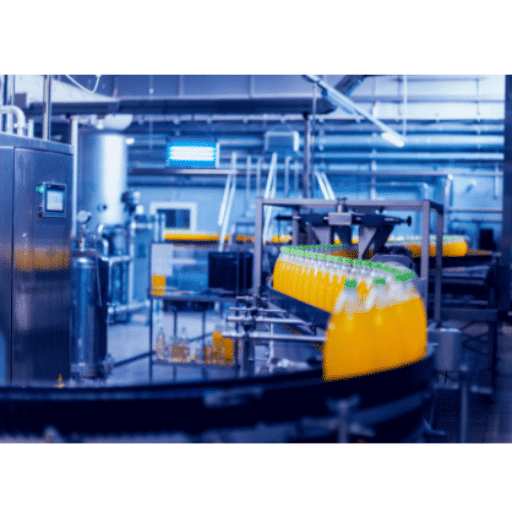
The use of automation and AI technologies brings about a significant change or improvement in operational speed and a considerable decrease in errors in production processes. AI-enabled tools are capable of distributing resources wisely, keeping track of the performance of machines, and even anticipating the requirements of maintenance, which together guarantee productivity that is never disrupted.
2. Energy-Efficient Systems
Cutting-edge energy-efficient equipment and processes can bring down operational costs along with achieving sustainability objectives. Intelligent sensors and energy monitoring systems can assist in consumption tracking and adjustment right at the moment.
3. Enhanced Supply Chain Visibility
The use of technologies such as blockchain guarantees a higher level of traceability and transparency in the supply chain. It allows better collaboration with suppliers, minimizes waste, and creates more consumer trust.
4. Workforce Upskilling
Employee training programs make it easier for the employees to use the new technology and at the same time, they help to create a culture of continuous improvement and innovation. Modern systems can be operated by skilled workers with ease, thus their potential is maximized.
5. Flexibility in Production Lines
The installation of modular and reconfigurable production systems ratchets up the adaptability to the volatility of consumer demand or the trends in the market. As a result, the manufacturers are in a position to offer a wider range of products with greater efficiency and without interrupting the existing workflows.
Utilizing ERP Systems for Better Supply Chain Management
ERP systems effectively manage the supply chain by connecting core activities like inventory tracking, purchasing, manufacturing, and shipping on one platform. The integration gives manufacturers a better view of the whole process in real-time, allows them to base their decisions on data, and helps them to eliminate non-value-adding activities. Besides, automating functions such as order processing and demand prediction, ERP systems also help in precision and quickness, thus, more satisfying the customers’ demands while cost-cutting. It is these tools that truly improve interdepartmental cooperation as well as that with outside suppliers, thus, guaranteeing a less complicated and more flexible supply chain.
Predictive Analytics for Improved Decision Making
Predictive analytics is a process that makes use of past data, machine learning, and statistical methods to predict what is going to happen in the future in terms of trends and outcomes. By discovering similarities and giving recommendations businesses can take informed decisions, see the changes in the market ahead of time, and take measures against risks. This way of thinking improves strategic planning, resource allocation, and demand forecasting to the extent that the companies become fully aware of the situation and can even change it in their favor being competitive and quick at the same time.
Case Studies of Successful Automation in Food Manufacturing
1. Automated Packaging Systems
A main producer of snacks has made use of robotic packaging systems, which have resulted in the smooth functioning of the entire process and very much lower labor costs. The precision that has come with this automation has also reduced waste and, thus, increased production efficiency.
2. Predictive Maintenance with AI
A certain dairy company has also employed an AI-based predictive maintenance system that watches over all its equipment and reports on its health. This has been so effective that it managed to reduce downtime by 30% and thus maintenance costs as well.
3. Smart Inventory Management
A beverage manufacturer took advantage of IoT and machine learning to manage its inventory efficiently. The real-time tracking and demand forecasting have resulted in a 20% reduction in excess stock and at the same time, an improvement in order fulfillment rates.
4. Quality Control with Vision Systems
A bakery has installed AI-powered vision systems in its production line to monitor the quality of baked products and to eliminate defects. This system has provided the bakery with consistent quality standards and has even cut returns by 15%, which has led to an increase in customer satisfaction.
There is no stopping automated food manufacturing to keep bringing in benefits in the form of efficiency, precision, and sustainability; thus, opening the door for scalable growth.
Reference Sources
- Food Engineering Magazine – A Look at How Smart Manufacturing Is Addressing Challenges:
Examines the ways in which smart manufacturing technology and methods have been able to tackle the difficulties of both operations and economy the alimentos industry is facing. Source - Smart Food Safe – Behind-the-scenes of Food Product Development:
Mentions certain technologies such as Smart Specification that help food businesses with the compliance and the process improvements as well. Source - Food Engineering Magazine – Smart Food Manufacturing:
Discusses the necessity of having a growth mindset and continuously improving as part of the smart manufacturing efforts. Source
Frequently Asked Questions (FAQs)
What exactly is smart food manufacturing?
Smart food manufacturing is the process of applying IoT, AI, robotics, and automation to food production and making it more efficient with the help of these technologies.
What advantages are associated with smart food manufacturing?
Increased efficiency, reduction in waste, better quality of the product, and food safety that is enhanced along with resource management that is improved are among the benefits.
Which technologies are utilized in smart food manufacturing?
IoT sensors, AI-driven analytics, robotics, machine learning, and blockchain for supply chain transparency are some of the common technologies.
In what way does smart manufacturing contribute to food safety?
With the help of real-time monitoring, predictive analytics, and automated quality checks, it guarantees meeting the food safety standards.
Which sectors may gain from the use of smart food manufacturing?
The sectors of packaged foods, beverages, dairy, meat processing, and bakery products may reap considerable benefits.