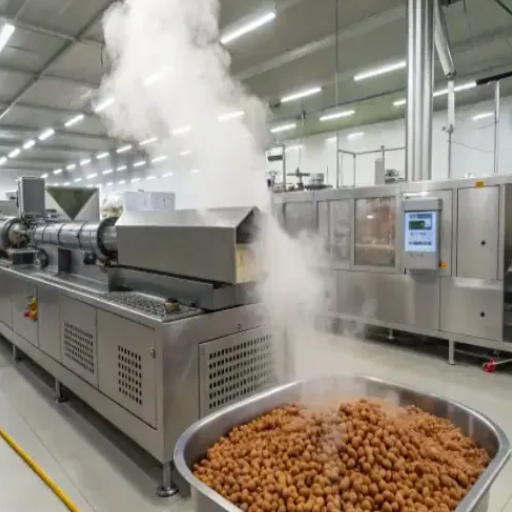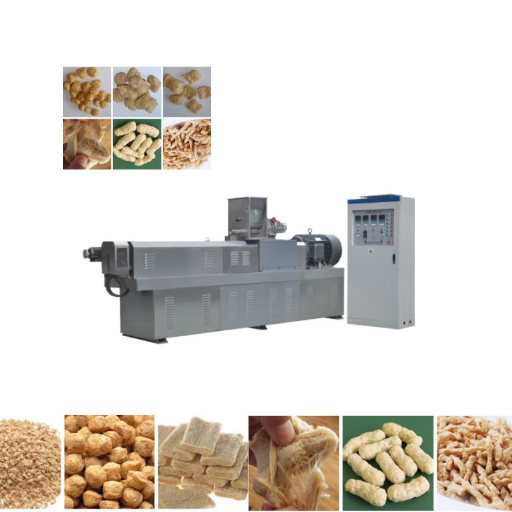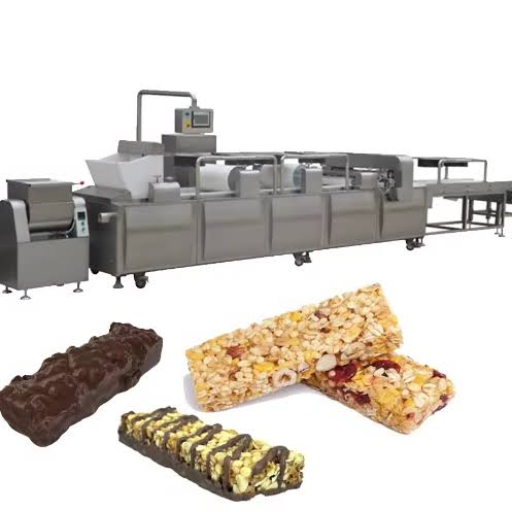
Instant noodles have become a favorite food product for millions of people around the world, as they just require a fast, easy and tasty instant meal option. Yet still, have you ever delved into the fancy manufacture process behind the scenes of it? Starting with the picking the raw materials and the accuracy of the procedures that guarantee a uniform production and taste, instant noodles making is an incredible mixture of chemistry, mechanics and cuisine skill. This post looks into the intricate production method, breaking down each step and uncovering the breakthrough that instant noodles making has become an integral part of the modern lifestyle. Whether a food enthusiast with a warm heart fan or a professional who works in the industry, get ready to find out the reasoning behind the millions of comforting noodle bowls.
Introduction to Instant Noodle Manufacturing
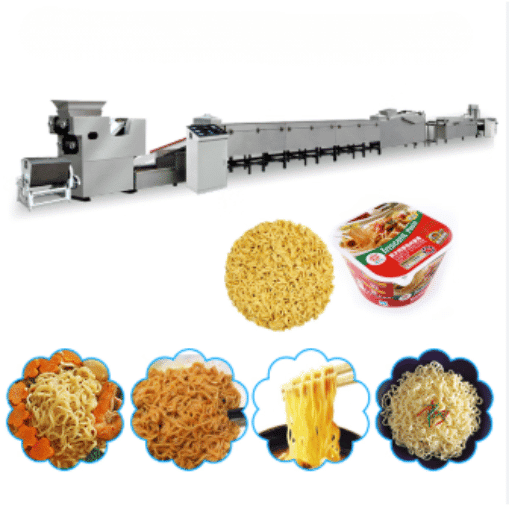
Instant noodles manufacturing involves a well-rounded procedure that was specifically designed in order to maintain the consistency, quality, and speed. The most important steps that need to be taken are:
- Mixing and Kneading the Dough: All the costs in the form of wheat flour, water, and other ingredients are taken into consideration and then a smooth and elastic dough is formed which will serve as the noodle base.
- Rolling and Cutting: The dough is rolled into thin sheets and subsequently cut into noodle strands of the same size and shape.
- Steaming: The cut noodle strands are steamed to give them a pre-cooked status and also to improve their texture.
- Drying (Frying or Air-Drying): The last state of the process is to make sure that the noodles have a long shelf life. This is done by dehydrating the noodles through oil frying or air-drying.
- Seasoning and Packaging: The seasonings and the oils will be separately prepared and put in the packaging along with the dried noodles.
The whole process continuous monitoring ensures the fulfillment of the quality and safety standards and thus the whole final product becomes the trustworthy and satisfying meal option for millions worldwide.
Overview of Instant Noodles
Instant noodles have become very popular worldwide due to them being so useful, cheap, and capable of being used in many different ways. They offer many tastes with a lot of different flavors and can be made easily and thus they become the main meal for busy people and the families. The instant noodles are one of the most convenient and delicious comfort foods, whose making has been continuously changing with the new technology and varied seasoning all over the world.
History and Evolution of Instant Noodle Production
The production of instant noodles started in Japan in 1958, and Momofuku Ando made it possible by the introduction of the first pre-cooked and dried noodles which are called also “Chicken Ramen.” This was a big leap forward for the food industry, so to speak, because it was now faster and easier to prepare a whole meal that was only by adding hot water.
In the course of time, break-throughs in dehydration processes, in packaging, and in flavor development have been paving the way for this industry to become a worldwide phenomenon. The present-day assortment of instant noodles includes many different styles, all of which are adjusted to the tastes of different regions, without, however, losing their basic appeal that is simplicity and availability.
Importance in Global Cuisine
Instant noodles are called as one of the most prominent kitchen cupboards in the world for the ease of use, the low cost and the diversity of the foods that can be made out of them. Instant noodles can cater to any taste by adopting different regional flavors and additives, ranging from spicy Korean ramyeon to umami Japanese miso ramen. As well as eating them one by one, the instant noodles have sprouted into the main ingredients in the so-called fusion cooking regularly and foods that are reserves in times of emergencies frequently, which points out the instant noodles’ nature to be adjustable and their excellent appeal to everyone and in various cultural and practical contexts.
Raw Materials in Instant Noodle Production

The major ingredients in the making of instant noodles are wheat flour, palm oil, and water. Wheat flour plays the key role in noodles by giving them structure and texture. Palm oil is utilized in the process of frying to extend the shelf life of the noodles providing a good consistency. The use of water is vital for the formation of the kneaded dough, which will then make up the noodles. Furthermore, to make the taste even better, flavourings, such as salt, monosodium glutamate (MSG), and various spices, are always added. On top of these, when it comes to the preference of consumers, vegetables, dehydrated meat and flavouring packets are often brought in as an option for developing a different type of taste profile.
Key Ingredients Used in Noodle Manufacturing
- Wheat Flour & Water
Main contributors to the dough foundation - Salt & Alkaline Salts (Kansui)
Provide necessary texture and elasticity - Flavor Additives
MSG, spices, and seasonings to enhance taste - Dehydrated Vegetables & Meats
Optional additions for varied taste profiles
Quality Standards for Raw Materials
For the purpose of making the noodles of high quality, it is required that the raw materials meet the exacting standards. For the dough quality at its best, the wheat flour must be consistent in protein content and have a lesser amount of impurities at the same time. Water for noodle making must be as per the safe water requirements and without any coloring agents or bad taste which can affect the texture and the safety of the noodles.
⚠️ Critical Quality Requirements: The salts used such as kansui should be of the food grade and meet the regulatory guidelines so that they are safe to be consumed. The suppliers of the nonessential ingredients of the noodles, like spices, meats, etc. must be verified and the materials subjected to the strictest compliance with all the regulations to assure that the end-users get fresh and safe to eat products.
Impact of Ingredient Sourcing on Production
The Noodle Production Process

The noodle manufacturing system includes several critical steps that need to be followed for every batch to be of a consistent quality and at the same time, efficient:
- Mixing of Ingredients: A mix of flour, water, and flavorings is mixed together to create a uniform dough with the proper consistency.
- Kneading and Resting: The dough is kneaded well to develop its elasticity, and then it is allowed to rest to properly form the gluten.
- Sheeting and Cutting: The dough that has been rested is rolled out into thin sheets which are then cut into different thicknesses and shapes that are needed for the product.
- Steaming or Frying: The noodles are just steamed to keep their shape when frying or air-drying is done as an option for inclusion.
- Drying and Packaging: The whole noodle drying process includes placing them in a high-temperature room to extend their shelf life and then, they are put into packaging for distribution.
Every procedure is meticulously watched to be in line with the quality priorities and to meet the demands of the customers.
Mixing and Kneading Ingredients
The steps of combining and kneading ensure that all the components are mixed uniformly and a homogenous dough is created. The preparation, which is generally done by mixing the wheat flour, water, and other substances as such, requires the dough to be kneaded fully in order to get gluten, the main protein, activated and to give the noodles the desired texture by getting the dough elastic.
Sheeting and Cutting the Noodles
Specialized machines are used to roll the dough into thin sheets, which guarantees the uniformity of the dough’s thickness. After that, the dough is cut precisely into the required shape and size, which can be different for different types of noodles. This step is also very important in order to get the right texture and look of the final product.
Cooking Methods: Boiling vs. Frying
The choice between the two depends on the ultimate tastes, textures, and dishes desired for the final product.
Packaging and Distribution of Instant Noodles

After the noodles have been dried, the next step is to package them carefully as to preserve the quality and to avoid contamination. Usually, the operation to put the noodles in a container is done with hermetic materials to shield the noodles from moisture, light, and air which serves to keep them on the shelf for a long time. Later on, the packages are marked with all requirements related to the product like of the nutritional value, the cooking instructions, and the dates when the products should be consumed.
At the stage of the noodles’ packing for the market, they are put into cartons or corrugated boxes to facilitate handling thus making distribution easier. They are then sent to shops, wholesalers, and distributors via a very effective shipping system where every effort is made to limit the time taken and to keep the noodles in good condition all the way. It is through this chain of processes that it is made sure that the instant noodles are within the reach of buyers in the global markets.
Types of Packaging Materials
Packaging materials play a critical role in keeping the products fresh and at their best quality in fast-moving consumer goods such as instant foods. The three most commonly used packaging materials for instant noodles are:
- Plastic Packaging: Light and long-lived, continuously chosen for noodle bags and one-portion packages; effective protection against moisture penetration.
- Foil Packaging: Exceptional barrier against air and light, maintaining flavorful character for longer periods and extending shelf life.
- Cup or Bowl Packaging: Made from polystyrene, paperboard, and biodegradable substitutes; fastest and most convenient for single-serve consumption.
All the above materials are picked because they are on one hand they are environmentally friendly and on the other hand they are consistent with the needs of both distribution and consumer specifications.
Importance of Packaging for Shelf Life
Well-organized packaging is the main factor which can help maintain the product’s shelf life by guarding it against the environmental factors like moisture, oxygen and light that can deteriorate the quality. Good quality packaging material such as plastics & resins, glass, metal, etc. prevent contamination, display hygiene, and maintain the item’s flavor and quality over time. By providing a reliable barrier and secure sealing, packaging helps to prolong the product’s life, which is required by both the consumers’ expectations and the logistical needs in the distribution system.
Distribution Channels in the Global Market
- Direct Channels
Manufacturers sell products directly to customers - Indirect Channels
Involving wholesalers, distributors, and retailers - E-Commerce Platforms
Providing access to large customer numbers with purchasing convenience - Local Distributors
Regional market partners closer to customers with local knowledge
Therefore, if companies employ this range of channels, they will eventually end up with the best supply chain, a broader market, and the happiest customers.
Frequently Asked Questions (FAQs)
Reference Sources
- Ken Research – North America Instant Noodles Market Outlook to 2030: Sheds light and reveals major sectoral and market forces of instant noodles for the benefit of both makers and suppliers.
- ResearchGate – Study on Consumer Attitude towards Instant Food Products: Draws the consumer attitude towards the instant noodle market and the role that the convenience factor plays.
- Bartleby – Target Market Objectives of Indomie: Pulls the limelight on the intended customer group for the instant noodles manly the young adults and students.
- SIS International – Noodles Market Research: Gives rise to the global noodle-related industry versus the main driving forces and logistics.
- LinkedIn – United States Instant Noodle Production Line Market: In-depth market review for instant noodle production lines, stimulated by the demand for things that save time.
Conclusion
The production of instant noodles represents a remarkable fusion of culinary tradition, scientific innovation, and manufacturing precision. From carefully selecting and blending raw materials to implementing sophisticated drying and packaging techniques, every step in the process is meticulously designed to deliver consistent quality, safety, and convenience to millions of consumers worldwide. Understanding this intricate production process reveals not just the technical expertise required, but also the continuous innovation that has made instant noodles a global staple food. As technology advances and consumer preferences evolve, the instant noodle industry continues to adapt, introducing healthier options, diverse flavors, and sustainable packaging solutions. Whether enjoyed as a quick meal during busy days or as a comforting dish that brings back memories, instant noodles remain a testament to human ingenuity in food production. By maintaining strict quality control measures, adhering to international standards, and continuously improving production efficiency, manufacturers ensure that this convenient food option remains both accessible and reliable for generations to come.