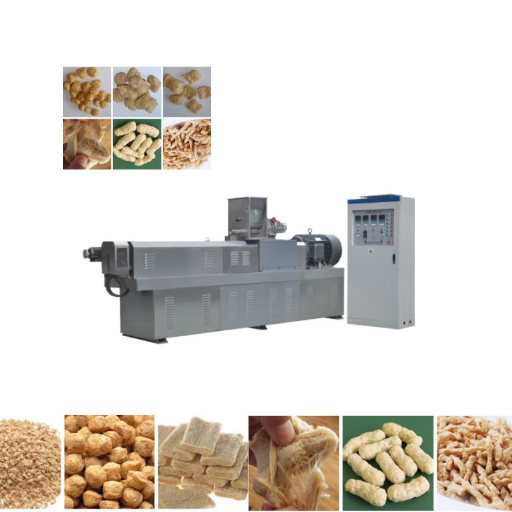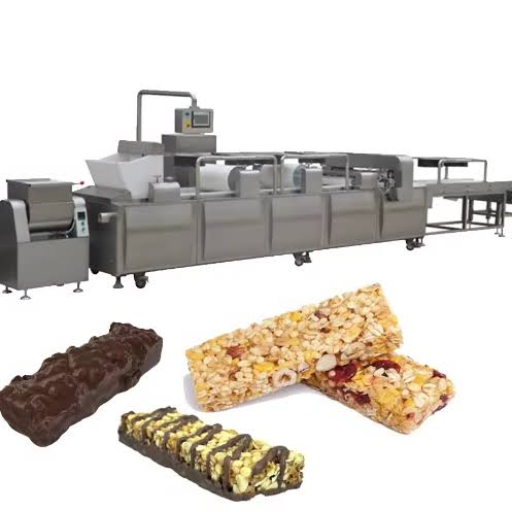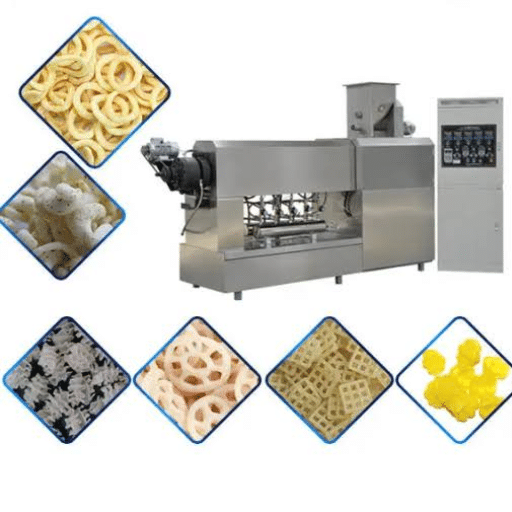
The food production industry has undergone a major change due to the increased demand for healthy and easy-to-eat snacks, and among the health-conscious consumers of different countries, protein bars have become the number one choice. But, what is the process to produce these nutrient-rich bars using the industrial method? An intricate process powered by high-tech machines and automation is responsible for every perfectly crafted protein bar. The article will take you into the domain of automatic protein bar production lines, giving you insight into how modern industrial bar machines simplify production, increase efficiency, and comply with the regulations of the industry. If you are a manufacturer aiming to improve your operations or a food lover wondering about the technology behind your favorite snacks, then this guide is for you as it provides a very interesting and lively exploration of the various tools, techniques, and features that are responsible for the modern protein bar production.
Benefits of Automated Protein Bar Production Lines
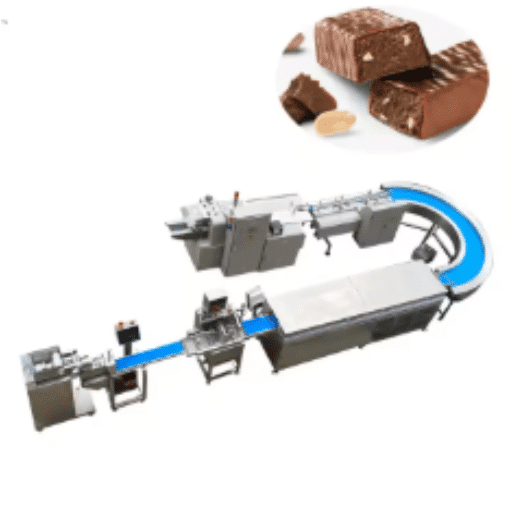
1. Enhanced Efficiency
The robotized production lines cut down on the time and labor needed for protein bar production by a large margin. The manufacturers can now produce faster and meet the demand easily with the operations being so smooth.
2. Consistent Quality
The whole process of automation guarantees that there will be exact measurements and consistent processing. Hence, the protein bars will have the same taste, texture, and look all the time. This way, the product is more reliable and the brand gets to keep its reputation.
3. Cost-Effectiveness
A while back, the first investment in automated machinery was mostly thought to be very high, but later on, it was realized that one could save long-term costs by the very-labor cost reduction, waste minimization, and resource usage optimization.
4. Scalability
Manufacturers are able to adjust their levels of production very efficiently with the help of the automated systems so that they can always be in line with the demand of the market, be it small batches or large quantities.
5. Improved Hygiene and Safety
The automation eliminates human interaction with raw materials, thus maintaining the strictest food safety standards and also reducing the risk of contamination.
6. Customizability
The present-day automation systems are flexible enough to be modified for different recipes, shapes, and sizes which means they can accommodate the ever-changing consumer preferences and the market trends.
Key Takeaway: All the aforementioned advantages are the reason why the manufacturers need to install the automated protein bar production lines as a necessity in order to boost their productivity and be able to meet the consumers’ expectations.
Improved Efficiency and Productivity
The efficiency and productivity of automated protein bar production lines get greatly improved as they streamline process such as mixing ingredients, forming and packaging. These systems work down through the use of high speeds and precise consistency, thus lessening the time and labor needed for production. Moreover, the use of machines reduces the errors and the amount of materials wasted, which makes the whole process of manufacturing more economical and trustworthy. Consequently, the manufacturers are able to increase their production though the quality of the products is still the same.
Cost Reduction and Resource Optimization
The use of automated production lines brings about significant cost reduction due to less manpower required and minimized material used. High accuracy in the processes leads to low rejections of products and better use of resources. These gains in efficiency give the manufacturers the opportunity to shift the resource distribution in a more efficient manner, thus, the whole operational budget gets optimized without compromising on the quality of the outputs.
Consistency in Quality of Protein Bars
The consistency of protein bar quality is possible only through accurate automation and strict quality control processes. The production that is fully automated results in the mixing, portioning and packing of the ingredients to be so precise that human error and variability are much less. Besides that, there is constant testing being done for the nutritional value, texture and taste of the product which guarantees that every batch conforms to the standards set and thus the trust and satisfaction of the customers are supported.
Essential Equipment in the Protein Bar Production Line
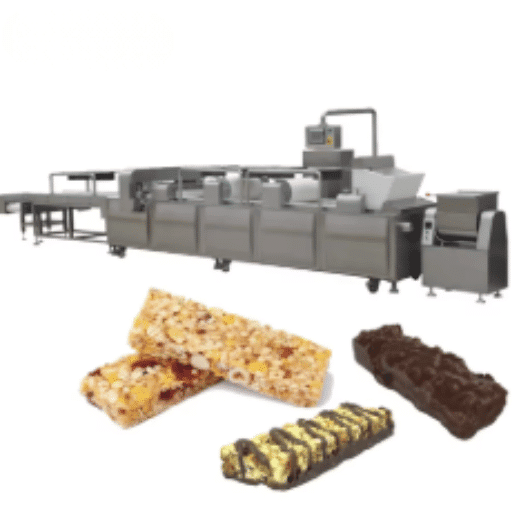
A production line for protein bars needs a few key machines to make sure it works smoothly, produces consistent quality, and the end product is good. The most important parts are:
| Equipment | Function |
|---|---|
| Mixers | These machines mix-up all the ingredients properly so that the texture and consistency are the same throughout the entire batch. |
| Forming Machines | They give shape to the protein bar mix by cutting it into pieces of the desired size and shape with high precision thus preventing wastage. |
| Enrobing Machines | Enrobe the bars with chocolate or other toppings for variety in taste or texture. |
| Cooling Tunnels | They cool and solidify the bars or coatings very fast thus maintaining their integrity and getting them ready for packaging. |
| Cutting Machines | These machines cut the bars into specified sizes with high precision so that the products in the whole production batch are of the same quality. |
| Packaging Equipment | For each bar to stay fresh, to have a longer shelf life, and to be in compliance with retail presentation standards, wrap and seal it. |
The above-mentioned devices of large capacities support each other in the flow of production, reduce the use of human labor, and also keep delivering the same quality protein bars.
Overview of Key Machinery
In the production of protein bars, the main equipment consists of mixers, ovens, cooling systems, cutting machines, and packing machines. Mixers mix ingredients correctly, ovens bake or set bars for their final structure, and cooling systems harden the bars to be ready for packaging. Next, cutting machines cut the bars into equal pieces, and packing machines wrap and seal them to keep the quality and improve the attractiveness of the shelf. All of these machines work together to produce the bars quickly and to the same quality as the previous ones.
Protein Bar Making Machines
Machines that make protein bars are meant to speed up the entire production process and guarantee a consistently good product. They are more productive than manual labor thanks to automated procedures such as mixing, baking, cooling, cutting, and packaging, which also keep the product the same and cut the time spent on operations.
Automatic Packaging Solutions
Automatic packaging solutions are the perfect means to easily improve the efficiency and unification in the packaging of products. The systems carry out automatic filling, sealing, labeling, and wrapping which leads to less manual work and fewer mistakes. They also have a very wide range of applications and can be adjusted to different kinds of products with varying sizes, and they provide the best possible workflows, which in turn means more output and at the same time preserving the quality of the packaging operations.
Emerging Trends in Protein Bar Manufacturing
- Plant-Based Protein Sources: The manufacturers already started to add more plant-based proteins to the product line like pea, rice, and hemp, which are mainly aimed at vegan and allergen-friendly consumers.
- Functional Ingredients: The use of functional additives such as probiotics, adaptogens, and superfoods is growing significantly to ensure the health benefits of protein bars are increased.
- Sustainable Packaging: Companies are increasingly adopting eco-friendly and biodegradable packaging solutions not only to reduce their environmental impact but also to attract sustainability-conscious buyers.
- Low-Sugar and Clean Label Options: Protein bars with low sugar and clean labels that disclose simple, natural ingredients are increasingly preferred by consumers.
- Personalized Nutrition: The latest developments in technology make it possible to produce personalized protein bars that are made according to the individual’s dietary needs, fitness goals, or health preferences.
Industry Insight: These trends emphasize the industry’s commitment to being innovative and adaptive to changing consumer preferences, thus securing their place in a competitive and dynamic market.
Health-Conscious Ingredients and Nutrition
Health-conscious consumers are steadily putting protein bars with whole natural ingredients at the top of their list while shunning products with artificial additives. Among the most accepted ones are plant-derived protein, such as pea or almond protein, and natural sweeteners like dates or honey as sugar alternatives. The main concern continues to be providing balanced nutrition with functional advantages, hence giving various options that take care of the needs of different diets, such as low-carb, gluten-free, or high-fiber diets. This shift in consumer preferences signals the market’s growing need for transparency and quality with regard to nutritional products.
Sustainable Manufacturing Practices
Sustainable manufacturing practices aim to reduce the negative impact of factories on the environment while at the same time being efficient and producing good quality products. Such practices involve the use of renewable energy sources, waste reduction through recycling and upcycling, and energy-efficient technologies in manufacturing. Moreover, enterprises are treating the ethical procurement of primary materials and the use of biodegradable packaging as the main ways to support their sustainability targets. These practices reduce the amount of carbon generated and at the same time attract customers who look for brands that are environmentally friendly.
Customization in Snack Production
Customization is a process whereby snacks are produced according to different tastes and diets of consumers. It implies the availability of a wide range of flavors, sizes, and formulations (for example, gluten-free, plant-based, or low-sugar). Manufacturers with advanced technologies and data-powered inferences can not only quickly follow the market trends but also make the snacks to the individual tastes, which in different ways helps in making the consumers happy and loyal.
Challenges in Protein Bar Production

1. Balancing Nutrition and Taste
It is difficult and challenging to produce protein bars that fulfill nutritional requirements and at the same time have a good flavor and texture, since the high-protein content usually has a negative impact on the taste.
2. Shelf Life Stability
Protein bars are required to stay fresh and of good quality for a long time, which means tackling problems like ingredient interactions and moisture control.
3. Ingredient Sourcing
The reliable supply of high-quality, environmentally friendly, and budget-friendly ingredients can become a problem because of the ever-changing market and supply chain issues.
4. Consumer Preferences
Accommodating various dietary requirements like vegan, gluten-free, and keto not only takes a lot of effort in formulation but also narrows down the choice of ingredients.
5. Cost Management
The constraint of production is mainly due to the need for the manufacturers to consider lowering the prices for consumers against the increasing costs of the ingredients, packaging, and sustainable practices.
Common Production Line Issues
The production challenges that come up in the production line are mainly caused by mechanical failures, different quality control levels, and unproductive workforce. When machines break down, it may take a long time to repair them which will eventually lead to changed production schedules. In the case of quality control, there are issues like changing of ingredient mix or packaging defects which will not only lead to waste but will also cause customer dissatisfaction. Besides, it is vital to have proper training for the staff and proper flow of work in order to maintain and meet the trills of the consumers. The solution of the challenges will involve preventative maintenance, stringent quality control practices, and constant training of the staff.
Quality Control in Manufacturing
At the very beginning, the step effective quality control in manufacturing is to put in place the regular inspection, the standardized operating procedures and the live monitoring to spot the defects early. AI-powered analysis and automated systems are some of the technological advancements that have been employed to improve the accuracy of detecting discrepancies. Moreover, the continuous improvement culture that is developed through training programs for the staff keeps the staff updated on the practices, while preventive maintenance decreases the chances of problems arising from the equipment. These methods working together will not only eliminate waste and keep the product quality and quantity to the same level but also increase customer satisfaction.
Supply Chain and Ingredient Sourcing Challenges
The difficulties in the supply chain and sourcing of ingredients usually come from disruptions like the problems with the reliability of suppliers, the changing costs of materials, and the delays in global logistics. For tackling these issues, companies may build up reliable and good partnerships with suppliers, use different sources for the materials, and apply technology for instant supply chain monitoring. Moreover, having open communication and creating contingency plans will support stability and the reduction of delays, thus, protecting the consistency of production.
Reference Sources
- GoBTE – Setting Up Your Health Bar Production Line
Covers the method of making protein bars for both fitness freaks and vegans alike. - TechSci Research – United States Energy Bars Market Analysis
Points out fitness enthusiasts, bodybuilders, and athletes as the primary protein bar consumers. - Nutritional Outlook – How Nutrition Bar Manufacturers Compete
Discussing the way that companies are differentiating themselves through new products, flavors, and even nutrition requirements in a tough market.
Frequently Asked Questions (FAQs)
What exactly is a protein bar production line?
A protein bar production line is an automated machinery system that can produce protein bars cleanly, starting from mixing ingredients up to packaging the finished product.
What are the main ingredients in a protein bar production line?
Mixers, extruders, cooling tunnels, cutting machines, and packaging are the main ingredients.
What are the different protein bars that can be manufactured using these production lines?
They are capable of creating different types of bars such as high-protein, vegan, gluten-free, and energy bars.
What are the main advantages of a protein bar production line?
The main advantages are higher production efficiency, quality control, and savings in labor costs.
Are customization options available for the production line?
Absolutely, several manufacturers provide tailored solutions according to the particular production requirements.