Food machinery manufacturer can try to sell more than just metals and engines. The right partner is the one that can invent, install, repair and maintain your production line and systems for as long as you need for 10 years. When the wrong choice is made it can even damage the entire reputation, deplete the budgets and delay the release of a single box.
Moreover, you are aware that the equipment efficiency decides whether the production department will operate at full swing or it will be brought to a stand-still all of a sudden in the middle of the night at 2 a.m.. Also, the comparison of the quotes gives a feeling of comparing and apple to a spaceship. Every sales person advertises high-tech technologies and optimal support. However, only a few offer any clear guidelines as to how the sweet talk benefits business every day.
You can rely on this guideline to eliminate any and all confusion. You will discover and understand who a food machinery manufacturer is, ways in which he can be assessed using seven appropriate parameters, the equipment selection trends predicted in the year 2026 and factors that should lead to the breakdown of a discussion. At the end of the day, there will be a usable framework for decisions regarding partner selection with the minimum TCO and some years of line operation still left.
Key Takeaways
- The initial purchase price of food processing equipment typically represents only 20 to 30 percent of total cost over a decade.
- Seven criteria separate reliable food machinery manufacturers from risky ones: specialization, customization, certifications, technology, total cost of ownership, after-sales support, and global installation capability.
- Enterprise giants like Bühler serve massive standardized plants, while specialized niche manufacturers often deliver better flexibility and value for small-to-medium operations.
- AI-driven predictive maintenance, modular line designs, and stricter traceability regulations are reshaping buyer priorities in 2026.
- Warning signs including 100 percent upfront payment demands, missing CE documentation, or unverifiable physical facilities should disqualify a vendor immediately.
What Does a Food Machinery Manufacturer Actually Do?
Beyond Building Machines: The Full Manufacturer Scope
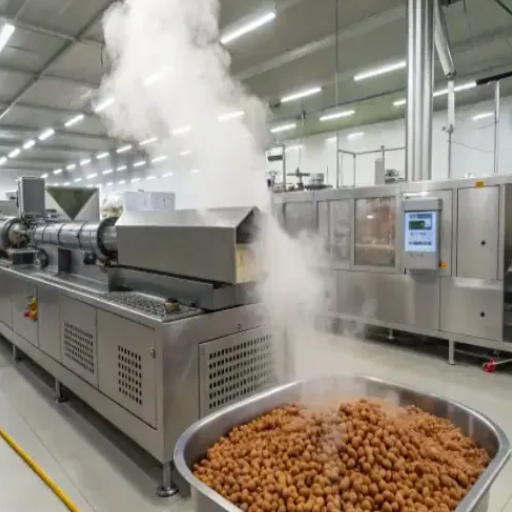
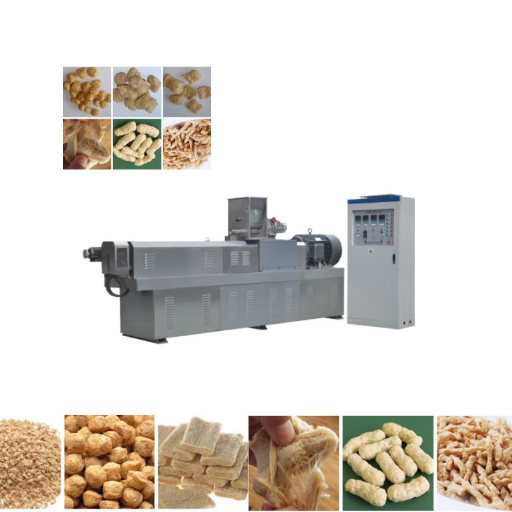
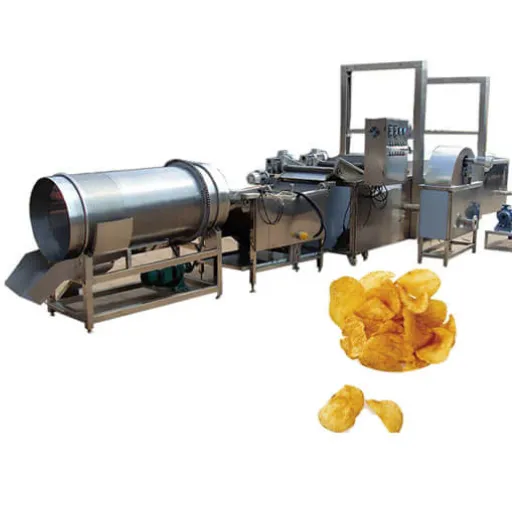
A company specializing in food machinery manufacturing, equipment assembly, among other things, does a lot more than just selling such equipment. Product services revolve around, among others, mechanical design, electrical integration, process engineering and quality assurance. In addition to these standard services, notable manufacturers offer to adjust their machines to the required ingredients, facilities or objectives. Such engineered systems line up processes like mixing, extruding, forming, drying ans packaging in one system instead of different ones.
Similarly, phases such as installation and commissioning are equally important. Good manufacturers are responsible for preparing the area where the line will be installed, in terms of space and services, performing factory and operator trials, and training them on how to use the facilities efficiently. All of them do not simply dump a box on your doorstep and vanish! They remain with you in making sure that the line is used safely and smoothly.
The next component of the process is ongoing support. Elements such as spare parts provision, diagnostics over a long distance, ways of improving recipes, and maintenance practices all ensure the equipment functions as efficiently and also determines whether it serves its purpose or drains one’s budget. Do not consider the food processing equipment producers only for the equipment production processes. It is only an element of a complex machine.
Food Machinery Manufacturer vs. Equipment Distributor
This difference helps buyers avoid heavy losses in the course of fixing problems mismatch. In the house manufacturing involves designing, engineering, and building of equipment. This is done in-house with the producers dictating material types to be used, techniques of welding, programming and even testing machines. For instance, should under fill such a repair be necessary they can change the profile of a screw, enhance or reduce the dimensions of the die plate and or simply rewrite the program of a PLC.
Third parties typically produce equipment, which is then resold by the distributor. One can generally expect competitive prices and fast local stock delivery from them. However, their technical understanding of the machines they deal with is rather limited. There are many levels through which all the intricate customization requests must pass until they reach the doer.
When a factory production target involves variation of the recipes, variation of power or constructional modifications, communication with a food machinery manufacturer does not involve any language barriers. You interact with the engineer responsible for the product development, not a mediator who will, in turn, call you back to confirm the order specifications.
7 Essential Criteria for Choosing a Food Machinery Manufacturer
1. Industry Specialization and Track Record
Manufacturers that specialize in nothing often end up making a little bit of everything. Can you trust such a vendor in a recipe-centered industry like the one we are in? This is the key question, which the vendor making pasta extruders today, machines for textiles tomorrow, and plastic extruders next week can hardly answer — such questions require a certain menu-level knowledge. Find a food machinery manufacturer who focuses on your product class for at least ten years.
How many snack extrusion lines have been installed over the past two years? Why is that so significant? What is the most extensive installation that they have done, in relation to protein bar production? Is there any test laboratory where the customer can prepare his recipes before paying for a full set of equipment?
When Marcus was selecting vendors for his corn puff manufacturing venture in 2024, he first liked the cheapest generalist. After installation, in three months time he realized that the extruder could not maintain the specific expansion ratio required by the provided recipe. The vendor did not have on staff any extrusion expert who could understand starch gelatinization profiles.
Marcus probably executed this operation at a loss, as he seems to have replaced the aforementioned line. In matters related to food physics one cannot afford to approximate, and that is where specialization comes in handy.
2. Customization Capabilities
Plethoric standardized items readily make use of equipment which is just off the shelf. For most of the emerging food businesses this isn’t possible. Each recipe will go through changes over time. The goals to reach the capacities will raise.
There may be restrictions on height, width utilities within the premises that other standard design cannot be applied.
Check to see if they have modular equipment, can be adjusted and have recipe management capabilities. Can they upgraded to full capacity without changing the line’s components? Do they have computer aided design (CAD) layout enhancement tools for the plant? Can their extruders condition different formulations ranging from corn grits, rice powders and even pea proteins?
To some extent, a good food machinery manufacturer will help you to achieve your production targets uncluttered by any bureaucratic procedures. They inquire the desired texture, moisture levels and yield of the product before recommending any equipment. They refuse to squeeze your formulation to fit their design.
3. Certifications and Compliance
Manufacture of food is strictly controlled and must adhere to health and safety standards. Excesses abound, however, even in good quality food. For hawkers who operate at and within the European Union, they must comply with the rules in Article 189° of the Cologne Regiment to obtain such licences. In addition, even in other countries, compliance with such standards and regulations means that the product has been thoroughly evaluated during the production process.
Most importantly, other sticker halts in ensuring packaging in relation to food does not occur. In the European Union, Directive 1935/2004, Governing the Microbiological Adulteration of Foods, and the Food and Drug Administration within USA lays down standards on food contact materials. Make sure that this is the case for all food machineries produced using stainless steel 304 or 316. It is essential to obtain details concerning the materials used for the seals, grease and paint applied on the surfaces.
Cleanability is critical for the equipment design efficacy and as inculcated in hygienic design standards such as EHEDG guidelines. Ensuring that welds are smooth, surfaces are draining, and the parts can be disassembled without the use of tools lowers the sanitation downtime as well as contamination risks. Avoid accepting any verbal assurances. Insist on certificate before making any deposits, test reports, and written material declarations from the food machinery manufacturer you select.
4. Technology and Automation Level
The usage of PLCs, HMIs, and even more often internet of things in food production lines of this century is a given. Manual adjustment of temperatures, pressures, speeds and even moisture levels is usually not as efficient as the automatic adjustment of the values by these systems. Also, it is possible to record the process of production as well as the quality of the production.
Control architecture is also a good question for potential suppliers. Is the programmable logic controller purchased from a well-known manufacturer with a worldwide network available? Is it possible for operators to save a recipe on a touchscreen device and later retrieve it when required? Does it have features that allow fetching diagnostics data by specialists without the need for travel tours to your location?
Efficiency cannot be ignored. Variable frequency motors and drives, heat regeneration system for the dryer and proper formwork reduce overall energy costs in the long run. The ‘modern’ food machinery manufacturer should incorporate all of these aspects as default and not as optional add-ons.
5. Total Cost of Ownership
The amount mentioned against a quote on paper is only a part of the amount you will be paying in reality. As stated by the industry technology analysis, the purchase price of food processing machinery is around 20-30 percent of the total expenses against the same food machinery manufacturer over the period of 10 years. The balance 70-80 percent accounts for the expenses on energy, water, maintenance, replacement parts, breakdowns and also getting rid of the appliance.
Clever buyers always check the ownership cost before making up their minds while completing any business transaction. Look for forecasts on annual energy use considering market electricity rates in your area. Enquire on maintenance projected as a percentage of the equipment value.
In most cases, customers’ contracts provide 10% up to 15% of the total annual regulated revenue for maintaining, sharpening the columns, and changing seals and oils. Things like installation, ventilation, electrical expansion, and plumbing may cost extra 15% up to 30% added on the cost of the equipment, the base.
Think of downtime in terms of dollars. With $5000 worth of produce sellable every 24 hours, a single day of unplanned halt is more expensive than even the most expensive part one could think of. Even a low-bid who lacks back up parts consideration yet supplies them via a mail order can turn out to be the last business decision one can ever wish in his productive enterprise.
6. After-Sales Support and Spare Parts Availability
Any machine could malfunction. Some individual parts will also breakdown after. An operator will also project failure in his work. The issue at hand is not whether you will, at some point, need to call for help.
What is at issue is that, when you need help, will the manufacturer pick the call.
When buying machinery, check the service response agreements rather than wait till things get out of hand. Are there any particular response time SLAs from the manufacturer? Are they in a position to let you see and solve the problem through internet-enabled diagnosis anytime you need it? Is it possible to acquire replacement parts from somewhere closer, or does one have to wait for six months to receive parts replacements from other continents?
Trainer satisfaction is another area of concern. Well thought out instructions, well shot videos, and training the operator in person all contribute to lower downtime due to operator errors. Try to get the manuals via samples before buying. Clip art booklets ambiguous in their language and out of combinations phonenare paper based gude you as to what amount of help you will get much further down the line.
7. Global Shipping and Local Installation
Purchasing food production equipment from an international food machinery manufacturer comes with a package of logistic complications which are absent at the local level. There always must be taken into account customs clearance matters, freight forwarders, import taxes and equipment installation on site – all activities performed in different time zones and languages.
If exportation is involved, make sure that the company has shipped to your countries before by asking for a list of references who are located in your region where they have sent the equipment. And again, do check whether engineers provide a service of consisting commissioning themselves or they will hire external gamin services who do not quite understand the product.
Another point showing the level of corporate culture is way of organizing commissions. Contracts starting with as low as half the cost for making little or no efforts and finally paying after completing the tasks is always better for commissioning step for both sides. Any proposal which requires payment in full is a red flag and reason enough to disengage straight away.
Types of Food Machinery Manufacturers: Finding Your Fit
Enterprise-Scale Manufacturers
For high capacity, complex, and standardized production, the (above) examples such as Bühler, GEA and Tetra Pak assume the larger part. Composition of their machinery is good, funds put into research and development are enormous, and the service is spread worldwide. These firms designed perfection for huge commodity production facilities, turning- thousands of tons of material every day.
This however comes at a cost of looseness and ease of use. The enterprise class solutions favor operations that are characterized by large orders and limited numbers of product variants. In many cases, incorporating designs that meet specific food processing needs such as those that manufacture exquisite flavors, operate smaller batches, or fit into a specialized building, takes longer and marks a higher cost list. This effectively excludes many smaller producers and new entrants due to the pricing and minimum order quantity effect.
Specialized Niche Manufacturers
Niche biz shoots in particular fields such as extrusion, snack production, pasta forming, bar manufacturers. For any of the above fields, they know the nuts and bolts that come along. Be it the diversity of screw configurations, its die geometry, or the heat profiling, This is the information that jack of all trade often misses.
It’s a known fact that the cost source of these kinds of manufacturers are very low than the corporate manufacturers, especially when it comes to small and medium scale businesses. Those cost lean and mean manufacturers are cheaper as the cost basis is only operations and not corporate overhead. They, on the other hand, can modify and develop designs effortlessly within an industry they already work in every single day. As a manufacturer of extrusion-based snacks, pastas, or protein bars you are most likely to get a deeper understanding of your issues from a specialist in food machinery of a given type rather than a randomly operating mega corporation.
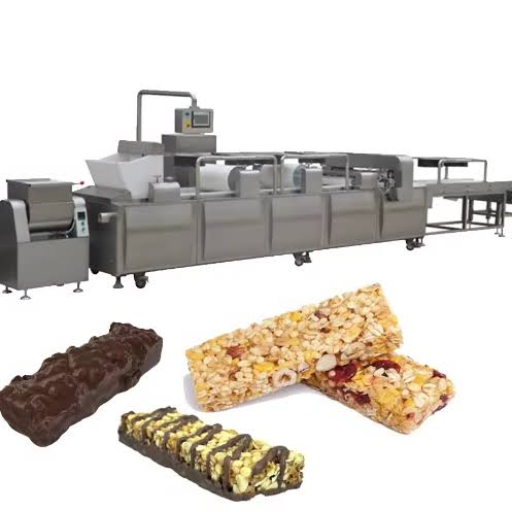
So, in the year 2023, when Priya was starting her protein bar company in the city of Mumbai, as a first approach, she considered two business solutions from each company supplier. Each company supplier made an offer to her in lines that cost 3 times as much as she could allocate and that entailed minimum quantities that she could not achieve within the following two years.
After that, she formed a strategic alliance with a food machinery manufacturer that was focused specifically on modular protein bar production machines. That was when the system began growing with her. After a year and a half from the time of purchase, without any reinvestment into the initial equipment, she went and bought another extruder.
Turnkey Production Line Providers
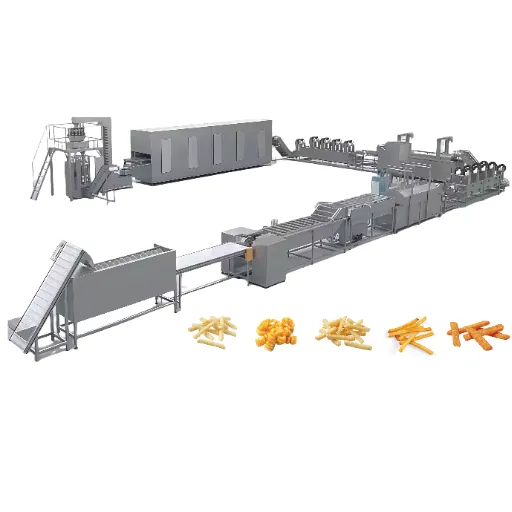
Turnkey operators take full responsibility for the conception, installation and start-up of entire production lines with all the control systems incorporated. Instead of acquiring the mixer from one supplier, extruder from the other and the oven from the other still, you simply engage one entity to deliver the system.
This means that the risks associated with integration are not as high. It is up to the provider to connect the different machines together, eliminate the incompatibility with the control system, and redesign the plant facility where applicable. When installing a fresh facility or reconstructing a whole line, such applicability helps in cutting down the duration from construction to production as well as avoiding any portion where every subsystem is pointed at another as the one not functioning integrated together properly.
Food Machinery Manufacturer Trends Shaping 2026 and Beyond
AI and Smart Automation
Artificial intelligence is moving from marketing slide decks to production floors. Predictive maintenance algorithms analyze vibration, temperature, and current draw to forecast component failures before they cause unplanned stops. Early implementations suggest downtime reductions of up to 30 percent for plants using these systems.
Real-time quality monitoring uses machine vision and hyperspectral imaging to detect color deviations, foreign objects, or moisture inconsistencies automatically. The system adjusts process parameters on the fly or diverts out-of-spec product without human intervention. These capabilities reduce waste and improve consistency beyond what manual inspection achieves.
Modular and Flexible Processing Lines
Consumer demand for variety is pushing manufacturers toward smaller, more frequent product changeovers. Modular equipment with quick-change dies, interchangeable forming rollers, and recipe-stored PLC programs enables rapid transitions between SKUs. A line that produced straight pasta this morning can run fusilli this afternoon with minimal downtime.
Flexibility also supports emerging business models. Direct-to-consumer brands, ghost kitchens, and regional specialty producers need small-batch capabilities that traditional high-volume lines cannot economically provide. Modular designs let these businesses start small and expand capacity by adding sections rather than replacing entire systems.
Sustainability and Energy Efficiency
Regulatory pressure and genuine cost reduction are driving demand for energy-efficient equipment. Heat recovery on dryers, variable-speed drives on conveyors, and optimized insulation reduce both carbon footprints and utility bills. Water conservation features in cleaning systems address growing scarcity concerns in many production regions.
Sustainability reporting requirements from retailers and regulators increasingly demand documented equipment efficiency. Manufacturers who can provide energy consumption data, carbon footprint estimates, and water usage projections give their clients a competitive advantage in sustainability audits.
Enhanced Traceability and Food Safety
Regulations like FSMA Rule 204 in the United States and the EU Digital Product Passport initiative require granular traceability across supply chains. Food machinery manufacturers must design equipment that captures and transmits batch data, ingredient origins, and process parameters automatically.
Hygienic design standards continue tightening. Seamless welding, self-draining surfaces, and clean-in-place systems are becoming baseline requirements rather than premium features. Manufacturers who treat food safety as a core engineering principle, not a compliance checkbox, will dominate the next decade.
Red Flags: Warning Signs When Evaluating a Food Machinery Manufacturer
Here are the reasons why it is always wise to consider the worst case scenario. Most warning points are inclusive, some very nicely designed company websites and very persuasive salespeople carry all sorts of bad signals.
No existent physical address and a manufacturer with purported facilities will provide immediate cause for doubt. One could ask for video footage of the area. Another option would be to look at the company documents.
Use satellite maps to view the location of the said facility. Readers need not fear any manufacturer’s assurances. Fraudsters do not like clean people.
Any item without safety checks or proper substantiation by way of materials used should throw up warning bells for the client’s competence levels. CE marked products have quite a number of documents including but not limited to technical documents, risk assessments and tests. Any vendor who speaks about the CE mark approval without a document or that product willfully is an ill-informed person or a hawker.
Every performance that doesn’t have a testing or a video of the device working with the assured product can justify that the vendor has not yet produced your sort of product. Ask for a demonstration, partial production, or even samples of any such items from customers.
Unusual conditions exposed at times of payment show monetary concerns or plain deceit. Ordinary payments processing includes stage-wise payments in case of their advancement: prepayment of an order, this being reduction in advance when the goods are ready, and last coil up and payments upon delivery and installation. It is advisable to deny them any form of complete payment before even the production starts.
Inferior quality of drawings often suggests substandard quality of back-up. If one needs to feel the heat at the initial stage – unknotting what is given as manuals, spare parts lists or wireframe diagrams– spare for some idle parts without getting worked on, the level of documentation after buying the systems can be imagined. This clarity in selling points proves what competence service can be expected out of them.
In 2022, while Ali was ordering the bread crumb production line from a foreign supplier, he brushed aside all the blaring warning signs. The food machinery manufacturer did not have a single video home of their plant. They offered half the usual lead time. 80 percent was asked in advance.
Ali justified all these fears by the fact that the cost was lower than that of the rival firms by 40 percent. The machine in question was delivered for installation six months later, but it failed to work due to the different electrical standards, lack of proper protective gear, and no support for commissioning.
Ali had to patch things up for 60 percent of the earlier cost in the local market. It ended up costing him more than the respected quotes he refused to accept in the beginning.
Why the Right Food Machinery Manufacturer Is a Long-Term Partnership
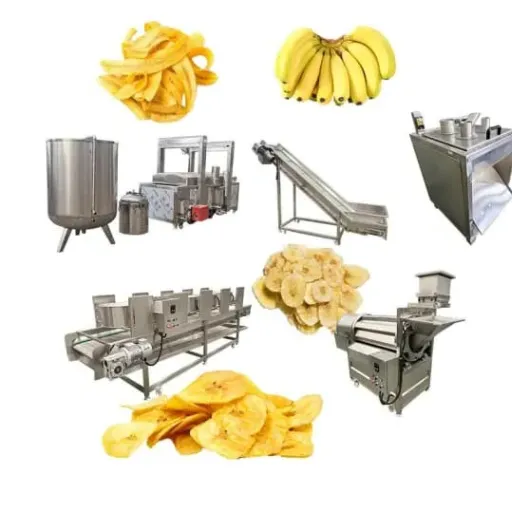
Food processing equipment is commonly planned for a period of ten to fifteen years provided it is serviced correctly. During this period of use, you will change your formulations, laws will be different and market needs will also be different. After the acquisition of the equipment, the food machinery manufacturer transforms into an engineering service provider regardless of whether this was anticipated or not.
This existence shifts the buying process all together. Rarely does the lowest buying price ever become the least ownership cost. A supplier who can field service calls at 2am, express post vital parts within 48 hours, and help with recipe fine-tuning is worth more than any price comparison sheet can show.
Working at Shandong Loyal Industrial is indeed a privilege because the company boasts of its experience in design and construction of extrusion systems, process lines for snacks, equipment for pasta, and machinery for protein bars, and delivering it to more than 50 countries around the globe for more than 10 years. At the same time, our engineering services are as fundamental to our work process as ensuring the safety and transparency of the relationships with the customer. Here is what we do: we always start from the end which is customer’s production parameters, requirements to the receipe and the technology and the restrictions of the building. After that, we establish the best solution using components that are certified according to CE standards and fit the food grade requirements.
Fully integrated and commissioned, with everything from one source and the rest in the packing area performing their task, the other team food production lines are constructed by senior engineers. Before and after equipment deployment, we train operators, render support, and provide stores manuals, manuals and diagrams – that is how we determine the level of operation.
We are open to discussing the assessment of any food machinery manufacturer in case you decide to make a purchase for the next production line. If you have a vision of the product in mind, just let us know, and we will show you how our production lines and extruders are used to turn it into something tangible.
Conclusion
One of the most significant decisions a food producer has to make is which food machinery manufacturer to choose. A good partner will minimize the overall operational expenses, guarantee quality of the products, and help your business grow for several years, even decades. A bad choice only brings a repeated cycle of losses, reworks and what ifs.
Therefore, there are seven characteristics which distinguish good manufacturers from ones which are considered risky. Focus on the specialization and history of the producer, experienced in one’s field or product category. Require the ability to customize production devices according to the tasted demand. Cross check certifications and compliance documents to the latter.
Gauge the technology and automation levels for maximum precision and effectiveness. Take into consideration the total cost of ownership, not the purchase price only. Clarify after-sales coverage and spare parts access before one is forced to do so. Finally, ensure that manufacturers are properly equipped to undertake all logistic processes and local installations as well.
Red flags may include some payment terms that are not clear, no certificates, and non-existent facilities. Do not rely more on aesthetics of the website or abnormally low costs than on your due diligence.
This industry, made up of food machinery manufacturer, is still developing and is expected to reach more than 88 billion dollars globally. This means that competition will grow further. This means that growth will only bring up the bar of expectation as things improve.
It is the companies that look forward to building a stable relationship with you that will make you succeed in such a market. Consider a partners who is as committed to the production goals as you are.
Ready to explore how a dedicated food machinery manufacturer can support your production goals? Contact our engineering team for a consultation tailored to your specific product and capacity requirements.
Related Resources
- Explore our complete range of turnkey food production lines designed for snacks, pasta, protein bars, and more.
- Learn about our specialized snack food machinery and advanced extrusion systems.
- Discover how our pasta production line delivers consistent quality for diverse pasta shapes.
- See our protein bar production line solutions for growing nutrition brands.
- Review our corn puff snack production line for scalable extruded snack manufacturing.