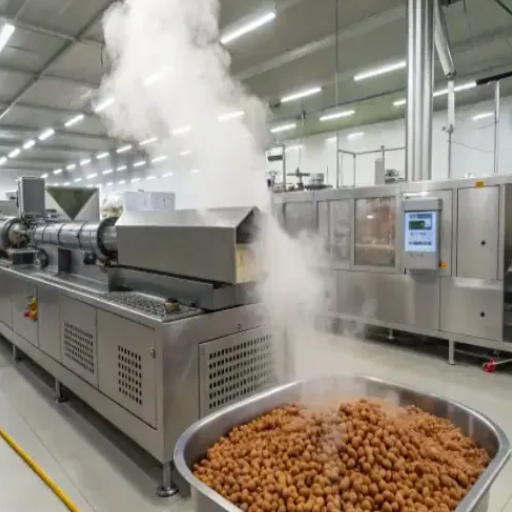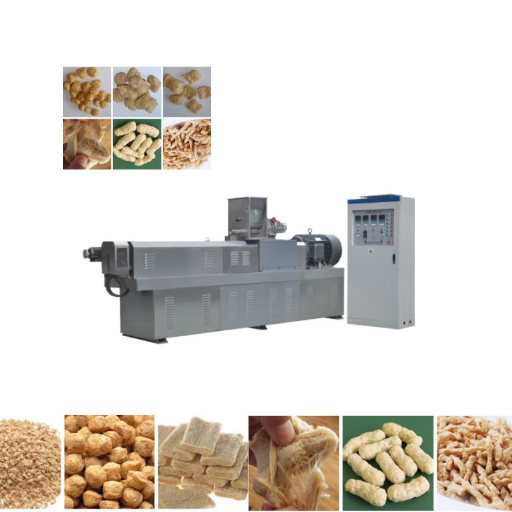
A TVP production line is a continuous extrusion system that turns plant-based protein powders, such as defatted soy flour, pea protein, or wheat gluten, into fibrous, meat-like textured vegetable protein. The standard line includes raw material handling, mixing, twin-screw extrusion, cutting, drying, cooling, and packaging equipment.
What surprised Maria Chen when she visited her first equipment supplier was how fast the entire process moved. In under 90 seconds, a bland powder became a chewy, golden nugget that resembled ground meat. Six months later, her facility in Malaysia was producing 400 kg of TVP chunks every hour for regional food brands.
That transformation is not magic. It is the result of precise engineering, temperature control, and the right extruder configuration. If you are evaluating a textured vegetable protein production line for your business, this guide will show you how the technology works, what equipment you need, and how to choose a system that matches your product goals.
Key Takeaways
- A TVP production line uses twin-screw extrusion to convert plant proteins into shelf-stable, meat-like products in a continuous process.
- Dry TVP contains under 10% moisture and requires rehydration, while high-moisture meat analogue (HMMA) contains 50–70% moisture and needs refrigeration or freezing.
- Capacity typically ranges from 200 kg/h for small commercial lines to over 1,000 kg/h for industrial operations.
- Choosing the right line depends on your target product, raw materials, capacity needs, certification requirements, and supplier support.
- Common defects like puffing, uneven texture, and moisture issues are usually solved by adjusting extrusion temperature, moisture, and screw speed.
What Is a TVP Production Line?
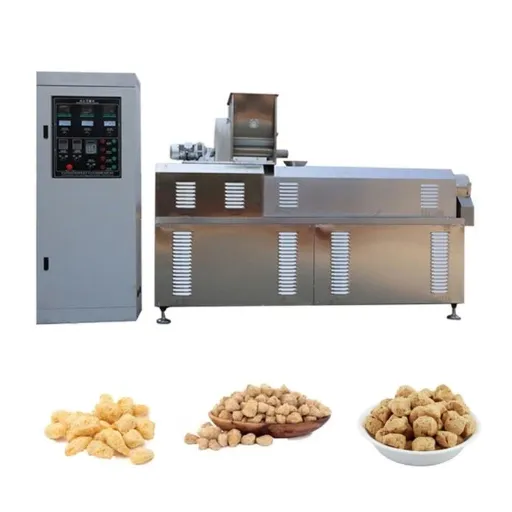
A TVP production line is an integrated manufacturing system designed to produce textured vegetable protein. It is also the core of any modern plant-based meat production line. TVP is made by forcing protein-rich plant flour through a twin-screw extruder under high heat, pressure, and mechanical shear. The sudden pressure drop at the die exit expands the product and creates a porous, fibrous structure that mimics the bite of meat.
The term TVP is often used interchangeably with textured soy protein (TSP) because soy is the most common raw material. However, modern lines can also process pea protein, wheat gluten, fava bean protein, sunflower protein, and rice protein. This flexibility matters because food manufacturers are under pressure to diversify ingredient sources and meet clean-label demands.
According to Future Market Insights, the global textured vegetable protein market is projected to grow steadily through 2036. Food manufacturers account for the majority of demand, which makes industrial equipment the central growth engine for the category.
If you want a deeper look at how soy-specific systems differ from broader plant-based lines, read our soy protein meat production guide.
How a TVP Production Line Works
The production process follows a clear sequence. Each stage affects the final texture, moisture, and shape of the product.
Raw Material Handling and Mixing
The process begins with protein-rich powder, usually defatted soy flour or soy protein concentrate with about 70% protein. First, the flour is fed into a mixer where water, steam, and sometimes colorings or flavorings are added. Moisture content at this stage typically falls between 18% and 25% for dry TVP.
Consistent dosing matters. However, variations in moisture or protein content will create uneven texture downstream. Most modern lines use gravimetric feeders to maintain precise ingredient ratios.
Preconditioning
Some systems use a preconditioner to heat and hydrate the mixture before it reaches the extruder. This step can increase throughput and improve protein hydration. It is especially useful when processing high-fiber or alternative proteins that need extra conditioning.
Twin-Screw Extrusion
The extruder is the heart of any TVP production line. A co-rotating twin-screw extruder applies heat, pressure, and shear to the protein mixture. Inside the barrel, proteins denature and align into layered, fibrous structures.
Key extrusion parameters include:
- Feed moisture: 18–40% for dry TVP, 40–80% for HMMA
- Barrel temperature: 110°C to 170°C
- Screw speed: 200–400 RPM
- Specific mechanical energy: controlled to manage texture and density
As Coperion explains in its TVP manufacturing overview, steam injection can assist the thermomechanical process and help achieve specific textures more economically.
Die Forming and Cutting
The molten protein mass is pushed through a die plate with shaped openings. As the product exits, the sudden pressure drop causes expansion. A rotating cutter slices the extrudate into granules, chunks, strips, or flakes depending on the die design.
Drying and Cooling
Freshly extruded TVP still contains 20–40% moisture. A multi-layer dryer reduces this to under 10%, giving dry TVP its long shelf life. After drying, the product passes through a cooling conveyor to reach ambient temperature before packaging.
Screening and Packaging
A vibrating screen removes fines and oversized pieces. The uniform product is then conveyed to automatic packaging equipment for bagging or bulk loading.
Key Equipment in a TVP Production Line
A complete textured vegetable protein production line includes several integrated machines. Understanding each component helps you evaluate supplier proposals and avoid hidden costs.
Mixer or Blender
The mixer combines protein powder with water and additives. Ribbon mixers and paddle blenders are common. Look for stainless steel construction, adjustable mixing speed, and easy cleaning access.
Twin-Screw Extruder
The extruder is the most critical investment. Co-rotating twin-screw extruders are the industry standard because they offer better mixing, temperature control, and self-cleaning than single-screw models.
Common specifications include:
| Model | Capacity | Installed Power | Actual Power |
|---|---|---|---|
| TSE65-S | 200–250 kg/h | 105 kW | 75 kW |
| TSE85-S | 450–600 kg/h | 210 kW | 140 kW |
| TSE90-S | 800–1,200 kg/h | 140 kW | 110 kW |
| TSE95-S | 1,000–1,500 kg/h | 165 kW | 120 kW |
Dryer
Belt dryers with 3, 5, or 7 layers are standard. Heating options include electric, gas, fuel, or steam. Stainless steel mesh belts and adjustable temperature zones help maintain consistent drying.
Cooling Conveyor
The cooling conveyor brings TVP to ambient temperature and stabilizes moisture. Proper cooling prevents condensation inside packaging, which can cause spoilage.
Cutting and Shaping Equipment
Rotary cutters, slit dies, and forming drums create different product shapes. Quick-change die systems reduce downtime when switching between chunks, strips, and granules.
Packaging System
Automatic weighing and bagging machines complete the line. Some manufacturers also integrate nitrogen flushing to extend shelf life.
Want to see how a complete line fits into a broader food manufacturing operation? Explore our food production lines to compare configurations.
Dry TVP vs. High-Moisture Meat Analogue: Which Should You Produce?
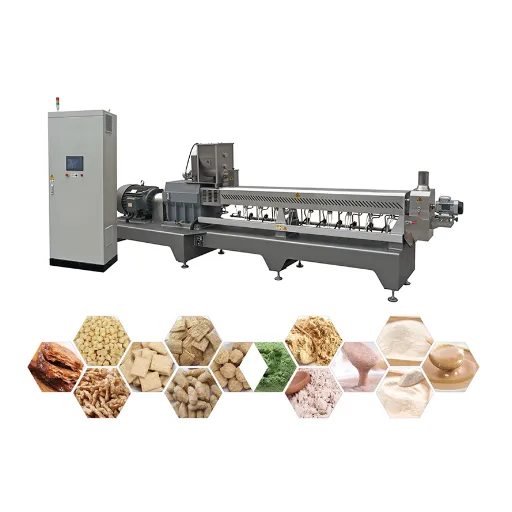
Not all plant-based proteins are the same. The two main categories require different equipment and serve different markets. Choosing between a standard TVP line and an HMMA production line is one of the first decisions buyers must make.
| Feature | Dry TVP | High-Moisture Meat Analogue (HMMA) |
|---|---|---|
| Final moisture | Under 10% | 50–70% |
| Shelf life | Long, ambient storage | Short, requires refrigeration or freezing |
| Texture | Porous, sponge-like | Dense, fibrous, meat-like |
| Preparation | Rehydrate before use | Ready to cook or further process |
| Equipment | Standard extruder | Longer extruder with cooling die |
| Common uses | Meat extenders, dry mixes, snacks | Ready-to-cook patties, fillets, chunks |
Dry TVP is easier to store and ship, which makes it popular for food manufacturers that supply ingredient markets. HMMA delivers a more realistic meat texture but requires cold-chain logistics.
Your choice should be driven by your customers and distribution model, not by equipment trends alone.
How to Choose the Right TVP Production Line for Your Business
Selecting a TVP extrusion machine or full production line is a major capital decision. A structured evaluation prevents costly mistakes.
Define Your Target Product and Market
Start with the end product. Are you producing dry TVP granules for food manufacturers, or ready-to-cook HMMA patties for retail? The answer determines moisture targets, die design, and downstream equipment.
Match Capacity to Real Demand
Buyers often overestimate initial capacity. A line that runs below its designed output can produce inconsistent texture and waste energy. Common capacity ranges include:
- Lab scale: 10–30 kg/h for R&D
- Pilot scale: 80–150 kg/h for market testing
- Small commercial: 200–350 kg/h
- Industrial: 500–1,500 kg/h
When Raj Patel in Mumbai bought a 1,000 kg/h line for a new contract, he assumed demand would scale quickly. After six months, his actual output averaged only 280 kg/h. The oversized extruder ran poorly at low load, and texture quality suffered. He eventually added a smaller pilot line for flexibility and used the large extruder only for confirmed bulk orders.
Consider Raw Material Flexibility
If you plan to process soy today and pea or fava bean protein tomorrow, confirm that the extruder can handle different feed compositions. Screw configuration, barrel length, and preconditioning options all affect flexibility.
Evaluate Certification and Standards
For global exports, CE certification is often essential. Depending on your market, you may also need ISO 9001, FDA compliance, Halal, or Kosher certification. Ask suppliers for documentation before signing a contract.
Assess Supplier Experience and Support
A low price means little if the supplier cannot provide installation support, operator training, or spare parts. Look for manufacturers with proven experience, transparent pricing, and responsive technical support.
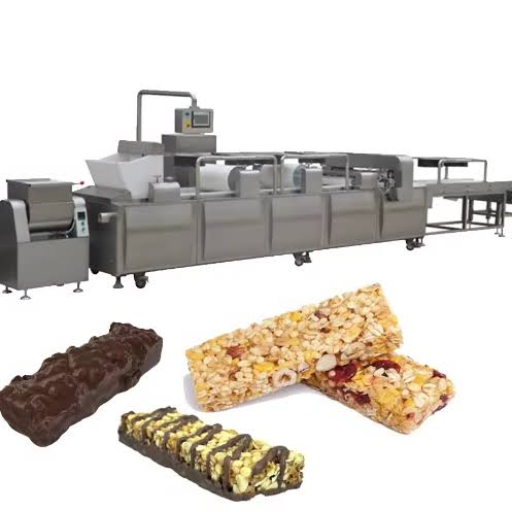
If you are also exploring protein bar or snack opportunities, our protein bar production line and snack food machinery pages show related equipment options.
Common TVP Production Challenges and Troubleshooting
Even well-designed lines encounter issues. Knowing how to diagnose them saves time and product.
Puffing Instead of Fiber Formation
This usually happens when moisture is too low or barrel temperature is too high. The product expands like a breakfast cereal instead of forming chewy fibers. Solution: reduce barrel temperature slightly and increase feed moisture.
Uneven Moisture Distribution
Uneven mixing or inconsistent water dosing causes some pieces to be too dry and others too wet. Check mixer performance and calibrate gravimetric feeders regularly.
Inconsistent Texture
Texture problems often trace back to screw speed or specific mechanical energy. Small adjustments to screw configuration can dramatically improve bite and chew.
Overheating and Burned Product
Dark particles or off-flavors indicate localized overheating. Clean the barrel and dies thoroughly, and verify that temperature zones are properly controlled.
Elena Vargas in Barcelona struggled with burnt particles during her first month of HMMA production. Her team discovered that protein residue was building up in a dead zone of the barrel. After switching to a self-cleaning screw design and adding a CIP routine, defect rates dropped from 8% to under 1%.
Quality, Certification, and Operational Best Practices
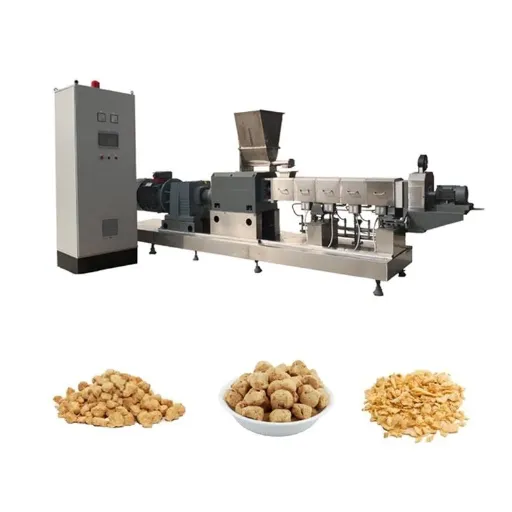
Long-term success depends on more than the initial equipment purchase.
Build a Maintenance Schedule
Daily cleaning prevents cross-contamination and buildup. Weekly inspections of screws, barrels, and dies catch wear before it affects product quality. Keep a stock of critical spare parts to reduce downtime.
Train Your Operators
A typical TVP line needs only 2–4 operators, but those operators must understand extrusion variables. Invest in training from your equipment supplier and document standard operating procedures.
Monitor Key Quality Metrics
Track bulk density, rehydration ratio, water holding capacity, and texture profile analysis. These metrics help you maintain consistency and satisfy customer specifications.
Plan for Food Safety
Use food-grade stainless steel surfaces, magnetic separators, and metal detectors. Maintain HACCP or ISO 22000 protocols depending on your market requirements.
The IMARC Group plant report provides additional guidance on setting up a TVP manufacturing facility, including layout, utilities, and compliance considerations.
Frequently Asked Questions About TVP Production Lines
What is the difference between TVP and TSP?
TVP stands for textured vegetable protein and can be made from several plant sources. TSP, or textured soy protein, is a type of TVP made specifically from soy. Most industrial lines can produce both.
How much does a TVP production line cost?
Small commercial lines typically start around 20,000–20,000–35,000. Industrial lines with higher capacity and automation can range from 50,000toover50,000toover200,000 depending on configuration and supplier.
Can one extruder produce both TVP and HMMA?
Yes, with the right screw configuration and die setup. However, HMMA usually requires a longer extruder barrel and a cooling die. Therefore, it is important to specify both product types when requesting a quote.
What raw materials work best in a TVP production line?
Defatted soy flour is the most common input because of its high protein content and low cost. Pea protein, wheat gluten, fava bean protein, and rice protein also work well and are growing in popularity.
How many operators does a TVP production line need?
A typical automated line requires 2–4 trained operators. One person monitors feeding and mixing, another oversees extrusion parameters, and the rest handle packaging and quality checks.
A TVP production line is one of the most efficient ways to enter the fast-growing plant-based protein market. The right system can convert simple plant powders into shelf-stable TVP chunks, granules, or high-moisture meat analogues that meet rising consumer demand.
Success comes from understanding the extrusion process, choosing equipment that matches your product and capacity, and partnering with a supplier that offers real technical support. Avoid the common mistake of buying on price alone. A slightly higher upfront investment in a well-engineered, CE-certified line usually pays back faster through lower defect rates, higher uptime, and easier scaling.
At Shandong Loyal Industrial Co., Ltd., we design turnkey food production lines for manufacturers worldwide. With over 10 years of experience and equipment trusted in more than 50 countries, we help you move from raw material to finished product with confidence.
Ready to plan your TVP production line? Contact our team today for a customized quote and factory layout designed around your goals.