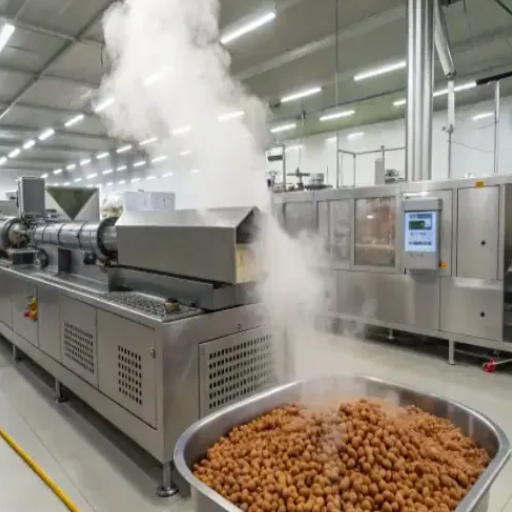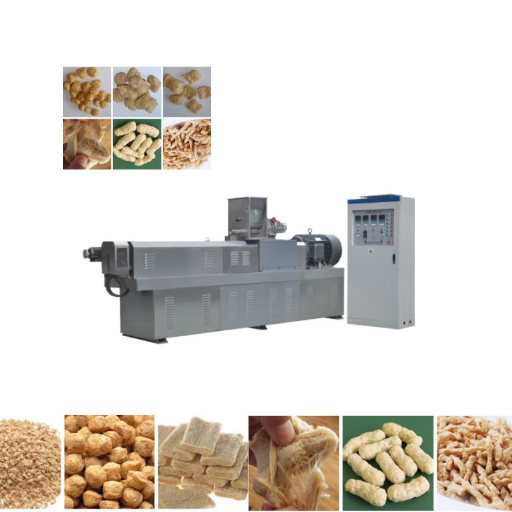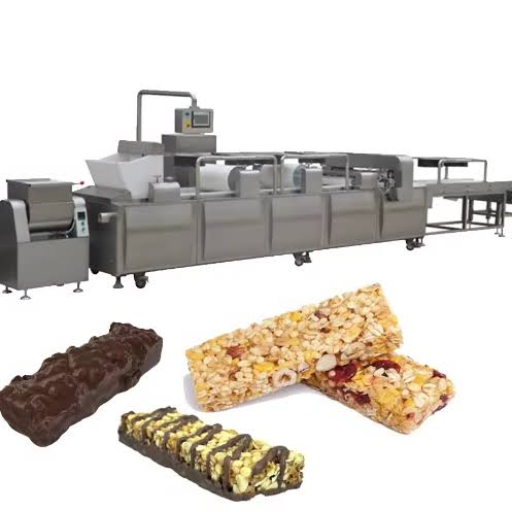
Air freight vs sea freight comes down to one question: do you need your food processing machinery fast, or do you need it economical? For most industrial equipment shipments from China, sea freight wins on cost, while air freight wins on speed. The right choice depends on your machine size, project timeline, budget, and how urgently you need production running.
When Elena ordered her first pasta production line for a new factory in Spain, she assumed sea freight was the only option for something so large. Her supplier explained that while the main line would travel by sea, critical spare dies and tooling could fly by air so her team could start trials sooner. That single shipment split saved her three weeks of downtime and taught her that the air freight vs sea freight decision is not always either/or.
In this guide, you will learn how each method works for food processing equipment, what drives costs and transit times, how to protect your machinery in transit, and how to decide which option fits your next project.
Key Takeaways
- Sea freight is typically 5–10 times cheaper per kilogram than air freight, making it the default for full food production lines.
- Air freight delivers machinery in 3–8 days, while sea freight usually takes 20–45 days depending on the route.
- Food machinery often ships best as a hybrid: main equipment by sea, urgent tooling or spare parts by air.
- Proper crating, moisture protection, and customs documentation prevent the hidden costs that erase shipping savings.
- Shandong Loyal Industrial supports clients with export-ready CE-certified machinery and logistics guidance from factory to final port.
Air Freight vs Sea Freight: A Side-by-Side Comparison

The fastest way to evaluate air freight vs sea freight is to compare the factors that matter most to machinery buyers. The table below gives you a practical baseline.
| Factor | Air Freight | Sea Freight |
|---|---|---|
| Typical transit time | 3–8 days | 20–45 days |
| Cost per kg | Higher (often 5–10× sea) | Lower (best for heavy/bulk cargo) |
| Best for | Urgent parts, samples, lightweight tooling | Full production lines, heavy equipment, bulk orders |
| Weight limit | Airlines impose strict limits; oversized cargo costs premium | Very high; containers handle tens of metric tons |
| Reliability | More predictable schedules | Subject to port congestion and weather delays |
| Carbon footprint | Higher per ton-kilometer | Lower per ton-kilometer |
| Documentation | Simpler, faster customs clearance | More complex; bills of lading, packing lists, certificates |
If you are importing a complete snack food machinery line, sea freight is almost always the sensible choice. The machines are heavy, the dimensions are large, and the cost difference is dramatic. If you are sending a single extruder screw or a set of forming dies to keep a line running, air freight often pays for itself by preventing lost production.
How Each Shipping Method Works for Industrial Machinery
How Air Freight Handles Heavy Equipment
Air freight moves cargo on passenger or dedicated cargo aircraft. For industrial machinery, shipments usually travel as air cargo rather than express parcel. The freight forwarder books space by chargeable weight, which is the greater of actual weight or volumetric weight. Volumetric weight penalizes large but light items, which is why a crated mixer can cost more to fly than its actual kilograms suggest.
Airlines also have size limits. Very long or wide machines may require charter freight or special cargo aircraft. This pushes costs up sharply, so air freight is practical mainly for:
- Urgent spare parts and wear components
- Sample products for market testing
- Small auxiliary equipment such as control panels or sensors
- Lightweight tooling and dies
Because air freight moves through fewer handling points than sea freight, damage risk is often lower for delicate electronics. However, heavy metal parts must be crated to aircraft safety standards, which adds to preparation time and cost.
How Sea Freight Handles Production Lines
Sea freight carries the vast majority of global machinery trade by volume. Equipment is loaded into shipping containers at the factory or forwarded to a port for consolidation. The most common container sizes are:
- 20-foot container (TEU): ~28 CBM, suitable for smaller lines or partial shipments
- 40-foot container (FEU): ~58 CBM, common for complete production lines
- Flat-rack or open-top containers: Used for oversized machines that cannot fit through standard container doors
For a complete protein bar production line, a 40-foot container is often the right fit. Mixers, extruders, cooling tunnels, and packaging units can be loaded, secured, and sealed at the factory. The container then travels by truck to the port, crosses the ocean, and clears customs at the destination.
Sea freight is slower, but it is built for scale. According to UNCTAD, maritime transport handles roughly 80% of global trade by volume, and that share is even higher for heavy industrial equipment.
Cost Comparison: Air Freight vs Sea Freight
What Drives Air Freight Rates
Air freight pricing is dominated by chargeable weight and fuel surcharges. Peak seasons, such as pre-holiday rushes, can double rates within weeks. Additional costs include:
- Origin trucking to the airport
- Export customs clearance
- Airport handling fees
- Security screening
- Destination handling and delivery
- Insurance
Because food machinery is dense, a single pallet can easily exceed 500 kg. At typical air freight rates, that one pallet may cost more than an entire 20-foot container by sea.
What Drives Sea Freight Rates
Sea freight rates depend on:
- Container size and type (standard vs flat-rack vs refrigerated)
- Origin and destination ports
- Fuel prices and bunker adjustment factors
- Peak season demand
- Whether you book FCL (full container load) or LCL (less than container load)
FCL gives you exclusive use of a container and is usually best for machinery. LCL consolidates your cargo with other shippers, which can save money for small loads but increases handling and damage risk.
Hidden Costs That Erase Savings
The headline freight rate is only part of the story. Buyers importing food production lines should budget for:
- Customs duties and import VAT based on HS codes
- Customs broker fees for clearance
- Inland transport from destination port to your factory
- Port storage and demurrage if containers sit too long
- Insurance covering damage during loading, transit, and unloading
- Inspection fees if customs selects your shipment for examination
Marcus, a procurement manager in Dubai, learned this the hard way. He chose the cheapest sea freight quote for a bread crumb production line. The shipment arrived during a port strike, and his container sat for 12 days. Demurrage and storage fees added nearly $1,800 to the landed cost, wiping out the savings from the low freight rate.
Transit Time and Reliability

Typical Air Freight Timelines
Air freight from China to major destinations usually takes 3–8 days door-to-door, depending on routing and customs efficiency. Direct flights are faster; transshipment through hubs like Dubai or Frankfurt adds time. Customs clearance at the destination airport is typically quicker than at seaports.
Typical Sea Freight Timelines
Sea freight transit times vary by route:
- China to Southeast Asia: 7–14 days
- China to Middle East: 18–25 days
- China to Europe: 25–35 days
- China to North America West Coast: 14–20 days
- China to North America East Coast: 25–35 days
These figures are sailing times only. Add factory loading, export customs, port waiting, destination clearance, and inland delivery, and the total door-to-door time grows by several days.
How Port Congestion and Weather Affect Schedules
Sea freight schedules are more exposed to disruption than air freight. Port congestion, canal restrictions, severe weather, and labor strikes can all add days or weeks. Air freight is more resilient to individual port issues, but it is sensitive to fuel price spikes and capacity shortages during peak seasons.
Choosing the Right Method for Your Food Machinery Project
When Air Freight Makes Sense
Air freight is the better choice when:
- You need the equipment urgently to avoid production downtime
- The cargo is small, lightweight, or high-value relative to its weight
- You are shipping prototypes, samples, or critical spare parts
- Your destination has reliable air cargo service but poor sea connections
- The total air freight cost is less than the cost of lost production
For example, a snack producer in Nigeria whose extruder main shaft fails might lose 5,000perdayinrevenue.Flyingareplacementshaftfor5,000perdayinrevenue.Flyingareplacementshaftfor2,000 is clearly the right business decision.
When Sea Freight Makes Sense
Sea freight is the better choice when:
- You are shipping a complete production line or multiple machines
- The equipment is heavy, bulky, or oversized
- Your project timeline allows several weeks for delivery
- You want the lowest cost per kilogram or per cubic meter
- You can coordinate installation around the shipping schedule
Most food production lines fall into this category. A full line can weigh several tons and occupy most of a 40-foot container. Sea freight is not just cheaper; it is the only practical option.
Decision Matrix: Budget, Timeline, Machine Size, and Urgency
Use this simple scoring approach:
- Is your cargo under 500 kg and urgently needed? → Consider air freight.
- Is your cargo over 1,000 kg or bulky? → Strongly favor sea freight.
- Can you wait 25+ days? → Sea freight is usually the smart choice.
- Will downtime cost more than the air freight premium? → Air freight may be justified.
- Do you need a full production line installed? → Sea freight, often with air freight for critical tooling.
Packaging, Handling, and Documentation
Crating and Moisture Protection for Food Machines
Food processing machinery must arrive clean, dry, and undamaged. Proper export packaging includes:
- Plywood crates or steel frames strong enough for forklift handling
- Vapor barrier bags with desiccant to prevent moisture damage during sea voyages
- Foam or rubber padding around sensitive components
- Clear labeling showing handling instructions, weight, and dimensions
- Lashing and bracing inside the container to prevent movement
Sea containers are exposed to humidity and salt air. Even a short voyage can cause corrosion if machines are not sealed properly. Air freight crates need less moisture protection but must still withstand stacking and conveyor handling.
Required Documents for Shipping Food Machinery
Accurate paperwork prevents customs delays. Typical documents include:
- Commercial invoice showing value and HS code
- Packing list with weights, dimensions, and contents of each crate
- Bill of lading (sea) or airway bill (air)
- Certificate of origin for trade agreement benefits
- CE certificate or other compliance documents for food machinery
- Insurance certificate covering transit risks
Shandong Loyal Industrial prepares export documentation for CE-certified machinery to help clients clear customs smoothly. Working with an experienced freight forwarder also reduces the risk of paperwork errors.
Customs Clearance Tips
- Classify your machinery under the correct HS code before shipping
- Confirm whether your country requires pre-shipment inspection
- Check for import licenses or food safety certifications
- Budget for duties, VAT, and possible examination fees
- Keep digital copies of all documents accessible
A small paperwork mistake can hold a container for days. Preparation is almost always cheaper than correction.
How Shandong Loyal Industrial Supports Your Shipment
Choosing between air freight vs sea freight is easier when your machinery supplier understands export logistics. Shandong Loyal Industrial has spent over a decade delivering food production lines to clients in more than 50 countries. That experience shapes how we prepare every shipment.
We help clients with:
- Accurate machine dimensions and weights for freight quoting
- Export-standard crating and moisture protection
- CE certification and supporting documents
- Coordination with your freight forwarder or ours
- Clear communication about production lead times and shipping windows
Whether you need a complete snack food machinery line by sea or urgent spare tooling by air, we align the shipment plan with your production goals. Our aim is to get your equipment to you on time, intact, and ready to run.
Want to plan shipping for your next project? Contact our team for a detailed quotation including freight guidance tailored to your machinery and destination.
Air Freight vs Sea Freight: Final Recommendations

For most food machinery buyers, sea freight is the default choice for full production lines, and air freight is the backup option for urgent parts, samples, or small tooling. The real skill is knowing when to combine both.
Recommended approach for new machinery buyers:
- Ship the main production line by sea to minimize cost.
- Ship critical dies, molds, or spare tooling by air so you can begin trials early.
- Budget 10–15% above the freight quote for customs, insurance, and inland delivery.
- Use a freight forwarder experienced in industrial equipment, not just consumer goods.
- Confirm packaging standards with your supplier before production is complete.
Conclusion
The air freight vs sea freight decision is not about which method is better overall. It is about which method is better for your specific machinery, timeline, and budget. Sea freight offers unbeatable economy for heavy food processing equipment. Air freight offers speed when downtime is more expensive than the shipping premium. Often, the smartest importers use both.
If you are planning to import food processing machinery from China, start with a clear shipping strategy before you place the order. The right plan protects your investment, keeps your project on schedule, and gets your production line running without surprises.
Ready to move forward? Explore our food production lines or contact us to discuss your project, timeline, and the best shipping option for your business.