A modified starch production line typically costs between 15,000 and 15,000 and 150,000 for extrusion-based systems, while full wet-chemical modification plants can run from 500,000 to over 500,000 to over 2,000,000. The exact price depends on capacity, modification method, automation level, materials of construction, and whether you buy equipment only or a complete turnkey plant.
If you are budgeting for a new line, the sticker price you see on a marketplace listing is rarely the full story. Shipping, installation, commissioning, spare parts, and operating costs can add 30–60% to your initial outlay. This guide breaks down real 2026 modified starch production line price ranges by capacity and application, explains what drives cost differences, and shows how to budget for the total investment.
Global demand for modified starch is projected to reach USD 17.3 billion by 2030, driven by processed foods, oil drilling fluids, and textile sizing. That growth is pushing more manufacturers to evaluate production equipment, but accurate budgeting requires looking beyond the equipment invoice.
Key Takeaways
- Extrusion-based modified starch lines range from 15,000–15,000–35,000 for 100–150 kg/h units up to 80,000–80,000–150,000+ for 1,000–1,500 kg/h industrial lines.
- Wet chemical modification plants cost 500,000–500,000–2,000,000+ because they require reactors, dosing, washing, drying, and environmental controls.
- The biggest cost drivers are capacity, modification method, automation, stainless steel grade, and scope of supply.
- First-time buyers often overlook shipping, customs, installation, training, utilities, and spare parts, which can add 30–60% to the equipment price.
- The majority of extrusion-based systems have a payback period ranging from 18 months to 4 years, depending on the margin, utilization, and cost of power.
What Is a Modified Starch Production Line?

The modified starch production system changes native starch, normally from maize, cassava, potato, or tapioca, into starch that is modified and possesses superior functionality. The modification changes viscosity, solubility, heat stability, film-forming ability, or resistance to shear and retrogradation. For a deeper look at equipment and processes, see our complete modified starch production line guide.
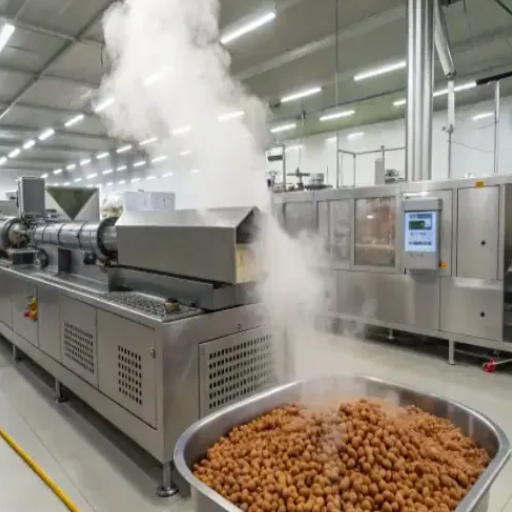
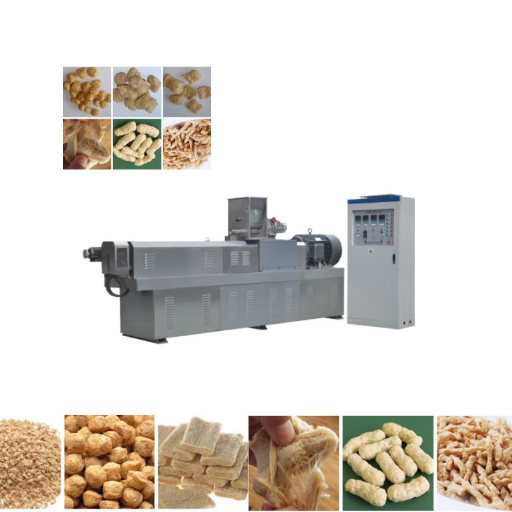
Most entry-level and mid-capacity systems use twin-screw extrusion. The typical process flow runs from mixer to screw conveyor, twin-screw extruder, air conveyor, belt dryer, grinder or pulverizer, and finally packaging. This setup is ideal for producing pregelatinized starch, cold-water-soluble starch, and physically modified starches for food, oil drilling, textiles, and adhesives.
Chemical modification lines are a different category. They use reactors, oxidizers, esterifiers, or etherification agents to create products like oxidized starch, cationic starch, or cross-linked starch. These plants require more equipment, tighter process control, and environmental safeguards, which is why they cost significantly more.
Understanding which type of line you need is the first step to getting an accurate quote. A food ingredient producer looking for instant soup thickener does not need the same system as a paper mill sourcing cationic starch coating.
How Much Does a Modified Starch Production Line Cost?
For most buyers evaluating capital expenditure, the fastest way to estimate modified starch production line cost is by capacity. The table below shows realistic 2026 modified starch making machine price ranges for extrusion-based lines from Chinese manufacturers. These are FOB or near-landed estimates for standard configurations; custom specs can push prices higher.
| Capacity Range | Equipment Type | Indicative Price Range (USD) |
|---|---|---|
| 100–150 kg/h | Pilot / small commercial extrusion line | 15,000–15,000–35,000 |
| 200–400 kg/h | Small commercial extrusion line | 30,000–30,000–60,000 |
| 500–800 kg/h | Mid-size industrial extrusion line | 50,000–50,000–100,000 |
| 1,000–1,500 kg/h | Large industrial extrusion line | 80,000–80,000–150,000+ |
| Wet chemical modification plant | Reactor-based specialty/commodity plant | 500,000–500,000–2,000,000+ |
| Full turnkey plant | Equipment + utilities + installation + training | 800,000–800,000–1,500,000+ |
These ranges cover the production equipment itself. They do not always include shipping, customs duties, installation, commissioning, or operator training. If you are comparing quotes, always ask suppliers whether their price is FOB, CIF, or fully installed.
When Sarah launched a small food-ingredient startup in Indonesia, she found a 200 kg/h pregelatinized starch line listed at 28,000.Bythetimesheaddedoceanfreight,importduties,on−siteelectricalwork,andatechnician’stravelcostsforcommissioning,heractualfirst−yearinvestmentreached28,000.Bythetimesheaddedoceanfreight,importduties,on−siteelectricalwork,andatechnician’stravelcostsforcommissioning,heractualfirst−yearinvestmentreached47,000. The equipment price was real, but it was only about 60% of her total project cost.
What Drives Modified Starch Production Line Price?
Several technical and commercial choices move the modified starch equipment cost up or down. Knowing them helps you avoid paying for capacity or features you do not need, while also avoiding under-specified equipment that fails in production.
Capacity and Throughput
Higher-capacity lines need larger extruders, bigger motors, wider dryers, and more robust grinding systems. A 1,000 kg/h line is not simply a scaled-up 200 kg/h line; it uses heavier-duty components, larger frames, and often more automation. Expect each doubling of capacity to increase equipment cost by 50–80%, not 100%, because some fixed costs are spread over a larger machine.
Modification Method
Physical / extrusion modification is the lowest-cost entry point. It uses heat, shear, and moisture to pregelatinize or denature starch without chemicals. Lines are compact, fast to commission, and easy to operate.
Chemical modification requires reactors, precise dosing systems, washing and filtration equipment, and effluent handling. These plants are 5–10× more expensive than extrusion lines of similar capacity but can produce higher-value specialty starches.
Enzymatic modification sits in the middle. It offers precise control but requires enzyme dosing, longer residence times, and often downstream deactivation and drying.
Automation and Control Level
A line controlled by simple relays and manual dials costs less than one with a Siemens PLC, HMI touchscreen, recipe management, and data logging. For food and pharmaceutical applications, advanced control systems are often worth the premium because they improve batch consistency and traceability.
Materials of Construction
Food-grade and pharmaceutical-grade lines use SUS 304 or SUS 316 stainless steel for product-contact surfaces. SUS 316 adds corrosion resistance and is preferred for acidic or high-salinity environments, but it can increase cost by 10–25%. Carbon steel frames are acceptable for some non-food applications and lower the price.
Scope of Supply
Equipment-only quotes cover the core machine. Turnkey quotes may include raw material handling, water and steam systems, dust collection, packaging machines, installation, commissioning, training, and a spare-parts package. A turnkey scope adds upfront cost but reduces project risk and shortens time to first production.
Certifications and Compliance
CE, ISO 9001, SGS, and BV certifications increase supplier engineering and documentation costs, which flow into the price. For buyers in regulated markets, these certifications are essential for customs clearance and customer acceptance.
Modified Starch Production Line Price by Capacity

Pilot / Lab Scale (100–150 kg/h)
Pilot lines are popular with R&D labs, startups, and companies testing new products before full commercial rollout. They typically include a small twin-screw extruder, a short dryer, and a simple grinder. Prices generally fall between 15,000and15,000and35,000, depending on automation and materials.
These lines are not built for 24/7 production. Their real value is recipe development and small-batch production for market testing.
Small Commercial (200–400 kg/h)
This is the most common entry point for small and mid-sized manufacturers. A 200–400 kg/h extrusion line can produce 1–3 metric tons per day in a single shift, enough for many regional food, adhesive, or oil-drilling starch suppliers.
Real-world listings for this range typically run from 30,000to30,000to60,000. Higher prices usually reflect better automation, SUS 316 product-contact parts, and inclusion of packaging or cooling systems.
Medium Industrial (500–800 kg/h)
At 500–800 kg/h, you move into serious industrial production. These lines often include automated feeding, a larger dryer, a pulverizer with precise fineness control, and a PLC control system. Prices range from 50,000to50,000to100,000.
This capacity suits manufacturers supplying multiple customers or producing high-margin specialty starches where throughput matters.
Large Industrial (1,000–1,500 kg/h)
Large extrusion lines produce 8–12 metric tons per day or more. They require substantial floor space, robust utilities, and often custom factory layout design. Prices start around 80,000∗∗andcanexceed∗∗80,000∗∗andcanexceed∗∗150,000 for highly automated, food-grade systems with full packaging integration.
Wet Chemical Modification Plant
If your product requires oxidized, cationic, esterified, or cross-linked starch, a wet chemical plant is necessary. These installations include reaction vessels, chemical dosing, washing, dewatering, drying, and often effluent treatment. Capital costs start at roughly 500,000∗∗forsmallersystemsandcanexceed∗∗500,000∗∗forsmallersystemsandcanexceed∗∗2,000,000 for high-volume commodity plants.
Price by Application
Food-Grade Modified Starch Line
Food-grade lines require stainless steel product-contact surfaces, sanitary design, and often food-safe lubricants and seals. They are used to produce pregelatinized starches for instant soups, sauces, puddings, and bakery fillings. Expect prices at the higher end of the extrusion range for the same capacity because of material and certification requirements. These systems are often integrated into complete food production lines that handle mixing through packaging.
Pregelatinized Starch for Instant Products
Pregelatinized starch lines are the most common extrusion setup. They thicken in cold or hot water without cooking, making them ideal for instant foods, baby food, and nutritional powders. Standard 200–500 kg/h lines cost 30,000–30,000–70,000, though pregelatinized starch production line price can vary with automation level and materials of construction.
Oil Drilling Starch Line
Modified starch for oil drilling must resist high temperatures and shear in drilling mud. Lines are often simpler than food-grade systems because they do not require sanitary finishes, but they may need higher torque extruders and specific particle size distribution. A 500 kg/h line typically costs 50,000–50,000–90,000.
Paper and Textile Starch Line
Cationic and oxidized starches for paper coating and textile sizing usually require chemical modification or specialized extrusion systems. These applications often fall into the higher-cost chemical modification category, with investments starting around $500,000 for wet-process plants.
Operating Costs to Budget For
The purchase price is only part of the investment. Operating costs determine whether your line is profitable.
Energy Consumption
Extrusion-based lines typically have installed power between 80 kW and 250 kW, though real consumption is usually 60–75% of installed power. Energy is often the second-largest operating cost after raw materials. Choosing an energy-efficient dryer and extruder can reduce electricity use by 15–25%.
Raw Materials
Native starch is the largest variable cost, typically representing 60–70% of production cost. Corn starch, cassava starch, and potato starch prices vary by region and season, so lock in supplier agreements before finalizing your budget. A cassava modified starch production line, for example, may need different feeding and drying parameters than a corn-based system.
Labor
A small extrusion line may need only 2–3 operators per shift. Highly automated lines reduce labor but increase upfront cost. For regions with high wages, automation often pays back within two years.
Maintenance and Spare Parts
Budget 3–5% of equipment cost annually for maintenance, wear parts, and consumables. Screws, barrels, dies, and dryer belts are the most common wear items.
Hidden Costs First-Time Buyers Miss

Many buyers focus only on the supplier’s invoice. Here are the costs that commonly surprise first-time investors.
Shipping and Customs
Ocean freight from China to most regions adds 2,000–2,000–10,000 depending on machine size and destination. Import duties, VAT, and customs clearance can add another 5–30% of equipment value.
Installation and Commissioning
Most Chinese suppliers charge separately for engineer travel, accommodation, and daily fees. A typical commissioning visit lasts 7–15 days and costs 3,000–3,000–10,000 including travel.
Training
Operator and maintenance training may be included in a turnkey quote but charged separately in equipment-only deals. Poor training leads to downtime that can cost far more than the training fee.
Building Modifications and Utilities
You may need reinforced flooring, compressed air, steam, water treatment, electrical upgrades, or dust extraction. These can add 5,000–5,000–50,000 depending on your facility.
When Marcus set up an oil drilling starch line in the Middle East, his equipment quote was 72,000.Afterfreight,customs,electricalupgrades,anda12−daycommissioningvisit,histotalfirst−yearcostclimbedto72,000.Afterfreight,customs,electricalupgrades,anda12−daycommissioningvisit,histotalfirst−yearcostclimbedto98,000. He later said the hidden costs were manageable because he had budgeted for them, but only because a previous project had taught him to ask the right questions.
ROI and Payback Period
A simple way to estimate payback is:
Payback Period (years) = Total Project Cost ÷ Annual Net Profit
Annual net profit depends on selling price, raw material cost, energy, labor, and capacity utilization.
Typical Payback Ranges
- Extrusion-based food starch line: 18 months to 3 years
- Oil drilling starch line: 1.5 to 3 years, thanks to higher margins
- Textile/paper cationic starch line: 3 to 5 years, due to higher capital cost
- Wet chemical commodity starch plant: 4 to 7 years, depending on scale and market pricing
Margin and Capacity Utilization Sensitivity
Running at 50% capacity doubles your payback period compared to 100% utilization. Before investing, confirm your sales pipeline can absorb at least 70% of designed capacity within the first 18 months.
How to Get an Accurate Quote
The fastest way to receive a meaningful quote is to give the supplier a clear project brief. Include the following:
- End product: food-grade pregelatinized starch, oil drilling starch, cationic starch, etc.
- Target capacity: kg/h or tons/day
- Raw material: corn, cassava, potato, tapioca, or wheat starch
- Automation level: manual, semi-automatic, or full PLC control
- Material requirements: SUS 304, SUS 316, or carbon steel
- Voltage and frequency: local electrical standards
- Scope: equipment only, CIF delivery, or full turnkey installation
- Certifications required: CE, ISO, SGS, BV, etc.
- Factory layout: available floor space and ceiling height
- Budget range: helps suppliers propose the right configuration
An itemized quote lets you compare total landed cost, not just the equipment price. It also makes it easier to identify what is included and what you must source locally.
Elena, a procurement manager at a European textile mill, requested quotes from three suppliers for a cationic starch line. Only one supplier included installation, training, and a spare-parts package in the proposal. That proposal appeared 20% more expensive upfront but was actually the lowest total cost. She chose it and avoided the budget overruns her predecessor had experienced.
Why Shandong Loyal’s Pricing Model Fits Growing Producers
At Shandong Loyal Industrial Co., Ltd., we design modified starch production lines around your product, capacity, and budget. With over 10 years of experience and clients in more than 50 countries, we know that no two projects are identical.
Our team provides:
- Transparent, capacity-based quoting with no hidden fees
- Customizable configurations for food, oil drilling, paper, textile, and pharmaceutical applications
- Turnkey scope options including installation, commissioning, training, and spare parts
- CE/ISO/SGS-certified equipment built with food-grade SUS 304/316 construction
- Twin-screw extrusion technology for consistent quality and efficient energy use
Whether you need a small pilot line for recipe development or a full industrial plant, we help you understand the total cost of ownership before you commit.
Ready to get a precise budget for your project? Contact our engineering team for a customized quote with itemized scope.
Frequently Asked Questions
How much does a small modified starch production line cost?
A small 100–150 kg/h extrusion line typically costs 15,000–15,000–35,000. After shipping, customs, installation, and utilities, total first-year investment is usually 25,000–25,000–55,000.
Why do modified starch production line prices vary so much?
Prices vary because of capacity, modification method, automation, materials of construction, scope of supply, certifications, and supplier region. A 1,000 kg/h food-grade line costs far more than a 200 kg/h pilot unit.
Is a pregelatinized starch line cheaper than a chemical modification line?
Yes. Pregelatinized starch lines use extrusion, which is simpler and requires no reactors or chemicals. Chemical modification plants cost 500,000–500,000–2,000,000+ because of the additional process equipment and environmental controls.
What is the payback period for a modified starch production line?
Most extrusion-based lines pay back in 18 months to 4 years. Oil drilling starch lines often pay back faster due to higher margins, while large chemical plants may take 4–7 years.
Do Chinese suppliers include installation in the price?
Some turnkey quotes include installation and training. Equipment-only or FOB quotes usually exclude on-site commissioning. Always ask for an itemized scope so you can compare total landed cost accurately.
Conclusion
The modified starch production line price you pay ranges from around 15,000forsmallextrusionsystems∗∗to∗∗over15,000forsmallextrusionsystems∗∗to∗∗over2,000,000 for large wet-chemical plants. The right budget depends on your capacity target, end product, and how much of the project scope you want the supplier to handle.
The most important takeaway is to plan for total landed cost, not just the equipment invoice. Shipping, customs, installation, utilities, training, and operating expenses can add 30–60% to the upfront price. Buyers who budget for these hidden costs avoid the surprises that delay commissioning and strain cash flow.
If you are evaluating options, start by defining your end product and target capacity. Then request itemized quotes that include scope, certifications, and after-sales support. A transparent supplier will help you build a realistic budget and choose a line that delivers consistent returns.
Ready to move forward? Request a customized modified starch production line quote from Shandong Loyal today. Our engineers will review your product goals, capacity needs, and site conditions, then deliver an itemized proposal you can trust.