How much does food automation cost? In 2026, most food manufacturers spend 35,000 to 35,000 to 85,000 for a single robot cell, 65,000 to 65,000 to 120,000 for end-of-line palletizing, and 300,000 to 300,000 to 1 million or more for a fully automated turnkey line.
That spread is wide for a reason, and the sticker price is only part of the story. Here’s the number most buyers miss: the total project usually runs two to three times the bare equipment cost once integration, tooling, safety, and training are counted. And roughly one in three automation projects finishes over budget.
You’re not here for a price list. You want to know what food automation will actually cost your plant, whether it will pay for itself, and how to budget without getting burned. That’s exactly what this guide covers, with real 2026 figures and the math shown step by step.
Key Takeaways
- Food automation cost in 2026 ranges from about 35,000 for a single cobot cell to 35,000 for a single cobot cell to 3 million+ for a multi-robot industrial system.
- Plan for the whole project, not the machine: integration, tooling, and safety typically push the total to 2 to 3x the equipment price.
- Hidden costs are the real killer. Nearly one in three automation projects runs over budget, and fully burdened labor is 1.3 to 1.6x the base wage.
- End-of-line palletizing is the cheapest, highest-payback first step, with typical payback of 12 to 24 months.
- ROI comes from labor savings and throughput, not from a low sticker price. Single-SKU, high-volume lines pay back fastest.
How Much Does Food Automation Cost?
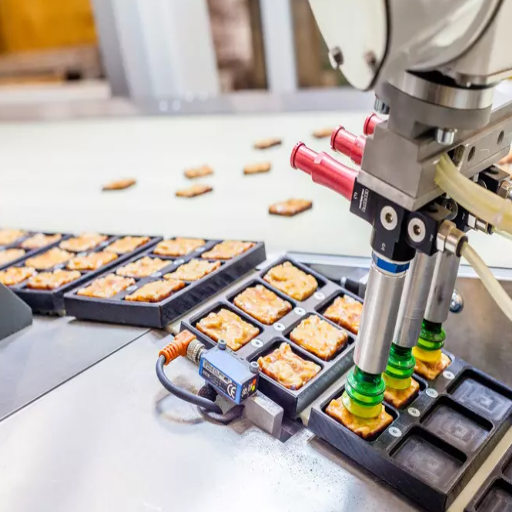
Food automation cost depends almost entirely on scope. A single collaborative robot at the end of a packaging line costs a fraction of what a full automated production line costs, and both are a fraction of an integrated multi-robot plant.
As a starting point, here are the 2026 bands:
- Point automation (one cobot cell): 35,000to35,000to85,000
- End-of-line palletizing: 65,000to65,000to120,000 installed
- Fixed or dedicated machinery: 110,000to110,000to280,000
- Process controls retrofit (PLC/SCADA): 50,000to50,000to250,000
- Turnkey automated line: 300,000to300,000to1,000,000+
- Industrial multi-robot systems: 500,000to500,000to3,000,000+
These figures come from recent industry reporting on the real cost of line automation, not from a single vendor’s “from” price. The wide ranges exist because every plant is different, which is the point of the next section.
Food Automation Cost by Project Scope
The fastest way to size your budget is to think in layers. Each scope adds capability, and each one adds cost in a predictable way.
| Project Scope | Typical Example | Indicative Cost (USD) |
|---|---|---|
| Point automation | Single cobot pick-and-place cell | 35,000–35,000–85,000 |
| End-of-line | Cobot palletizing or case packing | 65,000–65,000–120,000 |
| Dedicated machinery | Fixed, single-purpose automation | 110,000–110,000–280,000 |
| Process retrofit | PLC/SCADA controls upgrade | 50,000–50,000–250,000 |
| Turnkey line | Automated packaging or complete line | 300,000–300,000–1,000,000+ |
| Industrial system | Multi-robot integrated plant | 500,000–500,000–3,000,000+ |
A note on the robot figures: the robot itself is only about one-third to one-half of the installed price. A cobot arm might list for 18,000to18,000to70,000, but a complete pick-and-place setup with a gripper, vision, and integration runs 45,000to45,000to85,000. End effectors alone commonly eat up 30 to 40% of the system cost.
When Daniel, a plant manager at a Canadian snack maker, quoted out a manual palletizing station, he budgeted for an 18-month payback. The automated palletizer paid for itself in 16 months instead, and six weeks later he ordered a second unit for the opposite end of the line. That end-of-line-first path is where we tell most cost-sensitive manufacturers to start.
If you’re still mapping which equipment belongs at each stage of a line, our guide to automated food processing equipment walks through the full stack.
7 Factors That Determine Food Automation Cost
Why does one project cost 40,000andanother40,000andanother400,000? These seven drivers do most of the work.
- Scope. A single machine is a fraction of a complete line. Full lines multiply every cost that follows.
- Robot vs. fixed automation. Robots are flexible but carry integration and programming cost. Fixed automation is cheaper per unit but only suits a single product and slow changeovers.
- Flexibility and changeover. Single-SKU, high-volume lines automate cheaply. High-mix lines need flexible tooling and can lose up to 40% of run time to changeovers.
- Controls integration. Adding a PLC, SCADA, and HMI, plus recipe management and data logging, adds real cost and real value. It’s what turns machines into a coordinated line.
- Hygiene and materials. Washdown design, IP69K sealing, and food-grade 304 or 316L stainless steel all add cost, but they’re non-negotiable in a food environment.
- Vision and inspection. Cameras, sensors, and automated quality checks add capability but also cost and complexity.
- Integration, safety, and training. This is the silent multiplier. Engineering time, guarding, risk assessment, and operator training routinely push the total to 2 to 3x the equipment price.
Here’s the practical takeaway. When you compare quotes, ask what’s included. A “40,000robot”anda”40,000robot“anda“40,000 installed cell” are very different things.
The Hidden Costs of Food Automation
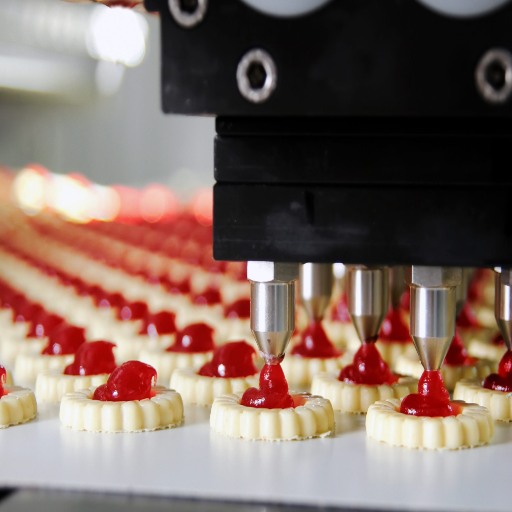
The sticker price is the easiest number to get and the least useful one to trust. These are the costs that catch buyers off guard.
- Integration and tooling. End-of-arm tooling alone runs 30 to 40% of system cost. Add programming, commissioning, and testing on top.
- Cost overruns. Food + Beverage Technology puts the overrun rate at about 32% of automation projects. One documented case saw a 2millionbudgetbecome2millionbudgetbecome2.8 million after software customization and retraining were properly scoped. Another carton-loading cell rose 40% once labelling and inspection were added.
- Burdened labor. The most common ROI mistake is benchmarking savings against the base hourly wage. Fully burdened labor, including benefits, turnover, and training, runs 1.3 to 1.6x the base rate. Use the burdened number or your payback math will be wrong.
- Changeover time loss. High-mix operations can lose up to 40% of available time to changeovers, which quietly erodes the savings you modeled.
- Installation and commissioning. Typically 5 to 15% of equipment cost, and it’s where delays hide.
- First-year spares and training. Plan for spare parts and operator training in year one, not after the fact.
Food Automation ROI and Payback: A Worked Example
Let’s put numbers on the most common starting point: an end-of-line cobot palletizer.
- Installed cost: $90,000
- Annual burdened labor savings: $55,000
- Throughput and scrap benefit: roughly 10,000to10,000to15,000 a year
- Payback: about 14 to 18 months
Here’s how that maps to real-world results. A UK popcorn line put a single cobot palletizer at the end of its packaging line. It paid for itself in 14 months and saves roughly £93,000 a year. A Canadian potato-chip maker hit a 16-month payback on a palletizer it had projected at 18 months.
The pattern holds across the industry. Case packing and palletizing typically pay back in 12 to 24 months, aggressive multi-shift operations in 8 to 14 months. Flexible cobots with AI vision for small-batch work land around 14 to 18 months. Full turnkey lines, with their larger scope, run 18 to 36 months.
One honest caveat. These paybacks hold best for high-volume, single-SKU lines. If you run short, frequent changeovers, model the changeover loss or you’ll oversell yourself. The return comes from labor savings, utilization, and margin, not from buying the cheapest machine available.
Want this same math run against a real line? Tell us your capacity target and product, and we’ll build the numbers for a turnkey food production line rather than leave you with a generic estimate.
Here’s what automated end-of-line palletizing looks like in practice:
How to Budget for Food Automation
Budgeting well is mostly about accounting for the whole project, not just the equipment.
Start with the 2 to 3x rule of thumb. Whatever the machines quote, multiply by two to three to cover integration, tooling, safety, and training. It’s conservative, but it reflects what projects actually cost.
Then separate CAPEX from OpEx. The equipment and installation are capital. Energy, maintenance, spare parts, and the ongoing cost of a technician for flexible cells are operating costs that recur every year. Both belong in the business case.
Consider phasing. The end-of-line-first playbook works because it’s the cheapest, highest-payback entry point and it de-risks the larger project. Many manufacturers start with palletizing, prove the return, then extend automation into process and full-line scope.
Finally, factor financing. Leasing spreads the cost and preserves working capital; a term loan adds interest but keeps cash in the business. A brownfield retrofit generally carries more cost and risk than a greenfield build, so adjust your contingency accordingly.
How to Compare Food Automation Quotes
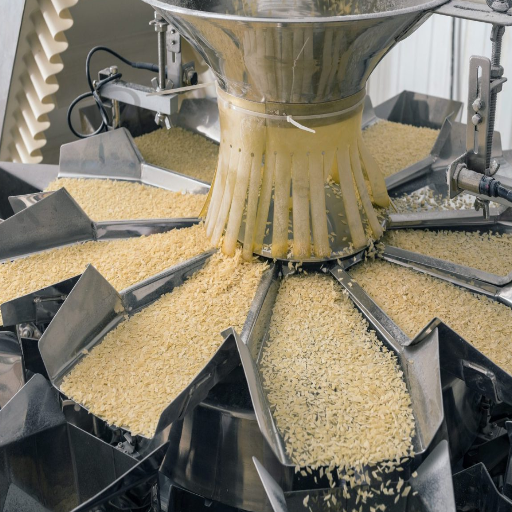
When every vendor quotes a different number, compare them apples-to-apples. Here’s the checklist we give buyers.
- What’s included? Equipment only, equipment plus integration, or a full turnkey line? Get it in writing.
- Safety and certification. Confirm CE documentation and the hygiene rating (IP69K, food-grade 304 or 316L stainless) match your product.
- Changeover time. Ask for a realistic changeover number, especially for multi-SKU lines.
- Warranty and spares. What’s covered, for how long, and what’s the spare-parts lead time?
- Training and support. Who trains your operators, and what happens after commissioning?
- References. Ask for a prior project in your product category, then call them.
The goal isn’t the lowest quote. It’s the lowest total cost of ownership over five to ten years. A slightly more expensive line with better support and shorter changeovers usually wins on lifetime cost.
Frequently Asked Questions
How much does food automation cost?
Most food manufacturers spend 35,000 to 35,000 to 85,000 for a single robot cell, 65,000 to 65,000 to 120,000 for end-of-line palletizing, and 300,000 to 300,000 to 1 million or more for a fully automated turnkey line.
How much does it cost to automate a food plant?
A full-plant automation project typically ranges from 500,000for a focused retrofit to 500,000 for a focused retrofit to3 million or more for a multi-robot, integrated facility. Budget the whole project at 2 to 3x the equipment cost.
What is the ROI of food automation?
Payback typically runs 12 to 24 months for palletizing and case packing, 14 to 18 months for flexible cobots, and 18 to 36 months for full turnkey lines. ROI is driven by labor savings and throughput, not sticker price.
How long does food automation take to pay for itself?
Most projects pay back within one to two years. Documented cases include a 14-month payback on a popcorn line and a 16-month payback on a potato-chip palletizer.
What is the cheapest food automation to start with?
End-of-line palletizing is the cheapest, highest-payback entry point. A single cobot palletizer cell starts around $65,000 installed and often pays for itself within 12 to 24 months.
Is food automation worth it for small manufacturers?
Yes, if you start small and phase in. Automate end-of-line first, prove the return, then expand. High-volume, single-SKU operations see the fastest payback.
Conclusion
Food automation cost is a range, not a single number. It stretches from about 35,000foronecobotcellto35,000foronecobotcellto3 million or more for a full industrial system, and the honest cost is two to three times the machine price once integration and hidden costs are counted.
Three things matter more than the sticker. Budget the whole project, not the equipment. Use fully burdened labor in your ROI model, not the base wage. And start with end-of-line palletizing, the cheapest and fastest-paying entry point.
The payoff is real. A popcorn line recovered its cost in 14 months. A chip maker did it in 16. The plants that win are the ones that price the whole project and phase their automation deliberately.
Tell us your product, capacity target, and budget, and we’ll send a transparent, itemized quote for a CE-certified automated line. No hidden costs, just the numbers you need to decide.