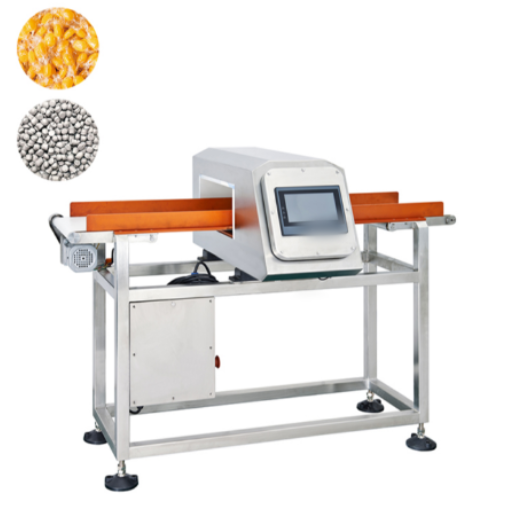
A food metal detector challenge test uses approved test pieces with packs that match the product being made. Check that the right pack is rejected, recover each piece and record the result. If a check fails, control the affected product and follow the site’s corrective-action procedure before release.
An alarm doesn’t prove that the right bag left the saleable stream. On a busy snack or cereal line, you can watch the display and miss the reject point. This guide helps you check both. Use its checklist, failure table and blank log with your food-safety lead.
Key Takeaways
- Check the base pack for unintended metal before adding known test pieces; use the approved product recipe, sizes and positions.
- Record detection, physical rejection and test-piece recovery as separate results.
- Set check frequency through the site’s approved food-safety plan and applicable requirements.
- Keep failed results, product holds, restart approval and held-product disposition traceable.
Food metal detector challenge test: scope, responsibilities and frequency
Who approves the method?
Use this checklist as a procedure-development aid. Your food-safety lead should approve the method with engineering and advice from the detector maker. Name who checks the line, who controls held product and who reviews failures. Cover breaks and shift changes too.
Validation provides evidence that the system can meet its control needs within defined conditions. A routine challenge checks that it still works as agreed. A test pass or service label cannot replace that evidence. Keep setup, service and routine test records distinct, using the same line ID to connect them.
If you’re still deciding where or how to inspect, start with the food inspection system selection guide. This checklist concerns an already selected installation. For a machinery enquiry, send Loyal your product, packaging, line speed and proposed inspection position, so the discussion starts with your actual line requirements.
When should checks take place?
The approved procedure needs a schedule. Cover startup, timed checks, product or recipe changes, relevant repairs, restart and the end of the run. State who does each check and what to do if it is late.
Don’t copy an hourly interval from an unrelated factory. The LOMA metal detection guide discusses an operating program that connects testing with product, equipment and records. Use it with your customer requirements and food-safety plan. A generic checklist cannot set a legal critical limit for your line.
Record the next due check where the incoming operator can see it. A schedule without a responsible person leaves a gap during handover.
Prepare controlled test pieces and representative test packs
Verify identity before opening production
Match each test piece to the approved register. Check its ID, metal type, sphere size and certificate reference where supplied. The size of the carrier is not the size of the metal ball inside it. Resolve faded labels or unknown pieces before using them to prove a test result.
Use the metal types and sizes approved for this application. Don’t borrow a piece from another detector because its colour looks familiar. Check the carrier for damage and follow its handling instructions. Keep pieces intended for different inspection technologies distinguishable in storage.
LOMA’s test-piece handling guidance supports labelled, traceable samples and representative test packs. The aim is a test that staff can repeat. The next operator needs to know which piece to use, without guessing what the last shift did.
Prepare a pack that represents the product
Use the approved product and pack type. Check the fill, product state and pack shape against the SOP. Before adding any known test piece, confirm the base pack is free of unintended metal using the plant/OEM-approved method. The LOMA guide requires metal-free starting packs.
Record that check and its method reference, then add the approved piece. This baseline check does not guarantee the absence of every metal fragment. Mark the completed test pack clearly and keep it apart from stock for sale.
Secure the test piece by the approved method at the specified position. Don’t put loose metal into food or improvise a carrier that may break open. The procedure should explain how the test pack is introduced, retrieved, stored or disposed of, including how perishable or damaged packs are replaced.
Illustrative scenario: An operator finds a marked test pack beside finished goods after a break. Its location doesn’t show whether it completed the test. The operator accounts for the pack and piece, prevents the pack entering saleable stock and reports the missing test record through the site’s deviation route. No result is reconstructed from memory.
Make recovery part of preflight
Before starting, check the reject collection point. Can you reach it safely using the approved procedure, and is it ready for the test? Count the pieces issued and give each piece a place to return to. If one is missing, follow the loss procedure rather than assuming it is in the bin.
Get the approved manual, test-piece register and training records during food machinery documentation handover. Keep their version numbers beside the checklist. If you replace a test piece, update the register. Later results must link to the right item.
Before the test, the operator must know the product, method, pieces, expected results and recovery route. If a point is unclear, resolve it before recording a pass.
Run the food metal detector challenge test under production conditions
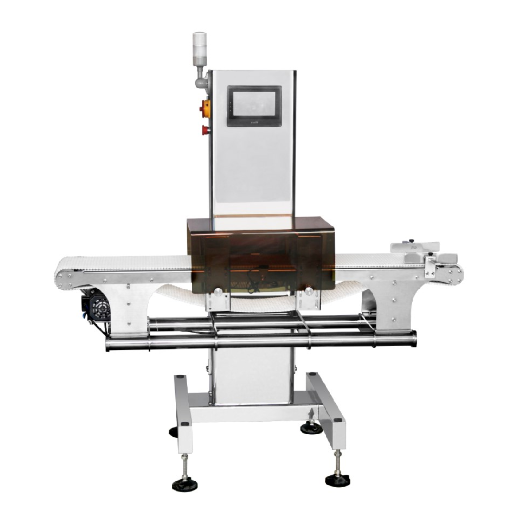
1. Confirm the recipe and operating conditions
Check the detector identifier and selected product recipe against the production order. Record the product, lot, pack type and conditions required by the method. Run at the agreed speed and spacing. A slow test doesn’t prove the system works at the production rate.
Check that the reject route is ready and no authorised test mode remains active from setup. Record the starting condition before introducing a challenge. If conditions fall outside the validated range, ask for a technical review. Don’t change the test just to get a pass.
2. Present each approved challenge separately
Run each required metal test pack in the approved order. Record the piece ID and position each time. Use the repeat count in your procedure. There is no single pass count for every line.
Don’t combine different pieces in one pack unless that exact method is approved. Test each challenge on its own so you can link the result to its metal and position. Track each pack through rejection and recovery. Don’t rely just on the order in an event log.
3. Test the specified difficult positions
Follow the validated pack and aperture positions. A piece placed on top of a bag may not represent the agreed challenge position within the product. Use a method that staff can repeat and check safely. Keep clear of moving parts.
Show test positions in words or a simple sketch. Ask for clarification if terms such as “centre” could refer to the bag, the product bed or the detector opening. A labelled sketch is more useful than two operators making different assumptions.
4. Observe and record each outcome
Watch the response at the detector and the reject point. Identify the actual test pack removed, then retrieve it through the approved safe route. If the sequence allows, fill in the result before the next challenge. Don’t use a single shift tick to replace each test result.
Illustrative scenario: A seasoned snack is running warm after a changeover. The operator checks that the approved recipe and test conditions cover that state. During the challenge, the display reports detection but the marked pack stays on the saleable path. That is a failed result, even though the detector responded; the next action is containment and investigation.
Adapt the method to the product path
These pack-handling steps describe a conveyor application. Bulk, free-fall and pipeline systems need their own approved test method. It must cover safe insertion, diversion and recovery without adding a hazard to food. Don’t transfer a conveyor-pack procedure to a closed pipe or open a live system to insert a piece.
Use the factory acceptance test checklist to request initial performance evidence and documentation. Then check the routine method against the installed line. It must match the final product path, reject system and conditions.
Confirm rejection, test-piece recovery and applicable failsafes
Separate four observations
Detection, alarm, rejection and recovery are separate checks. Did the detector recognise the piece and give the expected signal? Did the right pack leave the saleable stream? Can the operator account for the piece afterward?
Record each required result. A reject-confirmation sensor adds evidence when fitted, but still watch where the pack goes during a manual test.
Finding it in the bin doesn’t explain a missing alarm or a failed sensor signal. Check any mismatch against the approved pass criteria. Note which signal was absent, rather than reducing the whole event to an unexplained fail.
Retrieve pieces without reaching into moving machinery or defeating guards. Where access requires isolation, use the site’s safe isolation procedure. The test method must allow recovery without creating a new exposure at the reject mechanism.
Check sequences only when specified
Back-to-back test packs, or test packs with blank packs between them, can check functions that one pack alone cannot. The MDS memory-test procedure describes an alternating sequence for CEIA equipment in the context of certain supermarket codes. In that method, first pass the unseeded products through the detector to check for metal, then use selected products to make the test packs. It checks both challenged packs and the intervening standard packs.
That example isn’t a universal instruction for every reject design. Before using it, confirm the code, system features, spacing and pass criteria. Record any unexpected rejection of a blank pack. Finding all metal pieces is not enough to call that sequence a pass.
Use approved failsafe methods
Ask the OEM to document safe tests for the fitted controls. Possible items to address include reject confirmation, collection-bin status, air supply and relevant interlocks. List only controls that actually exist on the installation. Use a table to keep the method and the actual result separate.
| Control fitted | Approved test reference | Expected response | Observed result |
|---|---|---|---|
| Reject confirmation | Enter SOP section | Enter specified signal/action | Record actual result |
| Bin or collection control | Enter SOP section | Enter specified signal/action | Record actual result |
| Air supply or other interlock | Enter OEM-approved method | Enter specified stop/alarm | Record actual result |
| Not applicable | State why absent or outside scope | Reviewer approval reference | Do not prefill PASS |
Don’t create a fault by disconnecting components or bypassing guards based on a web checklist. The method should state who can do the test and how to restore normal use. Use the automated controls specification guide when documenting signals, event records and restart responsibilities for a new line or modification.
Close the sequence by reconciling every issued piece and pack. The completed result needs both performance evidence and physical accountability.
Respond to a failed test before product is released
Control the line and affected product
Use the safe procedure to stop or isolate the affected path. Tell the supervisor and food-safety lead what failed. Record what you saw before changing settings or trying again. A later pass doesn’t remove the first failed result.
Find the last relevant check with a recorded pass, then trace product forward from it. List lots, amounts, storage points, transfers and rework that may be affected. Hold that product while the team confirms the scope and decides what to do with it. A signature alone cannot prove a check with no recorded result.
FDA Chapter 20 on metal inclusion provides a hold-and-correct framework in fish and fishery guidance. Its product scope and example schedules are not universal snack-line rules. The useful principle is to control product that may be affected while the qualified team reviews what happened.
Diagnose the failure without rewriting history
Check the approved method, piece identity, product recipe, placement, speed, spacing and reject arrangement. Call qualified maintenance or OEM service staff when needed. Record what you know and what still needs checking. “Passed on repeat” is a result, not a cause.
| Observation | Immediate question for the responsible team | Record to retain |
|---|---|---|
| No detection | Was the approved challenge presented under the correct conditions? | Piece, recipe, position and failed result |
| Detection without rejection | Where did the marked pack go, and which reject function failed? | Pack location and control observations |
| Missing piece or test pack | Could it have entered product or left the controlled area? | Issue/recovery count and search/hold reference |
| Wrong recipe or incomplete check | What production lacks valid supporting evidence? | Actual settings, time boundary and affected lots |
| Missing record | Can the claimed check be substantiated? | Gap, investigation and authorised scope decision |
Separate restart from held-product disposition
After correction, repeat the complete approved test sequence and document the results. Follow the required approval route before restarting. Link any repair to the food machinery maintenance record, including what changed and which verification followed.
Restart approval covers the next production run. Held-product disposition is the decision about stock already made. Record both decisions with the name and time of approval. Use an authorised method for reinspection, rework or disposal; a pass after repair cannot by itself release a held lot.
Illustrative scenario: A scheduled check fails after a lot change. The supervisor maps both lots and any transferred stock back to the last supported successful check. The team records a hold reference, investigation and retest results. The example ends with disposition still requiring approval; there is no assumed release outcome.
At shift handover, name who owns the open hold and where its records are kept. Keep open actions visible after the line restarts.
Copy this challenge-test checklist and record template
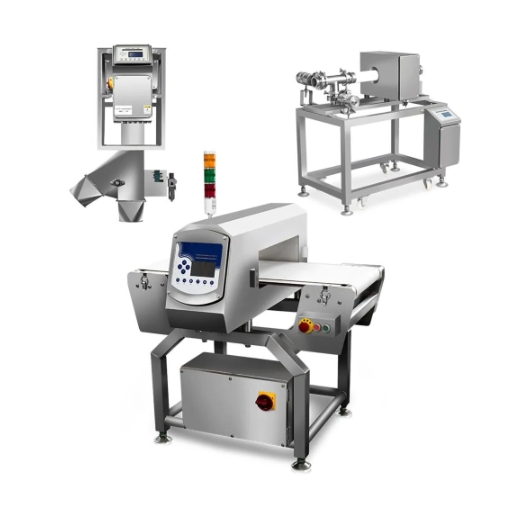
Record the method and conditions
This is a suggested form to adapt, not a copied standard or proof of compliance. Ask your food-safety lead to review it for the line. Leave results blank until checked. Use N/A only with a reason and where the procedure allows it.
| Identification and preflight field | Entry |
|---|---|
| Site, line and detector ID | ____ |
| Date, time, time zone, shift and operator | ____ |
| Product, SKU, lot and packaging | ____ |
| Approved SOP revision and recipe reference | ____ |
| Speed, spacing and relevant product conditions | ____ |
| Required metals, sphere sizes and positions | ____ |
| Base pack ID; metal-free check before adding pieces; method reference, result, checker and time | ____ |
| Piece IDs, certificate references and initial count | ____ |
| Reject route ready; next check due | ____ |
Give each challenge its own result
Use a new result line for each required metal, position and repeat. Refer to the approved sequence rather than one “detector OK” box for all tests. If the event log is stored elsewhere, state where to find it.
| Test/result field | Entry |
|---|---|
| Check time, piece ID, metal and sphere size | ____ |
| Pack/position and sequence reference | ____ |
| Detected; expected alarm observed | ____ |
| Correct pack physically rejected | ____ |
| Reject-confirmation result, if applicable | ____ |
| Piece and pack recovered/accounted for | ____ |
| Required failsafe result or justified N/A | ____ |
| Overall result and deviation reference | ____ |
Keep the deviation open until decisions are recorded
| Failure and review field | Entry |
|---|---|
| First failure and last supported successful check | ____ |
| Affected lots, quantities, locations and hold reference | ____ |
| Confirmed cause, open questions and correction | ____ |
| Full retest results and evidence location | ____ |
| Restart approval: person and time | ____ |
| Held-product disposition: method, approver and time | ____ |
| Reviewer, review time and outstanding actions | ____ |
The reviewer needs to trace each piece from issue to test, recovery and any hold. Does the record show what happened and who made the next decision? An electronic signature cannot fill a gap in the results.
Follow your document rules so each correction can be traced. Don’t overwrite a failure or add a false time to make a late check look on schedule. Give each attachment an ID. This keeps logs, plant photos and repair records connected.
At handover, reconcile pieces, outstanding checks, holds and open actions. Store the approved form with the current manual and training references, and remove obsolete blank forms from use. The next shift can then see where to start without having to piece together what happened before.
Questions about challenge tests and the next step
Must food metal detectors be tested every hour?
There is no single interval to copy into every food line’s checklist. Use the approved food-safety plan, applicable requirements and the validated installation to set the schedule. Include event-triggered checks as well as timed checks, and define the response when a required test is late or missed.
Which metal ball size should our test pieces contain?
Use the approved metals and sphere sizes for your product, pack and system. Check each piece and its certificate against the register and procedure. Don’t confuse carrier size with ball size or borrow another line’s limits. A sphere test cannot prove detection of every fragment shape or angle.
Can we test with a wand on an empty belt?
An empty-belt check may help with setup or fault finding. It cannot by itself show how product passes through detection and rejection. Use the approved routine method with the actual product type and stated positions. Record detection, diversion and recovery; an alarm alone is not a completed product challenge.
What if detection works but rejection fails?
Record a failure and follow the site’s hold procedure. Find the marked pack, control affected product and ask the responsible team to check the reject system. After correction, record the full retest and restart approval. Keep the held-stock decision separate: a later pass cannot erase the failure or release earlier product.
Does automatic testing replace every manual check?
That depends on what the installed system actually challenges and what your approved program requires. Check whether it tests detection, the product path, diversion, confirmation and recovery controls. Agree any remaining checks with the OEM and food-safety lead. A feature name or automatic test entry cannot prove complete coverage.
Put the checklist beside the actual line
Take the approved method to the line. Walk through each check and field with the people who run, repair and review it. Resolve unclear pack positions, safe recovery access and hold duties before putting the form into use.
For a production-line project, contact Loyal with your product, packaging, speed, reject arrangement and documentation needs. Keep the resulting machinery discussion connected to the plant’s own food-safety approval process and the detector OEM’s application evidence.