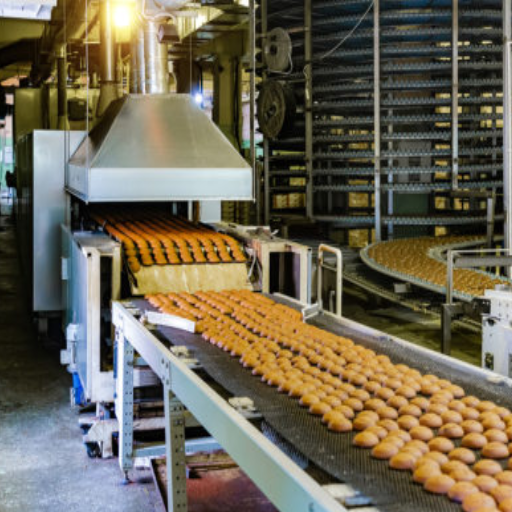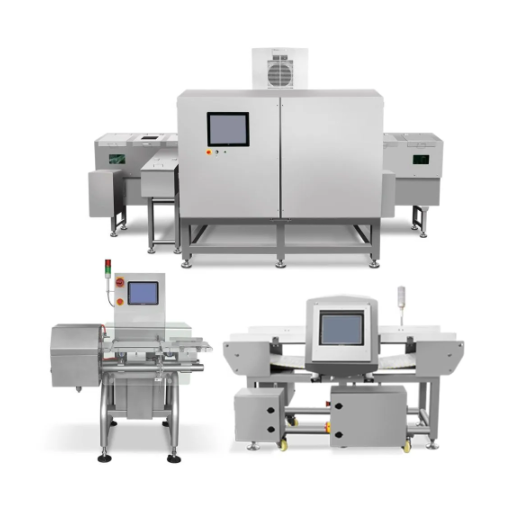
Food processing automation is the use of machines, sensors, and control systems to run food production steps, like mixing, extrusion, and packaging, with far less manual labor. It’s also one of the fastest-growing moves a food manufacturer can make: the global food robotics market is projected to grow from about 3.1billionin2025to3.1billionin2025to13.2 billion by 2035, according to market research.
Here’s the problem. For most plant managers, “automation” is still a confusing catch-all. Does it mean a robot arm? A fully hands-off production line? Something in between? The answer depends on a simple framework most vendors never explain clearly.
You already know your plant can’t run forever on manual labor. In the next few minutes, I will show you exactly what food processing automation means, the four levels you can buy, and which one fits a business your size. By the end, you will know how to talk to suppliers with confidence instead of guessing.
Key Takeaways
- Food processing automation runs production steps with machines and controls instead of manual labor, across mixing, extrusion, drying, and packaging.
- There are four levels: fixed, programmable, flexible, and integrated (Industry 4.0). Each trades flexibility against upfront cost.
- The biggest driver right now is labor, not just cost. US manufacturers could be short 1.9 million workers by 2033, and 43% of food and beverage leaders call labor their top challenge.
- Flexible automation, like multi-recipe extrusion with robotic changeovers, is the sweet spot for mid-sized snack, pasta, and bar producers.
- You don’t need to automate everything at once. Most plants start with packaging or one line segment and expand from there.
What Is Food Processing Automation?
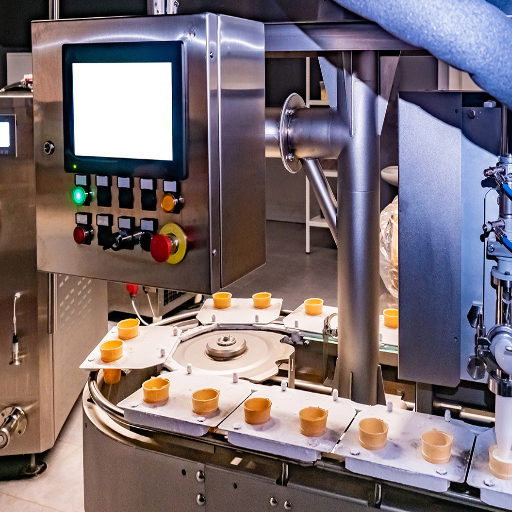
Food processing automation is the use of machinery, sensors, and control systems to perform food production tasks with minimal human intervention, from raw material handling through cooking and packaging. Think of it as a simple loop: sensors detect what’s happening, a controller like a PLC decides what to do, and an actuator, like a motor or valve, carries it out.
This is different from the automation you see in a restaurant kitchen or a consumer appliance. A bread machine is automation, but it is not industrial. Food processing automation is about production lines that run for hours at a time, holding consistent temperature, pressure, and portion sizes across thousands of units.
The real reason the term feels vague is that “automation” covers a spectrum. A single conveyor with a basic sensor is automation. So is a full turnkey line that mixes, extrudes, fries, seasons, and packages snacks with almost no operators. Understanding where your operation sits on that spectrum is the first step.
The 4 Levels of Food Manufacturing Automation
Automation isn’t one thing you turn on. It is a ladder, and each rung trades flexibility against cost. This four-level model is standard across industrial automation, as Balluff explains. Here are the four levels, in order.
| Level | Changeover Time | Best For | Relative Cost |
|---|---|---|---|
| Fixed (hard) | Days to weeks | One product, very high volume | Highest (dedicated line) |
| Programmable | Hours | Batch production, few recipe changes | Medium |
| Flexible | Minutes | Many products, frequent changeovers | Medium-high |
| Integrated (Industry 4.0) | Minutes, self-optimizing | Connected, data-driven plants | Highest (plus software) |
Fixed Automation (Hard Automation)
Fixed automation is built for one specific job, like filling a single bottle size or forming one snack shape. It is fast, reliable, and consistent, but it can’t adapt. Changing the product means a costly, time-consuming retool.
Best fit: a dedicated, high-volume line that makes the same SKU all day, every day.
Programmable Automation
Programmable automation uses electronic controls, usually a PLC, to switch between recipes and sequences. A corn puff line might change flavor, size, or cooking time through a program instead of a wrench.
Best fit: batch production where you make a few different products, but each in long runs.
Flexible Automation
Flexible automation handles frequent changeovers with little downtime. Robots with machine vision, servo-driven equipment, and recipe libraries let a line switch products in minutes rather than hours.
Best fit: mid-sized producers making many recipes, like snack, protein bar, or pet food plants that change products daily.
Integrated Automation (Industry 4.0)
Integrated automation connects the whole plant under one control system, with IoT sensors, cloud analytics, and sometimes predictive maintenance. The line doesn’t just run; it reports on itself and can flag a problem before it stops.
Best fit: plants ready to compete on data as much as output.
Ready to see how these levels play out on a real line? Explore our turnkey food production lines →
7 Benefits of Food Processing Automation
Why invest at all? These are the benefits manufacturers cite most, in rough order of impact.
- Consistency. Automation removes human variation, so every unit meets the same weight, shape, and cook spec.
- Throughput. Machines run longer and faster without fatigue, lifting output on the same floor space.
- Food safety. Less human contact with product reduces contamination risk, a growing regulatory focus.
- Labor resilience. Automation backfills roles that are hard to staff, rather than simply cutting headcount.
- Less waste. Tighter process control means fewer rejects and less rework.
- Traceability. Automated data logging gives you a record for audits and recalls.
- Energy and insight. Smart systems optimize energy use and give you data to improve over time.
The Napco Brands coffee plant shows what this looks like in practice. They added collaborative-robot palletizers across two lines and gained roughly 15% productivity, running 18 to 20 hours a day while reducing turnover and safety risk. According to packaging trade group PMMI, newer machines let one operator manage lines that used to need two or three people.
Food Processing Automation in Action
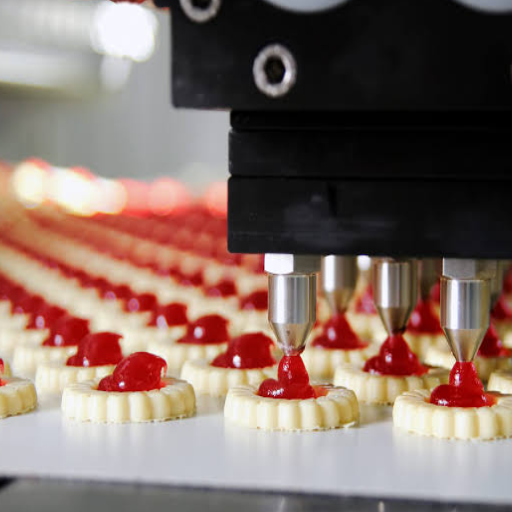
To make this concrete, here’s how automation shows up in the applications Shandong Loyal builds for.
Snack and Cereal Extrusion
Extrusion is one of the most automation-friendly processes in food. A turnkey snack line moves corn or rice through mixing, extrusion, drying, frying, seasoning, and packaging in one continuous flow. Programmable controls store recipes, so switching from a cheese puff to a plain one becomes a recipe change, not a rebuild. This is where flexible automation pays for itself fastest.
Pasta and Macaroni Lines
Pasta production is highly automatable because the steps are fixed: mix, extrude into shape, dry, cool, and package. A modern pasta production line uses automated drying tunnels and PLC-controlled extruders to hold consistent moisture and shape across thousands of kilograms a day.
Protein and Cereal Bars
Bars are where flexibility matters most. A plant might run chocolate, peanut, and oat bars in the same week. A protein bar production line with recipe libraries and servo-driven forming handles those changeovers in minutes, keeping output high even with many SKUs.
Bread Crumb and Biscuit Lines
Bread crumb and biscuit production rewards fixed and programmable automation. High-volume, consistent shapes mean a dedicated bread crumb production line or biscuit line can run near-continuously with minimal intervention.
Consider Priya, who runs a 40-person snack plant making four kinds of puffs. Two years ago, every recipe change meant stopping the line for six hours of manual adjustment. After moving to a programmable extrusion line with stored recipes, her changeovers dropped to under an hour. She now runs the same four products on one line, with two fewer operators, and ships orders a day faster.
Why Food Manufacturing Is Automating Now
Automation is not new. What changed is the math.
The labor shortage is structural, not a temporary dip. US manufacturing could need 3.8 million workers by 2033, with up to 1.9 million of those jobs unfilled, according to Deloitte and the Manufacturing Institute. The UK’s food and drink sector saw vacancies rise to 4.2% in 2025. And 43% of food and beverage leaders now call labor shortages a top challenge, well above the 30% cross-sector average, per Argon & Co.
At the same time, food safety regulation and ready-to-eat demand keep rising. More contactless processing means fewer contamination risks. And buyers want traceability, which manual paper records struggle to provide.
The result: automation is no longer a “someday” project. It is how plants keep running at all. The International Federation of Robotics counted 4.66 million industrial robots operating worldwide in 2024, up 9% in a year, with general industry, including food, now overtaking automotive.
Is Your Operation Ready for Automation?
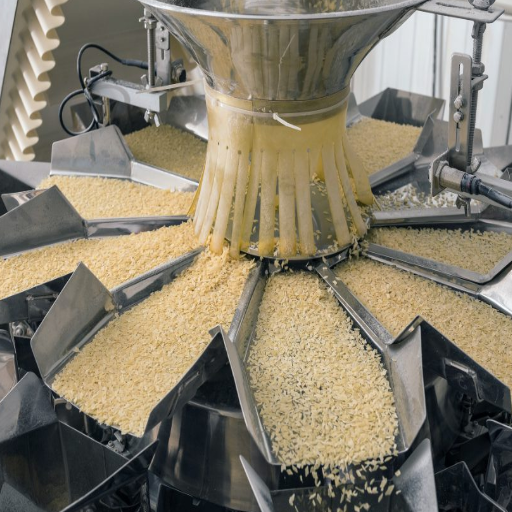
Automation is a tool, not a trophy. Before you invest, ask these four questions.
- What is your volume? Fixed automation only pays back if you run the same product at high volume for a long time. Lower or mixed volumes usually mean programmable or flexible.
- How often do you change over? If you change recipes daily, flexible automation is worth the premium. If you change rarely, programmable is enough.
- Where is your labor pain? Start with the station that is hardest to staff, not the one that looks most impressive. Packaging and palletizing are the most common first moves.
- What is your food safety exposure? More human contact with raw or ready-to-eat product means more reason to automate those steps first.
Miguel, a plant manager in Guadalajara, made the classic mistake. He bought a fixed automation line for a snack that was trending, only to see the market shift 18 months later. Retooling cost nearly as much as the original line. His second investment was smarter: a flexible extrusion system with recipe libraries. When the next trend hit, he was switching products in minutes, not months.
The question of cost and payback deserves its own article. In short, budgets vary widely by line type and capacity, and payback typically comes fastest from end-of-line automation. The key is to model labor savings, scrap reduction, and throughput together, not just sticker price.
Want to talk through what your specific product and volume actually need? Explore our customizable production lines →
Frequently Asked Questions
What is the difference between automation and robotics?
Automation is the broader category: any system that runs a process with minimal human input. Robotics is one tool within it. A robotic arm can pick, place, or palletize, but automation also includes conveyors, sensors, PLC controls, and software that no one calls a “robot.”
Is food processing automation worth the cost?
For most scaling manufacturers, yes, when the math is done honestly. The fastest payback comes from end-of-line steps like packaging and palletizing, often in 12 to 24 months. The key is to model labor savings, scrap reduction, and consistency together rather than judging the machine price alone.
Can small manufacturers automate?
Yes. Small plants rarely start with a full turnkey line. They automate the highest-pain step first, often packaging or a single mixing or forming station, then expand. Programmable automation is usually the right entry point because it costs less than flexible systems and still handles a few recipe changes.
What is Industry 4.0 in food processing?
Industry 4.0 is the connected, data-driven layer of automation: IoT sensors, cloud analytics, and predictive maintenance. It is the “integrated” level of the ladder. Most plants reach it gradually, adding connectivity after the core line is automated.
Conclusion
Food processing automation is not one machine; it is a spectrum with four levels: fixed, programmable, flexible, and integrated. Each trades flexibility against upfront cost, and the right choice depends on your volume, changeover frequency, and labor pain points.
The takeaway is simple. Start with the station that hurts most, usually packaging or one forming step. Choose the automation level that matches how often you change products. And treat the investment as a way to make your plant resilient to a labor market that isn’t going to fix itself.
That’s exactly what Shandong Loyal Industrial helps manufacturers do. With over a decade of engineering experience, CE-certified machinery, and turnkey lines trusted in more than 50 countries, we build systems that match your product and your scale, not a one-size-fits-all template.
Get a tailored quote for your production line → and tell us your production goals. We’ll design a solution around them.