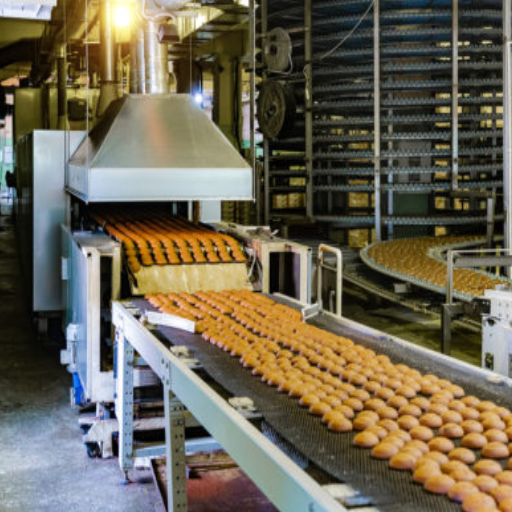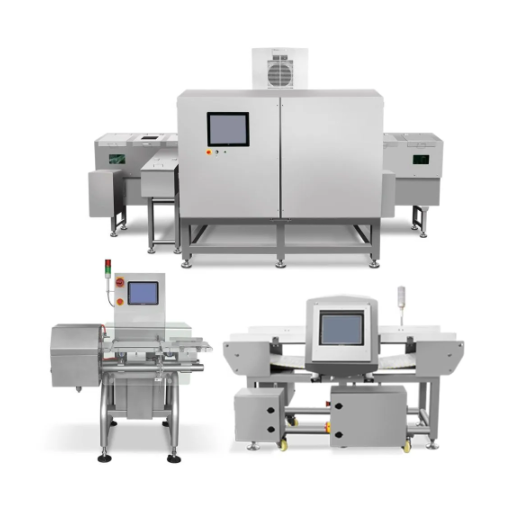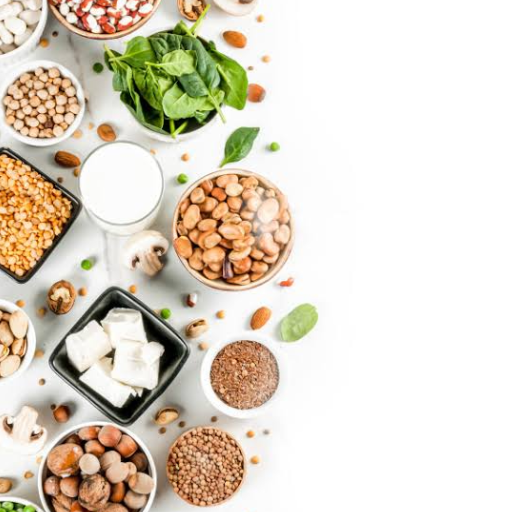
The popularity of health-focused snacks like protein bars has experienced tremendous growth, driven by health-conscious consumers and busy lifestyles. For companies wanting to capitalize on this expanding market, efficient, consistent, and large-scale production is essential. Modern protein bar machines present cutting-edge technology that facilitates bar making, ensures quality, and fulfills high demand. This comprehensive guide explores the energy bar industry, examining how modern equipment is transforming production processes, improving efficiency, and enabling companies to thrive in this competitive market. Whether you’re expanding operations or launching a new venture, you’ll discover valuable insights about selecting appropriate machines and implementing streamlined production systems.
Introduction to Protein Bar Manufacturing

Protein bar manufacturing involves creating nutritious, shelf-stable snack bars from ingredients like protein isolates, nuts, oats, and sweeteners. Production typically encompasses several stages including ingredient mixing, bar shaping or extrusion, coating, cooling, and packaging. Modern production relies heavily on efficient machinery that ensures consistent quality, high-volume output, and rigorous quality control. Key considerations include sourcing premium ingredients, adapting to dietary trends such as low-sugar or plant-based options, and maintaining strict adherence to food safety regulations. These elements are crucial for manufacturing protein bars that meet consumer demands and gain competitive advantage in the snack market.
📊
Overview of Protein Bar Production
Protein bar production consists of essential stages that guarantee quality and consistency. Initially, premium ingredients are carefully selected and blended to achieve the desired nutritional profile. The mixture then undergoes extrusion to create the proper shape, followed by coating and cooling when required to maintain structural integrity. Finally, bars are packaged according to the strictest food safety standards. Contemporary processes also accommodate dietary trends like plant-based or low-sugar options to align with evolving consumer preferences.
Importance of Bar Manufacturing Equipment
Bar manufacturing machinery serves as the foundation for production efficiency, consistency, and quality. Advanced equipment streamlines critical processes including mixing, extruding, coating, and packaging, enabling manufacturers to meet substantial demand while maintaining product standards. This machinery not only accelerates production but also adapts to diverse consumer trends such as gluten-free, plant-based, or low-sugar bars, ensuring compliance with industry standards and delivering products that satisfy market expectations.
Trends in Energy Bar Making
🌱 Plant-Based Innovation
Rising demand for plant-based, high-protein bars targeting health-conscious consumers and vegans
🏷️ Clean-Label Products
Growing consumer preference for minimal, recognizable ingredients and transparent labeling
💪 Functional Benefits
Bars enhanced with adaptogens, probiotics, or collagen to support overall wellness
♻️ Sustainability Focus
Eco-friendly packaging and ethical sourcing practices attracting environmentally-conscious customers
Industry Direction: Continued focus on health, innovation, and sustainability
Essential Equipment for Protein Bar Production
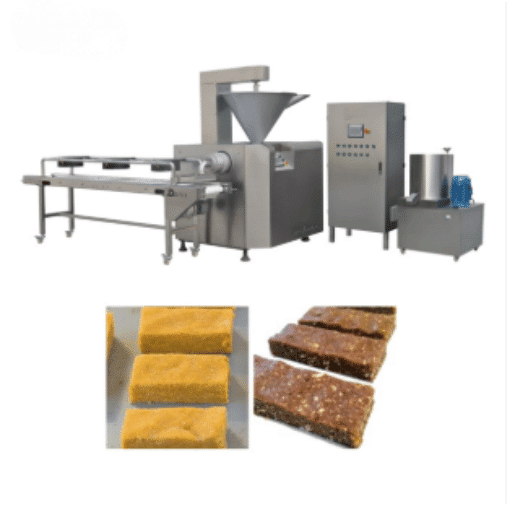
Producing high-quality protein bars requires specialized equipment that delivers precision, efficiency, and scalability. Below are the key machines essential to protein bar manufacturing:
1
Mixers
Mixers serve as the foundation for combining ingredients and achieving uniform texture. Industrial mixers are standard practice for large-scale production operations.
2
Extruders
Extruders shape protein bar dough into standardized forms and sizes, eliminating inconsistencies in product appearance and weight distribution.
3
Cooling Tunnels
Cooling tunnels help bars maintain their shape after forming, allowing proper setting while preserving structural integrity throughout the process.
4
Cutting Machines
Cutting machines divide bars into precise portions, ensuring each bar meets exact weight and size specifications for consistency.
5
Packaging Machines
Packaging machines handle rapid wrapping and sealing of bars, protecting them from contamination and extending shelf life significantly.
✓ This complete equipment lineup automates the entire production process, guaranteeing quality, consistency, speed, and efficiency
Types of Bar Making Machines
1. Protein Bar Machines
Specially designed to produce protein bars, handling all processes including mixing, forming, cutting, and packaging to deliver consistent, nutrient-rich bars.
2. Granola Bar Machines
Excel at processing granola mixtures, shaping them into bars with precision while maintaining the desired crunchy texture throughout.
3. Energy Bar Machines
Designed to handle dense ingredients efficiently, ensuring bars maintain uniform shape and size for high-performance energy products.
4. Cereal Bar Machines
Optimized for cereal-based bars, focusing on preserving cereal pieces intact during forming and packaging processes while maintaining speed.
5. Custom Bar Machines
Feature adjustable settings for accommodating various recipes and styles, enabling creation of unique bar shapes and ingredient combinations.
Functionality of Protein Bar Machines
Protein bar machines are engineered to streamline manufacturing processes through automation of essential operations including mixing, molding, cutting, and packaging. These machines produce items with consistent size and weight, resulting in superior quality output. They accommodate diverse ingredients and textures, from sticky protein mixtures to dry powders, with precise shaping control. Furthermore, most machines include integrated coating functions for applying chocolate layers, maximizing production efficiency while reducing manual labor requirements.
Overview of Energy Bar Manufacturing Equipment
Energy bar manufacturing equipment facilitates production and maintains uniformity throughout the process. Key machines include:
Mixers
Ensure even and thorough blending of all ingredients
Forming Machines
Shape bars with precision and accuracy
Cutting Systems
Deliver uniform bar sizes consistently
Coating Systems
Add required layers or finishes efficiently
Result: Lower production costs, reduced manual labor, and maintained quality standards while meeting demand efficiently
The Protein Bar Production Line

A complete protein bar production line represents a sophisticated system capable of producing premium-quality bars with exceptional consistency. The process typically encompasses mixing machines, bar forming equipment, baking (when necessary), cooling, precision cutting, and packaging. Equipment is designed for full integration, ensuring hygienic, rapid production while guaranteeing superior quality. Automated controls dramatically reduce human error while increasing total output, making it an excellent choice for large-scale mass production.
Components of a Bar Production Line
A typical bar production line comprises several major components working together to eliminate defects and maintain consistent quality:
1. Mixing Machines
Blend raw materials evenly for consistent texture and composition
2. Forming Equipment
Shape the mixture into uniform bars with precise dimensions
3. Baking or Cooling Systems
For bars requiring heat treatment or curing processes (when applicable)
4. Cutting Machines
Guarantee bars have exact dimensions and uniform appearance
5. Packaging Units
Wrap and seal bars, ensuring hygiene and prolonging shelf life
Role of Extruders in Bar Manufacturing
Precision and Uniformity
Extruders are essential for guaranteeing precision and uniformity throughout the production process, ensuring consistent texture and structure.
Versatile Shaping
Beyond mixing, extruders produce various sizes and shapes, enabling diverse designs while maximizing efficiency.
Waste Reduction
Optimized processing reduces raw material waste, improving cost-effectiveness and sustainability.
Optimizing the Bar Production Process
Refining the bar production process requires integrating advanced technologies and strategic improvements to boost efficiency and quality:
🎯 Advanced Technology
Utilize precision extruders and automation for major processes
📊 Real-Time Monitoring
Implement quality control systems to reduce errors and waste
🔧 Equipment Maintenance
Routine maintenance increases output and reliability
🌿 Sustainability Goals</h4
Optimize workflow to support cost-effectiveness and environmental objectives
Choosing the Right Protein Bar Machine

Selecting the ideal protein bar machine depends on your production goals, operational scale, and specific product requirements. Understanding key factors ensures you make an informed investment that aligns with your business objectives.
Key Factors to Consider in Selection
| Factor | Consideration Details | Impact |
|---|---|---|
| Production Capacity | Determine daily or monthly bar requirements | Prevents output overload or underutilization |
| Product Versatility | Ensure capability for various shapes, sizes, and ingredients | Enables diverse product lines |
| Automation Level | Consider labor resources and operational needs | Fully automated saves time; semi-automated offers flexibility |
| Ease of Maintenance | Select operator-friendly features with easy cleaning | Reduces downtime and enhances efficiency |
| Budget and ROI | Weigh initial costs against long-term benefits | Maximizes return on investment |
✓ Following these priorities ensures you select a machine that meets production goals and delivers consistent quality
Small Protein Bar Machines vs. Large-Scale Equipment
🏪
Small Protein Bar Machines
✓ Best For
Startups or shops with low production needs seeking cost-effective solutions
✓ Advantages
- Lower initial investment
- Requires less operational space
- Simpler cleaning procedures
- Faster recipe and design changes
- Greater flexibility for smaller batches
✓ Ideal Use Cases
New businesses, boutique brands, testing markets, limited production runs
🏭
Large-Scale Equipment
✓ Best For
High-capacity production requiring consistent quality at massive scale
✓ Advantages
- Superior efficiency at scale
- Lower production cost per unit
- Handles increased market demand
- Consistent quality output
- Better long-term ROI
✓ Ideal Use Cases
Established brands, mass production, national distribution, high-volume contracts
Decision Factors: The right machine choice is determined by production volume, available budget, and growth potential for your business.
Cost Analysis: Initial Investment vs. ROI
Cost analysis involves comparing initial capital investment against potential return on investment (ROI). Understanding this balance is crucial for making sound equipment decisions.
💰 Lower Initial Investment
Characteristics:
Less expensive machinery with lower upfront costs
Considerations:
May lead to higher operating expenses long-term and limited expansion capability
📈 Higher Initial Investment
Characteristics:
Advanced machinery requiring substantial upfront capital
Benefits:
Greater efficiency, reduced per-unit costs, increased revenue capacity, superior ROI
⚖️ Finding the Right Balance
The key is selecting equipment aligned with production needs, anticipated sales growth, and financial objectives to maximize return on investment. Consider both immediate budget constraints and long-term profitability goals when making your decision.
Reference Sources
1. CoPack Connect – U.S. Nutrition Bar Market & Contract Manufacturing Trends
Comprehensive overview of the protein bar market and the impact of contract manufacturers on meeting consumer demand.
Source: CoPack Connect Industry Analysis
2. Nutritional Outlook – How Nutrition Bar Manufacturers Compete
Analysis of competitive strategies employed by bar manufacturers, including utilization of state-of-the-art machinery to maintain market leadership.
Source: Nutritional Outlook Magazine
3. Maximize Market Research – Protein Bar Market Analysis
Detailed examination of rising protein bar demand and the critical necessity of upgrading production methods and technology.
Source: Maximize Market Research Report
4. YouBars Blog – 5 Reasons Why You Need A Protein Bar Co-Packer
Explores the advantages of engaging production services from co-packers equipped with modern manufacturing technology.
Source: YouBars Industry Blog
5. YouTube – Amazing Protein Bars Factory
Visual presentation showcasing the impressive processes and advanced machinery involved in modern protein bar production.
Source: YouTube Educational Content