Getting the ideal snack bar is a challenging task, which is comparable to walking through a general store’s crowded shelves where every item shouts with overdone slogans on energy and health. As life becomes more and more fast-paced, and the demand for snack foods that are easy to carry without compromising on nutrition increases, finding the best snack food becomes a priority. The purpose of this section is to look deeper into snack bars as one of the available foods discussing their ingredients, the nutrients contained therein as well as the health aspects that do or do not make any given snack bar healthy. Whether you need an energy booster after a workout, a light snack during the day, a healthy munch option while watching a gory movie, this chapter will provide the tools to help you decide what’s best for you.
Understanding Snack Bars
What is a Snack Bar?
A snack bar is usually small and wrapped up, and it is quite a delightful food highly on the go. Most of the times it is made with the use of oats, nuts’ and seeds’ clusters in sweetdried fruit and not so sweet versions of cereal bars and is available as a thick smooth body that is sheathes in plastic. Snack bars are sub meals as well as the most convenient food that can be snacked on in transit for busy consumers.
Mainly the objective of a snack bar is to offer appropriate macronutrients such as carbohydrates and essential lipids to any diet goal. Within some snack bars including high proteins intended to amplify muscles after exercises, there are few others which do not include any calories, sugar or carbohydrates in an attempt to control the weight of sedentary diets.
Moreover, snack bars in this category can include products like vegan, gluten-free or keto proteins among other varieties. It is interesting as it also highlights the increase in making targeted nutritional products for specific consumer needs. Due to their carry ability and health relevant content, snack bars have been able to cover or conquer many foibles associated with unhealthy eating habits.
Types of Snack Bars
There can be found several branches of snack bars, according to the basic elements used and also the purpose of such goods:
- Protein Bars: Here such bars are composed in such a manner that they will give energy to one’s muscles, and at the same time, a lot of proteins. Such bars are very often recommended to people who are sports enthusiasts or those following a balanced high-protein regime. Here, the proteins are usually in the form of whey proteins, or sometimes casein or even soy or pea protein, which are vegetable proteins.
- Granola Bars: Granola and energy bars are usually made from oats, nuts, seeds, and dry fruits homogenously compacted. The power bars are not too sweet and can easily be consumed whenever one is in need of energy. Though they do not specifically cater to macronutrient needs, these appeal to those who are more concerned with fibers and organic elements, wishing to have some healthy snacks.
- Meal Replacement Bars Annette: When it comes to the satisfaction that comes with eating, meal replacement bars can be identical to what is obtained from eating well. They are however meant to replace complete meals and they are packed with high calories and all the macro-nutrients – proteins, fats and carbohydrates necessary for the body. They are ideal for people on the move who do not have the time or wish to sit down and eat: in other words, the meal and its packaging fits in the palm of the hand.
- Energy Bar: Some members of the population do want a high energy snack which they will consume within a short time. In such cases, energy bars configured for this demographic may be offered instead. These carbs may include honey, dates and wholesome grains in addition to other items. These snack bars are usually consumed by people who are built for a marathon or those who are about to do some sort of endurance exercise.
- Health and Wellness Dietary Options: Specialty nutrition bars are specifically designed to address certain dietary needs and requirements. Within this category there are keto (high-fat low-carbohydrate diets), vegan, and gluten-free bars. These bars come in response to the growing need to meet the needs of peoples’ diets also referred to as chosen or required nutrition.
Different snack bars are quite functional, and knowing the categories is helpful for consumers to choose the suitable snacks for themselves.
Health Benefits of Snack Bars
Snack bars possess several for the health conscious consumer who is looking for functional food ‘on the run.’ Snack containing bars are described as five healthy aspects, in detail, as given below:
- Control Hunger And Rejuvenate The Body: Plenty of snack bars especially those with high content of complex carbohydrates and fibers offer energy at a very slow rate. This moderates the level of glucose in the blood and also preempts the body from going through a power slump. Equipments such as bars with quinoa or bars with oats through and through help the nonstop energy levels at least for 3-4 hours.
- Snacks With Nutrients: Most of the packaged snacks come with added nutrients which include vitamins and minerals, such as Vitamin D, Calcium, iron etc. A case study of packing packed, snacks that do wert, simple snacks, towards newer mas inspiration uses food functionalities efficiently and effectively. This includes, in utopia, the great company of packed elements who make it in transactional terms. Food has processed snacks that have been fort they make 20 other nutrition valued in certain categories
- Weight Control: High-protein snack bars are one way to increase saturation effect by managing hunger, thus reducing food consumption in the course of the day because that leads to lowering calories. For example, there is medical evidence supporting the use of bars with at least 10g protein for reducing fried food consumption and effective weight management in individuals on a diet including such bars.
- Active People: Snack bars can be easily carried and stored, hence they come in handy for people living hectic/busy/active lives. In particular protein bars and energy bars enable sports men to refuel for the next training session or help them to recuperate. The National Statistics Agency compiled the results of a fitness survey in 2018 which showed that snack bars were chosen by 75% of the athletes due to their usefulness and the availability of such products.
- Comfort in Eating: Dietary Restrictions With dietary variations, it is easier to plan meals over other drinks with these; snack bars. Snack bars come in gluten free, vegan, and keto friendly based snacks for a variety of consumers meeting the diverse nutrition levels. This is because researches have claimed 34% increase of the specific products in the snack industry within the last five years.
This information highlights the importance of snack bars as a very functional product in different ways since it helps individuals support their health goals while accommodating different lifestyle and dietary needs.
Ingredients in Snack Bars
Common Ingredients Found in Snack Bars
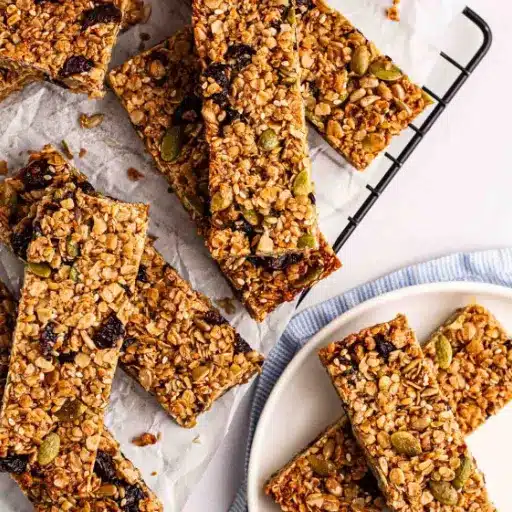
Snack bars are made with all these basic ingredients as well as some add ones to achieve culinary satisfaction with the tongue, eyes, nose, and nutritional content. Ingredients that are seen as basic grained ones include oats, quinoa, and brown rice as they consist of the major carbohydrate source and energy that is released slowly in addition to fiber. Almonds, walnuts, chia and flaxseeds fall under the category of nuts and seeds within which they have good fats, proteins as well as useful micronutrients such as omega three fatty acids and magnesium.
To add sweet, there are quite a number of snack bars which are sweetened using honey, maple syrup, or dates in order not only to bring out flavor but also to add into the product trace elements and antioxidants. Whey, pea, or soy protein powders are often used to further support such persons as increase the protein intake of the snack bars.
How about forming dried fruit such as raisins or both cranberry and apricots, which not only sweeten the dish but also add depth to it, and enhance the vitamins-loaded richness, such as vitamin C as well as potassium. Sweeteners – typically dark chocolate coatings, however, some confectioners also utilized yogurt – were used to increase consumer palatability, besides of course with dark chocolate being the most health sensitive, assessing their potential antioxidan usability.
For this purpose, binding agents and thickeners such as latex and dried chicory root are used whereby they hold the whole mixture together and increase the shelf life. In the end, manufacturers can include other extra additives such as preparing snack bars that are packed with beneficial bacteria, some adaptogenic herbs, and some super foods like spirulina and matcha to promote health rather than just fitness.
Analyzing Nutritional Content
Understanding the health benefits of food products through the nutritional composition of the product involves the assessment of macronutrient balance, micronutrient sufficiency, and even the presence of bioactive molecules. Proteins, carbohydrates, and fats—structural categories that build up all food products, account for energy supply. Protein requirements, however, should be fulfilled by efficient types such as whey, pea or soy protein isolate which assist in muscle preservation repair and metabolic activity. To this end, complex carbohydrates, in contrast to readily available sugars, provide prolonged energy as a result and help reduce blood glucose levels, and good fats for instance omega 3 fatty acids play significant roles in structure and function of the brain and the heart.
For instance, snack bars often cannot be regarded as healthy because they are loaded with simple carbohydrates, especially sugar. It is a common tendency that sugar in its free form is replaced with simple carbohydrates. As a result, the serving of snack means less serving and bust thus instead of entire snacking that is apparently considered more restrictive.
All vitamins and minerals are referred to as micronutrients. Generally, their analysis and relevant information is provided per serving food portion as required to avoid unwarranted nutrient content claims. For example, some of the most widely used supplements include calcium, vitamin D and iron as deficiency with these in certain population groups tend to be common. In addition to that, it is wide-spread that natural antioxidants are compounds such as phenolic acids, flavonoids, and carotenes.
In order to comprehensively evaluate one product’s nutritional quality, one may achieve a reliable component structural analysis by using a proper detection laboratory technique, such as chromatographic or mass-spectrometric methods. Such methods are comprehensive enough for the analysis of nutrient content in enrichments and toxic elements, thus enabling a wholesome portioning and any costly litigation over scrap of foodstuff. These systems allow proper management of contaminants and other applications with advanced food nutrients.
Wholesome Ingredients vs. Processed Options
Wholesome ingredients retain natural nutrients and promote health, while processed options often contain additives, higher sugar, and lower nutritional value.
|
Key Point |
Wholesome Ingredients |
Processed Options |
|---|---|---|
|
Nutritional Value |
High |
Low |
|
Additives |
None |
High |
|
Sugar Content |
Low |
High |
|
Fiber |
High |
Low |
|
Health Impact |
Positive |
Negative |
|
Examples |
Fruits, vegetables |
Chips, sugary cereals |
|
Satiety |
High |
Low |
|
Calories |
Moderate |
High |
|
Cost |
Affordable |
Often higher |
|
Shelf Life |
Short |
Long |
Taste Comparisons Between Popular Snack Bar Brands
Top Brands Reviewed
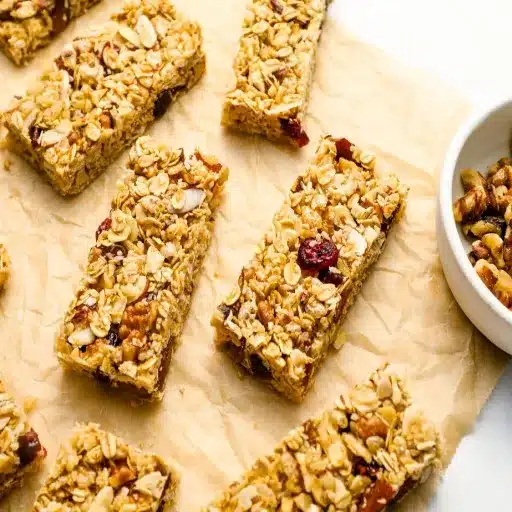
Top brands reviewed include: Power Crunch, Pure Protein, Quest, Barebells, RXBar, Aloha, Kind, Clif, GoMacro, and David.
Here’s a concise summary of the key points in a tabular format:
|
Brand |
Protein |
Calories |
Fiber |
Taste |
Key Feature |
|---|---|---|---|---|---|
|
Power Crunch |
13g |
250 |
1g |
Excellent |
Wafer-like texture |
|
Pure Protein |
20g |
200 |
1g |
Average |
Affordable |
|
Quest |
20g |
190 |
11g |
Good |
High fiber |
|
Barebells |
20g |
200 |
3g |
Excellent |
Candy-bar taste |
|
RXBar |
12g |
200 |
3-6g |
Good |
Simple ingredients |
|
Aloha |
14g |
230 |
6-10g |
Great |
Vegan-friendly |
|
Kind |
6g |
180 |
7g |
Excellent |
Crunchy texture |
|
Clif |
20g |
280 |
4g |
Good |
High carbs |
|
GoMacro |
10-12g |
270-290 |
2-3g |
Good |
Organic |
|
David |
28g |
150 |
Minimal |
Polarizing |
High protein |
Flavor Profiles of Leading Snack Bars
Snack bars have a broader appeal as their great variety has created a lot of options for the consumer. A lot of manufacturers of snack bars have funneled their attention into coming up with unique blends that deliver the right flavor, texture and nutritional content. Such flavors range from exceedingly sugary to very healthful. Toward this end, there are other examples that include bars with dark chocolate, nut butters or caramel in them which will be aimed at providing the taste of dessert, while those with seeds, oats and dried fruits steers towards more subtle and unrefined tastes. In addition, hybrid options that mix and match sweet and salty flavors have also sprouted in the market as the industries responded to the appeal for more intricate taste variations.
Specifically on branding, KIND snack bars quite often boast in their simplified form and provide open product labels that reflect the natural bearers’ appreciation. Examples may include flavors like “Dark Chocolate Nuts & Sea Salt” which are mostly principles of sweets meeting a little bit of silli that hones the content quite well as nutrient excess is avoided. On the contrary, Cliff Bars are well-loved for flavors and textures that inspire activity—Chocolate chip and Peanut butter banana, for instance—which have a wider range of users and from a performance standpoint, the brand delivers. Alternatively, brands focusing on minimalistic appeals like RXBAR do not include any flavoring agents and would include “Cinnamon Apple” and “Blueberry” which has lots of fruit and nuts and a combination of spices in a simple yet appealing way.
A reason to be wary is that market focuses, which ever influences flavor aspects of proferable femininity, and so does, effectiveness. It has been shown by research that there is an effort in the favor of ethics to offer more ethnic meals and more functional alternatives such as protein bars with adaptogens. Children seem to have an image of taste hegemony and expanding range through substituting matcha, or turmeric – or even roasting vegetables as a means of extending taste. There is a clear strategic aspiration, in such developments, to view their flavour and expand these markets, thus satisfying the sophisticated – factually, health-freak – tastemakers’ sensory and nutrition expectations. So brands are rolled out in the market without effort, forcing strategic brand managers to operate with new tactics in order to eliminate the top competitor.
Choosing the Right Snack Bar for Your Dietary Needs
Vegan Snack Bar Options
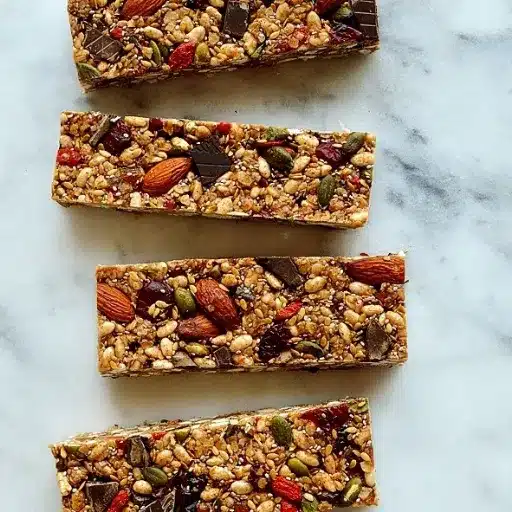
Vegan snack bars provide an array of advantages to customers who are striving for healthy, herby selections. Most of these bars are powdered using natural products including nuts, seeds, wholegrains, and dried berries that incorporate the required macronutrients e.g., fibers, good old fats and proteins of plant origin. Also to add, these powder bars tend to omit dairy, eggs, and other sourced from animals ingredients making them friendly rations for all those who have special requirements or leading factors to their consumption.
Recent studies confirm that there is an increased level of attention and effort devoted to creating vegan snack bars in a way that takes into account ecological efficiency principles and functionally nutritious aspects. As an example, filling the bar with, say, pea protein or hemp seed based ingredients, allows for muscle restoration and appetite management while still ensuring there is no animal protein make up. The current researches further reveal that in response to consumer demand and trends, such types of products are set to clean-label standards which is, to put it precisely, without artificial materials but instead with usable sugar states such as those of dates or agave syrup.
When choosing a vegan snack bar, what should worry a buyer the most other than the plant based nature of the snack? Factors such as protein content, sugar level, and the source of the ingredients should give unparalleled concern to anyone buying and consuming the vegan snack bar.
Gluten-Free Snack Bars
In recent years, more commercially oriented gluten free snack bars brands emerged to address the obvious demand for celiac disease or gluten sensitivity diets and the health consciousness of the general public. In essence, the production process avoids using wheat, barley, and rye and includes using substitute grains like quinoa, millet, or oats but gluten-free. The global gluten-free products market is anticipated to rise from 2023 to 2030 at a 9.8% compound annual growth rate (CAGR) according to recent market research findings, which is a stark indication of the demand.
Leaders of brands in this segment introduce creative solutions to suit a range of food preferences. High-protein snack bars, for example, are produced using vegan sources such as pea protein or almond flour for the vegan and athletic consumers. Moreover, the companies are enhancing their products by using healthier sweeteners like dates, honey or agave in consideration of health and wellness conscious consumers who want low-sugar and high-fiber varieties. Another recent trend is adding functional ingredients such as probiotics or adaptogens for improved gut health and stress relief.
To ensure the quality and origin of the products, labels like non-GMO and organic along with third party certifications like “Certified Gluten Free” have become mandatory. These authentication tests are responsible not only for the claims themselves, but also for ensuring that they are received by people who have a certain level of sophistication.
Protein-Packed Snack Bars for Active Lifestyles
Increased consumption of nutrient-rich food products which are easily accessible as well as the demand for them from fitness enthusiasts has led to the need for protein driven snack bars added to the meal plan of such individuals. Most of them contain high quality protein derived from Whey protein, soy protein or pea protein isolates which contains all the essential amino acids required for the sustenance of and growth of the muscle.
Rather than having the previously restricted use of protein bars, the recent product development has allowed it to have additional features. Some brands, for example, have optimized their products by including fiber in order to support the users" digestive system, while others have been revamped by the infusion of such chia, flaxseeds, nuts and other similar food products in order to enhance the nutrient content especially with regards to the omega 3 fatty acids. This has been coupled by another common feature in protein bars, which is making them a fit for different dietary requirements, such as ketogenic, vegan, paleo among others so as to meet a larger market.
In recent market analysis reports, the worldwide protein bar industry is expected to expand at a CAGR of around 6.9% over the forecast period 2023-2030 due to a growing consumer appeal towards well-being and functional foods. This is, in part, motivated by a growth in awareness of fitness levels and increased cases of protein malnutrition in some population groups. Development in food science and technology, including cold-pressed bars, has added to the variety of protein bar products by enhancing the overall nutrition contribution as well as deliciousness in these snack bars.
Embedding transparent standards in labeling and seeking compliance by securing available certifications such as the NSF Certified for Sport is an integral practice for preserving a brand’s reputation. Functionality in the way of evaluating a product is not only to prove in respect of the function of banned substances but also ensure the mean and standard deviation nutrition declared for athletes and fitness consultants of the product.
References
-
Springer: Food parenting and child snacking: a systematic review – This article provides insights into parenting styles and their influence on child snacking habits.
-
MDPI: Healthy snacks and drinks for toddlers: A qualitative study of caregivers’ understanding of expert recommendations and perceived barriers to adherence – A study discussing expert recommendations on healthy snacks, including granola bars.
- Click here to read more.
Frequently Asked Questions (FAQ)
Q: What exactly are snack bars, and in which instances can I have one?
A: Snack bars encompass convenience at its best: a food bar that aims to be consumed in between the main meals for purposes of energy, preventing hunger or diet. These bars make excellent options for a fast morning meal, a bite before or after a workout, or even in the afternoon while looking for something quick and satisfying.
Q: What is the health composition of most of these snack bars?
A: There are all sorts of snack bars with a wide range of contents; some use pure food components like nuts, seeds, and fruits while some others are produced with excessive amounts of sugars. Check out those bars that have lesser ingredients, whole foods components, restrained sugars, and are labeled beneficial for any content with fiber or protein.
Q: What’s the way to go about choosing the right snack bars that offer the highest protein per gram content?
A: The option of purchasing high-protein snack bars may also be provided. Manufacturers of such snack bars clearly indicate in the description of the bar whether or not protein content exceeds a certain level, usually 8-12 grams per serving, and the protein source such as whey, soy, milk protein isolate, pea protein blend, or nuts. If the bars are rich in both protein and fiber, this could help you feel fuller longer and aid muscle recovery following a workout.
Q: Can I buy any snack bars if I am on certain health diets (vegan or gluten-free or keto)?
A: Definitely – various companies carry out snack bars that fit within certain dietary guidelines. Vegan snack bars include plant-based protein sources such as pea or rice, they do not have dairy, gluten-free snack bars have either gluten-free oats or grains, and keto snack bars adhere to low carbohydrate allowance and use sugar alcohols or non-nutritive sweeteners. Remember to confirm the ingredients and certifications for the product for assurance.
Q: Is it possible to substitute meals with snack bars?
A: In emergencies snack bars would work well because of the protein, healthy fats and fiber that these snacks owe. But you see, you can not just eat bars because there is no variety there and while that’s okay with snacks once in a while to fill your sack, that is not a place for replacement meals in a balanced diet.
Q: What are the labeling aspects that I need to be keen on when buying a snack bar?
A: The major ones include sugar content in some cases broken down into added sugars and protein nutrition value and also fiber amount and quality of raw materials i.e. are they whole foods or have additives and calorie density and any allergens if present. Bars with too many things you do not understand or with high concentration of sugars that you want to avoid in a non-Junk lunch package.
Q: Can whole-food snacks such as fruits or nuts be more advantageous than snack bars?
A: It is convenient to use snack bars since they have sufficient proteins as well as other nutrients and are portioned while sparing you time. This however is not always right since fruits and raw crops when eaten whole have more nutrients available and are least processed. One may conjoin a piece of fruit or even hand full of nuts together with the bar so as to strike a compromise between the two.
Q: So, where should I keep the snack bars for them to stay fresh?
A: Keep snack bars in a cool place and in a dry area, free from sunlight rays. Some bars can last long on the shelves while some higher moisture content or those not containing preservatives are best kept in the refrigerator. It’s important to store as per the instructions on the package as well as check the shelf life for each product.