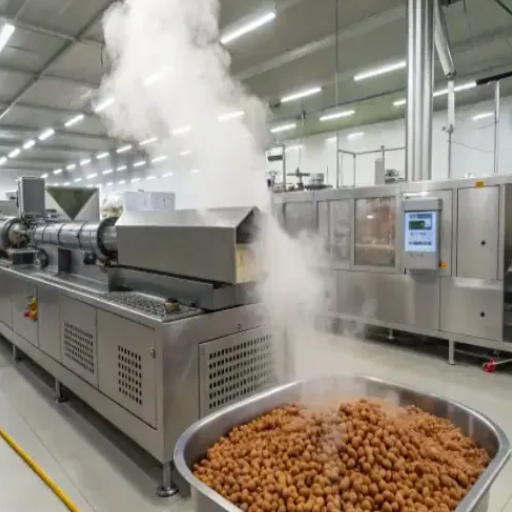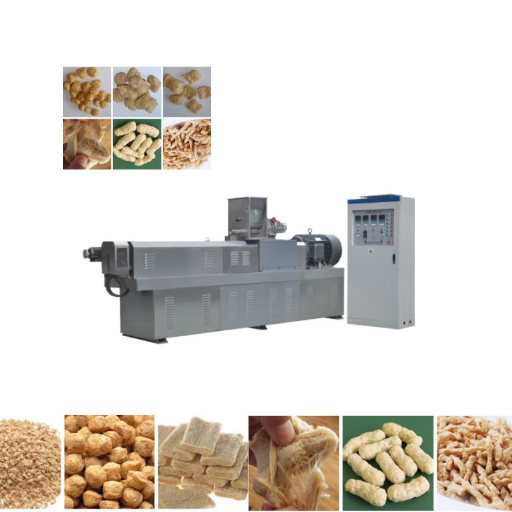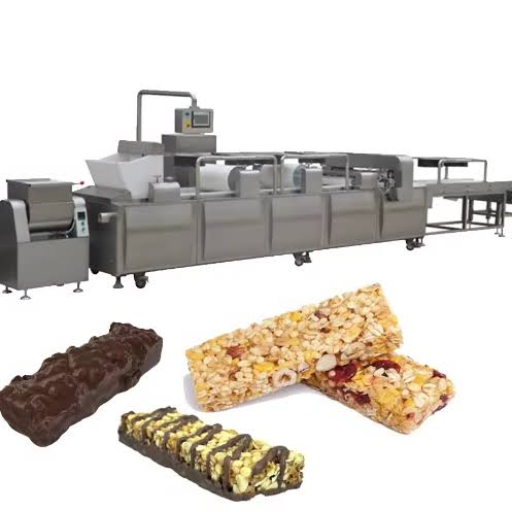
Biscuits rank among the most beloved snacks worldwide, delighting people across all ages and cultures. But have you ever wondered about the intricate processes behind manufacturing these delightful treats in massive quantities? Biscuit production represents a fascinating blend of science, cutting-edge technology, and skilled craftsmanship that transforms simple ingredients into the crispy, flavorful bites we all enjoy. This comprehensive guide takes you deep into the world of biscuit manufacturing, examining each production stage, the sophisticated machinery involved, and the critical factors ensuring consistent quality and taste. Whether you’re an industry professional, a food enthusiast, or simply curious about how your favorite biscuits are made, this detailed resource will provide thorough insights into the advanced practices that deliver perfect baking results.
Introduction to Biscuit Production
Overview of Biscuit Manufacturing
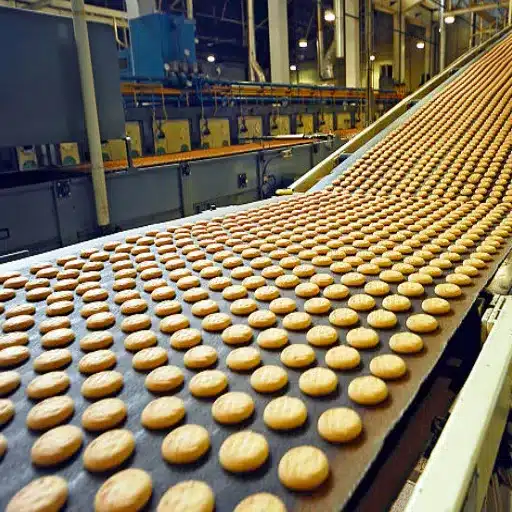
Biscuit manufacturing follows a methodical, multi-stage process where each phase plays a crucial role in achieving perfect harmony of taste, texture, and quality. The journey begins with ingredient preparation, where primary raw materials—flour, sugar, fats, and leavening agents—are carefully weighed and combined. Once these ingredients are thoroughly mixed, dough forms and is subsequently cut or shaped according to the desired biscuit type.
The forming and baking phase comes next. Prepared dough gets cut or molded into specific shapes before passing through precisely temperature-controlled ovens. During baking, the dough undergoes critical chemical transformations that give biscuits their distinctive characteristics and flavor. After baking, biscuits cool gradually—a process that preserves structural integrity while maintaining desired crispness.
Finally, proper packaging proves essential for maintaining freshness and extending shelf life. Biscuits are sealed in moisture-proof materials that prevent contamination and moisture loss. Rigorous quality control procedures monitor every production step, ensuring the finished product meets both consumer expectations and industry standards. This carefully orchestrated sequence reveals the complexity and dedication inherent in biscuit manufacturing.
Importance of Efficient Production Lines
Every manufacturer strives for smooth, cost-effective production, making efficient production lines indispensable. These systems maximize output by reducing idle time and streamlining operations, enabling manufacturers to meet high consumer demand while delivering consistent product quality. Efficient systems also minimize waste, promoting environmentally responsible production while reducing overall operational costs.
Key Benefits of Efficient Production Lines
- ✓ Enhanced Workplace Safety: Automation handles repetitive or hazardous tasks, reducing injury risk while freeing workers for more valuable responsibilities
- ✓ Early Problem Detection: Advanced machinery identifies and resolves issues before they escalate into costly breakdowns
- ✓ Competitive Market Edge: Faster processing and shipping increase customer satisfaction
- ✓ Market Adaptability: Optimized processes enable manufacturers to respond swiftly to changing market demands and trends
Types of Biscuits: Hard vs. Soft
Understanding the fundamental differences between hard and soft biscuits is essential for proper production planning and equipment selection.
| Type | Texture | Moisture | Fat/Sugar | Shelf Life | Production Method |
|---|---|---|---|---|---|
| Hard | Crisp | Low | Low | Long | Rolling, Cutting |
| Soft | Tender | High | High | Short | Molding, Extrusion |
The Biscuit Manufacturing Process
Ingredient Selection and Preparation
Top-quality ingredients form the absolute foundation of successful biscuit production, profoundly influencing the final product’s flavor, texture, and overall quality. Primary components include flour, sugar, fats (such as butter or shortening), leavening agents, and various flavorings. Additional ingredients like milk powder, eggs, or chocolate chips may enhance flavor or create specific characteristics depending on the biscuit type. Ensuring ingredient freshness and proper storage maintains quality standards and consumer satisfaction.
Following careful ingredient selection, precise measurements ensure accurate proportions in every batch. Flour typically undergoes sifting to remove lumps and impurities, while sugar may be ground into finer powder for even mixing. Fats are softened or melted according to recipe requirements, facilitating smooth blending with other ingredients. Temperature and humidity receive close monitoring throughout this process, as both significantly impact ingredient quality and dough development.
💡 Professional Preparation Tips
- Pre-mixing or blending dry ingredients before adding liquids ensures even distribution of leavening agents
- Large-scale industrial operations utilize sophisticated automated systems to minimize manual labor and reduce errors
- Proper preparation at this stage establishes the foundation for achieving desired texture, flavor, and durability
Mixing: The First Step in Biscuit Production
Mixing represents a critical phase in biscuit production, directly influencing final product quality. Key ingredients—flour, sugar, fat, water, and leavening agents—combine to create dough with proper consistency. The mixing process ensures uniform component distribution, affecting dough consistency as well as biscuit texture and strength. Precise measurements and adherence to specified mixing times prove essential; overmixing develops gluten, creating tough dough, while insufficient mixing produces uneven texture and poor quality.
Two primary mixing methods dominate biscuit production: batch mixing and continuous mixing. Batch mixing suits small to medium-scale operations, offering greater control over individual dough batches. Conversely, continuous mixing serves large manufacturers, providing consistent, efficient production. Continuous systems employ state-of-the-art equipment maintaining accurate measurements and control throughout, ensuring minimal batch-to-batch variation. Temperature control during mixing remains critical, as excessive heat compromises dough performance and affects final product taste and appearance.
Modern Mixing Innovations
Contemporary biscuit production increasingly relies on technological advancements optimizing the mixing process. Automated systems equipped with sensors and advanced analytics ensure ingredient proportions, mixing times, and temperatures maintain precise parameters. These innovations enhance consistency and quality while contributing to sustainability through optimized ingredient usage and waste minimization. Manufacturers blending traditional methods with modern technology produce high-quality biscuits meeting growing consumer demand through efficient practices.
Forming and Shaping: The Role of Biscuit Making Machines
Biscuit making machines occupy central positions in the forming and shaping stages of production. These devices streamline dough processing, producing desired forms with exceptional precision and uniformity. Modern machines incorporate advanced technologies—rotary molding, extrusion, and lamination—enabling manufacturers to create biscuits of varying shapes, textures, and sizes. Beyond facilitating automated processes, biscuit making machines produce aesthetically pleasing designs and patterns meeting diverse market preferences.
Contemporary biscuit forming machines utilize programmable settings and integrated sensors ensuring production accuracy. Rollers and molders feature precise control mechanisms allowing manufacturers to adjust biscuit thickness, weight, and size effortlessly. Many machines incorporate robotics and artificial intelligence, enabling self-adjustment or troubleshooting during operations. This reduces required human labor while significantly decreasing errors or inconsistencies, yielding higher quantities of perfectly shaped biscuits. Additionally, automation accelerates turnaround time, allowing manufacturers to supply large product volumes—particularly critical in the competitive snack food industry.
🌱 Sustainability in Shaping and Forming
Biscuit making machinery significantly addresses sustainability in the shaping and forming process. Some machines feature systems recycling excess dough, preventing waste. Additionally, energy-efficient motors and materials reduce production costs while advancing sustainability goals. These developments ensure quality and consistency while helping the industry adopt environmentally responsible practices. Biscuit making machines combining cutting-edge technology with traditional methods continue transforming production processes, opening the food manufacturing sector to innovation and sustainability.
Machinery in Biscuit Production Lines
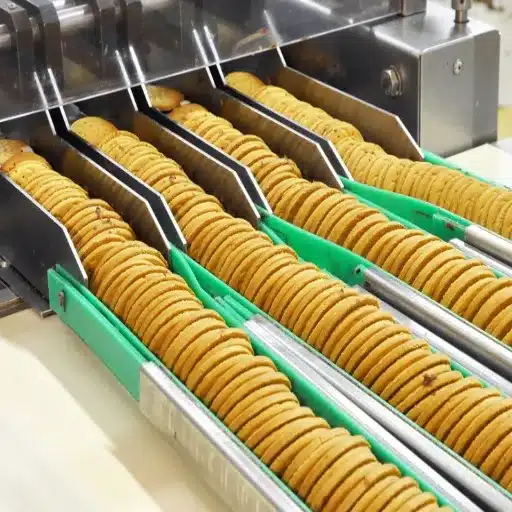
Types of Biscuit Making Machines
Biscuit production lines incorporate various specialized machines handling different process stages. Each machine type serves specific functions critical to overall production efficiency.
1. Dough Mixers
Dough mixers blend ingredients to achieve desired texture and consistency for biscuit dough. Modern mixers feature advanced control options and variable speeds, accommodating diverse recipe requirements from minimal to extensive mixing needs.
2. Forming Machines
This machinery transforms dough into various forms—round, square, or intricate cookie designs. Rotational molders and wire-cutting devices commonly achieve identical shape and size during forming operations.
3. Ovens
Baking occurs in tunnel ovens or rotary ovens designed for perfect heat distribution and energy efficiency. Many modern ovens incorporate temperature control systems and automated monitoring maintaining consistent quality results.
4. Cooling Equipment
After baking, biscuits require gradual cooling preventing cracks or deformation. Cooling conveyors and spiral cooling systems provide constant airflow and temperature control during this critical period.
5. Packing Machines
Packaging machines preserve biscuit freshness through proper sealing. Flow wrappers or tray packers accommodate specific production capacities and varying operational requirements.
Recent advancements in biscuit production machinery have eliminated much manual labor through data-driven controls and reduced power consumption, making modern production lines highly efficient and eco-friendly. These improvements accelerate turnover while guaranteeing consistent product quality—critical factors in high-stakes food manufacturing environments.
Automatic Biscuit Production Line Overview
An automatic biscuit production line represents a fully integrated system streamlining the entire production process from dough preparation through final packaging. These lines typically contain several major components: mixing machines, automatic dough feeders, rotary molding or cutting systems, convective baking ovens, cooling conveyors, and robotic packing units. Contemporary lines feature PLC-based controls and IoT-enabled systems providing manufacturers with real-time monitoring and production adjustments for maximum efficiency and precision.
Modern automatic biscuit production lines prioritize sustainability and energy efficiency. Advanced baking systems incorporate heat recovery mechanisms achieving tremendous energy consumption reductions. Moreover, modular construction allows producers to scale production based on demand or specialized biscuit types without time-consuming reconfiguration of entire lines.
🎯 Quality Assurance Enhancement
Data-driven features in contemporary production systems enhance quality assurance. Advanced sensors and AI-based analytics guarantee consistent product dimensions, weight, and texture by identifying and correcting defects during production. This precision reduces waste while increasing overall productivity, keeping brands competitive in the global market.
Key Features of Industrial Biscuit Machines
Industrial biscuit-making machines are engineered to deliver high efficiency, precision, and flexibility in biscuit production. Understanding these features helps manufacturers select appropriate equipment for their operations.
High Production Capacity
Machines produce thousands of biscuits hourly, meeting large-scale production demands. Speed and output adjust according to production requirements.
Versatile Dough Processing
Advanced dough sheeting, mixing, and rolling systems process all dough types—from soft to hard—enabling diverse biscuit shapes and textures.
Precision Baking Technology
Modern ovens ensure even heat distribution and precise temperature control, resulting in perfect color, texture, and taste through consistent baking.
Automated Quality Control
Integrated sensors and image recognition systems monitor production real-time, detecting shape, size, or structural defects while minimizing human error.
Energy Efficiency
Modern machines feature energy-saving technologies like heat recovery and optimized power usage, reducing operational costs and environmental impact.
Easy Maintenance & Cleaning
Hygienic components and modular designs facilitate maintenance and food safety compliance. Quick-clean features minimize downtime between production runs.
Customization Capabilities
Machines enable brand logo embossment and specialized biscuit production with creams or fillings, allowing considerable customization for varied consumer preferences.
Smart Technology Integration
IoT connectivity enables remote monitoring, predictive maintenance, and data analysis, contributing to constant optimization and higher productivity.
These combined features make industrial biscuit machines essential for efficient, large-scale biscuit production while maintaining exceptionally high product quality and consistency.
Quality Control in Biscuit Manufacturing
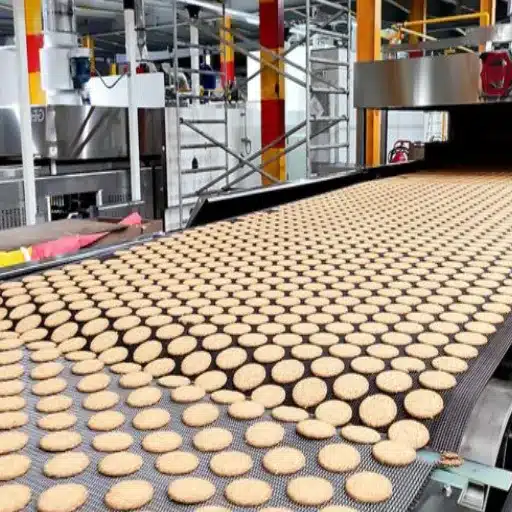
Importance of Quality Assurance
Quality assurance represents the cornerstone of biscuit production, ensuring every product remains safe, consistent, and flavorful. Manufacturers conduct continuous quality control checks achieving compliance with industry regulations while meeting customer expectations. Through accurate ingredient measurements, excellent hygiene practices, and consistent baking procedures, manufacturers prevent defects while maintaining market-preferred quality standards.
Technological innovations have dramatically advanced quality assurance in manufacturing. Automated inspection systems employing high-resolution cameras and sensors instantly detect defects—cracks, discoloration, or misshapen pieces. Data from these technologies helps producers identify production line weaknesses, correct mistakes, and optimize entire processes. This not only reduces waste but achieves significant cost savings by enabling uninterrupted high-quality biscuit production.
📋 Food Safety Standards
Adherence to food safety certifications and standards like HACCP (Hazard Analysis Critical Control Point) and ISO 22000 remains paramount. These frameworks provide systematic approaches for identifying hazards and implementing preventive measures. Combining state-of-the-art technologies with constant standards compliance, manufacturers build trust among retailers and consumers, enhancing brand loyalty and reputation.
Methods for Testing Biscuit Quality
Ensuring biscuit quality requires comprehensive evaluation assessing various attributes—texture, taste, appearance, and shelf life. Several testing methods deliver reliable, consistent results:
1. Physical Testing
Physical tests examine characteristics like weight, size, thickness, and hardness. Devices such as texture analyzers assess biscuit crispness and breaking strength, confirming compliance with intended specifications.
2. Chemical Analysis
Chemical methods determine moisture content, fat composition, and acidity. Techniques like gas chromatography and spectrophotometry verify nutritional content while ensuring food safety measures meet regulatory requirements.
3. Sensory Evaluation
Human taster panels prove indispensable for evaluating biscuit taste, aroma, texture, and overall acceptability. Trained tasters provide manufacturers with insights on organoleptic traits—the product’s consumer appeal.
4. Shelf-Life Testing
Accelerated shelf-life tests under controlled conditions determine biscuit durability and freshness. These tests help anticipate environmental factors—humidity and temperature—affecting future biscuit quality.
5. Packaging Integrity Tests
Tests including seal strength testing and vacuum leak detection ensure airtight sealing and contamination prevention, as packaging quality critically maintains product quality.
Applying advanced technology alongside expert sensory analysis produces high-quality biscuits meeting customer demands while conforming to industry standards.
Improving Efficiency and Throughput
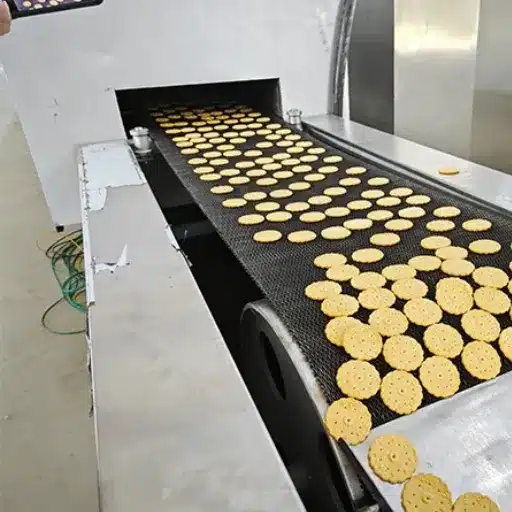
Optimizing the Biscuit Production Line
Maximizing biscuit production requires manufacturers to leverage cutting-edge automation technologies and implement data-driven decision making. Automated machines—dough sheeters, rotary molders, and high-speed ovens—substantially reduce labor costs, ensure uniform products, and minimize production errors. Additionally, IoT-driven real-time monitoring systems provide essential data about equipment performance and production metrics, enabling swift production adjustments for productivity optimization.
📊 Key Performance Indicators (KPIs)
Data analytics play crucial roles in identifying production line bottlenecks and improvement opportunities. Monitoring essential KPIs provides manufacturers opportunities to eliminate non-value-adding processes while increasing overall output:
- Cycle Times: Measure duration of complete production cycles
- Yield Rates: Track percentage of acceptable finished products
- Overall Equipment Effectiveness (OEE): Comprehensive metric combining availability, performance, and quality
Adopting predictive maintenance prevents equipment breakdowns by foreseeing machine problems and addressing them before escalation, thus preventing production interruptions. Through technology integration and commitment to continuous improvement, biscuit manufacturers achieve higher efficiency levels while maintaining product standards and meeting market demand.
Technological Innovations in Biscuit Manufacturing
The biscuit-making process has transformed dramatically in recent years, primarily through automation and new digital technologies. Modern factories increasingly employ high-speed production lines featuring sophisticated sensors and robotics, accelerating processes while improving uniformity. Automated systems minimize human error, achieving precision in dough mixing, cutting, and baking. This accuracy enhances product quality while significantly reducing waste, helping manufacturers achieve profitability through sustainability alignment.
Industry 4.0 technologies represent another notable advancement, with IoT and AI being most significant. IoT connects machines and equipment throughout the biscuit-making process, enabling real-time data collection and performance monitoring. Analyzing this data identifies production rates, bottlenecks, and workflow improvement areas. AI and IoT combination reduces implementation time while guaranteeing consistent quality. Production meeting demand creates genuinely smarter, more flexible environments.
🌍 Energy-Saving Technologies
Manufacturers explore innovative energy-saving technologies for environmental regulation compliance while meeting sustainability-conscious consumer expectations. Major baking technology introductions include:
- Hybrid ovens minimizing energy consumption without affecting product quality
- Energy-efficient baking systems with optimized power usage
- Renewable energy sources like solar or wind power reducing carbon footprints
These developments reduce operational costs while positioning biscuit companies as industry leaders addressing environmental concerns—a critical factor in contemporary consumer trust.
Case Studies of Successful Biscuit Production Lines
Case Study 1: Sustainable Initiatives in Biscuit Manufacturing
A major biscuit company implemented energy-efficient ovens and renewable energy sources across multiple production lines. Switching to modern heat recovery systems achieved 25% energy savings while maintaining production quality control. Additionally, solar panels installed on facility roofs reduced fossil fuel energy usage by 30%.
Results: Lower energy costs and enhanced brand image among environmentally conscious consumers.
Case Study 2: Automation Driving Productivity
A global biscuit company transitioned completely to highly automated robotic systems handling all operations from ingredient mixing through packaging. This move minimized human errors, yielding 15% increased production. Automatically running quality control testing machines throughout production prevented defects early, eliminating 20% of total waste.
Results: Productivity gains enabled increased production capacity, timely market supply, and reduced operational costs.
Case Study 3: Localized Production for Regional Needs
A medium-sized biscuit maker succeeded by introducing regional production lines designed entirely according to local consumer tastes and preferences. Using local suppliers and establishing small-sized production units near markets reduced transportation costs by 40% while cutting delivery waiting times by 25%.
Results: Minimal environmental impact, strong consumer connections, increased brand loyalty, and 18% total sales growth.
These cases demonstrate how new technologies, environmental friendliness, and strategic planning serve as main factors improving biscuit production performance while fulfilling modern consumer requirements.
References
-
Study on Total Quality Management Procedure on Shree Pashupati Biscuit Industries Pvt. Ltd.
This study explores the production and packaging processes in a biscuit factory, focusing on quality management. -
The Design of Hazard Analysis Critical Control Point (HACCP) Plan for Biscuit Plant
This paper discusses the implementation of HACCP in biscuit production, identifying critical control points in the manufacturing process. -
Quality Assessment of High Energy Biscuits (HEB) Products in Bangladesh
This research evaluates the quality and process capability of biscuit production, providing insights into production standards and challenges.
Frequently Asked Questions (FAQ)
Q: What is the connection between a biscuit factory production line and the biscuit manufacturing industry?
A: A factory biscuit production line represents the entire biscuit making process where all machines and tools work together transforming raw materials into various biscuit types. The complete cycle includes mixing, sheet forming, molding, baking (with oven temperature control), cooling, packaging, and quality checking. The biscuit industry relies extensively on this production line as automation makes the entire process more efficient.
Q: What are the components of a complete large-scale biscuit production line?
A: Complete large-scale biscuit production lines typically include dough mixers, dough sheeters, rotary biscuit presses or cookie machines, sandwich biscuit assembly units (for sandwich and cake types), ovens, cooling conveyors, automated packaging machines, and control systems. These manufacturing machines are usually constructed from 304 stainless steel ensuring hygiene and durability, supplied by manufacturers specializing in automated, high-quality biscuit production.
Q: How do soft and hard biscuit production lines differ?
A: Soft biscuit production lines employ gentler dough handling, lower baking temperatures, and special baking profiles producing soft textures for cake biscuits. Hard biscuit production uses firmer dough, higher baking temperatures, and less pliable dough-making machines. While both systems often appear in fully automatic biscuit making machine lineups, each requires different biscuit making equipment and process controls for optimizing production output and product quality.
Q: Can small biscuit making plants scale up to mass automated biscuit production?
A: Absolutely. Small biscuit making plants can scale up by purchasing automated production lines—fully automatic biscuit presses and modular cookie production line units. Transitioning from small to large-scale mass production becomes possible by upgrading the biscuit production line with superior equipment and production ovens, thereby improving production capacity.
Q: What biscuit varieties can a versatile biscuit factory production line produce?
A: Modern biscuit factory production lines possess versatility producing various biscuit types: sandwich biscuits, soda biscuits, hard and soft biscuits, and different cookie sizes and shapes. Lines handle diverse biscuit and cookie products through adaptable biscuit processing technology and equipment, thus expanding production line factory production ranges.
Q: How significant is selecting the correct manufacturer for biscuit production line machines?
A: Choosing the correct manufacturer for biscuit production lines determines long-term company profitability. Dependable biscuit production line manufacturers provide reliable cookie making machines, production ovens, after-sales support, customization for sandwich or soft biscuit production requirements, and food production standards compliance. This impacts production output, efficiency, and overall return on investment in the manufacturing industry.
Q: What do automation and fully automatic biscuit making machines contribute to production efficiency?
A: Automation and fully automatic biscuit making machines create seamless, efficient biscuit production through reduced manual labor, improved uniformity, higher output, and continuous operation capability. Integrated automated biscuit production features—dough handling, continuous baking, automatic sandwich biscuit assembly, and packaging—raise production capacity while establishing quality control for high-quality biscuit production.
Q: What are the main materials and hygiene factors to consider when purchasing biscuit production line machines?
A: When purchasing biscuit equipment, prioritize materials used (particularly 304 stainless steel for contact parts), easy cleaning capability in biscuit processing, sanitary design complying with food safety standards, and durable construction for continuous operation. Proper materials and hygienic design maintain food production regulation compliance while ensuring high-quality biscuit production for various biscuit types.
Conclusion
Biscuit production represents a sophisticated blend of traditional craftsmanship and modern technological innovation. From ingredient selection through final packaging, every stage demands precision, quality control, and commitment to excellence. The evolution of biscuit manufacturing—marked by advanced automation, energy-efficient systems, and data-driven optimization—continues transforming the industry while meeting growing global demand.
Successful biscuit manufacturers recognize that investing in state-of-the-art production lines, maintaining rigorous quality standards, and embracing sustainable practices are not merely competitive advantages—they are essential requirements for long-term industry success. As consumer preferences evolve and environmental consciousness grows, the biscuit manufacturing sector must continue innovating while preserving the delightful taste and quality that make biscuits universally beloved.
Whether operating small-scale artisanal production or large industrial facilities, understanding the comprehensive processes, machinery, and quality control measures outlined in this guide provides the foundation for achieving manufacturing excellence in the dynamic world of biscuit production.