The extruded snack manufacturing space is as dynamic as it is competitive, with consumer demand for new, high-quality snacks being extremely high. Equipment choice is a critical factor in this process, which could literally make or break the establishment of any production line. The right machinery is not only about meeting production targets but also about efficiency, consistency, and capacity to adapt to market trends. This blog post will present the essential points for selecting an appropriate extruded snack production equipment, focusing on key aspects such as utility, scalability, and technological enhancements. Whether you have been in the industry for years or are just beginning in this field, this article has been written with your benefit in consideration to give you the edge needed to make an informed decision in this fast-moving industry.
Understanding Extrusion in Snack Production

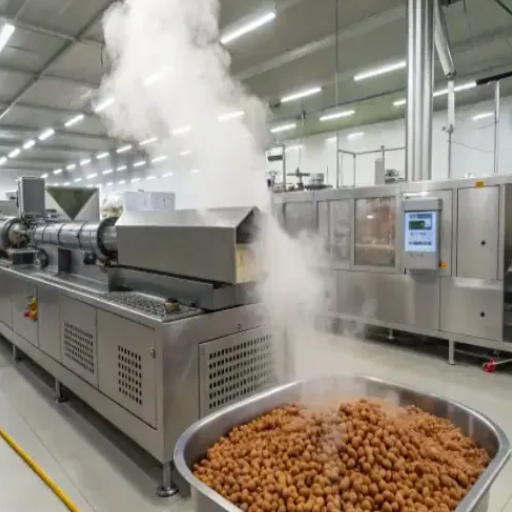
Extrusion is a snack production method in which raw ingredients are forced through an extruder into various snack shapes and textures. The heat, pressure, and mechanical energy are used to cook the ingredients and form the desired final product. Since extrusion is highly versatile and capable of producing snacks that range from crunchy chips to puffed cereals, it has great selling points. The parameters of the extruder can be varied, allowing manufacturers to adjust the size, texture, and flavor, ensuring that the final products are consistent and of high quality.
What is Extrusion?
Extrusion is a highly efficient process in which materials are shaped and processed by forcing them through a specialized die. Initially and traditionally developed for plastics and metals, extrusion has found primary applicative use in the food industry for the making of various snacks, pet foods, pasta, and cereals. It is a production formation with heat, pressure, and mechanical shearing to cook and mold ingredients into predetermined shapes and textures. Extrusion offers virtually endless product possibilities, allowing for careful modification of product parameters, such as size, density, and flavor. Especially with recent technological advancements, extrusion systems are now leveraging data-driven approaches and analytics to maximize production efficiency and minimize waste, while tailoring product quality to meet consumer preferences and standards.
Benefits of Using an Extruder Machine in Snack Manufacturing
- Consistent Product Quality:
The extruder machines impart consistency in texture, shape, and flavor while upholding snack quality to meet consumer expectations. - The Improved Efficiency:
These extruder machines expedite the production process thereby lowering manufacturing time while raising output levels, without diminishing product standards. - Versatility:
Extrusion machinery processes a scratch-the-surface variety of snacks from cereals, chips, to puffed snacks. - Wastes Less:
With an extruder, raw material wastage can be minimized by controlling ingredient variation and processing conditions, thereby optimizing resource utilization. - Customization and Innovation:
Extruder machines enable easy customization of snack formulations, flavors, and designs, allowing for innovation on existing products to follow market trends.
Types of Extruders for Snack Foods
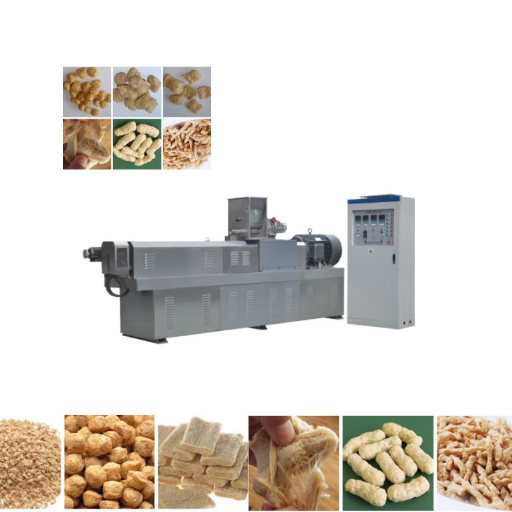
There are mainly three types of extruders for snack foods: single-screw extruders, twin-screw extruders, and co-rotating twin-screw extruders.
Key Considerations for Selecting a Snack Extruder

- Types of Foods:
This involves identifying the type of snack that needs to be prepared, as different kinds of extruders are designed for working with specific textures, shapes, and ingredient requirements. - Production Capacity:
This is used to check the capacity of the extruder, ensuring a guaranteed production volume and, consequently, maintaining quality. - Efficiency and Cost:
Here one has to take into consideration the running costs, efficiency of power use, and other related matters in order to assess the cost-effectiveness of the extruder. - Maintenance Simplicity:
One should consider an extruder that is easy to maintain, allowing for reduced downtime and a longer lifespan. - Flexibility and Versatility:
It is crucial to choose an extruder that can process multiple recipes and manufacture products of various types to keep pace with market trends.
Assessing Production Capacity and Output
Evaluating capacity and output is crucial when selecting an extruder to ensure it can meet business needs. Throughput must be examined because it determines the number of snacks that can be manufactured within a specific duration. Manufacturers should consider both their current production needs and potential expansions to avoid outgrowing their equipment at a rapid pace. Additionally, there must be consistency in the output product with respect to its size, shape, and texture, as the extruder will produce large volumes at once. These extruders come with multiple settings, allowing for the adjustment of production rates as needed to meet market dynamics. A careful analysis of production capacities and output makes it easier for businesses to decide on equipment that meets their production goals, not only for the present but well into the foreseeable future.
Evaluating Material Compatibility for Extruded Snacks
When selecting an appropriately sized snack extruder, compatibility with materials is a key concern, as it ensures the quality of labeled products and operational efficiency. The raw materials used in snack extrusion, ranging from cereals and starches to proteins and fibers, should interact effectively with the extruder’s design and operation. Critical criteria will definitely include the moisture content, particle size, and thermal stability of the materials, as these factors affect the actual extrusion process and ultimately the texture and structure of the extruded products. Additionally, it would be crucial to investigate whether the extruder can accommodate specific formulations, such as gluten-free or high-protein mixes, without compromising its performance or output. A comprehensive study on compatibility materials will help select an extruder that meets the product’s specifications and the production design parameters.
Understanding Machine Specifications and Features
Choosing a snack extruder is a process that nearly always involves a careful analysis of the features and specifications that would best meet production needs. Some of the key characteristics to consider include the capacity versus the volume of output required to meet demand, as well as the power consumption versus the operating expenses generated by the equipment. Its design and flexibility should ideally align with the kind of versatility demanded for the product, such as the capacity to make different forms of snacks, textures, or nutrient profiles. Other features that contribute to operational efficiency and long-term performance are automation capabilities, ease of cleaning, and the durability of parts. A thorough evaluation of these criteria will enable the selection of a machine that optimally balances quality, consistency, and productivity in the snack manufacturing process.
Popular Applications of Snack Extruder Machines

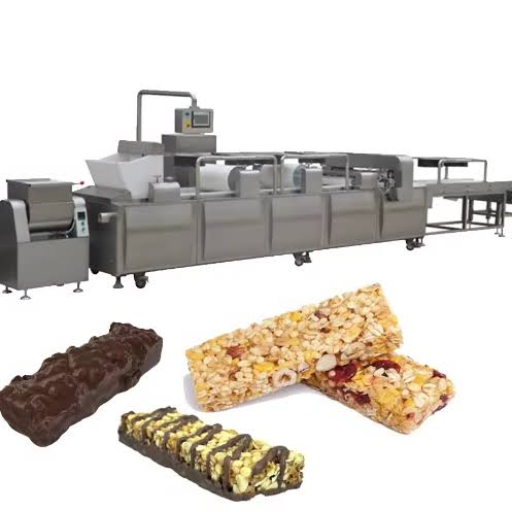
Snack extruders are widely used in the manufacturing of various popular snacks, including puffed snacks, breakfast cereals, extruded pasta, and pet foods. They allow for the production of different shapes and sizes, as well as various flavors. Those who request specific shapes and sizes will be provided with those shapes and sizes. The machines are also most frequently applied in preparing fortified, health-oriented snacks to ensure that quality and tailored nutritional profiles are maintained.
Production of Puffed Snacks and Corn Puffs
Puffed snacks and corn puffs are made in snack extruder machines by applying heat and pressure to process raw ingredients, such as maize, rice, or wheat. In extrusion, the mix is pushed through a die, cutting it into the desired shape, and then suddenly releasing pressure, causing it to puff. After being puffed, the snacks are either seasoned or coated with flavors for palatability. This method makes sure that the product has consistency in texture, shape, and quality and also offers high production efficiencies.
Using Extruders for Rice and Corn Snack Production
The extruder, a very versatile machine, is used to turn raw materials into orderly, puffed, or shaped rice and corn snacks. First, rice and corn snacks are made by mixing milled grains with water until a dough-like consistency is achieved. This mixture is then fed into an extruder, where it is cooked under higher pressure and temperature. Through a die at the extruder’s end, the material is molded into the snack’s size and shape. Upon exiting the die, the rapid drop in pressure causes the product to puff or expand. The drying or baking is done to take out moisture and buy in that crispy crunch, while the snacks can be seasoned or flavored afterward to taste. Under this method, such products can, of course, be produced in large quantities without compromising quality.
Innovative Snack Creations with Extrusion Technology
Extrusion technology played a crucial role in driving the revolution in snack production by enabling the creation of a wide variety of foods tailored to consumer preferences. This process enables snack manufacturers to produce snacks of various shapes, textures, and flavors by adjusting ingredients and extrusion conditions. Some examples of these snacks are puffed snacks, multi-grain chips, and plant-based protein snacks. Extrusion also enables the incorporation of functional ingredients, such as vitamins, minerals, and fiber, to meet the demand for healthy snacks. In its versatility and efficacy lies the power of innovation and adaptability to changing market trends within the snack industry.
Maintenance and Operational Challenges of Extruder Machines

Extruder machines operate within a variable, maintenance-intensive, and operationally demanding environment that must be carefully managed. Over time, certain parts such as screws or barrels wear out, or become subject to inefficiency; and for the smooth operation of extrusion, regular inspection and replacement become compulsory. Calibration holds significance in preserving the product’s quality; unintentional deviation within calibration could indeed affect the end product. Another barrier for operations might be clogging or buildup of residues, making cleaning a must at regular intervals. Further concerns arise from the high power consumption and operational costs, necessitating a greater emphasis on process optimization and energy efficiency. Staff is consequently given relevant practical training concerning these machines to reduce downtime and provide a seamless working flow.
Common Issues Faced During Snack Production
- Ingredient Quality Variations – Quality variations in raw materials lead to inconsistencies in flavor, texture, and overall appearance of their products.
- Machine Malfunctions – An unforeseen breakdown in machinery or technical interference in the production process can cause delay or may lead to reduced efficiency and product rejection.
- Incorrect Packaging – Labeling and sealing errors can compromise the safety, freshness, or regulatory compliance of products.
- Contamination Risks – Cross-contamination or poor sanitation can severely jeopardize the safety of a food product, leading to a recall.
- Temperature Variations – Poor temperature control during storage or processing has a detrimental effect on product quality, shelf life, and safety.
Preventive Maintenance Tips for Food Extruder Machines
- Regular Inspection and Cleaning – Frequent inspections of the machine components should be conducted to identify any wear and tear. Cleaning the extruder thoroughly is essential to prevent the deposition of residue that could impair performance or contaminate the product.
- Lubrication of Moving Parts – Lubrication needs to be applied to all moving parts, such as material handling gears and bearings, to reduce friction and prevent them from overheating and wearing out prematurely.
- Replacement of Worn Components – Constant vigilance of screws, barrels, and other critical parts for any damage or wear must be kept so that their replacement can be carried out without delay for the good working of the machine.
- Calibration and Alignment Checks – The machine’s alignment and calibration must be checked at regular intervals to ensure it is operating on the correct settings for the product consistently.
- Employee Training – Ensuring good training of operators on the operation and maintenance of the machine regularly will mitigate human error and improve longevity of the machine.
Optimizing Efficiency in Snack Extrusion Processes
Especially for snack extrusion processes, protocols that maximize efficiency involve ensuring that the equipment remains fully maintained and calibrated for precise operation. To maintain product quality and minimize waste, I closely monitor the production parameters and adjust them as needed in real-time. At the same time, I place a strong emphasis on team training under the scope of machine operation and best practices to be employed for attaining consistent results. Using such strategies yields a win-win situation for both productivity and high-quality products.
Industry Trends in Snack Extrusion

The snack extrusion industry is currently undergoing a series of key changes driven by shifting customer preferences, aimed at enhancing production efficiency. Inventions that promote health are gaining momentum, including high-protein and low-fat extruded snacks, as demand for better-for-you varieties increases. Sustainability being a key consideration, producers are also engaging in energy-efficient equipment and looking for alternative raw materials which are environmentally friendly. Automation and innovative technology now fully automate production operations, offering complete process control and minimal wastage as key advantages. Additionally, there are developments in shapes, textures, and flavors to meet the needs of different world markets while also providing scope for innovation and differentiation in the snacks industry.
Sustainability in Snack Production and Equipment
Sustainability in snack production is setting the tone for technical innovations at all levels of the process. Manufacturers are utilizing renewable energy sources, such as solar and wind, to power their factories while also reducing their carbon footprint. Dovetailing with these efforts are advances in packaging design that underscore biodegradable, recyclable materials so that the environmental downgrading of snack packaging waste is lessened. Cooperation with smaller farmers and ethically sourcing ingredients also ensures that raw materials are grown in a manner that maintains ecological balance. These efforts demonstrate how the industry takes environmental responsibility seriously and also reflects the growing consumer demand for environmentally friendly goods.
Emerging Ingredients and Their Impact on Extrusion
Extrusion with emerging ingredients such as plant proteins, ancient grains, and alternative starches has had a significant impact on product development and processing methods. Plant proteins, such as those extracted from peas and lentils, help enhance the nutritional value of extruded snacks and promote sustainable production possibilities. Ancient grains, such as quinoa and amaranth, offer unique textures and flavors that cater to evolving consumer demand. Alternative starches offer enhanced functionality in terms of binding properties, which would otherwise rely on conventional fillers. Although these ingredients open up avenues for innovation, manufacturers must make appropriate adjustments in their processing parameters, such as temperature and pressure, to achieve extrusion quality and consistency. This emerges as one future vantage point where emerging ingredients are shaping the flour of extruded food brands.
The Future of Snack Machines: Automation and Technology
This is a significant area undergoing evolution with the changing industrial scenario with automation and innovative technology. With the advent of Artificial Intelligence (AI), vending machines can analyze consumer patterns and predict inventory needs, while suggesting customized products that customers might want to buy. Furthermore, with the advent of touchless payment options and machine life monitoring, the entire user experience and the operator’s job have become easier. Now, manufacturers might even consider robotics to enable two-way product personalization (or a variant of a modification stage) for tasks such as preparing fresh snacks on demand. Through these technologies, consumer experiences can be enriched and technical maintenance optimized, while reducing waste, all of which unfolds clearly as snack machines evolve into intelligent, context-aware systems.
Reference Sources
-
Definitive Guide to Snack Extruder Machine Sourcing for B2B – This guide provides insights into sourcing snack extruder machines, including options and considerations for B2B buyers.
-
Top Food Manufacturing Machinery Suppliers – A resource for comparing certified suppliers of food manufacturing machinery, with tips on certifications and quality checks.
-
Filled Snack Production by Coextrusion-Cooking – A scientific article discussing the modeling and production of filled snacks using coextrusion-cooking techniques.
-
Ultimate Guide to Snacks Making Machinery – Loyal – A comprehensive guide to snack-making machinery, detailing the components and processes involved.
-
Manufacturing Process of Extruded Snacks – A resource explaining the manufacturing process of extruded snacks, including the use of multi-functional extruders.
Frequently Asked Questions (FAQs)
What is a snack extruder machine?
Snack extruder machines are industrial equipment used in food processing to manufacture a wide variety of snack foods, including puffed corn, puffed rice, and crackers. Using controlled heat, moisture, and mechanical methods, the machine processes raw materials such as corn and rice into snack foods that can be consumed directly.
How does an extrusion machine work?
Ingredients such as dough, corn, or rice are introduced into a hopper in an extrusion machine. Then, under the motor’s pressure, the raw mixture travels through the barrel, where it encounters high pressure and temperature, which together cook the raw mix. This extrusion process cooks the material while allowing it to expand and take the shape of the product as it exits the extruder die.
What are the benefits to use a food extruder machine?
There are several benefits of using a food extruder machine, mainly increased production efficiency, uniform product shapes, and the ability to produce a variety of snack types. Depending on the flavors and ingredients added, it may have many diverse applications throughout the snack food industry.
Does a snack extruder produce popcorn?
Yes, a snack extruder can indeed be used in the production of popcorn. The machine works very well in the processing of corn kernels by applying correct heat and pressure to achieve that desired puffed texture. This is an efficient approach that can be integrated with other processes in a continuous production line.
How to Install a Snack Extruder Machine?
The installation includes the movement and setting up of the machine in a place selected within the food processing plant, where such equipment can be helpful to the operation, connecting the machine to a proper power supply, aligning the discharge system so that it operates properly, and adjusting production flow to the best efficiency possible.
How does the automatic snack extruder improve the efficiency of production?
The automatic snack extruder enhances production efficiency by operating continuously across all process stages, from mixing to product extrusion, with minimal human intervention. This reduces labor costs and improves output while maintaining consistent quality.
Ready to elevate your snack production? Choose the right extruder equipment today and transform your manufacturing process!