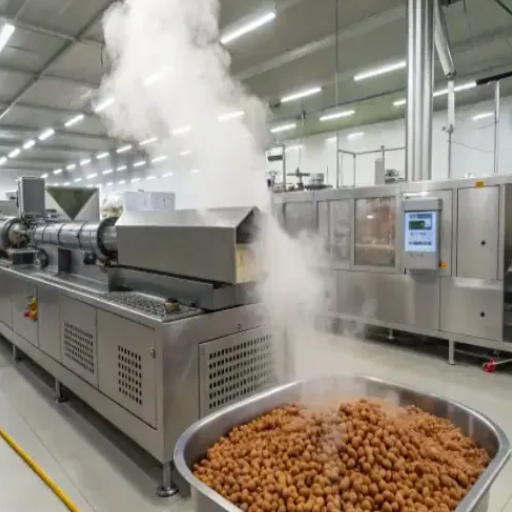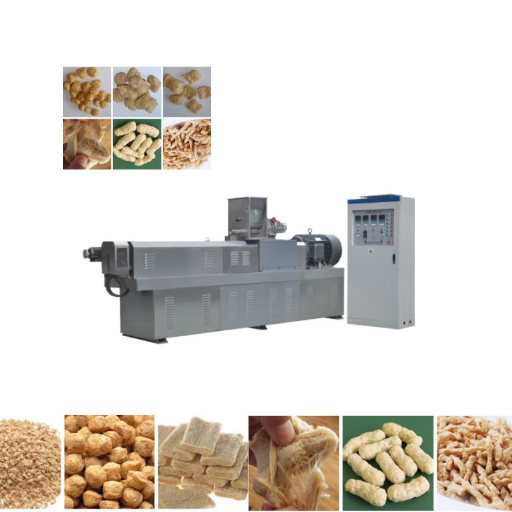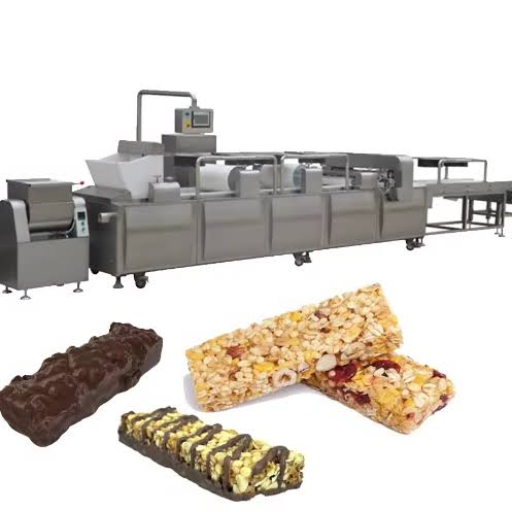
The decision regarding the right equipment for the production of cookies and crackers itself is quite a crucial one in the long run from the point of view of efficiency, product quality, and uniformity of results. If you are a skilled manufacturer or just a newcomer in the sector of baked goods, then the selection of the best machine can significantly affect your production capacity and profits. This paper gives a detailed explanation of the essential features of cookie and cracker manufacturing equipment with special reference to the major factors, novel technologies, and typical problems to be aware of. At the end of the presentation, you will know clearly how to choose wisely in accordance with your marketing objectives and positioning your enterprise for continuing success.
Understanding Cookie Production Machinery
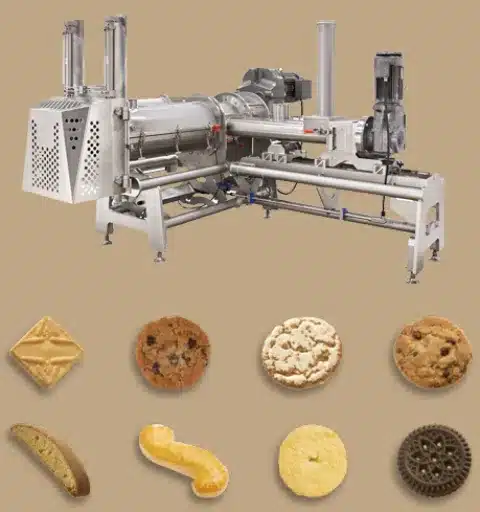
The machinery used in cookie production is designed to perform the entire cookie-making process, including human intervention, while maintaining the same consistency and quality as if done by hand. The main parts are mixer machines for the ingredients, sheeting machines for the dough, depositing machines for the right amount, and ovens for baking at the right temperature. It would be best to choose machinery that allows scalability, high productivity, and easy maintenance in accordance with your production capacity. Also, consider purchasing equipment with the latest technology, such as digital controls, which will not only allow for greater versatility and accuracy in manufacturing but also lead to the best results with less manpower and reduced overhead.
Overview of Cookie Machines
There are different types of cookie machines, each aimed at making a particular aspect of the cookie-making process easier. The wire-cut machines cut the cookies into exact shapes, which makes them suitable for large-scale production. The rotary molding machines stamp the dough with complex patterns and creative designs, which means no two batches are alike. The depositor machines make it possible to shape even the softest and runniest of doughs, allowing for the production of different types of cookies. Many contemporary machines come with automated control systems that will enable operators to easily adjust settings for recipe changes while maintaining the same quality and efficiency. It is these technological breakthroughs that, in the end, streamlined the production process, improved output quality, and made the different scales of manufacturing more flexible.
Types of Cookie Production Equipment
The main types of cookie production equipment include mixers, depositors, rotary molders, wire-cut machines, ovens, cooling conveyors, and packaging systems.
| Equipment | Purpose | Key Feature | Output |
|---|---|---|---|
| Mixers | Mix ingredients | Uniform mix | High |
| Depositors | Shape dough | Customizable | Precise |
| Rotary Molders | Form shapes | Consistent | Efficient |
| Wire-Cut | Cut dough | Sharp cuts | Versatile |
| Ovens | Bake cookies | Even heating | Reliable |
| Cooling Conveyors | Cool cookies | Gentle flow | Durable |
| Packaging | Pack products | Speed | Protective |
Key Features of Cookie Manufacturing Machines
- Efficiency – Machines of this kind are designed to optimize the production process by saving time and labor while maximizing output.
- Precision – They provide accuracy and control in shaping, cutting, and baking, producing equal-sized cookies without any variance.
- Customizability – A variety of machines can be modified to conform to specific recipes or production requirements, accommodating a wide range of cookie designs and types.
- Durability – The equipment is made from high-quality materials, allowing it to be heavily used in large manufacturing operations without breaking down.
- Hygiene Standards – The newest machines are constructed with food-grade materials and have easy-to-clean designs, thus guaranteeing that they will meet even the strictest hygiene regulations.
Essential Components of a Cookie Production Line
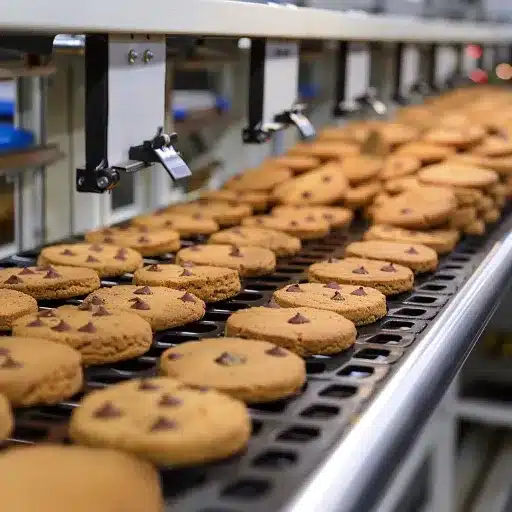
A line for cookie making comes with a few main parts normally, that help to get the output done fast and uniformly:
- Mixing Unit – For mixing the ingredients and making one dough.
- Forming Machine – Puts the dough into cookie shapes and sizes that are liked.
- Oven – With the proper temperature settings, it bakes the cookies perfectly.
- Cooling Conveyor – It is the place where the cookies cool down slowly after baking.
- Packaging Machine – It is the one that gets the finished cookies ready for either storage or distribution.
These parts work together seamlessly to produce a large quantity of cookies of the best possible quality.
Mixers and Their Role in Dough Preparation
In the cookie-making process, mixers are of utmost importance during the initial steps. They take charge of mixing the different ingredients like flour, sugar, butter, eggs, and enhancers, and produce a unified and even dough. Excellent quality mixers ensure the ingredients are mixed thoroughly, allowing the cookies to maintain their uniformity and texture. Today’s industrial mixers are of high technology and precision with the ability to control speed, mixing time, and temperature precisely. These features prevent overmixing or undermixing, ensuring the dough achieves the proper structure for baking. Besides, through the optimization of dough preparation, mixers not only enhance the quantity but also improve the quality of the final product.
Depositors: Choosing the Right Type
The choice of the correct depositor for a cookie production line depends on the types of cookies that are going to be manufactured as well as the production capacity that is wanted. For the production of standard drop cookies, a servo-driven depositor provides the utmost accuracy and uniformity, giving the same shapes and sizes. Wire-cut depositors work best with the heavy doughs, making the process of creating forms very easy. In case of filled cookies, a dual capability depositor can take care of the outer layer and filling at the same time. It is crucial to consider factors such as production speed, product variation requirements, and ease of operation when selecting a depositor to optimize efficiency and maintain product quality.
Ovens and Baking Systems for Optimal Baking
Ovens are the main element in a cookie manufacturing line that directly affects the texture, flavor, and overall quality of the final product. Today, tunnel ovens are commonly used in cookie production because they are designed for constant, uniform baking at significant volumes. These ovens provide excellent temperature management which enables the application of differences in airflow, humidity, and heat transfer in various baking zones to get the same result for many types of cookies.
The heat distribution and faster baking times, achieved through key advancements in oven technology like convection and hybrid heating systems, are making the process more efficient and reducing energy consumption. Moreover, innovative baking systems with real-time data monitoring are empowering manufacturers to make adjustments during the process, ensuring optimal performance, reducing waste, and maintaining quality. When selecting ovens for a cookie production line, factors such as production capacity, compatibility with various dough formulations, and the desired degree of automation should be discussed and assessed with great care.
Considerations for Selecting Cookie Production Equipment
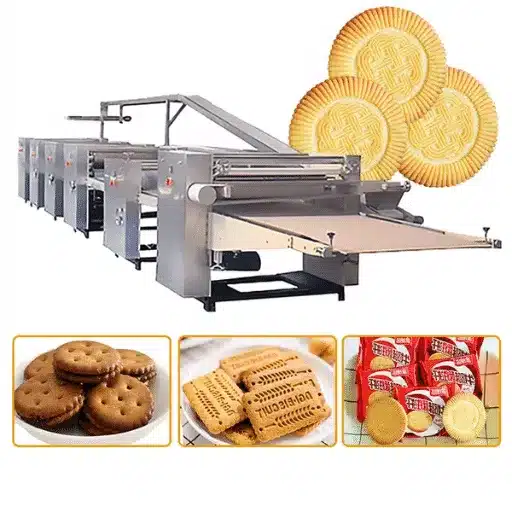
When choosing equipment for cookie production, it is essential to consider factors such as production volume, product consistency, and the extent of customization required. Evaluate the machine’s scalability to ensure future demand-proofing and assess the waste generated by dough made from different formulations. Moreover, the degree of automation of the machine and the difficulty of maintenance can play a significant role in productivity and operational efficiency. Power consumption and safety certification are also vital for maximizing your investment over time and complying with government regulations.
Evaluating Equipment Reliability and Efficiency
Reliability and efficiency are the two most important factors to consider when selecting cookie production equipment. Reliable equipment ensures uninterrupted production and maintains a constant product quantity, which is crucial for meeting delivery deadlines and ensuring customer satisfaction. Go for machines made of the best materials with sturdy designs that can withstand tough usage over a long period of time. Efficiency is also necessary as it has a direct effect on production rate and cost of operation. Modern equipment is often integrated with the latest technology, such as programmable controls and automated monitoring systems, resulting in optimized production workflows and reduced waste. Assessing the manufacturer’s warranty, reading user reviews, and checking the company’s reputation in the industry can provide additional information about reliability and efficiency, thus allowing businesses to invest in the equipment that suits their goals.
Understanding the Importance of Automation
Automation is key in increasing efficiency, reducing mistakes, and boosting productivity in various retail sectors. When automation takes over the mundane and lengthy tasks, the workers can put their efforts into the functions that require more strategy and creativity. It significantly reduces human error, ensuring that operations maintain a certain quality and reliability at all times. Furthermore, the use of machines can reduce the costs of operation and also be flexible to the rise in demand thereby giving firms a competitive edge. Technological adoption is generally associated with better production and eventual growth in the market; hence, it is a critical element in the arsenal of a modern business.
Assessing Space and Layout for Production Lines
The selection of cookie production machinery involves evaluating the available space and the layout of the production plant, which should be a primary consideration to ensure the smooth running of operations. The equipment’s size and configuration should not only fit in the assigned area but also be conducive to efficient workflow. Take into account the machines’ size, the route for transporting raw materials and finished goods, and the area required for the operators and maintenance. It is common for modern equipment to have a modular design which makes it easier to customize the layout according to the limitation of the facility’s spatial dimensions. Moreover, determine if the layout allows for future growth so that the facility can take on higher production requirements if necessary. An effectively designed area maximizes production flow, minimizes the time machines are inactive, and improves safety, thus being an essential consideration in the selection of equipment.
Best Practices for Maintenance and Operation
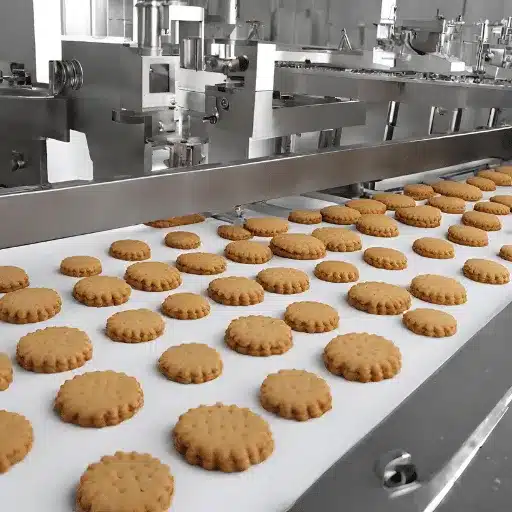
Routine Maintenance for Longevity of Cookie Production Equipment
To prolong the life of cookie production equipment and keep it running smoothly, it is essential to have a consistent routine maintenance plan. Start by creating a calendar for regular inspections to catch wear and tear on crucial parts such as mixers, ovens, and conveyors. If you clean the equipment thoroughly after each use, it will prevent the accumulation of dough, crumbs, and grease which can cause blockages or damage over time. Lubricate the moving parts according to the manufacturer’s suggestions to ensure smooth operation and reduce friction-related problems. Also, replace the worn-out parts immediately to avoid unexpected interruptions during production. Keeping a detailed record of the maintenance work done will not only help monitor the performance of the equipment but also ensure that all tasks are completed in an organized manner. By following these practices, the plants can ensure reliable operations and, at the same time, maximize the efficiency of their production processes.
Ensuring Hygiene Standards in Cookie Production Equipment
The hygienic standards in cookie production equipment are a must for the safety and quality of the product. The first step is to establish a regular cleaning schedule to remove residue and prevent contamination. Cleaning agents that are food-grade, safe, and not too effective should be used. Inspect equipment often to catch areas where it might be difficult to clean that are becoming dirty or material has built up, and take care of those right away. Also, impart knowledge to the workers about hygiene followed by the proper methods of dealing with the equipment. A tidy production area and putting tools in their appropriate storage places also contribute to cleanliness. Practicing these methods reduces hazards and aids in meeting the requirements of the food safety rules.
Optimizing Energy Efficiency in Production
In a cookie production line, the energy efficiency can be maximized by following these main points:
- Upgrade to Energy-Efficient Equipment: Purchase modern ovens, mixers, and cooling systems that are designed to use less energy without compromising the performance.
- Monitor and Maintain Equipment: Inspect equipment regularly for wear and inefficient operation. Maintenance helps machines to work smoothly and consume less energy.
- Streamline Production Processes: Plan production to minimize downtime and prevent energy waste during startup and shutdown cycles. Production in batches can decrease unnecessary variability.
- Utilize Waste Heat: Take the heat from the ovens and other machines and use it for preheating the ingredients or keeping the facility warm.
- Improve Insulation: Check if the insulation around the ovens, storage rooms, and pipelines is good enough to prevent heat loss and energy consumption.
- Switch to LED Lighting: Replace all the traditional lighting in the facility with energy-efficient LED options to cut overall electricity use.
- Train Staff on Energy Conservation: Teach the workers about saving energy practices, for instance, shutting down equipment that is not in use and reducing idle times.
These actions, when taken, can lead to a significant reduction in energy consumption, lower operational costs, and establish a more sustainable production process.
Emerging Technologies in Cookie and Cracker Manufacturing
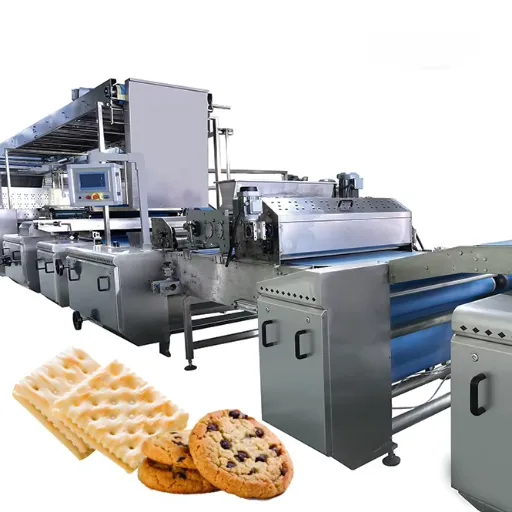
The new technologies in cookie and cracker making are aimed at improving the efficiency, sustainability, and quality of the product. The use of robots and automation has made the production lines more efficient, resulting in less human labor and waste. Process monitoring is being done with the help of advanced sensors and IoT-enabled devices, which guarantee uniformity and cut down on waste. The use of energy-efficient ovens and machines, along with renewable energy, has lessened the impact on the environment. Besides, new ingredient technologies, such as new kinds of flour and no-additive ingredients, support consumers who are looking for healthier and sustainable products. The modern manufacturing challenges are being solved, while innovations are making the business more competitive.
Innovative Automation Solutions
The introduction of inventive automation solutions has resulted in the simplification of manufacturing processes with the benefit of productivity being the major plus and quality being the second. Automation in production lines leads to a reduction in manual labor, a decrease in human error, and an increase in efficiency. The usage of robots and AI-powered systems provides the possibility of precise control, fast processing, and real-time adjustment. Moreover, preventive maintenance mechanisms are also in place to guarantee the reliability of the equipment and thereby the stoppage of the expensive downtime. All such innovations let manufacturers cater to the changing market needs with the lowest possible operational costs.
Trends in Equipment Technology for Cookie Production
Automation and Robotics
The adoption of automated and robotic systems is changing the face of cookie production. The deployment of these technologies not only increases the production speed but also enhances the quality by making the processes like mixing, shaping and packaging uniform and consistent.
Energy-Efficient Equipment
To comply with sustainability trends, the manufacturers are investing in energy-efficient ovens and machinery which would not only cut down the electricity consumption but also reduce the operational costs significantly.
Smart Systems and IoT Integration
IoT-enabled innovative machinery is capable of real-time monitoring and data analysis, which directly results in better quality control and the ability to know when maintenance is required, thus preventing the costly interruption of production.
Customizable and Flexible Equipment
The machinery with modular designs allows the producers to change the equipment for various types of cookies and different volumes which in turn gives the producers the flexibility to cater to the ever-changing demands of the market.
Impact of Industry 4.0 on Cookie Manufacturing
The deployment of Industry 4.0 technologies has completely transformed cookie production, granting it the advantages of improved effectiveness, precision and scalability. Through the use of advanced automation and robotics, factories have been able to double production rates with practically no errors, so the quality of the cookies produced is always the same even in larger quantities. The latest market statistics show that factories switching to innovative automation systems are making 25% more while simultaneously reducing labor costs by about 20%.
The use of IoT-connected machines has been equally important as it has permitted the manufacturers to use the real-time data for preventive maintenance and better quality control. By very accurately obtaining the data of the three factors that determine the quality of cookies—temperature, humidity and baking times—producers are able to maintain perfect conditions for the texture and flavor of their cookies. The companies practicing this control have an average of 15% less production waste, which is not only desirable from a sustainability perspective but has also become a factor for consumers, who tend to favor eco-friendly brands.
Besides that, the application of artificial intelligence (AI) and machine learning has improved the process of inventory management and demand forecasting. Manufacturers are now capable of predicting changes in consumer preferences with high accuracy, altering cookie recipes accordingly, and managing transport to reduce delivery times by 30% on average. Technologies of Industry 4.0 not only allow the cookie manufacturers to be more productive but also help them to stay competitive in a fast-changing market.
Reference Sources
-
Biscuit, Cookie, and Cracker Production (ScienceDirect)
- A comprehensive reference detailing the processes and equipment required for automated cookie and biscuit production in the food industry.
-
Scaling Up Cookie Production: Essential Equipment for Mass Manufacturing (Gobte)
- Provides an overview of key equipment for mass cookie production, including industrial mixers, dough forming machines, baking ovens, cooling systems, and packaging solutions.
-
Cookie Production Equipment (Naegele Bakery Systems)
- Offers insights into end-to-end industrial-scale cookie production equipment, focusing on efficiency and product quality.
Frequently Asked Questions (FAQs)
What is cookie production equipment and why is it important?
Cookie production equipment consists of all the machines and tools used in the commercial cookie-making process. It also includes the industry’s capacity to produce various quality cookies in different shapes and flavors, such as the highly sought-after chocolate chip and nut varieties.
What types of cookie machines are there for commercial use?
The cookie machines consist of an assortment of dough depositors, wire-cut machines, and cookie production line equipment. These various machines are quite suitable for working with different dough consistencies, such as soft dough, and can produce a variety of cookies efficiently. Choosing the right machine depends on the specific requirements of your bakery production.
What are the key elements of a successful cookie production line?
A successful cookie production line encompasses the high-quality equipment that can deal with all types of dough, including soft dough, and producing cookies in various sizes and shapes. The introduction of efficient technology and top-notch equipment is indispensable for the process to run smoothly, the product to be safe, and the quality to be consistent.
How can I ensure the safety of my cookie production equipment?
Regular maintenance, proper staff training, and strict compliance with safety regulations in the industry are essential to ensure the cookie production equipment is safe. Besides, spending on the first-class machinery and following the guidelines for the safe usage can not only give rise to fewer accidents but also provide a safe working environment in the commercial bakery.
What are the advantages of using top-notch bakery equipment for cookie production?
When high-quality bakery equipment is used in cookie production, the consistency of product quality, as well as the texture and flavor of different types of cookies, is maintained. A particular advantage comes from the high-quality machines that they can also significantly cut down on production time therefore, resulting in more customers being satisfied in the competition of the cookie market.
How does technology affect the cookie production process?
By increasing efficiency and accuracy, the modern cookie technology has huge positive impact on the production line. With bright, technology-equipped automated cookie production lines as just one example of such advanced machinery, bakers can not only maximize production but also lower labor costs and offer a wider range of cookies while maintaining high standards of safety and quality.