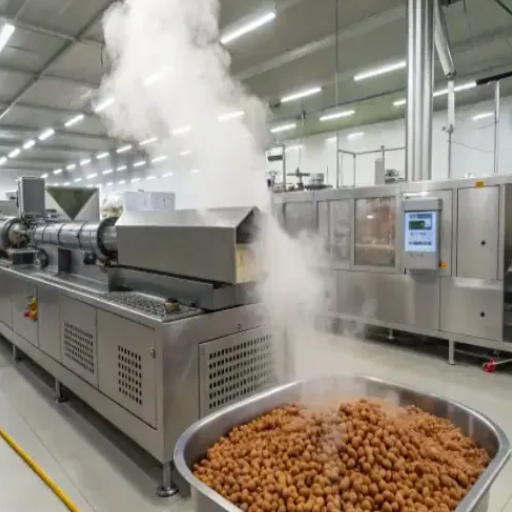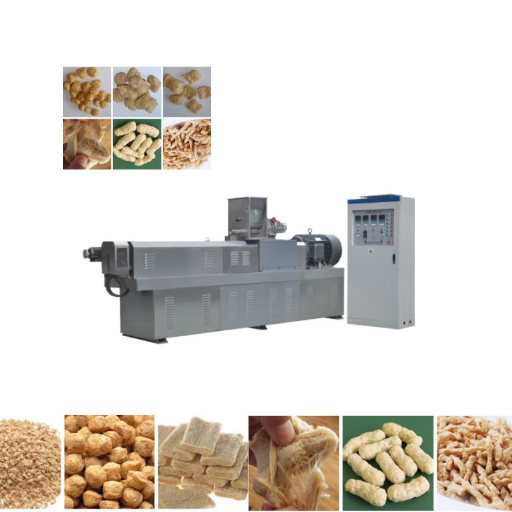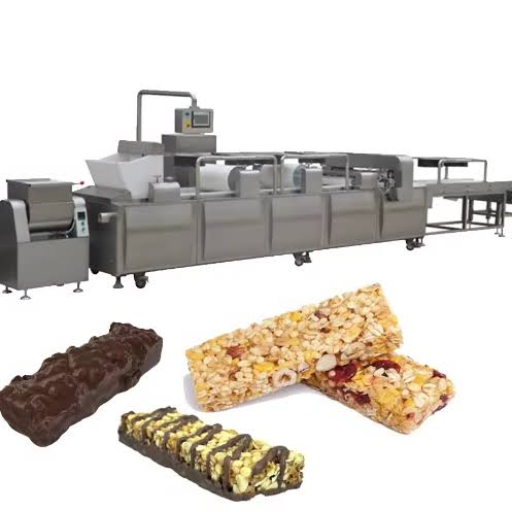
Automation in food manufacturing and processing is transforming how food is produced and delivered worldwide. The rapid advancement of technology has prompted industries to adopt automated systems for their operations, increasing production capacity and ensuring consistency of quality. From robotic assembly lines to AI-controlled quality tests, automation extends far beyond raising production—it addresses consumer demands while cutting costs and reducing waste. This comprehensive guide explores how innovative automation technologies are creating highly productive and less wasteful industries, examining their advantages, challenges, and future possibilities. Whether you’re a food production business leader, technology enthusiast, or simply curious about industry developments, this article reveals the exciting intersection of advanced technology and food manufacturing.
Understanding Automation in Food Production
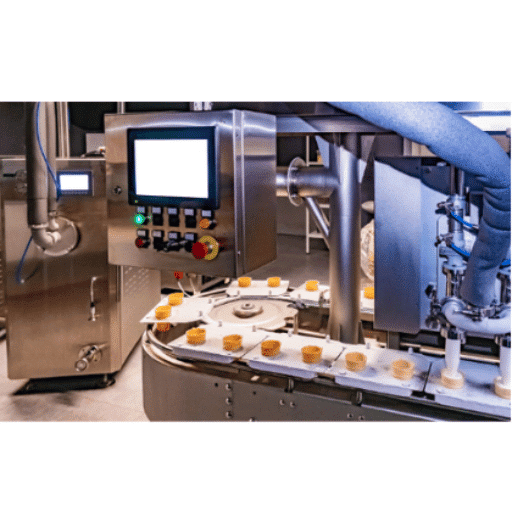
Automation in food production represents the implementation of technological and mechanical processes that carry out tasks with minimal human involvement. This encompasses operations such as measuring, processing, packaging, and controlling quality of ingredients. The installation of automated systems allows firms to raise overall production efficiency, maintain consistently high product quality, and reduce operational costs. Contemporary automation methods like AI and robotics provide accurate monitoring and control while contributing to safe food production and waste reduction. These innovations are particularly relevant in meeting higher consumer demand and complying with the strict regulatory requirements of the food industry.
Definition and Scope of Food Automation
Food automation is the process of employing cutting-edge technologies—including robotics, artificial intelligence, and automated machines—to enhance efficiency in food production and processing industries. It covers a wide range of operations from ingredient handling to food preparation, packaging, quality control, and distribution. Companies integrating these systems can enjoy higher efficiency, uniformity, and compliance with industry regulations, while also addressing issues of labor shortages, sustainability, and increasing consumer expectations.
Historical Context of Automation in Food Manufacturing
Food manufacturing automation is a direct consequence of the Industrial Revolution, which marked the beginning of the transition from manual to mechanized processes to satisfy increasing demand. The first innovations during this period involved steam-powered machines and automated conveyor belts, which completely transformed mass production capabilities. Gradually, the industry adopted assembly lines, programmable logic controllers (PLCs), and robotic systems, providing high quality and efficient processes. The 20th century experienced significant growth in computer technology applications, allowing for data-based decision-making and real-time monitoring. The present time is characterized by continuous development of automation alongside AI and IoT, which are forming a more interconnected and agile food manufacturing ecosystem.
Current Trends in Food Processing Automation
Modern food processing automation is greatly impacted by emerging technologies that increase efficiency, quality, and safety. AI applications include predictive maintenance, accurate production forecasting, and optimized supply chains. IoT provides continuous observation and data gathering, enabling better decision-making and waste reduction. Additionally, robots and cobots (cooperative robots) are making fast and accurate sorting, inspecting, and packaging possible. Sustainability has also become a main focus, as automation helps achieve eco-friendly goals by minimizing energy and resource usage. All these innovations are pushing the food industry toward being smarter and less environmentally harmful.
Benefits of Automation in Food Manufacturing

Automation in the food manufacturing sector presents multiple benefits that not only make the final product more efficient, safer, and of better quality, but also revolutionize the industry as a whole:
Key Benefits Overview
- Increased Productivity: Automated processes optimize constant, daily work, enabling higher output and shorter labor time while reducing labor costs.
- Enhanced Food Safety: Automation decreases the chances of contamination and maintains cleanliness levels by reducing human involvement in production.
- Cost Efficiency: Lowering operational costs and using resources effectively without waste are the results of efficient systems.
- Consistency and Quality Control: Uniformity in products and food quality are advantages of automated processes.
- Adaptability to Demand: Flexible automation systems can immediately respond to demand fluctuations, supporting manufacturers in efficiently meeting market needs.
- Regulatory Compliance: Sophisticated technology confirms strict fulfillment of food safety and manufacturing rules and regulations.
These advantages combined enable food manufacturers to operate more effectively and remain competitive in this rapidly changing industry.
Enhancing Efficiency and Productivity
Automation and modern technologies are crucial upgrades for work efficiency and productivity, addressing manual errors and resource utilization while managing comprehensive operations. Real-time data monitoring and analytics help the manufacturing industry identify bottlenecks, increase throughput, and ensure quality consistency. These changes significantly speed up product manufacturing timelines and enable cost-effective scaling to face market fluctuations.
Improving Food Safety Standards
Quality control, monitoring, and following regulatory guidelines are key points for achieving higher food safety. IoT sensors and supply chain tracking provide real-time data for product identification, spoilage tracking, and temperature and location monitoring. Additionally, staff training and audits are needed for effective threat prevention, ensuring safe consumption and developing customer trust.
Cost Reduction through Automated Solutions
Automation offers several pathways to lower costs by streamlining processes, minimizing errors, and improving efficiency. Companies that integrate automated technologies like AI-driven analytics, RPA (Robotic Process Automation), and machine learning can optimize repetitive tasks, reduce labor costs, and ensure high operational accuracy. These solutions not only reduce human interaction but also speed up workflows, helping companies properly utilize resources while maintaining productivity.
Automation Technologies Transforming Food Systems
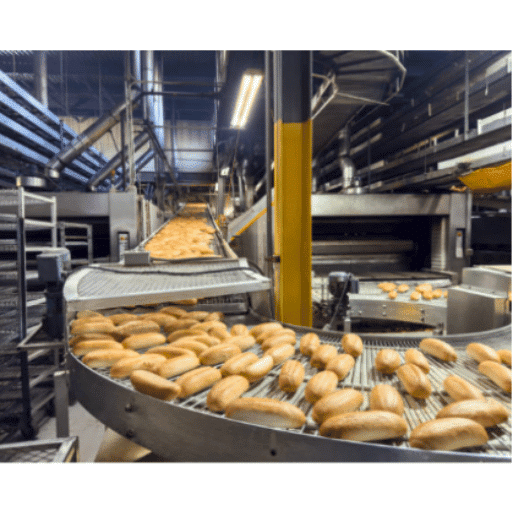
Food systems are being radically transformed by automation technologies used throughout the production process, quality control, and waste reduction. Robots handle packaging and labeling of food products, making all processes quicker and more accurate simultaneously. Furthermore, automated sensors and monitoring systems ensure food safety by detecting and reporting potential contamination or abnormalities in real-time. Advanced data analytics facilitate demand prediction and resource allocation in supply chain management. These technologies promote not only system efficiency but also food industry sustainability, helping organizations remain competitive.
Machine Learning and Its Applications in Food Production
In the realm of food production, machine learning is a key factor in transformation. This technology helps with predictive maintenance of equipment, reducing downtime and operational costs. Machine learning algorithms detect patterns that affect food security or quality consistency by analyzing big data. Furthermore, supply chain and logistics systems are becoming more efficient because machine learning assists in forecasting demand and managing inventory, enabling optimal resource usage. Overall, with machine learning, food producers can streamline operations, reduce waste, and respond more efficiently to constantly changing consumer needs.
Smart Food Manufacturing: The Future of Production
The future of production is represented by intelligent food manufacturing that embraces cutting-edge technologies like AI, machine learning, and automation to improve efficiency, reduce waste, and meet consumer expectations. These innovative technologies enable the food industry to perform precise quality control, accurate demand forecasting, and optimized supply chain management, making processes more efficient and eco-friendly. In rapidly changing market conditions, manufacturers can remain competitive and reactive by adopting smart food manufacturing.
Integration of Industrial Automation in Food Processing
Technological progress in the food processing sector through advanced robotics, artificial intelligence, and IoT-enabled systems is inseparable from automation. These technologies free employees from simple tasks, control production quality consistently, and keep food safe through precise monitoring. Beyond these benefits, the technologies also minimize energy demand, reduce errors, and introduce more efficient workflows. The integration of automation in food manufacturers’ business processes widens product availability, allows adaptation to market changes, and maintains legal compliance, ultimately leading to a greener and more competitive business.
Adoption of Automation Across the Food Industry

Adopting automation in the food sector has completely revolutionized production methods, strengthening efficiency, consistency, and scalability. Robots and automated systems are increasingly used for sorting, packing, and inspection tasks, reducing human error and guaranteeing identical products every time. Automated solutions help meet consumer demand without compromising quality by speeding up production. Additionally, automation is the main reason food safety has improved through continuous monitoring and minimization of contamination risks. These advancements help manufacturers remain competitive and maintain tight market control.
Factors Influencing the Adoption of Automation
Key Factors to Consider
- 💰 Economic Factors: Installation costs and potential long-term savings play a significant role in adoption decisions.
- 🔧 Technological Advancement: AI-powered tools and smart sensors provide better precision and accuracy, driving adoption.
- ⚖️ Regulatory Requirements: Safety and quality standards specified by legal frameworks require manufacturers to implement automated solutions.
- 📊 Market Demands: Consumer requirements for faster production rates and continuous quality strongly push for automated systems.
Barriers to Implementation in Food Manufacturing
The adoption of automation in food manufacturing poses several obstacles:
| Barrier | Description |
|---|---|
| High Capital Investment | Large expenditure required for purchasing sophisticated equipment and technology poses challenges for small or medium-sized businesses. |
| Skilled Workforce Shortage | Operation and maintenance of automated systems require skilled personnel who might not be widely available. |
| Organizational Resistance | Resistance to change and fear of employee job loss within organizations can hinder adoption. |
| Regulatory Compliance | Meeting strict food safety and quality regulations adds complexity to implementation. |
| Technical Challenges | Dealing with diverse and variable food product characteristics requires tailored solutions, increasing time and cost. |
Future Outlook for Automation in Food Processing
Automation technology is developing rapidly, and the food processing sector is expected to see extensive automation adoption. The rise of AI, robotics, and IoT technologies drives this projected growth. Innovations will bring accelerated operations, increased system precision, and overall improvement of food safety. Future systems will become increasingly capable of overcoming obstacles such as handling delicate and sensitive products and complying with environmental standards. Furthermore, automation will contribute to environmental conservation by consuming fewer resources and producing less waste. Although challenges like automation costs and workforce adaptation exist, the incorporation of automation is likely to accelerate as technology becomes more affordable and user-friendly, causing a complete transformation of the food processing sector.
Best Practices for Implementing Automation
- Start with a thorough assessment of your current production processes to identify automation opportunities.
- Invest in employee training programs to ensure your workforce can operate and maintain new automated systems.
- Begin with pilot projects to test automation solutions before full-scale implementation.
- Choose scalable solutions that can grow with your business needs.
- Prioritize food safety and quality control features in any automation system.
- Regularly review and optimize automated processes to maximize ROI.
Reference Sources
- Fremont Automation – Automation Trends in Food Packaging and Processing: Explores how automation contributes to sustainability, efficiency, and economic success in food processing and packaging companies.
- TECH B2B – Food and Beverage Automation: Examines automation solutions in food and beverage manufacturing, focusing on industrial and general manufacturing applications.
- DC Norris – Manual vs. Automated in Food Processing Equipment: Compares manual labor with automated systems in food processing, highlighting production targets, budget considerations, and priorities.
Frequently Asked Questions (FAQs)
What is meant by auto food processing?
Auto food processing encompasses processes that use machines and software to complete the entire food production, packaging, and quality assurance procedure efficiently with minimal human intervention.
What are the benefits of automated food processing?
Benefits include considerably improved efficiency, reduced workforce costs, consistent quality output, improved food handling safety, and the ability to scale up production with less effort.
What kinds of automation tools are used in the food industry?
Common automation tools include robotic arms, conveyor systems, self-operating packaging machines, IoT-connected sensors, and quality control systems using advanced artificial intelligence.
How does automation make food safer?
Automation eliminates human error as a source of contamination. Machines can be set to specific standards that remain consistent, allowing critical control points to be monitored effectively in real-time.
Can automation help with sustainability in food processing?
Yes, automation minimizes waste of energy and materials by optimizing efficiency in material usage. When production operates at highest possible efficiency, it results in lowest waste of energy and materials, aligning with sustainability goals.
Ready to Transform Your Food Manufacturing Process?
Embracing automation is no longer optional—it’s essential for staying competitive in today’s fast-paced food industry. Start your automation journey today and unlock unprecedented efficiency, quality, and sustainability in your operations.