Knowing how to choose a modified starch production line starts with matching your target product, raw material, capacity, and budget to the correct modification method and supplier. Start by deciding whether you need physical modification (extrusion or drum drying for pregelatinized starch), chemical modification (reactors for cationic, oxidized, or cross-linked starch), or enzymatic modification. Then size capacity for current demand plus three to five years of growth, verify certifications like CE and food-grade SUS304/316 construction, and evaluate suppliers on engineering experience, recipe support, and after-sales service.
A few years ago, a processor in Southeast Asia ordered a modified starch line assuming it could handle fresh cassava root. Six months later, the team discovered the extruder required dry starch flour. The mistake added a separate starch extraction line, delayed production, and pushed the project tens of thousands of dollars over budget. Stories like this are common because choosing a modified starch production line involves more than comparing prices. It requires a clear understanding of process technology, equipment integration, and total cost of ownership.
If you are planning to enter the modified starch market or upgrade an existing plant, this guide will walk you through the decision step by step. You will learn how to select the right modification method, size capacity, evaluate equipment specifications, compare suppliers, and calculate ROI. By the end, you will have a practical framework for making a confident investment.
Key Takeaways
- Match the modification method to your target product: extrusion for pregelatinized starch, reactors for chemical modification, enzyme systems for maltodextrins and syrups.
- Size capacity for current demand plus 20–30% headroom; modular lines scale more cost-effectively than fixed oversize systems.
- Budget 15,000–15,000–150,000+ for extrusion-based lines and 500,000–500,000–2,000,000+ for wet chemical modification plants.
- Demand CE, ISO, SGS, or BV certification plus food-grade SUS304 or SUS316 stainless steel for food and pharmaceutical applications.
- Evaluate suppliers on recipe development support, installation track record, spare parts availability, and remote technical support.
What a Modified Starch Production Line Actually Does

A modified starch production line converts native starch, usually corn, cassava, potato, wheat, or tapioca starch, into a product with enhanced functional properties. In simple terms, the modified starch manufacturing process takes a raw material with limited performance and applies heat, pressure, chemistry, or enzymes to improve solubility, stability, viscosity, or texture.
There are also certain disadvantages with the use of native starch. It does not dissolve well in cold water, breaks down under heat and shear, and tends to retrograde, meaning it loses stability during storage. Modification solves these problems.
The process can be physical, chemical, or enzymatic. Physical modification, especially twin-screw extrusion, is the most common starting point for new producers because it is continuous, relatively simple, and does not require chemical reagents. Chemical modification changes starch structure through reactions with acids, alkalis, ethers, or oxidizers. Enzymatic modification uses enzymes like alpha-amylase to produce maltodextrins, glucose syrups, or cyclodextrins. For a deeper look at the chemistry and equipment behind each route, see this production process flow for modified starch.
For most buyers, the first decision is whether to produce pregelatinized starch, chemically modified starch, or both. A standard modified starch production line based on extrusion can produce pregelatinized starch for food, paper, textile, oil drilling, and construction applications. If your market demands cationic starch for paper making or oxidized starch for textiles, you will need a chemical reactor line instead.
Global demand supports this investment. The modified starch market is valued at roughly USD 9.4–16.4 billion, depending on scope, and is growing 2.9–3.8% annually according to Future Market Insights and Straits Research. Dry, physically modified starches make up the largest share, which is why extrusion-based lines remain the most common entry point for new producers.
How to Choose a Modified Starch Production Line in 7 Steps
The decision process breaks down into seven practical steps. Working through them in order helps you avoid the most common and expensive mistakes.
Step 1: Define Your Target Product and Application
Before you request quotes, clarify what you will sell and who will buy it. The product determines the equipment. Pregelatinized starch involves cooking and drying steps. Cationic starch requires a reaction tank, pH control, and washing equipment. Oil drilling starch needs specific viscosity and filtration properties. Each product has different quality requirements.
Ask yourself these questions:
- What type of modified starch will you produce? Pregelatinized, oxidized, cross-linked, cationic, acetylated or enzymatically treated starch?
- What is the end application? Food, paper, textile sizing, oil drilling, construction, or pharmaceuticals?
- What functional properties matter? Viscosity, solubility, gelatinization temperature, transparency, particle size, or freeze-thaw stability?
- What quality standards must you meet? Food-grade, pharmaceutical-grade, industrial-grade, or oil-field specifications?
When Maria, a food ingredients distributor in Latin America, decided to add modified starch to her portfolio, she started with pregelatinized corn starch for instant soups and sauces. Because she defined the application first, she avoided the complexity of chemical modification and chose a compact extrusion line that reached profitability in 22 months. Defining the product first keeps your equipment search focused and your capital budget under control.
Want help matching your product to the right equipment? Contact our engineering team for a free consultation and line configuration review.
Step 2: Choose the Right Modification Method
The modification method is the single most important technical decision. It defines the core modified starch processing equipment, operating costs, regulatory requirements, and product range.
Physical Modification: Extrusion and Drying
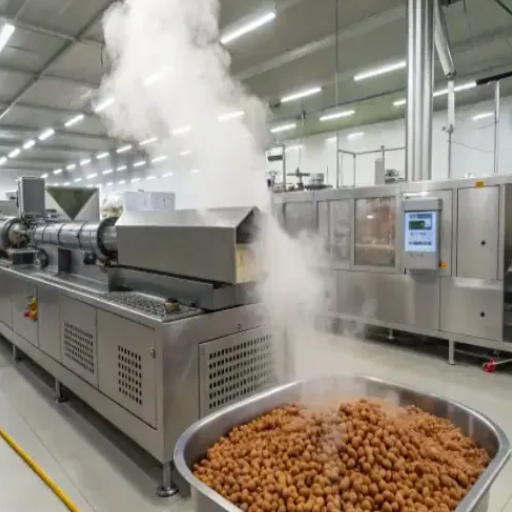
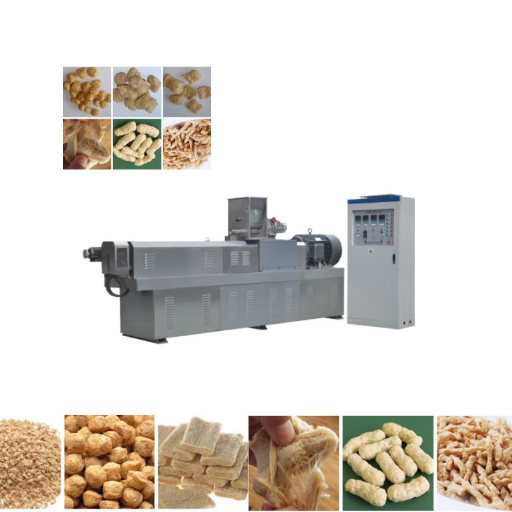
Physical modification uses heat, pressure, and mechanical shear to change starch properties without adding chemicals. Twin-screw extrusion is the dominant industrial method. Starch flour is mixed with water, fed into a co-rotating twin-screw extruder, cooked under 120–220°C and 0.5–10 MPa, then dried, ground, and packaged.
This method is ideal for pregelatinized starch, cold-water-soluble starch, and some oil drilling starches. It is lower cost, faster to commission, and easier to operate than chemical lines. For many new entrants, a pregelatinized starch production line based on extrusion is the most practical starting point. It is also popular with clean label consumers because there are no chemical additives used for its preparation.
Chemical Modification: Reactors and Washing Systems
Chemical modification results in starches having specific functional groups. The most common types are oxidized starch, cationic starch, acetylated starch, hydroxypropylated starch, and cross-linked starch. The process requires reactors with heating and cooling jackets, reagent dosing systems, pH control, neutralization tanks, washing and dewatering equipment, dryers, and mills.
Chemical lines cost more and require more regulatory oversight. They also produce wastewater that must be treated. However, they command higher margins and serve specialty markets such as paper sizing, textile finishing, and pharmaceutical excipients.
Enzymatic Modification: Hydrolysis and Conversion
Enzymatic modification uses enzymes like alpha-amylase, beta-amylase, or glucoamylase to break down starch into smaller molecules. The main products are maltodextrins, glucose syrups, and dextrose. This route requires enzyme reactors, precise temperature and pH control, separation equipment, and evaporators or dryers.
Enzymatic lines are common in sweetener and infant nutrition plants. They are less common for general modified starch producers unless sweeteners are a core product.
| Modification Method | Core Equipment | Typical Products | Capital Cost |
|---|---|---|---|
| Physical extrusion | Mixer, twin-screw extruder, dryer, grinder, packer | Pregelatinized starch, cold-water-soluble starch | Low–Medium |
| Physical drum drying | Slurry mixer, drum dryer, mill | Pregelatinized starch flakes/powder | Medium |
| Chemical | Reactor, dosing, washer, dryer, mill | Cationic, oxidized, cross-linked starch | High |
| Enzymatic | Enzyme reactor, evaporator, dryer | Maltodextrin, glucose syrup | Medium–High |
Step 3: Match Raw Material to Equipment Design
Not all starch lines accept the same input. Most extrusion-based modified starch production lines require dry native starch flour, not fresh roots or tubers. If you plan to start from cassava roots or potatoes, you need a separate starch extraction and drying line upstream.
Common raw materials include:
- Corn starch: Widely available, low cost, good for food and industrial grades.
- Cassava/tapioca starch: Popular in Southeast Asia and Africa, clean flavor, good for food and paper applications.
- Potato starch: High viscosity and transparency, premium food and pharmaceutical uses.
- Wheat starch: Common in Europe and North America, used in food and paper.
- Waxy maize starch: High amylopectin content, excellent freeze-thaw stability.
Each raw material has different moisture, protein, and lipid content. These differences affect extrusion parameters, dryer load, and final product quality. A supplier with recipe development experience can adjust screw configuration, temperature profile, and moisture setpoints to match your raw material.
Step 4: Size Capacity for Current and Future Demand
Capacity is usually measured in kilograms per hour. Selecting the right size is a balance between current demand, growth plans, and capital efficiency.
| Scale | Capacity | Typical Investment | Best For |
|---|---|---|---|
| Pilot / lab | 10–50 kg/h | 15,000–15,000–30,000 | Recipe development, samples |
| Small commercial | 100–300 kg/h | 30,000–30,000–60,000 | Startups, niche markets |
| Medium commercial | 300–800 kg/h | 50,000–50,000–120,000 | Growing producers, regional supply |
| Industrial | 1,000–1,500 kg/h | 80,000–80,000–150,000+ | Large manufacturers, exporters |
| Wet chemical plant | Variable | 500,000–500,000–2,000,000+ | Commodity or specialty chemical starch |
Oversizing is a common and expensive mistake. A line that runs at 30% capacity wastes energy, wears unevenly, and delays payback. Undersizing caps growth and forces a second purchase too soon. The best approach is to choose a modular line that can be expanded with additional extruders, dryers, or packaging units as demand grows.
When the team at a Nigerian food processor planned their first modified starch line, they initially requested a 1,000 kg/h system. After analyzing their first-year contracts, they chose a 400 kg/h line with a modular dryer. The smaller line reached full utilization in 14 months, and they added a second extrusion module without replacing the core infrastructure.
Step 5: Evaluate Equipment Specifications and Quality Standards

A complete extrusion-based modified starch production line typically includes the following modified starch processing equipment components:
- Raw material intake and weighing system
- Flour mixer or pre-conditioner
- Screw or vacuum conveyor
- Twin-screw extruder (the core modification unit)
- Cooling or air conveyor
- Multi-layer belt dryer
- Grinder or pulverizer
- Vibrating screener
- Automatic packaging machine
- PLC/HMI control system
When comparing quotes, look beyond the headline price. Ask for:
- Main motor power and screw speed range
- Heating method: electric, gas, or steam?
- Barrel and screw material: 38CrMoAlA nitrided steel or bimetallic for abrasive materials?
- Food-contact surfaces: SUS304 or SUS316 stainless steel?
- Control system: Siemens, Delta, or other PLC brand?
- Dryer type and energy consumption
- Final moisture target and particle size range
- Warranty period and spare parts package
For food and pharmaceutical applications, insist on food-grade construction and compliance with CE, ISO 9001, SGS, BV, HACCP, FDA 21 CFR, or EU 1935/2004 as required by your market.
Step 6: Calculate Total Cost of Ownership and Modified Starch Production Line Price
Purchase price is only part of the investment. A complete cost analysis includes:
- Equipment cost: extruder, dryer, grinder, packaging, controls, and auxiliary systems.
- Shipping and customs: especially important for international purchases.
- Installation and commissioning: typically 1–4 weeks depending on line complexity.
- Training: operator and maintenance training for your team.
- Spare parts: screws, barrels, dies, bearings, belts, and heaters.
- Energy: extrusion and drying are the largest consumers.
- Labor: automatic PLC lines need 2–3 operators per shift; semi-automatic lines need 4–6.
- Maintenance: budget 3–5% of equipment cost annually.
Most extrusion-based lines pay back in 18–36 months if capacity utilization and product margin are strong. Specialty grades such as pharmaceutical or oil drilling starch often pay back faster than commodity food thickeners.
Step 7: Compare Suppliers on Engineering and Support
Equipment quality matters, but supplier support often matters more over the life of the line. A reliable supplier should offer:
- Recipe and trial production support before purchase
- 2D/3D factory layout design optimized for your space
- Installation, commissioning, and operator training
- Remote diagnostic support and fast technical response
- Spare parts inventory with reasonable lead times
- Customization for voltage, frequency, raw material, and local regulations
Ask for references in your region or application. A supplier with 10+ years of extrusion experience and installations in over 50 countries is more likely to understand the practical challenges of running a modified starch line than a broker reselling generic equipment.
At Shandong Loyal Industrial Co., Ltd., we support clients from initial consultation through layout design, manufacturing, installation, and ongoing technical service. Our turnkey food production lines are engineered for reliability and built to meet international standards.
Ready to compare configurations? Request a detailed quote and we will prepare a line proposal matched to your product, capacity, and budget.
Common Mistakes to Avoid When Buying a Modified Starch Line
Learning from other buyers’ mistakes can save months and significant capital. Here are the most frequent errors:
- Buying based on price alone: The cheapest line often lacks automation, spare parts support, and recipe expertise. Low purchase price can lead to high operating cost.
- Ignoring raw material preparation: Fresh roots and tubers cannot feed directly into most modified starch extruders. Plan upstream processing if needed.
- Oversizing capacity: A large line running below capacity wastes energy and delays ROI.
- Skipping trial production: Always request sample trials with your raw material before finalizing the order.
- Neglecting certifications: Export markets require CE, ISO, and food-grade materials. Verify certifications in writing.
- Underestimating installation time: Commissioning a line involves mechanical installation, electrical wiring, recipe tuning, and operator training. Plan for several weeks, not days.
Frequently Asked Questions About Choosing a Modified Starch Production Line
What is the difference between a pregelatinized starch production line and a modified starch production line?
A pregelatinized starch production line is a type of modified starch production line. It uses physical methods, usually extrusion or drum drying, to cook and dry native starch so it dissolves in cold water. Starch modification facility can also use chemical or enzymatic treatment techniques for producing other kinds of functional starches.
How much does a modified starch production line cost?
Extrusion-based lines typically range from 15,000forsmallpilotsystemsto15,000forsmallpilotsystemsto150,000+ for industrial lines. Wet chemical modification plants range from 500,000to500,000to2,000,000+. Total cost depends on capacity, automation, material grade, and scope of supply.
What equipment is included in a modified starch production line?
A typical extrusion line includes raw material intake, mixer, screw conveyor, twin-screw extruder, air conveyor, multi-layer dryer, grinder, vibrating screener, packaging machine, and PLC control system. Chemical lines add reactors, dosing systems, washers, and wastewater handling.
What is the modified starch manufacturing process?
The modified starch manufacturing process prepares native starch, applies a modification treatment (physical, chemical, or enzymatic), then dries, grinds, screens, and packages the finished product. Each method uses different core equipment and process parameters.
Can one production line make multiple types of modified starch?
Extrusion-based lines can produce several physically modified starches by adjusting moisture, temperature, screw speed, and raw material. Chemical and enzymatic starches usually require dedicated reactor or enzyme systems because they involve reagents or biocatalysts that are not compatible with extrusion equipment.
Conclusion: Make Your Modified Starch Line Decision with Confidence

Choosing a modified starch production line is a technical and commercial decision that rewards careful planning. Start by defining your target product and application. Then select the right modification method, match raw materials to equipment design, size capacity with room to grow, and evaluate suppliers on engineering quality and support. Finally, calculate total cost of ownership instead of focusing only on purchase price.
The buyers who get the best results treat the line as part of a complete production system, not a standalone machine. They plan upstream raw material preparation, downstream packaging, and long-term maintenance from day one. They also work with suppliers who understand recipe development and can tune the process to their specific starch source.
If you are ready to move forward, start with a clear product brief and a shortlist of suppliers who can demonstrate real experience in modified starch production. Ask for references, request trial runs, and compare total cost of ownership across at least three proposals. Knowing how to choose a modified starch production line with the right method, capacity, and supplier turns a complex purchase into a reliable, profitable asset for years to come.
Order professional assistance in selecting your starch modification facility. Contact Shandong Loyal Industrial Co., Ltd. for a free consultation, factory layout proposal, and detailed quotation.