To automate a food production line, you work through eight steps: audit your current process, define requirements and pick an automation level, design the system and select equipment, integrate the controls, run factory acceptance testing, commission and validate on-site, train your operators, and then monitor and optimize. Each step builds on the last, and skipping even one is how projects quietly go over budget.
Priya runs a snack plant outside Hyderabad. For two years she’s struggled to staff the overnight shift, and every missed hire shows up as uneven seasoning and rejected batches. She knows automation is the answer, but “where do I actually start?” kept stalling the project. If that sounds familiar, this guide is for you.
She is far from alone. Labor shortages, stricter food-safety rules, and customers who expect the exact same product on every run are pushing food manufacturers of every size toward automation. Roughly half of food operations are now automated in developed markets, and the trend is only accelerating.
What follows is a plain-language roadmap, not a sales pitch. You’ll learn each of the eight steps, how long the work really takes, what it costs, and the mistakes that derail most first-time projects. By the end, you’ll know exactly how to automate a food production line without over-automating, overspending, or overpromising.
Key Takeaways
- Automating a food production line follows eight repeatable steps, from process audit to ongoing optimization.
- Start with the highest-payback step first, usually end-of-line packaging or palletizing, not a full-plant overhaul.
- Commissioning alone takes 20 to 30 percent of project time; factory acceptance testing (FAT) before shipping prevents most costly surprises.
- Budget as much attention for operator training and controls integration as for the machines themselves.
- A CE-certified turnkey line collapses the riskiest steps into one accountable supplier.
What Is Food Production Line Automation?
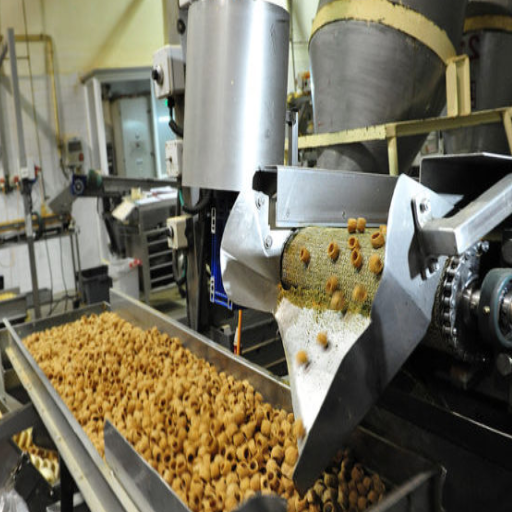
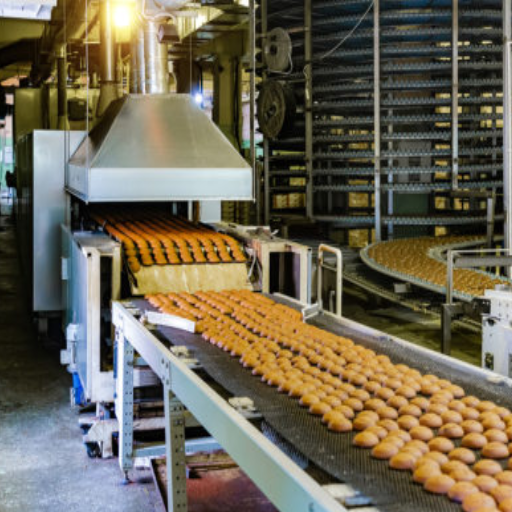
Food production line automation is the use of control systems, sensors, robotics, and software to run food manufacturing steps such as mixing, forming, cooking, and packaging with minimal human intervention. Instead of operators physically moving product, a central controller coordinates machines to produce consistent output faster, safer, and with better traceability.
It helps to separate two ideas that sound alike. Automating a line means adding controls, sensors, and robotics to run the process itself. Installing a line means physically placing, wiring, and commissioning the machines. You can install equipment without automating it, and you can retrofit automation onto an existing line. Many teams blur the two, which leads to scope creep and budget surprises. (If you are in the physical-setup phase, our guide to installing and commissioning a food production line covers the logistics side.)
The payoff for getting it right is real. One Deloitte and Manufacturing Institute projection estimates U.S. manufacturing will need 3.8 million workers by 2033, with up to 1.9 million of those jobs going unfilled. Automation is less about replacing people and more about filling roles nobody is available to staff.
Want to see what a fully integrated, automated line looks like in practice? Explore our turnkey food production lines →
Signs Your Food Production Line Is Ready for Automation
Automation is not always the right next move. A good candidate line shows most of these signals:
- Chronic labor gaps. You can’t fill or retain the shifts you need, and output suffers when people are absent.
- Inconsistent quality. Batches vary run to run because the process depends on human judgment and timing.
- Rising volume. Manual throughput has hit a ceiling just as orders grow.
- Frequent changeovers. You switch recipes or products often, and each switch eats hours of manual setup.
- Repetitive or hazardous tasks. Workers lift, sort, or pack in ways that cause fatigue and injury.
- Traceability pressure. Retailers or regulators now ask for batch-level records your manual process cannot produce.
If none of these apply, you may gain more from refining your current process first. A basic understanding of the levels of food processing automation helps you judge how far to go. But if three or more signals ring true, the eight-step roadmap below is your next move.
How to Automate a Food Production Line: The 8-Step Roadmap
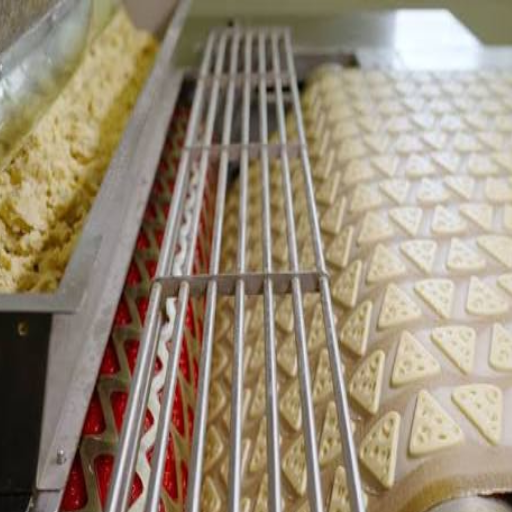
The full process, in order:
- Audit and map your current process.
- Define requirements and pick your automation level.
- Design the system architecture and select equipment.
- Integrate the controls (PLC, SCADA, sensors, motion).
- Run factory acceptance testing (FAT).
- Install, commission, and validate (SAT to IQ/OQ).
- Train operators and hand over.
- Monitor and optimize.
Here is what each step actually involves.
Step 1: Audit and Map Your Current Process
Before buying anything, write down exactly how product moves today. Which stations run manually? Where do bottlenecks and defects concentrate? How much time goes to changeovers and cleanup?
Be specific. “Packaging is slow” is not an audit. “The filling station loses 45 minutes per shift to manual lid placement, and the packing table rejects about 3 percent of bags” is. This audit becomes your baseline, the number you will later prove you improved. It also reveals which single station delivers the biggest win if automated first, which is almost never the whole line at once.
Step 2: Define Requirements and Pick Your Automation Level
Translate the audit into a written requirement: target output per hour, acceptable defect rate, changeover time, and the recipes or products the line must handle. Engineers call this a user requirement specification (URS), but you can think of it as a one-page brief for what the automated line must do.
Then choose how much automation you need. A dedicated, high-volume product may justify fixed automation. A line that switches recipes often needs programmable or flexible automation. Matching the level to your real mix of products is the difference between a line that pays for itself and one that is over-engineered and overpriced.
Step 3: Design the System Architecture and Select Equipment
Now map the machines and how they connect. For a snack line, that means mixing, extrusion, frying, seasoning, and packaging. For pasta, it is mixing, extrusion, drying, cooling, and packaging. At this stage, decide whether to assemble machines from different vendors or buy a single integrated system.
This is where many teams discover the hidden cost of piecing things together. Mixing brands means you own the integration: matching speeds, control protocols, and responsibility when something breaks. A turnkey line, where one supplier designs and delivers the whole flow, removes that burden. Whichever route you choose, select equipment that is food-grade, washdown-rated where needed, and built to the certifications your export market requires, such as CE.
Step 4: Integrate the Controls (PLC, SCADA, Sensors, Motion)
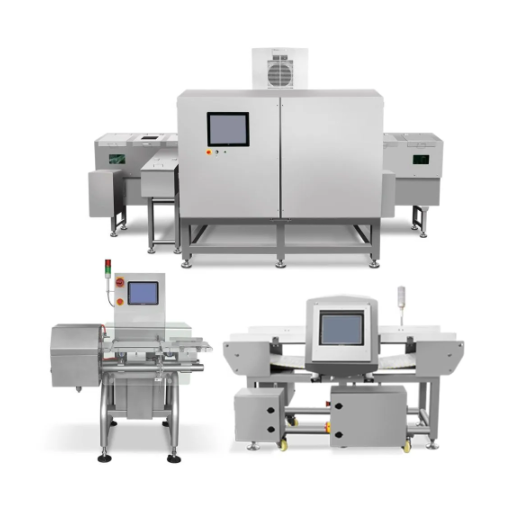
The controls are the nervous system of the line. A programmable logic controller (PLC) runs each machine’s logic, sensors and cameras feed it real-time data, and a supervisory system (SCADA) or a human-machine interface (HMI) lets operators watch and adjust the whole line from one screen.
This step defines recipe management, alarms, data logging, and traceability. It’s also where food plants must respect regulations on electronic records and food safety, such as FSMA and 21 CFR Part 11. Getting the controls architecture right before programming saves the most rework later, which is why experienced integrators insist on it.
Midway through the roadmap and wondering if the full effort is worth it? A quick conversation with an engineering team can turn these steps into a concrete plan. Contact us for a customized automation quote →
Step 5: Factory Acceptance Testing (FAT)
Before the line ships, test it at the factory where it was built. Run it with your actual product or a close stand-in, confirm every station works, and document the results. This is your cheapest chance to catch a problem, because fixing a machine at the manufacturer’s facility costs a fraction of fixing it on your floor.
A 2025 dairy project shows why this matters. The plant upgraded its control system using a disciplined sequence: full audit of the existing panels, a shadow build of the new system tested off-site, a shadow run alongside the live line, and only then a cutover during a scheduled cleaning cycle. The result was an upgrade with no unplanned downtime, because nothing was first tested on the customer’s live process.
Step 6: Install, Commission, and Validate (SAT to IQ/OQ)
On your site, the line is installed, powered, and tested again in a site acceptance test (SAT). Then comes validation: installation qualification (IQ) confirms the line is installed as designed, and operational qualification (OQ) confirms it performs to specification. Regulated plants document every step of this.
| Test | Where It Happens | What It Confirms |
|---|---|---|
| FAT (Factory Acceptance Test) | Manufacturer’s facility, before shipping | The line runs to spec with your product before it leaves the factory |
| SAT (Site Acceptance Test) | Your facility, after installation | The line performs correctly after shipping and setup |
| IQ (Installation Qualification) | Your facility | Equipment is installed exactly as designed and specified |
| OQ (Operational Qualification) | Your facility | The line operates within its defined parameters and specs |
Plan real time here. Commissioning typically accounts for 20 to 30 percent of a project’s total timeline. The most common mistake is treating it as an afterthought and leaving no buffer in the schedule, which then delays your first production run.
Step 7: Train Operators and Hand Over
An automated line is only as good as the people who run it. Train operators not just on the buttons, but on what to do when an alarm fires, how to spot a drifting process, and how to run changeovers safely. Written, repeatable procedures matter more than a single demo session.
This is also the moment many companies see the staffing math flip. One trained operator can often manage a line that previously needed two or three people, which lets you reassign those workers to higher-value tasks instead of eliminating roles.
Step 8: Monitor and Optimize (OEE and Continuous Improvement)
Automation is not a one-time project. Once the line runs, track overall equipment effectiveness (OEE), a score combining availability, performance, and quality. Watch it weekly, and use it to find the next bottleneck to fix.
The wins compound. A coffee producer, Napco Brands, added collaborative-robot palletizers to two packaging lines and measured a roughly 15 percent productivity gain while running 18 to 20 hours a day. That kind of result usually comes from the optimization loop, not the first install, so don’t declare victory at commissioning.
How Long Does It Take and What Does It Cost?
Timeline depends on scope. Automating a single station, such as end-of-line palletizing, can take weeks. Retrofitting a full production line commonly spans several months from audit to handover, with commissioning alone absorbing a fifth to a third of that time.
Cost follows the same logic. A single cobot palletizer is a modest, quick-ROI entry point, while a full turnkey line is a capital investment measured in the equipment, controls engineering, and validation. Rather than quote a misleading single number, the honest answer is that the right budget comes from your required output and automation level. For a full breakdown of cost drivers and payback math, see our guide to food automation cost and ROI.
Common Automation Mistakes to Avoid
Most failed projects share the same few causes. Avoid these, and your odds improve dramatically.
- Automating before fixing the process. A messy manual process becomes an expensive automated mess.
- Over-automating upfront. Buying flexible automation for a single-SKU line wastes budget.
- Skipping the FAT. Problems you could catch at the factory become expensive site surprises.
- Ignoring hygiene design. Controls and sensors must survive washdowns, or downtime replaces labor savings.
- Underfunding training. Untrained operators turn a reliable line into a source of constant alarms.
- No optimization loop. Without OEE tracking, you never recover the last and largest efficiency gains.
Food Production Line Automation in Action
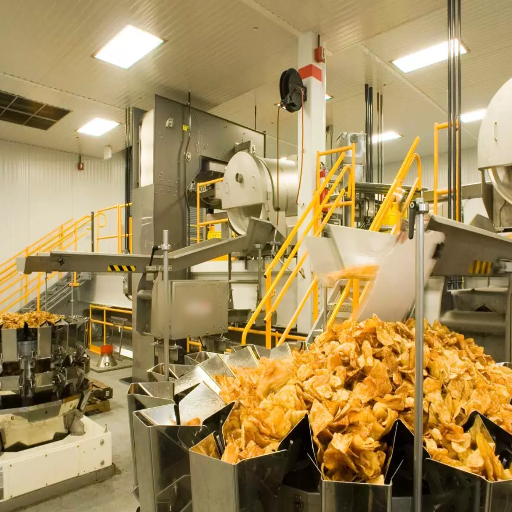
Different product lines favor different starting points.
Snack and Cereal Extrusion Lines
Snack plants get the fastest win at the end of the line. Automating seasoning, weighing, and packaging on a corn puff or extruded snack line immediately removes the most labor-heavy, variable steps. From there, you can push automation upstream into frying and extrusion. Our snack food machinery and corn puff snack extrusion lines are built to run this flow end to end.
Pasta and Macaroni Lines
Pasta automation pays off most in drying and packaging. PLC-based recipe management lets a single line switch shapes and cook times without manual resets, which is where consistency and throughput are won. A well-integrated pasta production line handles mixing through packaging as one coordinated flow.
Protein Bar and Pet Food Lines
Multi-recipe lines, whether protein bars or pet food, benefit most from programmable and flexible automation. Frequent changeovers are the exact problem these systems solve. A protein bar production line designed for flexible recipes keeps changeover time down while holding product consistency up.
Frequently Asked Questions
What is the first step to automate a food production line?
Audit and map your current process. You need a precise baseline of throughput, defects, bottlenecks, and changeover time before you can choose the right equipment or prove the project paid off.
Can small food manufacturers automate?
Yes. You don’t need a full-plant overhaul. Most small manufacturers start with a single high-payback station, often end-of-line palletizing or packaging, then expand as the savings fund the next step.
What is FAT and SAT in food machinery commissioning?
FAT (factory acceptance testing) happens at the manufacturer’s facility before shipping. SAT (site acceptance testing) happens on your floor after installation. Both confirm the line performs to specification, but FAT is far cheaper to fix problems in.
How is automation different from line installation?
Installation covers physically placing, wiring, and commissioning the machines. Automation adds the controls, sensors, and robotics that run the process itself. You can install a line without automating it, and you can automate an existing one.
Conclusion
Automating a food production line is a sequence, not a single purchase. Audit the process, define your requirements and automation level, design the system, integrate the controls, test at the factory, commission and validate on-site, train your operators, and then keep optimizing. The manufacturers who succeed start small, target the highest-payback station first, and treat commissioning and training as first-class steps rather than afterthoughts.
The labor shortages and quality demands driving this shift are not going away. The question is not whether to automate a food production line, but how to do it without wasting time or money. If you are ready to turn this roadmap into a specific plan for your products, our engineering team can help you scope the line, the controls, and the validation.
Ready to map your own automation project? Contact Shandong Loyal Industrial for a customized, CE-certified production line quote →