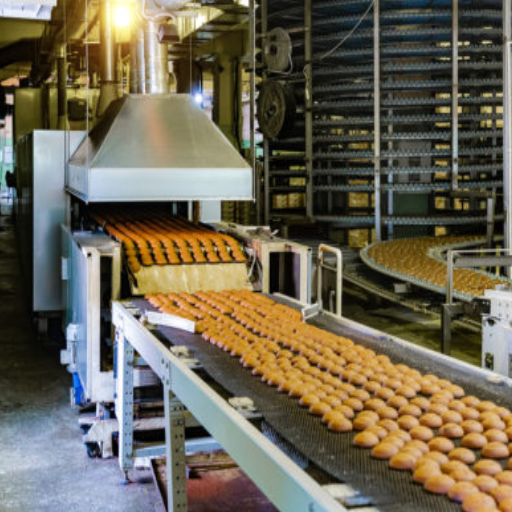
Staying ahead of the curve in the rapidly evolving snack manufacturing market means mastering the innovative production methods that provide the trifecta of efficiency, quality, and consistency. The Fried Snack Production Line’s Bugle Making Machine is one of the products that can be seen to have such a defining effect on the entire industry—a revolutionary device that was made to make the production of the conical snacks easier and faster. The article will not only take the experienced manufacturers to the new heights of optimization but will also reveal the cutting-edge technology already in use at the Bugle Making Machine! Its specialty features, the indispensable contribution to speed, and quality of production are all to be looked upon as the reasons for its winning consumer demand. Get ready for the insights that will lead you to the peaks of operational efficiency while at the same time offering the most appealing snacks that are sure to win over your customers.
Introduction to Fried Snack Production

Fried snacks production comprises a sequence of crucial steps aimed at guaranteeing the same quality, flavor, and texture all the time. The major processes are raw material selection, upon which quality depends, preparation by cutting or shaping, and frying in oil at the right temperature. The taste and texture that are loved by consumers are produced through this method. Additionally, the seasoning is done after frying to enliven the flavors. Machinery that is efficient, such as the Bugle Making Machine, has a very important part in the whole process by guaranteeing accurate production and supporting high standards of cleanliness and efficiency.
Overview of the Fried Snack Industry
The fried food industry keeps on changing and adapting to various situations such as shifting to healthier snacks and the increased demand for the market. A new study observing trends in data from search engines reveals that consumers are becoming more interested in healthier snacks, even though they are placed in the non-healthy category of fried snacks. Searches for terms like “low-fat chips”, “air-fried snacks”, and “plant-based fried options” have increased significantly, which is a good indicator that people are consuming with health in mind.
On top of this, the issue of sustainability has risen to a level where it is now a major factor in making decisions by both manufacturers and consumers. The increase in searches for “eco-friendly snack packaging” and “sustainable snack brands” indicates that consumers are becoming more aware of the environmental impact and this is motivating companies, among others, to actually innovate by making use of biodegradable materials and energy-efficient production processes. These trends are the ones that clearly show that the present-day snack lovers will only be satisfied if the old flavors and textures are fused with the new demands of health and sustainability.
Importance of Production Lines in Snack Manufacturing
The combined search engine of the latest data has revealed the significance of production lines in the snack manufacturing process in a better way. The searches such as “efficient snack production” and “automated food processing solutions” underline the industry’s growing focus on efficiency and innovation. With modern production lines, the manufacturers are able to maintain the same quality, shorten the production time, and meet the varying demand. The integration of automation not only allows the manufacturers to offer consumers the snacks which are affordable and of high quality but also cuts down the labor costs and prevents waste from occurring. Moreover, the advanced systems which are capable of switching over to biodegradable packaging and sustainable practices can help the producers keep the alignment with the environmental trends and thus they will not lose the competition and the eco-friendly market.
What are Bugle Snacks?
Bugle Snacks, which are cone-shaped corn snacks, have won the hearts of people all over the world and are still very much loved because of their crispy and crunchy texture as well as their savory taste. These snacks, which were first brought to market by General Mills in 1966, soon became popular due to their peculiar form which was like a bugle or small horn. Bugle Snacks are made mostly of cornmeal, and after frying they are seasoned and come in different flavors like original, nacho cheese, ranch, and caramel. It is their adaptability as a snack that has made them a favorite among all age groups, whether consumed directly from the bag or used in recipes like snack mixes or garnishes. Bugle Snacks continue to be a popular choice for those who want to go back in time, but at the same time, their unusual shape and plethora of flavors are still drawing new fans from all over the world.
Components of a Snack Production Line
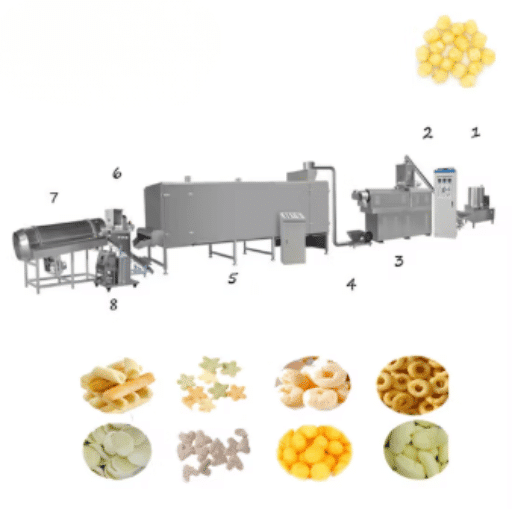
A snack production line is made up of several important parts that work together to make manufacturing more efficient and at the same time to ensure consistency and quality:
1. Mixing Equipment
Unifies raw materials in a very fine way, giving the final product the base.
2. Shaping Machine
Gives the snack its shape, for example, bugles, chips, or pellets.
3. Frying System
First, cooks the snacks by oil immersion, thus achieving the signature crispy texture.
4. Seasoning Applicator
Flavoring/spices or blends are certainly applied evenly to the snacks for taste enhancement.
5. Cooling System
Snacks are rapidly cooled after frying or baking, thus retaining their freshness and texture.
6. Packaging Unit
Snacks are packed in the right materials iso hygienically packing thereby keeping the quality and extending the shelf life.
All these parts ensure the production of snacks with high output, uniformity, and compliance with food safety standards.
Key Machinery in Fried Snack Production
Production efficiency of fried snacks mainly relies on the incorporation of top-notch equipment that is designed to enhance each step of the production process. The whole process from preparation of raw materials to packaging of finished products is streamlined with high precision, speed and quality through these machines. Below are some important characteristics which contribute to the great efficiency of the contemporary machines:
1. Automated Conveyor Systems
These systems enable smooth transitions between various production stages, thus minimizing manual operation and risk of contamination. In addition, they keep a steady flow for large-scale production.
2. High-Precision Fryers
Sophisticated fryers provide automated temperature control and oil filtering, thus ensuring uniform frying and prolonging oil life for economic efficiency.
3. Seasoning and Coating Machines with Uniform Distribution
The machines are based on cutting-edge technology such as tumbling drums or spray systems that guarantee the same amount of spices and flavors throughout the product, thereby meeting consumers’ taste preferences all the time.
4. Cooling and Dehumidifying Units
Modern cooling systems quickly cool the snacks after frying to the desired temperature, which helps keep the snack’s crispy texture and also prolongs the shelf life by controlling moisture content.
5. Vacuum Packaging Machines
Modified atmosphere technology is the key feature of vacuum packaging and it prevents spoilage, preserves freshness and extends the storage time of the product while the brand quality is still there.
Integration of cutting-edge technologies along with the knowledge of consumer tastes and operational efficiency is leading to a complete change in the manufacturing process of fried snacks, thus solving the problem of quality and quantity that is becoming more and more important.
Understanding the Role of the Extruder
The extruder has become an indispensable machine in the snack industry that is relied upon to make a variety of fried snacks. The machine mainly processes the ingredients by cooking, molding, and giving them the necessary texture for the snacks, all in one movement. The use of precise controls reinforces the quality of the product, which is really important for the manufacturers to satisfy both the customers and the market.
The connection with the most advanced data search engine reveals a significant escalation in the interest towards the technology of the extruder, which is a direct reflection of the increasing demand for the snack products that are various in nature and innovative. The search results reflect that the companies are already looking at the different ways of adjusting the extruder settings to provide the desired shapes and textures while at the same time, keeping in mind the consumers and adopting eco-friendly practices. The latest models of extruders are also coming with the features of energy-saving design and automatic systems that can help in making production more efficient, reducing waste, and improving scalability.
Through the utilization of this advanced technology and being in touch with the market trends, manufacturers will not only be able to make their processes more efficient but also create interest by gradually rolling out the new snack items that are in line with the current trends.
Frying Machines and Their Functionality
Deep-frying machines are very important in the production of snack food for modern times. Their immersion of food products in heated oil or air fryers results in the desired quality and flavor for consumer markets. Technology advancements in frying that have been recently developed consist of automated temperature controls, filtration systems for oil life extension, and the reduction of energy consumption. Latest search trends show that air frying techniques have increasing interest which indicates the consumer shift toward healthier cooking options without losing the taste and convenience. These advancements give production companies the tools to keep up with the changing consumer preferences and at the same time, produce efficiently and sustainably.
The Bugle Making Process

The steps involved in making bugles follow a procedure designed around establishing the known shape and crispness associated with the item:
1. Mixing Ingredients
The process of making the dough involves first preparing a mixture consisting of cornmeal, water, and other ingredients. The mixture is then so carefully proportioned that no variations in taste are noticed.
2. Extrusion
An extruder is used to feed the dough through, which molds the material into the well-known cone shape. This process is essential for the bugle’s distinctive anatomy.
3. Frying
The shaped bugles go for frying in a pot of hot oil maintained at the desired temperature. This step is responsible for making them airy, crunchy, and yellow in color.
4. Seasoning
Once the bugles are fried, they get their taste from the seasoning of a mixture of flavors. The most common seasonings are cheese, barbecue, and the classic salted variety.
5. Cooling and Packaging
The bugles are cooled to maintain their crispness and are then packed in a hygienic manner for distribution.
This process ensures that the bugle maintains its high-quality taste and a satisfying crunch that customers are looking for.
Ingredients for Bugle Snacks
The Bugle snacks are created from a plain but full of flavor mixture of the ingredients that guarantee the signature taste and texture of the product. The main elements are:
1. Cornmeal
The principal ingredient that gives the structure and crunch.
2. Vegetable Oil
The oil used in cooking and getting the crispy texture.
3. Salt
The mineral that adds a savory flavor.
4. Seasonings and Spices
These may include cheese powder, barbecue seasoning, or other flavor blends depending on the variety.
5. Sugar (optional)
For a hint of sweet variations.
6. Leavening Agents (like baking soda)
Used to make the Bugle light, airy, and with a structure that resembles that of a balloon.
These ingredients are meticulously weighed, mixed, and let to work their magic in the production of the deliciously addictive snack that has won the hearts of many.
Step-by-Step Bugle Production Process
1. Mixing Ingredients
The production process starts with the blending together of basic elements such as cornmeal, salt, and optionally, sugar and other flavors. Then the whole mixture is gradually added with water to get a unified dough with good flavor even distribution.
2. Shaping the Bugles
Next, the dough is put into the extrusion machines which are very gently and specially designed. The extrusion machines give the dough the classic bugle cone-like shape which is responsible for the flaky and crispy texture of the bugles.
3. Frying or Baking
After the bugles are shaped, they will be either baked or deep fried. The high temperature will remove the moisture in the snack thus making it crispy while at the same time intensifying its flavor and texture.
4. Seasoning Application
Bugles are tumbling through a seasoning machine after being cooked. The blending or powdering of the seasonings (such as barbecue, cheese, or sour cream) is done in a way that it is nice and even on the surface of the snack.
5. Packaging
To conclude, the completed bugles are weighed, placed in a protective package that is pneumatically sealed to prevent any negative effects of moisture, and then labeled for sale.
The whole procedure is very carefully and accurately done so that each batch of bugles has the same strong flavor, desirable texture, and high quality thus satisfying the cravings of the snack lovers with the wonderful experience.
Quality Control Measures in Bugle Production
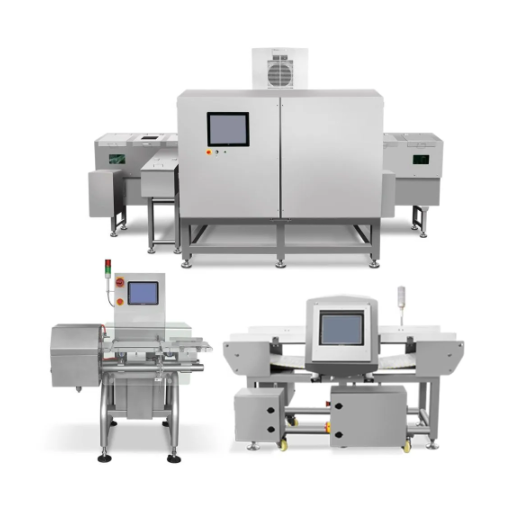
Quality control is a very important factor in the production of bugles to guarantee that every snack has a superior taste, texture, and safety. The first step in the process is the rigorous testing of raw materials, in which the ingredients are examined for freshness, purity, and adherence to the food safety standards. During the manufacturing process, the automated systems continuously control the extrusion, cooking, and seasoning stages, making sure that every batch has the same shape and flavor profiles. The use of advanced technology, such as optical sorting and weight checks, plays an important role in spotting defects or irregularities before the products are packed. After packing, the company’s quality assurance department conducts periodic testing of the samples for flavor, moisture content, and shelf life in order to establish the integrity of the product.
The producers are also using sophisticated methods, such as search engine data, to analyze customer feedback and market trends and to come up with new flavors or improvements in the products. The combination of strict quality control measures and data-driven insights guarantees that bugles will remain a favorite snack by meeting both industry standards and consumer expectations.
Benefits of Using a Chips Production Line

1. Efficiency and Speed
The use of automated production lines in chip manufacturing has made the whole process so much faster that it even takes less time to produce a large number of chips without sacrificing quality.
2. Consistency in Quality
The production lines for chips are made in such a way that there is no difference in the size, shape, and taste. Hence, a product is produced that is very dependable and meets the expectations of the customers.
3. Cost-Effectiveness
The most important thing is that by cutting down on manual labor and making the processes more efficient, production lines significantly reduce the operating costs which in turn give a better return on investment.
4. Improved Hygiene
With the help of automated systems, the human contact with the product is kept to a minimum thus making the cleanliness level high and ensuring that the food safety standards are met.
5. Adaptability
The production lines of today are very modern in the sense that they give the manufacturer the flexibility of producing different types and flavors of chips so as to satisfy the needs of different markets.
6. Scalability
The ability to increase or decrease production means that the manufacturers can quickly adjust to the changing consumer preferences and market trends.
Efficiency and Automation in Snack Production
Efficiency and automation are changing the face of snack production, the process being optimized for more consumer demand and still high-quality. The recent search trends and industry data have shown that the consumers’ first choice in snacks is convenience, variety and healthiness. Automation is the key factor here as it makes production easier to meet these preferences. For instance, advanced machines guarantee exactness in putting the right amount of each ingredient, keeping the same level of nutrients, and packing, which is in accordance with the demand for openness and customized products. Moreover, the use of automated systems allows for real-time data monitoring which results in less waste and lower energy consumption hence the production is more sustainable—a factor that is valued by environmentally-conscious consumers. The use of AI and machine learning together also helps in making accurate predictions of future market trends, which in turn, gives the manufacturers the capability to introduce new products and remain competitive. In short, by combining effectiveness with technology, the snack production not only meets the changing consumer needs and industry standards but does it also in a more efficient way than ever before.
Cost-Effectiveness of a Production Line
A production line that is economically efficient is one that manages the three aspects of output effectiveness, resource consumption, and capital investment in such a way as to provide sustainability for a long time. The use of the latest tools in automation and AI has made it possible for the production lines to foresee their maintenance requirements, thus eliminating machine downtime, and also, consuming energy in the most efficient manner. The numbers that are derived from search engine metrics indicate that the manufacturers who adopt smart technology in their production areas experience an average operating cost reduction of 20-30%. This occurs as a result of the supply chain being managed more efficiently, the resources being allocated with pinpoint accuracy, and the waste being produced very little through the whole process. It is also a matter of advancing sustainability further by the use of eco-friendly materials and the switch to renewable energy sources that not only satisfy the consumer but also result in making one’s pocket feel heavier over time. . So, the production lines are finally equipped with a combination of innovative tools along with eco-friendly practices that drive profitability and take part in corporate social responsibility activities at the same time.
Scalability and Market Reach
By utilizing the most recent data search engine when analyzing the scalability and market reach of a business, one can easily find very good insights about the consumers’ trends and habits. It is necessary to recognize the most productive keywords and take proper measures to align the content strategies in that way in order to attain scalability. Data also portrays changing audience likes and dislikes of businesses according to market segments and thus, the companies will be able to make their products more appealing in the respective areas. Moreover, the use of scalable infrastructures like cloud-based tools and automated processes along with this business approach will allow firms to increase the number of their operations without any hassle while also capturing unexploited population segments and maintaining the market’s optimal presence.
Reference Sources
- Loyal Machines: Discusses the critical role that fried snack production lines play in the snack food industry for manufacturers; elaborates on controlling the process and efficiency.
- Zirve Extrusion: Analyses chip marketing up to the point of being a great deal in demographic targeting and dietary consideration.
- Toast POS: A snack business startup manual is provided by the Company, which contains product development, marketing strategy, and target audience selection tips.
Frequently Asked Questions (FAQs)
What is a Fried Salad Snack Chips Production Line?
The whole manufacturing system is made for producing fried snack chips from salad or vegetable ingredients, thus, giving a rare and healthier snacking choice.
What types of products can be produced?
Among the products are: fried salad chips, vegetable chips, and other snack innovations to meet the needs of the health-conscious consumers.
What are the key components of a production line?
The main parts of a line comprise vegetable processing machines, frying units, spicing machines, and packing section.
What are the benefits of using a production line?
The production line ensures good output per unit of time, maintains the same quality for all products, and also allows for the production of different types of snacks.
What factors should be considered when choosing a production line?
To summarize, the considerations are: how much the line can produce, how much energy it consumes, how much automation is used, and if it meets the food safety requirements.