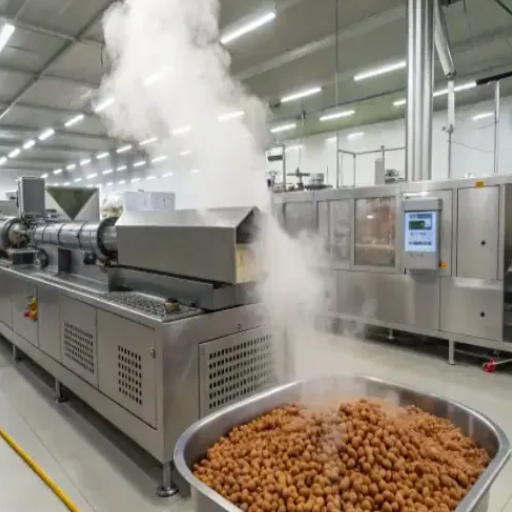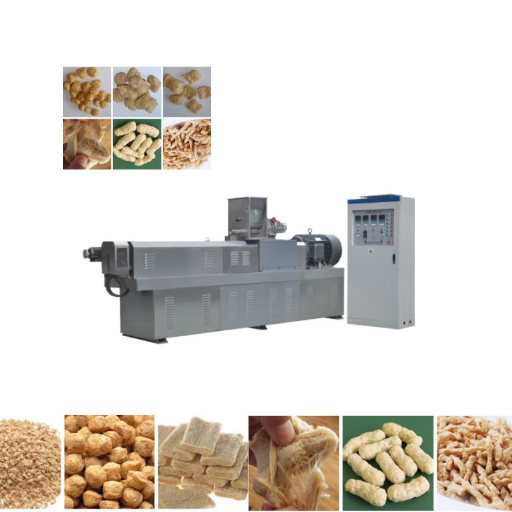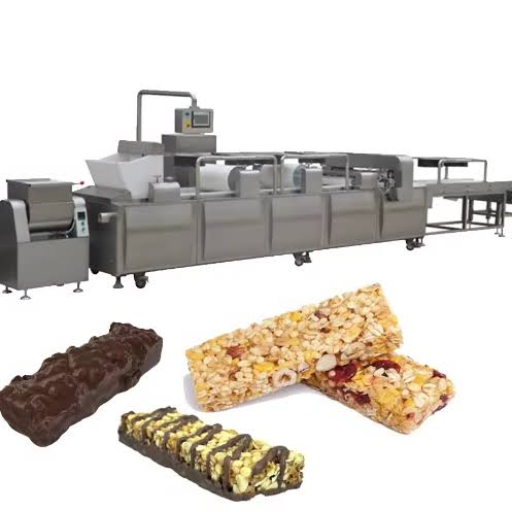
The selection of the proper machinery for the production of pet food is considered one of the main dilemmas manufacturers have to face. The two commonly used alternatives—pet food extruders and pellet mills—both have their own pros and cons, and many take a position in the middle and continue to wonder which one is more suitable for their requirements. This article investigates the fundamental differences between the two methods, analyzing their operations, output, and the kinds of pet food they are most appropriate for. Whether your target is high-quality output or efficiency, this thorough comparison will assist you in making a savvy choice. Continue reading to recognize which alternative is in line with your production objectives and also discover ways to enhance the process of your pet food manufacturing.
Introduction to Pet Food Extrusion
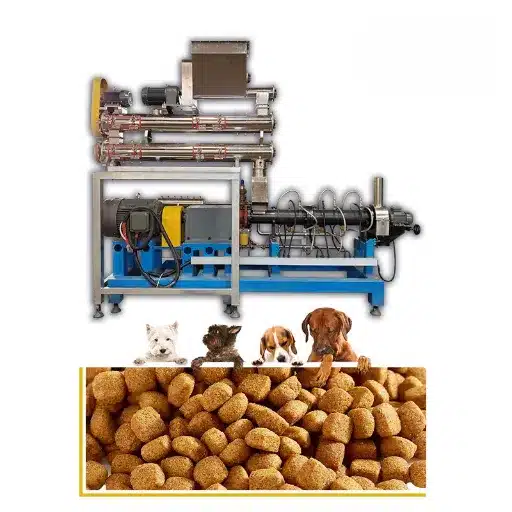
Pet food extrusion is a method of production that guarantees the same size, shape, and nutritional value of pet food throughout the whole process. By putting together a mixture of ingredients and forcing it through a specially designed machine called an extruder, the mixture is subjected to heat, pressure, and mechanical shear which causes it to become cooked and shaped at the same time. Through extrusion, the cooking process is directly controlled; therefore, safety is assured, nutritional quality is preserved, and texture is achieved as per requirement. This method is so flexible that it can produce not only dry kibble but also semi-moist food and even treats, catering to the entire range of pets’ dietary requirements.
What is Pet Food Extrusion?
Pet food extrusion, a manufacturing process, is one of the widely used methods to produce various pet food products by mixing, shaping, and cooking the ingredients with high heat, pressure, and mechanical force. Recent reports suggest that pet food extrusion is still the best method for producing both dry and semi-moist products in an easy and large-scale way, which in turn enables the manufacturers to maintain the same level of “consistency”, “safety”, and “quality” in every batch. Notably, modern extrusion technology has flourished to a very high level, where it is now being used for such things as, precise ingredient blending, energy-saving systems, and even die plates that can be adjusted to produce different shapes and textures for the final product. Furthermore, this method not only guarantees that the nutrients of the ingredients are preserved but it also allows for the addition of specially designed formulations that meet specific dietary needs such as grain-free, high-protein, or allergen-free diets. Thus, extrusion with its flexibility and effectiveness, is still a primary solution in the pet food industry to meet and even attract more consumers with its wide variety and high-quality pet food options.
The Importance of Extrusion in Pet Food Manufacturing
The process of extrusion is fundamental to the whole production of the modern pet food industry as it can give rise to safe, nutritious, and extremely appetizing products. The technology used in extrusion ensures consistent product quality by cooking ingredients at very high temperatures, which kills harmful microorganisms while retaining essential nutrients. It is this very flexibility that enables producers to offer various forms, textures, and sizes of products to cater to the different tastes and feeding habits of pets. Moreover, through the use of probiotics, omega-3 fatty acids, and specialized proteins, extrusion not only supports innovation but also enhances the health benefits of the final product. The final beneficial features of this extrusion are that it provides low-cost production and allows for mass customization, making it a major driving force in the global pet food market’s expansion.
Overview of Extrusion Technology
Extrusion technology is an adaptable processing technique that is not limited to pet food production; it is widely accepted in many industries. It pushes the mixture of materials through a system that applies heat, mechanical energy, and pressure, resulting in a shaped product through a die of a particular design. The heat, pressure, and shear work together during the extrusion process, not only cooking the ingredients but also lessening the number of microorganisms and making the substances more assimilable. Moreover, it makes it possible to add a vast array of additives, nutrients, and flavors which gives the flexibility of customizing the products to meet specific requirements. Owing to its effectiveness, large-scale production, and quality of products that is always high, extrusion remains the modern technology that is most favored in the manufacturing industry.
Comparing Extruders and Pellet Mills
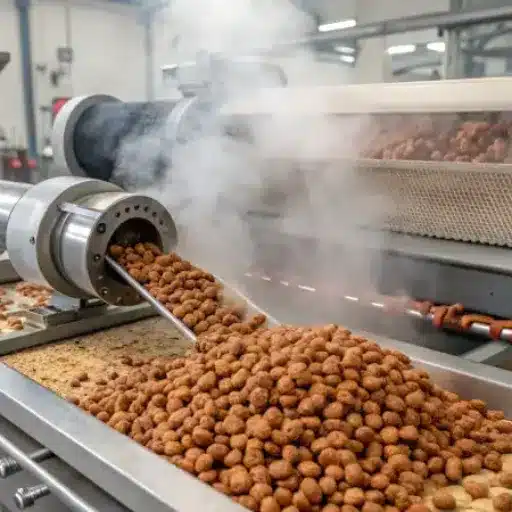
Extruders and pellet mills differ in terms of processing methods, product texture, flexibility, energy use, and applications.
| Key Point | Extruders | Pellet Mills |
|---|---|---|
| Method | High-temp, shear | Compression |
| Texture | Varied | Uniform |
| Flexibility | High | Low |
| Energy Use | Higher | Lower |
| Applications | Versatile | Standard |
| Moisture Input | Wide range | Limited |
| Product Shape | Diverse | Fixed |
| Cost | Higher initial | Economical |
| Scalability | Better | Moderate |
| Added Nutrients | Easy to add | Limited |
Key Differences Between Extruders and Pellet Mills
Extruders and pellet mills differ primarily in their mechanisms, temperatures, moisture handling, output shapes, and applications.
| Key Point | Extruder | Pellet Mill |
|---|---|---|
| Mechanism | Screw-based | Roller-die |
| Temperature | High | Low |
| Moisture Use | Low required | Moderate |
| Product Shape | Diverse | Uniform |
| Applications | Versatile | Specific |
| Energy Use | Higher | Lower |
| Output Texture | Expanded | Dense |
| Flexibility | High | Low |
| Processing Speed | Fast | Moderate |
| Preconditioning | Often needed | Rare |
Advantages of Using an Extruder for Pet Food Production
- Versatile Product Options: Thanks to extruders, pet food can be produced in different shapes, sizes, and textures, making it possible to meet the various dietary needs and preferences of customers.
- Enhanced Nutrient Delivery: The digestion and availability of nutrients in pet food are improved through the processing of extruders at high temperature.
- Efficient Processing: Production rates are faster because extruders operate at high speeds, leading to increased efficiency in meeting large-scale demands.
- Customizable Formulations: The ability to control ingredient mixing and processing has reached a new level, enabling the development of the most insinuating and accommodating formulations for pet health requirements through extruders.
- Improved Shelf Life: The extrusion process cuts down on moisture content, thus prolonging the shelf life of the product and reducing the chances of microbial growth.
When to Choose a Pellet Mill Over an Extruder
Pellet mills are the most suitable equipment when simplicity, cost-effectiveness, and specific product requirements match. Uniform cylindrical pellets are their byproduct most, especially in the animal feed, biomass, and fertilizer industries. Pellet mills are primarily suitable when lower production costs are the most significant factor or when mediocre quality does not require the advanced processing of an extruder, such as controlling texture or making only expanded shapes. Moreover, for high-throughput operations with simple formulations and minimal customization, pellet mills take a larger share of the efficiency pie compared to other machines.
Types of Extruders for Pet Food Processing
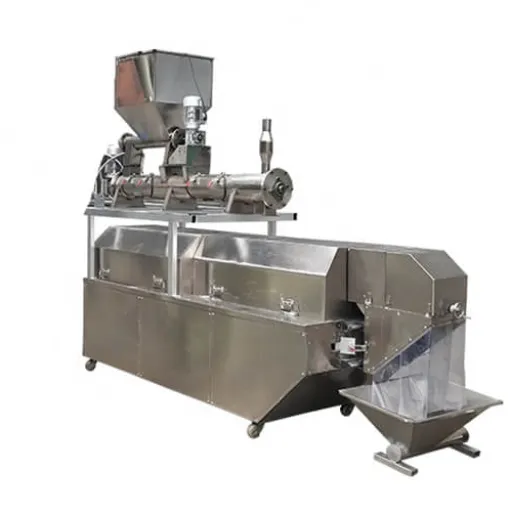
Single-Screw Extruders
Single screw extruders are typically used for the simplest pet food formulations because they are not only cost-effective but also ideal for processes where texture or shape variability does not play a significant role.
Twin-Screw Extruders
Apart from the flexibility of processing, twin-screw extruders are made explicitly for complex pet food formulations and will help you to control accurately the moisture content, temperature, and mixing of ingredients.
Co-Rotating Twin-Screw Extruders
The particular type of twin-screw extruder has screws that rotate in the same direction, allowing it to blend and mix equal doses of sensitive or delicate ingredients.
Counter-Rotating Twin-Screw Extruders
The opposite directions of the screws enable these extruders to provide increased compression, which is why they are frequently chosen for high-viscosity material in specific pet food processing applications.
Wet Extruders
Wet extruders incorporate moisture or steam during the extrusion process, which is advantageous when manufacturing soft or semi-moist pet food.
Cold Extruders
Cold extruders, designed for temperature-sensitive materials, process raw ingredients or generate specific product features without using heat.
Specialty Extruders
These kinds of extruders are personalized for particular applications or novel pet food formats, such as snacks, treats, or specific dietary formulations.
Single Screw Extruders: Features and Benefits
Single screw extruders are the predominant machines used in pet food manufacturing because of their straightforward design, high efficiency, and reasonable price. The process involves the use of one rotating screw inside a cylindrical barrel where raw materials are mixed, heated and pressurized. The main benefit of single screw extruders is their versatility; their fittings are suitable for a wide variety of formulations and ingredient mixtures, including both dry and semi-moist types. They are, in addition, less complex in maintenance than twin-screw extruders, making them an appealing option for manufacturers looking for reliable and easy-to-use processing equipment. Even though they are simple, single screw extruders can provide high levels of precision and control thereby ensuring consistent product quality across the range of pet food applications.
Hybrid Extruders: The Best of Both Worlds
The hybrid extruders mix the virtues of individual screw and twin-screw technologies thus giving the manufacturers more options and enhanced processing capabilities. The systems are also a major flexibility factor, making it possible to process various ingredients and formulations. In addition to that, hybrid extruders are better in cooking and shaping control which leads to product quality being consistent. Suppose you want to waste less time and money in production without losing quality and reliability. In that case, these products are the best choice, as manufacturers have designed them for efficiency and adaptability.
Choosing the Right Extruder for Your Production Needs
Choosing the right extruder for your production line requires careful consideration of several factors that align well with your production goals. To start with, you should evaluate your application requirements, including the kinds of materials to be processed and the properties of the final product. It is essential to check the extruder’s capacity and throughput so they can meet your production volume needs. Besides, think about the extent of automation and control that come with the machine, as these factors are likely to have a significant influence on the efficiency and consistency of the production process. Coming up with the right balance among these factors, including energy consumption and maintenance, will definitely lead to a better decision. A reliable supplier who can provide individualized suggestions and offer technical assistance will go a long way in helping you identify the extruder that best matches your specific production needs.
Extrusion Process in Pet Food Production
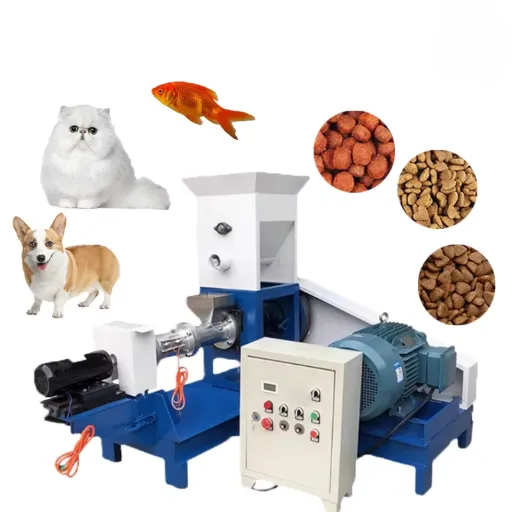
The extrusion process in cat food production entails cooking and molding the components into the specified shapes by applying pressure, heat, and mechanical shear. It guarantees the same kind of texture throughout the whole production, improves the ability to digest, and makes it possible to incorporate nutrients exactly. Thanks to the extruder, producers can create various types of pet food, from dry kibble to semi-moist products, with consistent quality and storage stability.
Steps in the Pet Food Extrusion Process
- 1
Grinding and Mixing
Careful grinding and thorough mixing of the raw materials, which consist of grains, proteins, and vitamins, are all done to obtain a homogenous blend of fine particles. - 2
Pre-Conditioning
The mixture is treated to steam and moisture for curing, which not only improves its consistency but also prepares it for extrusion by softening and partially cooking the mixture. - 3
Extrusion Cooking
The conditioned feed mixture is transferred to the extruder, where high pressure, heat, and mechanical shear are applied to cook the ingredients and shape them into the desired forms before passing through the extruder die. - 4
Shaping and Cutting
The die is where the extruded product exits, and from there, it is also shaped and cut to specific sizes and forms that conform to the product specifications. - 5
Drying
After shaping, the pieces are immediately directed to the drying system, where moisture is extracted until the desired shelf-stable consistency is reached. - 6
Coating (Optional)
The coated product is then cooled to a temperature similar to the environment to maintain its structure and prevent the formation of moist spots in the packaging. - 7
Cooling
The processed and dried product is cooled down to room temperature to stabilize its structure and eliminate the risk of moisture condensation inside the packaging. - 8
Packaging
Ultimately, the packaged pet food is stored in air-tight containers or bags to maintain its freshness and longevity.
The Role of Heat and Moisture in Extrusion Cooking
The extrusion cooking process relies heavily on heat and moisture, which are the main factors that determine the textural, nutritional, and structural aspects of the final product. During the extrusion process, heat is generated by mechanical friction and external thermal sources, ensuring starch gelatinization and protein denaturation. Moisture, which is added in the form of steam or water, works with heat to create a plasticized matrix that allows the material to flow easily through the extruder. The exact combination of heat and moisture is essential; too much or too little may negatively impact the product’s quality, causing issues such as uneven texture, lower nutrient retention, or lack of structural support. In combination, heat and moisture create a synergistic relationship that transforms raw ingredients into safe, good-tasting, and long-lasting pet food products.
Impact of Extrusion on Protein and Nutrient Retention
Extrusion has a momentous impact on the nutritional quality of pet food, particularly protein and nutrient retention. The high temperatures and pressures applied during the process may result in protein denaturation, which makes the proteins more easily digested as they become more accessible to the enzymes in the animal’s digestive system. On the other hand, if the heat is too high, specific nutrients that are sensitive to heat, like vitamins and amino acids, can be destroyed, thus cutting down the nutritional value of the food.
Moreover, another major factor is the moisture content during extrusion, which affects nutrient stability. By controlling the amount of water, it is possible to minimize the loss of key compounds like lysine, a vital amino acid for pets. Besides, the cooking process effectively kills the microorganisms that cause diseases, making the food safe for consumption without affecting its structural integrity, provided the conditions are appropriately managed. Hence, extrusion can improve the digestibility and safety of the food. Still, it is crucial to balance the processing parameters to ensure the overall nutritional profile of the product is not affected.
Applications of Extrusion in Pet Food
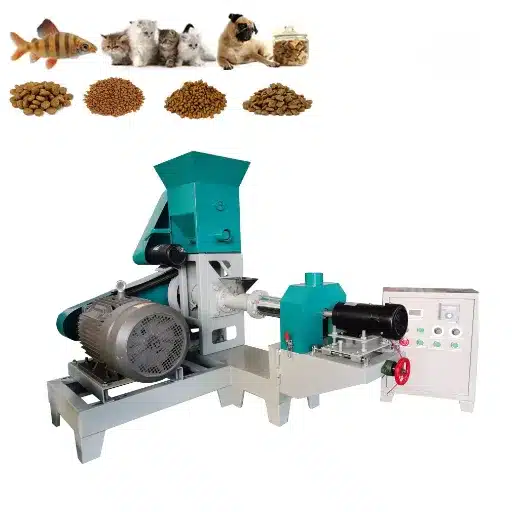
- Creation of Dry Kibble – Dry kibble is produced through extrusion, a process that primarily ensures consistency in the size, shape, and texture of the final product. This consistency, in turn, enhances the packaging and storage of the product.
- Enhanced Palatability – Extruders can add flavor enhancers at the same time when the extrusion process is going on, thus increasing the taste and making the food more attractive to pets.
- Nutritional Customization – The extrusion process opens up opportunities for the production of pet food tailored to specific dietary needs, such as weight management or food sensitivities, by allowing precise adjustments in ingredient composition.
- Shaping Treats and Snacks – Treats for pets are made by extrusion technology and they have different shapes and textures which make them more appealing and thus more marketable.
- Integration of Supplements – Extruded pet food can have vitamins, minerals, and other supplements mixed evenly in it, so that balanced nutrition can be found in each serving.
Diverse Shapes and Sizes: Customizing Pet Food Products
Pet owners are looking for products that meet not only their pets’ nutritional needs but also their preferences and consumption habits. The use of extrusion technology allows manufacturers to produce pet food in a wide range of shapes and sizes, thus catering to the requirements of different breeds, age groups, and diets. For example, the petite kibble sizes fit perfectly for small dogs or cats, while the larger pieces meet the requirements of larger breeds. Also, the peculiar shapes can either enhance the engagement or prolong the eating time, solving the problem of fast-eating pets. Such a high degree of customization ensures that pet food is both functional and attractive, leading to more satisfied pets and loyal owners to specific brands.
Efficient Production Solutions for Different Pet Treats
The efficient production of pet treats begins with process optimization, which involves using high-quality equipment specifically matched to the type of treat being produced. For example, in the case of baked treats, automated mixing and shaping machines maintain quality and reduce production time. Treats that are freeze-dried and dehydrated use effective drying technologies that preserve nutrients and prevent spoilage for an extended period. Extruders that can change their settings are perfect for sweet or chewy treats thus allowing the producers to choose the size, texture and taste. To make it even more efficient and safe, the manufacturers implement quality assurance measures in every segment of the production from raw materials to finished products. Eventually, all of these solutions combined grant the manufacturers high efficiency, lower price levels and the ability to cater all the pet owners’ different needs.
Hybrid Systems: Combining Technologies for Enhanced Efficiency
Hybrid systems unify different technologies to make the production process smoother and more efficient overall. By bringing together the good features of other machines, for instance, the extrusion and molding technologies, the manufacturers can reach a higher level of productivity and at the same time do not compromise the quality of the product. These systems offer a higher degree of flexibility, making it possible to produce different shapes, textures, and formulations to satisfy market demands. Besides, hybrid systems significantly reduce costs by decreasing waste and energy consumption, making them a choice that is both eco-friendly and economically viable for modern manufacturing practices.
Reference Sources
-
North Carolina State University – Extrusion Processing
Extrusion Processing: A Versatile Technology for Producing Foods and Feeds
This source discusses the use of extrusion in producing both human and pet foods. -
Montana State University – Food Product Development Lab
Food Extrusion Unit – Food Product Development Lab
Provides insights into the development of extruded food products, including pet food. -
Kansas State University – Grain Science and Industry
KSU Extrusion Handout
Details the use of extruders for processing food and feed products, including pet food. -
Kansas State University Repository
Physico-chemical and shelf-life between baked and extruded pet foods
Explores the differences between baked and extruded pet foods, with a focus on extrusion’s role in pet food production. -
PubMed Central (PMC)
Extrusion Processing Modifications of a Dog Kibble
Discusses extrusion cooking as the most common process for producing pet foods worldwide.
Frequently Asked Questions (FAQs)
What is a pet food extruder and how does it work?
A pet food extruder is a machine extensively used in the pet food industry to produce various types of pet food, such as dog and fish food. Extrusion is the central phenomenon in which the mixture of the raw materials is pushed through a heated barrel by a rotating screw. Thus, during the cooking process, as the food is shaped into desired forms, it offers high-quality extrudates that are nutritious and appetizing to pets.
How does a twin screw extruder differ from a single screw extruder?
The twin-screw extruder is equipped with two intermeshing screws that improve mixing and processing efficiencies compared to a single screw extruder. This feature enables an even distribution of ingredients, for instance, fresh meat inclusion and vegetable proteins, mainly promoting complex formulations of pet food with co-extruded products being an example.
What are the benefits of using extrusion technology in pet food production?
Extrusion technology is to pet food products what cooking is to foods; it enhances quality and consistency. Simultaneously, the process of cooking and shaping improves the digestibility of nutrients in pet food, particularly for dogs. Moreover, it enables a variety of sizes and shapes to be manufactured thereby meeting the different animal preferences and dietary requirements.
Can I configure the extruder for different types of pet food?
Indeed, the setting of the pet food extruders can be manipulated to produce multiple food products, such as dry kibble, soft treats, and aqua feed. The manufacturer can define the melting point, moisture level, screw speed, and other factors to create different textures and nutritional profiles suitable for various pets.
What trends are influencing the pet food extrusion market?
Some of the current trends shaping the pet food industry include the increasing demand for high-quality, nutritious, and sustainably sourced ingredients. Gradually, consumers are putting more emphasis on fresh meat, vegetable proteins, and other natural ingredients thus manufacturers need to come up with such inventive approaches in their extrusion processes.
How can a food extruder improve the efficiency of pet food production?
A food extruder boosts efficiency in pet food production by consolidating cooking and shaping into one operation. This action reduces the time and energy consumption of the pet food production cycle while maintaining high quality. The modern extruders are so efficient that their higher throughput lowers production costs, thereby driving prices down.