Breadcrumbs may look like a modest kitchen essential, but their cooking potential and significance cannot be overrated. Whether you are planning to get the ideal crispy coating for fried chicken, adding crunchy bits to casseroles, or binding your preferred meatball recipe, breadcrumbs are the indispensable ingredient that changes ordinary dishes into masterpieces. The convenience of store-bought options doesn’t diminish the value of homemade breadcrumbs, which provide superior flavor, texture, and quality control while being the more economical alternative. This guide teaches the easy and effective steps to producing fresh and tasty breadcrumbs quickly.
Introduction to Bread Crumbs
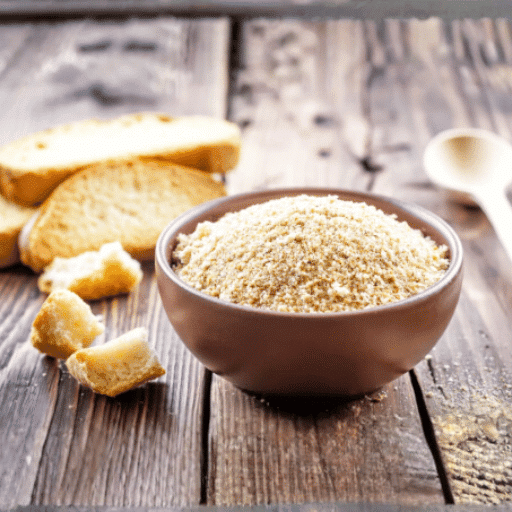
Bread crumbs are tiny, little pieces of bread that are primarily used in cooking for texture, flavor or binding purposes. Their versatility in use depends on the type of bread they are made from, whether it be fresh, dried, or toasted. The cooking industry mostly uses bread crumbs as a coating for fried foods, thickeners in soups or sauces, or to give an extra layer of crunch to baked dishes. Making bread crumbs at home means that you can adjust the size, seasoning, and quality according to your culinary needs.
What are Bread Crumbs?
Breadcrumbs are very small broken pieces of bread that can be used in many cooking ways—as a coating, thickening agent, or texture improver. They come from different kinds of bread, depending on the recipe for extra taste or crunch.
Types of Bread Crumbs
Bread crumbs can be basically divided into three distinct categories:
- Fresh Bread Crumbs: Soft and moist, they are produced by fresh or slightly aged bread. Their excellent absorbing properties and delicate texture make them the first choice for stuffing or blending in dishes.
- Dry Bread Crumbs: They are created with toasted or totally dried bread, and thus, they have a finer and crunchier consistency. They can be used quite well for coating or binding recipes.
- Panko Bread Crumbs: They are finely produced Japanese-style bread crumbs with large, airy flakes which can be used for a light, crispy coating on fried foods.
Uses of Bread Crumbs in Cooking
Bread crumbs are used in cooking for a variety of purposes and they improve both the texture and the taste of the dish. The most common way they get used is as a coating for fried or baked dishes, which results in a golden, crispy crust. They also act as a binder in dishes like meatballs or meatloaf, binding the ingredients together very nicely. Apart from that, bread crumbs are just right for giving a crunchy topping to casseroles, baked pasta or gratins. They can also be employed to thicken soups and stews or as a filler for stretching the ingredients in recipes. Being versatile and easy-to-prepare, bread crumbs are able to contribute with their unique textures to a lot of different dishes.
Ingredients for Making Bread Crumbs

Essential Ingredients:
- Bread (any kind, including white, whole wheat, sourdough, or gluten-free)
- Optional seasonings (for example, salt, garlic powder, herbs like parsley or oregano, and grated cheese for flavored bread crumbs)
The use of these basic ingredients comes with the flexibility and tailoring according to the choices of your recipe.
Types of Bread for Breadcrumb Making
Any kind of bread can be converted into bread crumbs, more or less depending on the taste and feel you want. White bread makes a flavorless ground, whole wheat gives a tastier and more earthy flavor. Sourdough gives a distinctive flavor and gluten-free options serve people who require special dietary accommodations. Moreover, stale bread is good both for cutting down on waste and making crusty crumbs.
Optional Ingredients and Additives
In order to make breadcrumbs tastier and more versatile, you can mix in different optional ingredients. Among the most common ones are dried herbs, such as oregano, parsley, and thyme for flavoring, and spices such as garlic powder, paprika, and cayenne for heat. Besides, the rich taste of grated parmesan cheese and the refreshing smell and taste of lemon zest are also available. If you want to make your mixture sweeter, then you can add either cinnamon or nutmeg. With these additives, you will be able to adjust the flavor of breadcrumbs to match certain dishes or cooking habits.
💡 Pro Tip: Choosing Fresh Bread for Quality Crumbs
To get the best crumbs of high quality, fresh bread with a firm texture and low moisture content should be chosen. Day-old or a little stale bread gives the best results since it is easy to grind without forming clumps. Do not use very soft, treated bread because it does not have the quality to give good, uniform crumbs. Dense crumbed artisan or rustic loaves are perfect for getting the best results.
The Bread Crumb Production Process

Step-by-Step Guide
Step 1: Prepare the Bread
Start with your type of bread you like the best. Slice it into smaller pieces to get equal processing. The bread should either be fresh for soft crumbs or a little old for dry crumbs.
Step 2: Dry the Bread (if needed)
For making dry bread crumbs: put your bread pieces on a baking sheet and dry them at a low temperature (around 250°F) in the oven for 10-15 minutes. You should flip them halfway through. The browning of the bread should be avoided.
Step 3: Blend or Process
Put the pieces of bread in the blender or food processor. Pulse until the crumbs are as fine or coarse as you wish—fine crumbs for coating and slightly coarse for stuffing or topping.
Step 4: Season (Optional)
If flavored bread crumbs are required, mix the crumbs with the seasonings, herbs, or even grated cheese. Add them and mix according to your taste.
Step 5: Store
Bread crumbs have to be transferred to a container that is airtight. Fresh crumbs can be stored in the refrigerator for a week or frozen for longer storage. Dry crumbs can be kept at room temperature for several weeks.
Overview of the Breadcrumb Making Process
Bread crumbs are made by a straightforward procedure of drying bread, pulverizing it to the specific texture, and optionally seasoning for taste. Fresh crumbs can be kept in the refrigerator, while dry ones have a longer period of use at room temperature, thus being a flexible necessity for multiple recipes.
Using a Food Processor for Efficient Production
With the help of a food processor, the whole process of making breadcrumbs becomes very fast and easy. Start with tearing bread to pieces of small size, and then put them into the processor. Do the pulsing until the crumbs are of your wanted texture, be it fine or coarse. The process is not only quick but also ensures that all the crumbs are exactly the same size which is a big time saver when compared with manual methods.
Cutting Off the Crust: Is It Necessary?
Cutting off the crust is not absolutely necessary and mainly relies on the final result you want. Crusts can provide additional texture and taste to the breadcrumbs, which makes them great for recipes that ask for a robust consistency. On the other hand, if a delicate or even texture is wanted, then cutting off the crust may be helpful. In the end, it is a matter of taste and the particular needs of your meal.
Setting Up a Bread Crumb Production Line

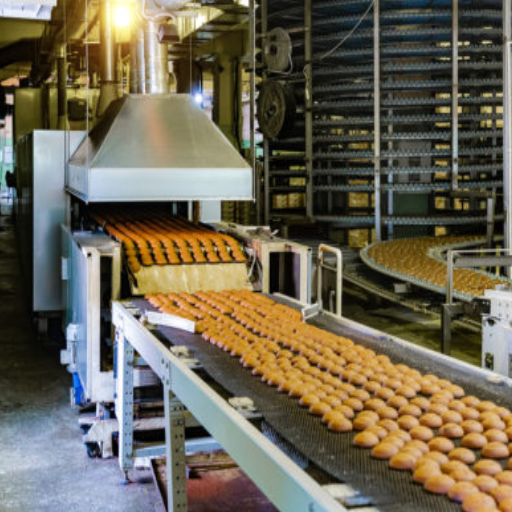
Setting up a bread crumb production line consists of a few important steps that need to be followed to achieve efficiency and consistency:
By following these steps you will be able to not only grow and produce bread crumbs but also keep the quality of the products high.
Essential Equipment for a Production Line
For an effective bread crumb production line, the following machinery is a must:
🔪 Bread Slicer
Used to cut bread into uniform slices, thus making it ready for drying and grinding.
🔥 Drying Oven
Responsible for the even dehydration of the bread slices which is a vital step in achieving the desired texture.
⚙️ Grinder or Crumb Mill
Transforms the dried bread into fine crumbs of the same size.
🔍 Sieving Machine
Used to classify and divide the crumbs so that the particle size is uniform.
🥄 Mixing Equipment
Necessary for the combination of flavors or additives before packing.
📦 Packaging Machine
Simplifies the packing process and guarantees product freshness.
🔄 Conveyor System
Helps the materials to move smoothly between different stages of production.
The purchase of these instruments means the operational process is efficient and production of high-quality products on a large scale.
Steps to Create a Bread Crumb Processing Line
- Assess Requirements – Work out how much production capacity and what exact features are required for your operation.
- Plan Layout – Create a layout that not only provides the optimal workflow but also allows for all the necessary equipment to be accommodated.
- Source Equipment – Buy top-notch machinery consisting of grinders, sifters, mixers, packaging machines, and conveyors.
- Install Machinery – Place the equipment in accordance with the planned layout taking care of all connections and spacing.
- Test the System – Conduct a few trial runs to check that all equipment operates without any problems and that the production standards are met.
- Train Staff – Conduct an extensive training program for the operators and maintenance teams to enable them to work with the machinery skillfully.
- Optimize Production – Regularly monitor the processes and make the necessary changes to maximize the efficiency and quality of the product.
Quality Control Measures in Production
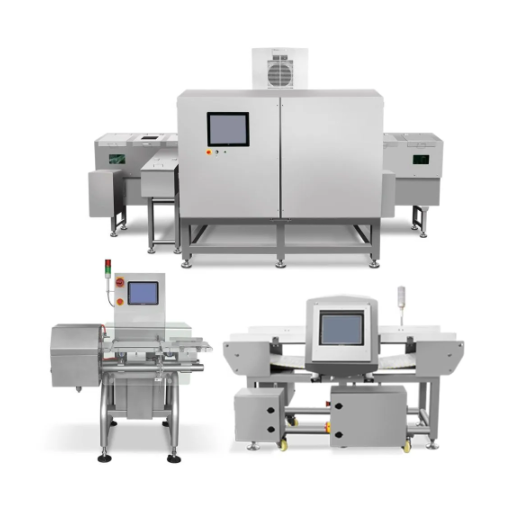
Production quality control is about the application of systematic measures that guarantee products to comply with pre-set standards. The main actions involved are:
Key Quality Control Measures
| Quality Control Step | Purpose |
|---|---|
| Raw Material Inspection | Confirm the quality of incoming materials before they are utilized. |
| Process Monitoring | Keep a watch on the production processes constantly to spot and solve deviations early. |
| Standardized Testing | Carry out frequent testing of products according to the specified criteria and metrics. |
| Final Product Inspection | Execute comprehensive inspections of the finished products to confirm that they are compliant with the design and function specifications. |
| Feedback Integration | Process the customer complaints and the inspection data to develop the processes and lower the defects in the long run. |
The application of the above measures will lead to product quality being invariable and customer satisfaction being improved to a great extent.
Reference Sources
- DataM Intelligence – Bread Crumbs Market Analysis
Offers a comprehensive look at the worldwide breadcrumbs market, consisting of potential customers, trends, and the areas of expansion. - Persistence Market Research – Bread Crumbs Market Size & Share
Divides the market according to different factors, revealing the main types of products and the need for breadcrumbs in various sectors. - Loyal Machines – How Are Bread Crumbs Made in a Factory?
Describes the production of breadcrumbs in factories very comprehensively, highlighting the extrusion techniques and different types of machines involved.
Frequently Asked Questions (FAQs)
What are the main methods employed in the production of bread crumbs?
Extrusion, drying, and grinding processes are the most common methods that are utilized to produce different styles of breadcrumbs.
What kind of breadcrumbs are made in industrial plants?
The industrial plants produce plain, panko, seasoned, and gluten-free breadcrumbs to meet various culinary requirements.
What are the necessary tools for the bread crumb manufacturing process?
The basic tools are dough mixers, extruders, ovens, grinders, and packaging machines.
What are the main components of the breadcrumbs?
Flour, water, and yeast are the main components, plus sometimes seasoning or additives for specific flavors.
What are the major quality standards for breadcrumbs?
Quality standards cover texture, moisture content, and uniformity, thus ensuring that the product complies with food safety regulations.