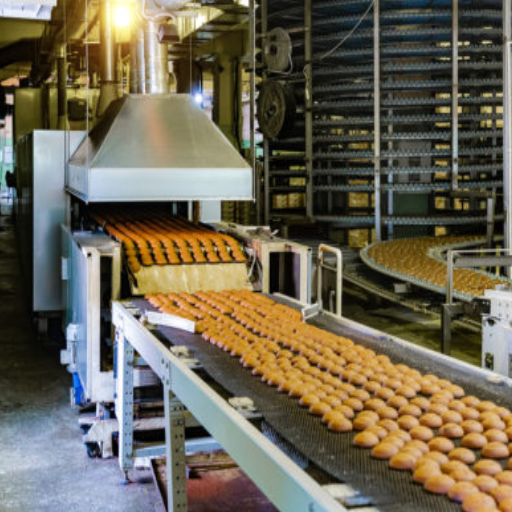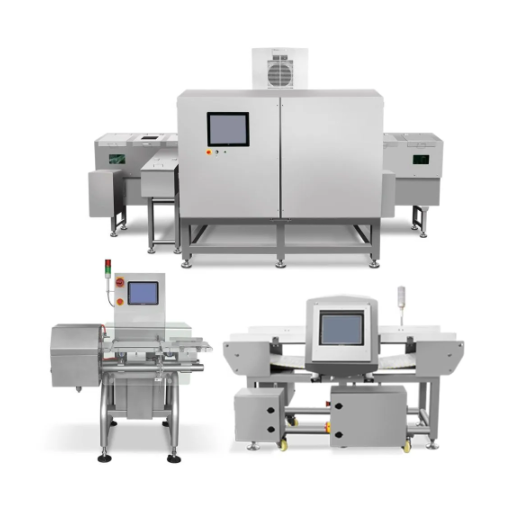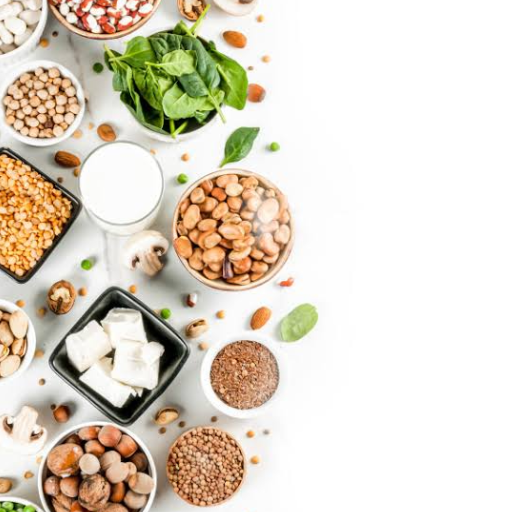
When talking about making the perfect tortilla chip, the whole process is of equal importance as the quality of the ingredients. For manufacturers in the food sector, consistently producing high-quality tortilla chips in larger quantities is no longer possible with just the classic methods—it will require an industrial-scale innovative solution. The tortilla chip making machine, in this case, comes to the rescue as it will be a revolution in the snack production process. This remarkable machine not only allows for higher output but also guarantees accuracy and sameness in each lot. Whether your goal is to increase production or to keep intact the original taste and texture which are liked by consumers, this article will reveal the ways the tortilla chip making machine is preparing for changing the industrial production mode for good.
Understanding the Tortilla Chip Machine
Overview of Tortilla Chip Production Process
The first step in the tortilla chip production process is the selection of the best-quality ingredients, among which the main ones are corn, water, and lime. The corn is then subjected to nixtamalization, which is a labor-intensive process where the corn gets soaked in and cooked in an alkaline solution of water with lime. The process opens up the corn’s nutritional value and flavor and at the same time it also loosens the corn’s outer skin for easier milling.
After the nixtamalization is finished, the corn is milled into masa by a special machine. The masa is then turned into thin, even sheets and cut into triangular or round chip shapes that are recognizable. These chips that have been shaped are cooked in two ways—the first one is that they are baked to take out the moisture and the second one is that they are fried to get the requested crunchiness and golden color. The chips are lastly salted or flavored beforehand going through the cooling stage and being packed for distribution.
The whole process of tortilla chip production is greatly facilitated by machines that are specifically designed for the making of tortilla chips, as they do the necessary steps of shaping, frying, and seasoning automatically, thus ensuring that the final product is consistent and that production is efficient. These machines have become an indispensable part of the modern snack industry because they not only cut down on the amount of manual work but also make it possible to produce large quantities of high-quality chips with the same texture as the ones consumers are used to.
Key Components of a Tortilla Chip Machine
- Dough Mixer: The dough mixer is the starting point for the production of tortilla chips. It mixes masa flour, water, and other ingredients to produce a uniform and elastic dough. This procedure guarantees the chips will have the right texture and structure.
- Sheeting and Cutting System: The cutting and sheeting system operates not only to cut the dough but to roll it into very thin layers as well. He, also, cuts the sheets into the desired shapes (e.g. triangles). It is very important that the pieces are of the same size and thickness because this affects the way the chips will be fried and their final crunch.
- Frying Unit: The frying unit is responsible for the cooking of the chips at exact temperatures. This unit gives the chips their crispy and yellowish color, which is very important for the classic texture that tortilla chips are known for.
- Seasoning Applicator: The chips after they are fried, go directly to the seasoning applicator where they get the coat of salt, or spices, or some other flavoring. The proper application guarantees that the flavors will be evenly distributed which will only help increase the attraction of the snack by its taste.
- Cooling and Packaging System: The system of cooling and packaging cools down the freshly seasoned chips thus locking their texture and flavor in before very quick and efficient packing for distribution. This is the last step that takes care of the chips’ freshness and quality.
The ingredients used in each component are considered very essential for the tortilla chips to be the same in taste, quality and production efficiency. They also blend in a very nice way to fulfill the high demand while still keeping the quality standards expected by the consumers.
Types of Equipment Used in Manufacturing
- Mixers and Blenders: Mixers are complementary tools to raw materials like corn flour and water for forming a uniform dough. Distributors of flavoring and mixers of tortilla chips’ seasonings are the blenders which increase the chips’ attractiveness to the consumers.
- Sheeters and Cutters: The sheeter rolls the dough to the thickness that is wanted while the cutter shapes it into even, triangular pieces. This equipment guarantees consistency in the size and shape of the chips, which is very important for even frying, packaging, and storage.
- Fryers and Ovens: Fryers cook chips to the point of being golden and crunchy, thus, sealing in the flavor and crispness. Some production units may employ ovens for baking instead of frying depending upon manufacturing. Nevertheless, both processes assure the right texture and quality.
- Coolers and Conveyors: Cooling system fastly brings the freshly fried chips to the right temperature and in such a way keep the flavor and texture. Conveyors manually transport the chips during the different stages of the production process very accurately and with very little time consumed.
- Seasoning Applicators:Seasoning applicators not only apply but also evenly distribute various types of the flavors on the chips, from traditional salted to very sophisticated ones like hot or cheesy. This process is the one which brings the attraction to the consumers.
- Packaging Machines: The bags with the chips are sealed off while their quality is being maintained through the use of automated bagging systems. These machines are vital in meeting the transportation standard and the longevity of the products’ shelf life.
Each device or machine in the line is a very important connection that guarantees the production of tortilla chips not only to be economic but also of high quality that the consumers expect. Such a system not only helps to manufacture faster but also minimizes waste while producing a product that matches the taste expectation.
Technical Specifications of Tortilla Chip Machines

Heat and Cooking Requirements
To maintain the ideal cooking and texture of the finished chips, tortilla chip machines need exact heat settings. The frying method usually consists of keeping the oil’s temperature in the range of 350°F and 375°F (175°C to 190°C), making it possible for the chips to have their signature crunch without being too oily. The heating has to be uniform throughout as uneven cooking can produce burnt or undercooked chips. Advanced temperature control systems are commonly fitted into contemporary machines to check and stabilise these cooking conditions.
The cooking period is of utmost importance in tortilla chip manufacturing. The thickness of the chip and the size of the batch are factors that dictate the frying time, which on average lasts from 30 seconds to 1 minute. The industry leans towards the shorter cooking times at high temperatures because it helps to preserve the taste and keep the chip’s shape. Modern machines are fitted with automated timers and sensors enabling minute adjustments and guaranteeing consistency throughout the production batches.
Moreover, heat efficiency significantly contributes to diminishing energy consumption and decreasing operational costs. Heat recovery technology is one of the ways many modern systems deal with excess heat that is usually a byproduct of the cooking process – they recycle it for other uses, thus, energy usage is maximized. These green innovations not only enhance the cooking process but also contribute to the achieving of the wider environmental and cost-saving goals. That is why the combination of the diverse methods, the heat regulation is still considered a foremost aspect of the high-quality tortilla chips manufacturing and to making the production line more efficient and environmentally friendly.
Masa Preparation and Sheeting Technology
Masa preparation is the first step of tortilla chip production that has a significant impact on the final product’s texture and flavor. First of all, the best corn kernels are subjected to the nixtamalization process—a method with a long history where the kernels are cooked and then soaked in an alkaline solution such as lime water. Its nutritional profile is comprehensively increased; corn’s grindability is amplified, and a particular flavor, which is very much a part of the tortilla chips, is imparted. Once the nixtamalization is over, the treated corn is nicely washed to take off the remaining lime and husks, and then it is ground to a very soft and pliable state called masa or dough, which will be the basis of the chips.
The sheeting technology has come a long way, and now it is precise and efficient when it comes to making masa into thin and uniform sheets, which will be cut afterward. High-speed rollers that are really modern and very sophisticated have the ability to flatten the masa in a uniform manner and to the predetermined thickness. This way, every tortilla chip will have the same shape and size. There would be no variation in thickness, and frying would be done evenly, thus the desired crunch would be achieved in the finished product. Besides, the use of automated cutters with adjustable molds allows the producers to change the forms of the chips and thus, keep up with the changing preferences and trends of the consumers and market.
Moreover, the innovative masa and sheeting methods are equipped with the quality control checks and the eco-friendly energy designs. The installation of sensors and imaging technology for monitoring the moisture content and texture of the dough in real-time has been embraced by many systems now. This guarantees that the masa is kept inside the best parameters during the entire process, which in turn results in less waste and better quality of the product. The energy-efficient motors and heat recovery systems used in the sheeting machines for energy conservation further harmony with the sustainability targets making manufacturing both eco-friendly and cost-effective. The combination of the above-mentioned factors gives the tortilla chip business the assurance that the masa preparation and sheeting process will always be of high standard, quality, precision, and efficiency.
Control Systems and Automation Features
Masa preparation and sheeting have been the pivotal points of modern tortilla chip manufacturing. High-tech coupled with advanced technology allows the manufacturers to draw better precision, regularity, and productivity throughout the entire process. These systems keep an eye on the factors that are most critical for the production such as dough thickness, moisture levels, and temperature at the cooking stage, and at the same time, they also allow the operators to make accurate and small changes instantly. Moreover, the use of PLCs or programmable logic controllers and HMI or human-machine interfaces makes the operations much easier and at the same time it leads the production to be flawless even at the highest volume of output.
Among the many positive things about automation, the one that stands out the most is that it has the power to keep downtime and the costs involved in operations significantly low. Here is an example of such a tool—predictive maintenance tools, which is capable of examining how well the equipment is performing and thus predicting if there will be a failure in the near future. Thus, it can help one to avoid unplanned shutdowns. Automation can also help in streamlining changeovers and production adjustments, thus giving the manufacturers the ability to be quick in their responding to demand fluctuations or changes in product specifications. With such features, production lines are run at a high efficiency level while still maintaining consistency in the final product, thus ensuring customer satisfaction.
In addition to this, data collection and analysis are crucially important in the case of these modern automated systems. By making use of sensors and cloud-based platforms, manufacturers have the possibility of collecting and analyzing huge amounts of information on production performance, energy use, and product quality. This data-driven method is supportive of making informed decisions, identifying areas that need improvement, and is also in line with the sustainability goals. The application of the most advanced technology ensures that tortilla chip manufacturers not only keep up with the changing needs of the industry but also remain in the competition in a world that is becoming increasingly automated.
Production Efficiency Across Different Business Scales
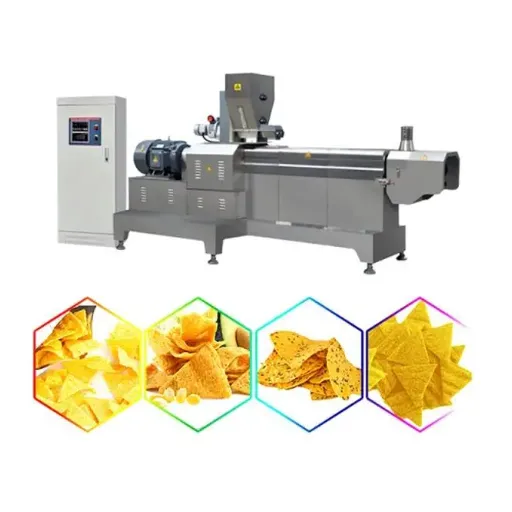
Small Scale vs. Industrial Scale Production
Small-scale production offers flexibility, lower costs, and customization, while industrial-scale production focuses on efficiency, high output, and economies of scale.
|
Key Point |
Small Scale |
Industrial Scale |
|---|---|---|
|
Cost |
Lower upfront |
High upfront |
|
Output |
Limited |
High volume |
|
Flexibility |
High |
Low |
|
Customization |
Easy |
Challenging |
|
Technology |
Basic |
Advanced |
|
Labor |
Semi-skilled |
Highly skilled |
|
Sustainability |
Better waste control |
Higher waste |
Cost Analysis of Different Production Lines
The cost analysis of tortilla chip production lines entails varied factors such as capacity scale, degree of automation, and type of machinery, among others. Small-scale production lines often come with limited initial investment costs at a range of $10,000 to $50,000, the latter range being determined by the machinery’s capabilities and complexity. Such systems are best for local or artisanal producers with tight budgets and selling to small markets. Nevertheless, smaller installations usually have higher operational costs per unit because of the heavier manual labor and possibly less efficient resource utilization involved in their operation.
Contrastingly, industrial-scale production lines require a huge initial investment that is usually more than $500,000 and sometimes even in the millions for the most advanced automated machinery. These lines are equipped with high-end technology such as continuous fryers, automated seasoning, and precision-packaging machines that guarantee consistent quality and high output. Although capital costs are considerable, the large production quantities that such systems can produce result in much lower production costs per unit. The high cost of labor, together with the efficient use of energy and raw materials, are all factors that contribute to cost savings in the long run.
In the end, the right production line must be chosen not only on the basis of the constraint of the budget but also taking into account the production targets, market size, and long-term business plans. For example, a growing business can consider a mid-tier semi-automated solution as an optimal mix of cost and efficiency and at the same time providing room for scalability with increasing demand.
Impact of Automation on Production Efficiency
The effect of automation on production efficiency is considerable, and it is one of the prominent advantages of technology in manufacturing. The adoption of automated systems brings a reduction in manual interventions, faster production cycles, and increased precision throughout the entire process. Here are the five main areas where automation has an impact on the production efficiency:
- Improved Throughput: Naturally, the machines will be working around the clock which increases the production rate remarkably. As a matter of fact, like with a robotic assembly line, it could be possible to finish tasks even 50% quicker than with manual labor.
- Enhanced Accuracy and Consistency: The role of automation is to kill the human factor error that is the reason for making products that do not reach the standards. For example, computer-operated quality control systems can find defects with as much as 99% accuracy thus eliminating the need to discard or repair the defective items.
- Reduced Labor Costs: Production can slowly but surely be growing in size with the use of only one robot replacing a worker for the task. It has been claimed that automatic systems can cut labor costs by as much as 30% in total.
- Optimized Resource Utilization: Automation is the reason why fewer materials are used and waste is reduced to almost zero. A good example is the automated cutting machine that smartly utilizes the material and thus lessens the scrap by 25%.
- Improved Flexibility and Scalability: Today’s automated systems can easily change depending on the production and thus manufacturers can react very quickly to the market. This adaptability allows for easier customer-specific production and the time wastage during production alteration decreases.
The companies that take advantage of these benefits are the ones that will enjoy the large productivity gains, cost reductions, and improved operational efficiency in the market that is always so competitive.
Benefits of Automated Tortilla Chip Production

Quality Control and Inspection in Automated Processes
Tortilla chip production processes that are fully automated guarantee not only the same high-quality standard but also reduce the likelihood of mistakes happening during the process. Sophisticated systems for the control of quality utilize sensors, cameras, and machine learning algorithms as their main technological tools to oversee and assess every single production phase. Listed below are the five most important features and advantages of quality control in automated systems:
- Real-Time Monitoring: The automated systems are capable of continuously watching over the parameters of the tortilla chips, such as their thickness, shape and color, in order to ensure they are all the same. If the sensors notice that there is any change from the standard measurements, they will quickly respond by turning on the corrective actions.
- Defect Detection: The use of high-speed cameras along with image processing software enable the detection of chips that are burnt, broken, or not properly cooked. Therefore, it is possible to remove these defective products even before they are enclosed in their packets.
- Consistency in Ingredients: The automatic systems are able to accurately determine the amount of ingredients required, mix them accordingly, and thus maintain a consistent recipe for every batch. Consequently, each chip will possess the same flavor and texture.
- Reducing Contamination Risks: Since there is no human contact involved, the risk of contamination is drastically reduced due to the automated process. This in turn results in higher hygiene standards and safer products.
- Data Collection and Analysis: The sophisticated systems make it possible to collect production data, and thus, the manufacturers are able to understand and analyze the performance trends, identify the problems that happen repeatedly, and make the necessary adjustments for the process to be ever-improving.
It is the combination of all these mentioned features that results in the overall increase of quality in the tortilla chip production, and thus, the consumer demand for high-quality, safe, and aesthetically pleasing products is met.
Reducing Labor Costs and Increasing Output
The integration of sophisticated automation into tortilla chip manufacturing not only lowers labor costs but also enhances production process. There are five comprehensive ways this can be done:
- Automated Ingredient Mixing: With automation, the whole process of precise ingredient measurements and mixing is done by machines. This results in the absence of human labor and also the decrease of human error. The consistent quality is thus guaranteed, and production cycles are also faster.
- Continuous Processing Lines: The new tortilla chip production lines are based on the concept of continuous operation, which means that the production will go on without any interruptions. On the one hand, this would minimize downtime and on the other hand, it would maximize throughput resulting in significantly increased daily output when compared with the traditional batch process.
- High-Speed Packaging Systems: The use of machines in packaging is a way that the chips are packed fast and accurately also reducing the need for manual labor. High-speed packaging equipment is capable of thousands of units an hour which result in production efficiency.
- Real-Time Monitoring and Adjustments: The sophisticated monitoring networks are the ones that evaluate the performance of the production in real-time. Besides, they have the ability to make the required changes automatically in order to keep the operation at its best condition, which consequently leads to reduced on-site supervision and increased efficiency.
- Energy and Resource Efficiency: Automated systems come with the design of making the best use of energy and resources thus the operational costs are lowered. To this end, energy-efficient machinery and waste reduction are made to be contributed to the long-term savings and increased profit.
With these technologies, tortilla chip makers are able to not only keep up with the rising demand from consumers but also do so at a low cost and with excellent quality.
Enhanced Flexibility and Support for Diverse Product Lines
The contemporary manufacturing techniques have made it possible for the tortilla chip manufacturers to be very quick in reacting to the changing market needs and to be able to produce an array of products. In addition, the manufacturers are now very efficient in marketing new products and doing so as per the different consumer preferences. The following are the five elements that show a significant increase in flexibility and the ability to support different product lines:
- Customizable Production Settings – The use of advanced machinery makes it possible to change the production settings very quickly, which opens up the possibility of meeting with the consumer’s specific demands by making tortilla chips of different shapes, sizes, and flavors.
- Multi-Ingredient Integration – The new systems that are coming up are very much helpful in the addition of different ingredients like gluten-free flours, organic components, and alternative grains like quinoa or chickpeas, and thus the product range is very wide.
- Quick Changeovers – The improvement in automation and design solutions has led to the reduction of the product line transition time and hence the overall production efficiency has increased due to less downtime.
- Batch Size Versatility – Manufacturers can produce both large and small batches but quality-wise nothing is lost, which can be a great help in responding to bulk retail orders as well as niche artisanal products.
- Specialized Packaging Options – The flexible packaging machines can packaging formats of various kinds, e.g resealable pouches, single-serving packs, and compostable materials, thus meeting the needs of the different markets and at the same time promoting sustainability.
Tortilla chip makers have the ability to keep pace with the constantly changing trends in the food industry by adopting such technologies.
Comprehensive Buyer’s Guide for Tortilla Chip Machines
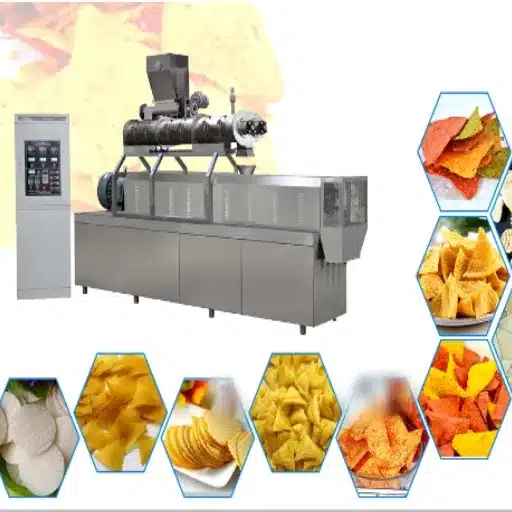
Evaluating Material Quality and Durability
Selection of tortilla chip machines should not only consider material quality and durability as the most important factors, but also performance and reliability in the long run. The preferred material is usually high-grade stainless steel because it has been with its resistance to corrosion, heat, and wear—critical factors for food processing. Moreover, the material allows easy cleaning thus complying with the food safety standards, ensuring hygienic production.
Extensive use of the machine is made possible through wear-resistant parts such as heavy-duty bearings and reinforced conveyor belts; under continuous running these could double the life of the machine. A detailed inspection of such things as welded joints and surface finishes can also reveal how strong the machine is and whether it is suitable for a high-volume production environment.
Checking for certifications like ISO 9001 or FDA compliance can the manufacturing process as being reliable and applying strict quality controls. Machines made of tough and certified materials will require less maintenance, thus reducing downtime, and will eventually help in keeping the production line consistent.
Energy Consumption and Efficiency Considerations
Energy consumption plays an essential role in measuring the overall efficiency and sustainability of a manufacturing operation since it has a direct impact on operational costs and environmental footprints. Therefore, modern manufacturing equipment should be able to consume energy efficiently which not only helps companies to reduce their electricity bills but also supports broad sustainability goals. Energy recovery systems, optimized power settings, or variable-speed drives are some examples of how to lower electricity usage during operation without compromising performance.
An energy-to-output ratio of the machine—the critical factor to be evaluated—measures the effectiveness of energy input translated into productive output. With the help of advanced technologies like predictive analytics and smart controls, manufacturers are now able to monitor and fine-tune energy use in real-time. Such practices lead to waste reduction and indicate areas where optimization can be done. For instance, by employing IoT-enabled systems, energy usage can be monitored, actionable insights given, and the machines can be kept on only when necessary, thus saving power and reducing idle times.
Solar power or hybrid systems are some of the options that can be looked into for further promoting operational efficiency. Transitioning to renewable energy for the purpose of lessening dependence on non-renewable sources is becoming a trend among manufacturers. In the end, cleaner energy options along with energy-efficient equipment will not only reduce emissions but also keep companies in line with the changing energy standards. After all, incorporating energy efficiency into the selection and maintenance of manufacturing machines helps in promoting long-term sustainability and also contributes to global efforts of countering climate change.
References
-
From Tortillas to Low-carb Wraps: Capitalism and Mexican Food
This paper discusses the history and development of fully automatic tortilla-making machines, including their mechanization and market impact. -
Folate Stability in Fortified Corn Masa Flour, Tortillas, and Chips
This study provides insights into the industrial production of tortillas and tortilla chips using tortilla machines, focusing on nutritional aspects. -
Nutraceutical Tortillas and Tortilla Chips Prepared with Bran
This research explores the production of tortillas and tortilla chips, including the use of specialty ingredients and their impact on the process. - Click here to read more.
Frequently Asked Questions (FAQ)
Q: Could you please describe what a tortilla chips manufacturing machine is as well as its processing advantages?
A: The tortilla chips making machine is an industrial system of equipment which is employed to facilitate the making of tortilla chips. Processes involved include blending, sheeting, cutting, frying or baking, and flavoring of the product. The usage of the machine enhances processing since it promotes uniformity, lessens the need for excessive handling of the product, transfers the product rapidly between one process to the other and allows users to adjust some process parameters such as the shape of the die, thickness and weight in order to some of product features.
Q: While choosing the proficiency of the supplier for the tortilla chip making machine, what kind of experience is desired?
A: The right supplier will have years of experience in a wide range of special purpose food processing machinery and other auxiliary equipment. This experience will cover the knowledge of hopper designing, dough processing, powder/seasoning application and services after sales. The supplier should be able to give advice on how to select the different available features or characteristics on the machine, the ability to supply without any delays or breakdowns and training on how to run the line.
Q: Is it possible to design a tortilla chip making machine in a manner that ensures all sorts of products are produced?
A: With most tortilla chip making machines, the number of shapes of dies is accounted for, the feed rates of hoppers can be modulated, the cutting patterns can be reconfigured and other processing controls adjusted to produce various dimensional, thickness or texture products. For customization, there are such devices like other types of fryers or bakers, seasoning oils or powders application machines and control software that allows not only packaging several SKUs but their weighing and labeling.
Q: Describe the major maintenance conditions and practices for these machines.
A: All the opening of the machines has to be cleaned to prevent the entry and contamination of material, checking and replacing dies and cutting knives, checking transfer belts, some pumps and lastly where there is weight control mechanism; recalibrations are necessary. Most manufactueres have a system where they offer a maintenance schedule, a emergencies spare parts arrangement where necessary and or expertise remotely where possible. Below any infomation helps in maintaining the machine in the state it should be in as well as how products should always remain in their original or similar form.
Q: Indicate if the production of dough is in any way enhanced by the hopper and transfer mechanisms.
A: The hopper and transfer measures are very important, in fact they are the key ,in dough handling within the production line. If properly designed , the hopper serves the purpose of maintaining an even feed to the extruder or sheeter. The ingoing and outgoing transfer mechanisms help in reducing the downtime of the different processing machines. The performance of the transfer and handling processes reduces the variability of the products, controls the weight within the limits of the targeted weight thereby enhancing the capacity to have several different recipes.
Q: Is it possible for a tortilla chip making machine to work with powder coatings and seasonings of different types?
A: Yes, these machines may be accessorized with specific units for applying various types of seasoning powders and oils. Such systems may comprise vibratory platform feeders for agile operations, dry powder applicators on fans, or rotating drums in order to obtain a good coat. Choosing the relevant type of equipment for work performed, and knowing how to apply it would go a long way in ensuring good flavor distribution, without unlikely losses earlier in the value chain, in the form of waste.
Q: What are the safety measures and what is the quality outlook that I should accept about an industry graded tortilla chip making machine?
A: Food hygiene and safety considerations would include material that is contact safe, aseptic hopper and conveyor belts, protective equipment on moving parts, smooth surfaces and easy weight management to the standards in place. There are machines that focus on the quality of the food such that they come with systems that can help well in tracking the processing side of things and the ability to generate all the different kinds of chips while keeping texture, color, and flavor the same.
Q: In what ways can one consider all costs including supplies, parts, and skill?
A: Everything is considered from the purchase cost of the machine, the level of production, energy usage, spare parts availability, periodic maintenance costs, and post purchase training requirements. Take into account the best sellers in terms of installation, process optimization, service support, warranty, and the degree by which the machine can be used for making different products in order to increase the ROI. This holistic approach helps ensure consistent costs when operating the machine as well as the availability of the supply.