Sustainable soy protein production means growing, extracting, and processing soybeans into protein ingredients while minimizing carbon emissions, water use, chemical waste, and land-use impact. The global soy protein market is expected to exceed $11 billion in 2025, and manufacturers are under increasing pressure from regulators, retailers, and consumers to prove that their ingredients are sourced and produced responsibly.
But sustainability is not a single switch you flip. It is a chain of decisions that starts with the soybean field and continues through every dryer, centrifuge, and extruder on your floor. Each processing choice affects your carbon footprint, operating costs, and market access.
In this guide, you will learn what makes soy protein production sustainable, how the major processing routes compare environmentally, and which equipment choices help you scale cleaner protein manufacturing profitably. Whether you produce soy protein isolate, concentrate, or textured meat analogues, the principles here will help you reduce waste, meet certification requirements, and build a more resilient operation.
Key Takeaways
- Sustainable soy protein production covers the entire value chain: certified farming, cleaner extraction, efficient drying, and byproduct recovery.
- Soy protein concentrate (SPC) and textured soy protein generally have lower processing impacts than soy protein isolate (SPI), though the best choice depends on the end application.
- Drying, steam generation, and solvent recovery are the largest energy and emissions hotspots in most soy protein plants.
- Twin-screw extrusion can reduce downstream processing needs and support both low-moisture TVP and high-moisture meat analogues.
- Certifications such as RTRS, ProTerra, organic, and non-GMO are becoming baseline requirements for access to major markets.
What Is Sustainable Soy Protein Production?

Sustainable soy protein production is the practice of converting soybeans into functional protein ingredients while protecting natural resources, reducing pollution, and maintaining economic viability. It spans agricultural practices, industrial processing, waste management, and supply-chain transparency.
At the farm level, sustainability means avoiding deforestation, protecting biodiversity, and using water, fertilizers, and pesticides efficiently. At the processing level, it means choosing extraction methods that use less energy and water, recovering solvents instead of releasing them, and finding valuable uses for byproducts such as okara, hulls, and soy whey.
For food manufacturers, sustainability is also a business strategy. Energy and water are two of the largest operating costs in protein processing. Reducing them lowers unit costs while improving your brand’s appeal to buyers who must meet environmental, social, and governance (ESG) targets.
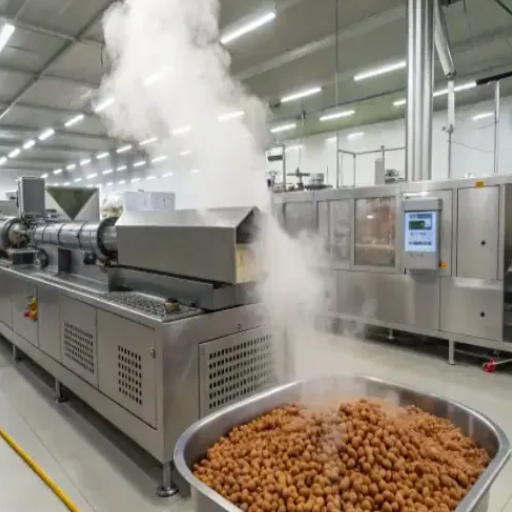
Want to see how a complete production line ties these steps together? Explore our food production lines to review turnkey options for soy and plant-based protein manufacturing.
Soy Protein Types and Their Environmental Footprints
Not all soy protein ingredients carry the same environmental burden. The processing intensity required to reach higher protein purity typically increases energy, water, and chemical use.
Soy Protein Isolate (SPI)
Soy protein isolate production yields an ingredient with at least 90% protein. It is produced by suspending defatted soy flour in water, solubilizing proteins with alkali, precipitating them at their isoelectric point with acid, washing the curd, neutralizing it, and drying it into powder.
This route is highly functional but also highly resource-intensive. According to one life-cycle assessment from the Good Food Institute, isolated soy protein can require up to 38,950 liters of water per kilogram of protein.
Carbon footprint estimates vary widely by region and energy source, with some SPI systems reaching approximately 20 kg CO2-equivalent per kilogram of protein. Protein recovery is also relatively low, often only 50% to 60% of the available protein in the bean.
Soy Protein Concentrate (SPC)
Soy protein concentrate production typically yields an ingredient with about 65% to 70% protein. It is made by removing soluble sugars from defatted soy flour using water or food-grade ethanol, then drying and milling the protein-rich fraction.
Because SPC skips the acid-alkali precipitation and extensive washing steps used in SPI production, its processing footprint is generally lower. Literature values for food-grade SPC range from about 1.37 to 2.31 kg CO2-equivalent per kilogram of packaged product, depending on geography and certification.
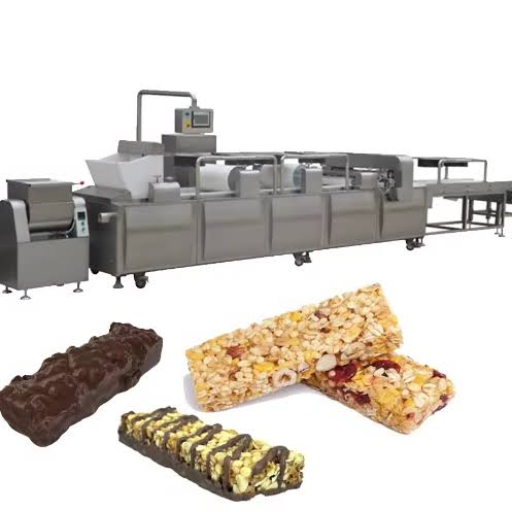
SPC is used in meat extenders, baked goods, plant-based analogues, and nutritional products such as bars. The trade-off is less protein purity and a slightly stronger flavor profile, which matters for some applications but not for others. If your product portfolio includes protein bars, explore our protein bar production line for end-to-end formulation and molding equipment.
Textured Soy Protein and High-Moisture Meat Analogues
Textured soy protein (TVP) and high-moisture meat analogues (HMMA) add an extrusion texturization step to SPI, SPC, or defatted flour. Low-moisture TVP is shelf-stable and rehydrated later. HMMA is produced with 40% to 70% moisture and has a fibrous, ready-to-cook texture.
Extrusion can improve sustainability in two ways. First, it converts protein powder into a versatile food ingredient in a single continuous step, reducing the need for multiple downstream binding and forming operations. Second, dry extrusion-expelling can replace hexane solvent extraction entirely, eliminating chemical solvent use and reducing plant footprint.
Comparison at a Glance
| Ingredient | Protein Content | Processing Intensity | Typical Water Use | Best Use Case |
|---|---|---|---|---|
| Soy protein isolate (SPI) | 90%+ | High | Very high | Premium nutrition, beverages, clean-label products |
| Soy protein concentrate (SPC) | 65–70% | Moderate | Moderate | Meat extenders, baked goods, analogues |
| Textured soy protein (TVP) | Varies | Low to moderate | Lower than SPI | Rehydrated crumbles, snacks, pet food |
| High-moisture meat analogues (HMMA) | Varies | Moderate | Moderate | Ready-to-cook plant-based meat |
When Maria, an R&D director at a plant-based meat company, compared SPI and SPC for her new burger line, she initially assumed isolate was the only path to a juicy texture. After reviewing her sustainability targets, she tested a high-moisture extrusion line running SPC blended with pea protein. The final product met her texture goals, her procurement team hit its carbon-reduction target, and her processing cost per kilogram dropped by roughly 12%.
Sustainable Soybean Farming and Sourcing

No amount of efficient processing can fully compensate for unsustainable farming. Deforestation, biodiversity loss, and pesticide runoff are the most visible sustainability risks in the soy supply chain.
Deforestation-Free and Conversion-Free Soy
The most important sourcing decision is whether the soy comes from land that was recently cleared of native vegetation. Major brands and regulators are now requiring proof that soy is deforestation-free and conversion-free.
The European Union Deforestation Regulation (EUDR), which applies to soy placed on or exported from the EU market, requires operators to collect geolocation coordinates proving that production plots were not deforested after December 31, 2020. Similar regulatory pressure is building in other markets.
Key Certifications
Several certification schemes help buyers verify sustainable sourcing:
- RTRS (Round Table on Responsible Soy): A global multi-stakeholder standard that certifies both GMO and non-GMO soy. It requires zero deforestation since 2009 and zero conversion of other natural ecosystems since 2016. RTRS was ranked the highest-scoring voluntary sustainability standard in a 2023 European benchmark.
- ProTerra: A non-GMO-focused standard built on the Basel Criteria. It prohibits conversion of high-conservation-value areas cleared after July 2004 and includes strong labor and traceability requirements.
- Organic and Non-GMO: These address pesticide and genetic-modification concerns but do not automatically guarantee deforestation-free sourcing unless combined with location-specific verification.
- Europe Soya and Donau Soja: Regional initiatives focused on deforestation-free soy grown in Europe.
Regenerative Agriculture
Beyond certification, regenerative practices such as cover cropping, reduced tillage, crop rotation, and precision nutrient management can improve soil health, reduce erosion, and lower input use. These practices also help farms become more resilient to drought and price volatility.
According to industry data, more than half of Europe’s soy imports are now covered by some form of sustainability certification. For manufacturers, this means certified sourcing is quickly becoming a baseline expectation rather than a premium niche.
Cleaner Extraction for Sustainable Soy Protein Production
Conventional soy protein extraction relies on hexane for oil removal and acid-alkali steps for protein purification. These methods work at scale, but they also create environmental hotspots that eco-friendly soy protein processing aims to reduce.
The Environmental Hotspots of Conventional Processing
The biggest impacts in conventional SPI production usually come from three areas:
- Solvent extraction and recovery: Hexane is effective but flammable and subject to strict emissions controls. Closed-loop recovery systems are essential.
- Drying and steam generation: Spray drying and flash drying consume large amounts of thermal energy, often from natural gas.
- Wastewater and effluent: Acid-alkali precipitation produces saline, carbohydrate-rich wastewater that requires treatment before discharge.
Hexane-Free and Mechanical Routes
Dry extrusion-expelling uses mechanical shear and pressure to remove oil without hexane. The resulting defatted meal can be used directly for SPC or TVP production.
Anderson International and other equipment suppliers have demonstrated that this route can reduce chemical use, energy consumption, and plant footprint compared with solvent extraction.
Aqueous and Enzyme-Assisted Extraction
Aqueous extraction uses only water to separate oil and protein, avoiding organic solvents. Enzyme-assisted extraction uses proteases or cell-wall-degrading enzymes to improve protein yield and functionality at lower temperatures.
A 2023 study published in Frontiers in Nutrition showed that a low-resource, water-based SPC process increased protein content by 1.3 to 1.5 times, reduced phytic acid, and improved protein digestibility.
Membrane Filtration and Dry Fractionation
Ultrafiltration and reverse osmosis can replace some chemical precipitation steps, reducing acid and alkali use while recovering water. Dry fractionation, which uses milling and air classification, avoids water and chemicals almost entirely and preserves protein functionality, though it typically reaches concentrate rather than isolate purity.
Emerging Technologies
A 2025 review in Springer summarized several emerging methods that could make downstream processing more sustainable:
- Pulsed electric fields
- Ultrasound-assisted extraction
- Microwave-assisted extraction
- High hydrostatic pressure
- Radio-frequency treatments
These technologies can reduce processing time, lower temperatures, and improve extraction yields, but most are still scaling from pilot to industrial applications.
Energy and Water Efficiency in Soy Protein Manufacturing
For existing plants, energy and water efficiency often deliver the fastest sustainability returns. Drying and steam generation are usually the largest energy consumers, while protein extraction and washing are the largest water users.
Drying Efficiency
Spray dryers and flash dryers can account for 40% to 60% of a plant’s thermal energy use. Practical upgrades include:
- Heat recovery from exhaust air: Capturing waste heat from dryer exhaust and preheating incoming air or process water.
- Multi-effect evaporation: Using the steam from one evaporation stage to heat the next, dramatically reducing total steam demand.
- Mechanical vapor recompression (MVR): Recycling vapor from evaporation to reduce external steam requirements.
- Renewable thermal energy: Switching dryer heat sources from natural gas to biomass, solar thermal, or green hydrogen where feasible.
One 40,000-ton-per-year SPC plant reported saving approximately 900 kg of steam per ton of raw material by integrating multi-effect evaporation and secondary-steam reuse.
Water Recycling
Counter-current washing, membrane filtration, and closed-loop cooling systems can cut freshwater use and reduce effluent volume. Zero-liquid-discharge (ZLD) systems go further by recovering nearly all water and crystallizing dissolved salts for disposal or reuse.
Automation and Process Control
Modern programmable logic controller (PLC) and supervisory control and data acquisition (SCADA) systems reduce batch-to-batch variation, cut waste, and optimize energy use. Real-time monitoring of moisture, temperature, pH, and flow rates allows operators to run closer to target specifications and avoid over-processing.
When Li Wei’s team in Shandong upgraded their SPI dryer with heat recovery and automated moisture control, they cut natural gas use by 18% in the first year and reduced product rework by nearly one-third. The project paid for itself in just under three years through energy savings alone.
Extrusion as a Sustainable Texturization Platform
Extrusion is one of the most versatile unit operations in sustainable plant protein manufacturing, and soy protein extrusion sustainability continues to improve as equipment and process control advance. It can texturize protein, cook starch, reduce anti-nutritional factors, and shape products in a single continuous pass.
Low-Moisture Extrusion for TVP
Low-moisture extrusion produces dry, shelf-stable textured vegetable protein with 15% to 30% moisture. The product is typically cut into granules, chunks, flakes, or strips and rehydrated before use. Because it does not require refrigeration, TVP has a lower distribution footprint than chilled or frozen alternatives.
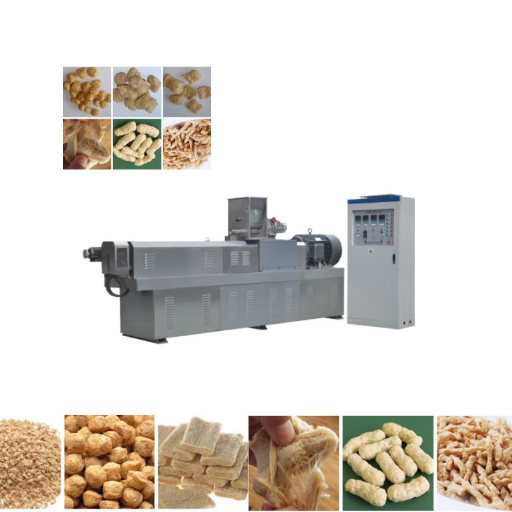
A well-designed TVP line includes mixing, preconditioning, twin-screw extrusion, cutting, drying, cooling, and packaging. You can learn more about the full process in our guide to the textured vegetable protein manufacturing process. The same extrusion platform can also support snack food machinery configurations for protein-fortified snacks and crisps.
High-Moisture Extrusion for Meat Analogues
High-moisture extrusion runs at 40% to 70% moisture and uses a cooling die to create aligned, fibrous structures that resemble whole-muscle meat. HMMA can be consumed directly or formed into burgers, nuggets, strips, and whole cuts.
Because HMMA requires less downstream binding, forming, and hydration than dry TVP, it can reduce the number of processing steps and equipment required in a plant-based meat facility. The trade-off is that HMMA is perishable and requires refrigeration or freezing.
Equipment Considerations
Twin-screw extruders dominate protein texturization because they offer independent temperature zones, precise moisture and steam injection, vacuum venting, and flexible screw configurations. The right extruder choice depends on:
- Target product form (dry TVP vs. moist HMMA)
- Raw material (SPI, SPC, defatted flour, or blends)
- Required capacity (pilot, commercial, or industrial scale)
- Energy source and heat-recovery integration
Interested in the equipment side of soy protein meat production? Our soy protein meat production equipment and process guide breaks down line configurations, capacities, and ROI considerations.
Waste Valorization and the Circular Economy

A truly sustainable soy protein plant treats every byproduct as a potential input for another process.
Okara
Okara is the insoluble fiber left after protein and oil extraction. It is rich in dietary fiber and residual protein. Instead of sending it to landfill or wastewater, manufacturers can:
- Sell it as animal feed or aquafeed
- Process it into food ingredients such as fiber powders or baked goods
- Use it as a substrate for fermentation or biomaterials
Soy Whey and Syrup
The liquid fraction removed during protein concentration contains soluble carbohydrates, minerals, and bioactive compounds. It can be concentrated into soy syrup for feed or fermented into ingredients such as organic acids and enzymes. Some facilities also recover isoflavones and oligosaccharides for higher-value applications.
Hulls and Oil
Soybean hulls are a valuable source of fiber for animal feed. Soy oil can be refined for food use or converted to biodiesel. Maximizing the value of these streams improves overall process economics and reduces waste.
Wastewater Treatment
Anaerobic digesters can convert high-organic-load wastewater into biogas, which can then be used to generate heat or electricity for the plant. This closes the loop between waste disposal and energy supply.
Scaling Sustainable Soy Protein Production: Lab to Industrial Line
Sustainability must work at commercial scale, not just in the lab. Moving from pilot to production requires careful equipment selection, process integration, and capital planning for any sustainable plant protein manufacturing project.
Pilot-Scale Validation
Before committing to a full line, most manufacturers validate their recipe and process at 10 to 150 kg/hour. Pilot trials help determine:
- Optimal extraction or extrusion parameters
- Protein yield and functionality
- Energy and water consumption per kilogram of product
- Byproduct volumes and valorization options
Industrial Line Design
A full-scale sustainable soy protein line typically includes:
- Raw material handling: Cleaning, dehulling, conditioning, and flaking
- Oil separation: Mechanical pressing or solvent extraction with closed-loop recovery
- Protein extraction: Water, ethanol, or enzyme-based separation
- Concentration and drying: Evaporation, spray drying, or flash drying with heat integration
- Texturization: Twin-screw extrusion for TVP or HMMA
- Byproduct recovery: Okara drying, syrup concentration, hull collection
- Packaging: Nitrogen flushing and moisture-barrier packaging
Equipment Selection Checklist
When evaluating equipment for sustainable soy protein production, ask these questions:
- Does the line support the product forms you need now and in the future?
- Can energy consumption be monitored and optimized per unit of output?
- Are heat recovery and water recycling built into the design?
- Is solvent recovery closed-loop and compliant with local emissions rules?
- Does the supplier provide process support, training, and spare parts globally?
- Is the equipment CE-certified or compliant with your target market requirements?
Return on Investment
Sustainability investments often pay back through multiple channels:
- Lower energy and water bills
- Reduced waste disposal costs
- New revenue from byproduct sales
- Premium pricing or access to certified markets
- Reduced regulatory and reputational risk
A startup in Southeast Asia recently installed a 200 kg/hour HMMA line using SPC from ProTerra-certified soy. By integrating heat recovery and selling okara to a local feed mill, the company cut its projected operating cost by 15% and qualified for a major retailer’s sustainable supplier program within its first year.
Frequently Asked Questions
What is the most sustainable form of soy protein?
There is no single answer. On a per-kilogram-of-protein basis, less refined forms such as soy protein concentrate and textured soy protein generally have lower processing impacts than soy protein isolate. However, the best choice depends on the application, required functionality, and sourcing practices.
How much water does soy protein production use?
Water use varies dramatically by processing route. Isolated soy protein can require up to 38,950 liters per kilogram of protein, while textured soy protein typically uses roughly one-third of that. Water recycling and closed-loop washing systems can reduce these figures significantly.
Is soy protein isolate environmentally friendly?
Compared with animal proteins, SPI generally has a much lower carbon, land, and energy footprint. However, it is more resource-intensive than SPC or textured soy protein because of the additional purification and drying steps. Sourcing certified soy and using efficient dryers improves its profile.
What certifications should sustainable soy protein have?
Common certifications include RTRS, ProTerra, organic, non-GMO, Europe Soya, and Donau Soja. The right certifications depend on your target market and customer requirements. For EU market access, EUDR-aligned traceability is becoming essential.
Can extrusion make soy protein production more sustainable?
Yes. Extrusion can reduce the need for solvents, binders, and multiple downstream processing steps. Dry extrusion-expelling eliminates hexane use, while high-moisture extrusion can create ready-to-cook meat analogues with minimal additional forming.
How can manufacturers reduce the carbon footprint of soy protein?
The most effective levers are switching to renewable or recovered thermal energy, optimizing dryers, sourcing deforestation-free soy, improving protein yield, and valorizing byproducts. Together, these measures can substantially reduce emissions per kilogram of protein.
Conclusion
Sustainable soy protein production is no longer a marketing option. It is becoming a requirement for accessing major markets, satisfying major buyers, and running a profitable plant in a resource-constrained world.
The manufacturers who will lead the next decade are those that treat sustainability as a design principle, not an afterthought. They source certified soy, choose the right extraction route for their application, recover energy and water, and turn byproducts into revenue streams. They also select equipment that gives them the flexibility to adapt as regulations and consumer expectations evolve.
At Shandong Loyal Industrial, we have spent more than 10 years designing food processing machinery that helps manufacturers scale plant-based protein production efficiently and responsibly. Our turnkey food production lines are built for flexibility, CE compliance, and long-term reliability.
Ready to design a more sustainable soy protein production line? Contact our engineering team for a consultation and customized equipment proposal tailored to your product goals, capacity targets, and sustainability requirements.