Food extrusion trial preparation starts with a product question, traceable ingredient information and an agreed way to compare samples. Put these into a development trial brief before sending materials or agreeing the run plan.
A bag of flour and a finished snack show only part of the requirement. The receiving team also needs to know which ingredient lot is involved, what the reference sample represents and which product attributes matter. This guide provides a preparation pack for direct-expanded snacks and cereals, with blank records you can adapt to your project.
Key takeaways
- Define the development question and the decision the trial should inform.
- Link each ingredient to its supplier, grade, lot and available specification.
- Identify benchmark, ingredient and trial-output samples separately.
- Agree evaluation methods, sample handling and report contents with the trial host.
- Confirm material quantities and trial scope before shipment; keep equipment acceptance as a separate decision.
Decide what the development trial should answer
Write the question in one sentence. For example: “Can the proposed ingredient blend produce a snack with the shape and texture attributes described in our reference record?” Then identify the baseline formulation, proposed change and constraints the team should consider.
Development trials are an established part of extrusion product work. For example, Bühler describes testing new processes, alternative raw materials and formulations at its own centers. That is useful context for framing a development question; the equipment and services for your project still need individual confirmation. Bühler extrusion trials.
Keep the objective specific. A request to explore an ingredient blend needs a different brief from a request to check purchased equipment against an agreed specification. Use the broader food extrusion technology guide for process background, then return to the question your trial must answer.
Define the product and priorities
Describe the intended snack or cereal, shape, coating state and intended use. Separate essential attributes from preferences. If a purchased product is your benchmark, explain whether you are interested in its dimensions, appearance, texture or another attribute.
Name the people responsible for formulation, equipment discussion and product evaluation. Ask the trial host to propose a suitable comparison plan rather than assuming every requested change can be assessed in one run.
To start a project discussion, send Loyal your product description and available material information. Ask what trial scope and further information can be agreed before arranging shipment.
Build a raw-material specification register
Give every ingredient a stable code. Use that code in the formulation, sample labels and trial report so the records can be read together.
Start with the identity record below. Add rows for each ingredient, including premixes and additions supplied separately.
| Ingredient code and name | Supplier and grade | Lot and relevant dates | Recipe role | Specification / COA reference |
|---|---|---|---|---|
| To complete | To complete | To complete | To complete | To complete |
Use a linked property record for the information relevant to the trial. A supplier specification describes the stated requirements for a material; a lot-specific certificate of analysis, or COA, records the results it reports for that lot. Check the documents’ scope rather than assuming either contains every measurement you need.
| Ingredient code / property | Reported value and basis | Test method and date | Available quantity | Owner / open question |
|---|---|---|---|---|
| To complete | To complete | To complete | To complete | To complete |
Choose relevant properties with the host
Ask which material information is needed for the proposed formulation and equipment. Possible fields include moisture content and its basis, particle-size information, composition, bulk density or flow information, ingredient declarations and storage history. These are prompts for discussion, not a mandatory test panel for every trial.
Coperion’s own test-center description includes evaluation of bulk-solid flow, moisture effects and particle properties. It supports asking about material behavior during preparation, without establishing a universal tolerance for your ingredients. Coperion food and petfood test centers.
If a result is unavailable, mark it “not measured” and identify who will decide whether testing is needed. Keep a supplier-reported value separate from a measurement on the material you will send. Do not fill an empty field with a value copied from a different grade or lot.
Freeze the formulation and preparation revision
Attach a dated formulation revision. State whether ingredient amounts use an as-received basis or a dry-matter basis, and identify where water, oil or other additions enter the process. Keep the formulation basis distinct from moisture values reported in ingredient documents.
Record any planned milling, sieving, premixing, mixing order or hydration steps. Ask the host which preparation steps it will perform and which you must complete before shipment. The step-by-step extrusion process guide can help identify the stages being discussed.
When a formulation or preparation step changes, issue a new revision and link it to the affected runs. Document substitutions and obtain agreement before using them; explain which comparisons the substitution changes.
Prepare reference samples with clear roles
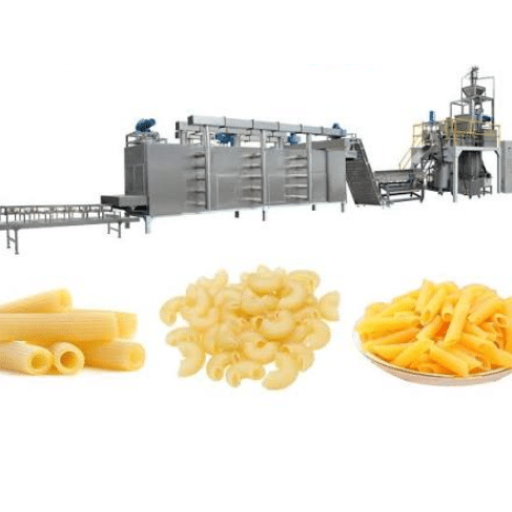
A reference sample needs a written purpose. “Match this” leaves the team to guess whether the priority is shape, surface appearance, texture or seasoning.
Keep three sample roles distinct:
- Benchmark product: illustrates the attributes you want to discuss.
- Retained ingredient sample: identifies material associated with a supplied lot.
- Trial-output sample: links an evaluated product to a particular run and collection stage.
Use the following register for each sample. Copy the table for additional samples rather than compressing several identities into one entry.
| Sample record field | Details to complete |
|---|---|
| Sample ID and role | Unique identifier; benchmark, ingredient or trial output |
| Material or product identity | Name and relevant supplier or product reference |
| Lot or run ID | Link to the ingredient register or trial record |
| Preparation and date | What was prepared, by whom and when |
| Process stage | For example, uncoated or coated; dried or cooled, where applicable |
| Package and storage history | Known packaging, storage and handling information |
| Requested evaluation | Attributes or questions the sample represents |
| Recipient and disposition | Who receives it; agreed retention, return or disposal |
Agree handling before sending anything
Ask the receiving facility to confirm quantities, packaging, labeling, delivery arrangements and storage instructions. Provide the ingredient and allergen information requested by its responsible team. Confirm whether the material is suitable for the proposed trial or evaluation before shipping it.
Agree separately whether any sample may be tasted, by whom and under what approval. A product-development comparison does not itself provide food-safety or shelf-life approval. Your quality staff and the receiving facility should resolve suitability questions before tasting or other proposed use.
For a purchased benchmark, record the pack information and known history. If part of that history is unknown, say so and ask whether the sample is suitable for the intended comparison.
Agree how samples will be evaluated
Turn descriptions such as “crispy,” “uniform” or “similar to the benchmark” into agreed observations or measurements. Identify the sample stage, method, units and reviewer before the run. Set numerical targets only when the responsible team has a basis for them.
| Attribute or question | Sample stage | Method and units | Timing / conditioning | Comparator or target | Reviewer |
|---|---|---|---|---|---|
| Size and shape | To agree | To agree | To agree | To agree | To assign |
| Texture | To agree | To agree | To agree | To agree | To assign |
| Moisture-related assessment, if relevant | To agree | Specify each test separately | To agree | To agree | To assign |
| Appearance or coating, if relevant | To agree | To agree | To agree | To agree | To assign |
If moisture content and water activity are both relevant, list them as separate tests with their own methods and reporting units or conventions. Do not treat a moisture result as shelf-life approval. Ask the laboratory or quality lead to select and explain the appropriate assessments.
Also agree how samples will be compared. Record whether an observation comes from a named reviewer, an instrument or another agreed procedure. A favorable appearance or texture observation should be reported within that scope; consumer validation and commercial production confirmation require their own agreed work.
Assemble the development trial brief
Combine the records into one document with a revision number and an attachment list. The template below is a recommended preparation aid that you can adapt with the receiving team.
| Brief field | Information to enter |
|---|---|
| Project and revision | Project name, document owner, revision and date |
| Contact owners | Buyer formulation lead, quality lead and host contact |
| Product objective | Intended application, priority attributes and decision to inform |
| References | Benchmark sample IDs and the attributes each represents |
| Baseline | Formulation revision, ingredient register and document attachments |
| Requested comparison | Proposed change, constraints and questions to resolve |
| Proposed process scope | Preparation, extrusion and downstream stages to confirm with the host |
| Equipment discussion | Configuration and relevant limitations to be confirmed by the host |
| Sampling and evaluation | Run/sample identification, collection stages, methods and reviewers |
| Logistics | Quantities, receiving instructions, responsibilities and confidentiality terms to agree |
| Deliverables | Required records, observations, deviations and unresolved questions |
| Follow-up | Review meeting, decision owner and next development step |
Before fixing a date, ask what ingredient quantities are needed for feeding, startup, comparisons, changeovers, laboratory work and retained samples. Confirm which items are included in the proposed scope and which need a separate arrangement. There is no single quantity or trial duration supplied by this template.
If utility or plant conditions form part of the equipment discussion, attach the relevant information from the food machinery utility requirements worksheet. Keep unknown conditions visible for confirmation.
Illustrative preparation example
This is an illustrative preparation example, not a customer case or validated formulation.
An unnamed snack developer wants to compare a baseline cereal blend with an alternative ingredient blend. The product question is whether the alternative can meet agreed shape and texture priorities in an uncoated snack. A purchased benchmark is supplied for shape discussion only.
The developer attaches formulation revisions A and B and ingredient records for both. One ingredient lacks particle-size information, so the brief assigns the host and formulation lead to decide whether a measurement is needed. No result is assumed.
The requested report links observations to the formulation revision, material lot, run and sample ID. Trial quantities, settings, evaluation thresholds and any tasting approval remain for agreement before the work begins. The example demonstrates how to describe a comparison without predicting its outcome.
Confirm what the trial report will establish
Ask the host to link the report to the brief revision and identify what was actually run. Request the relevant material lots, formulation and preparation revisions, equipment configuration, actual conditions, run/sample IDs, evaluation methods, observations and deviations.
Keep unresolved questions in the report. If an ingredient was substituted, a requested stage was unavailable or an evaluation was not completed, state how that limits the conclusion. Agree any additional output-accounting or energy-measurement work separately when it matters to the project.
A development result addresses the recorded question under the recorded conditions. Ask what further production confirmation is needed before using it to support a commercial decision. For purchased machinery, shipment release against an agreed specification belongs in the separate factory acceptance test checklist.
Questions before you send trial materials
How much raw material should I send?
Ask the host to confirm the quantity for your formulation, proposed equipment and comparison plan. Include preparation, startup, changeovers, testing and retained samples in the discussion. Obtain receiving instructions before dispatch.
Can a purchased snack be my reference sample?
Yes, you can propose it as a benchmark and explain the attributes it represents. Record its identity and known history, then ask the receiving team whether it is suitable for the intended evaluation. It does not supply a known formulation or process record.
What if an ingredient specification is incomplete?
Identify the missing field and its owner. Ask whether supplier information, testing or a change to the trial scope is needed before proceeding. Keep unmeasured properties clearly marked.
Is a development trial the same as a factory acceptance test?
A development trial explores an agreed product or process question. A factory acceptance test checks purchased machinery against agreed acceptance requirements. Define the purpose and deliverables explicitly, even if a project schedules both activities together.
Can the supplier use a substitute ingredient?
Document the proposed substitute and obtain agreement before use. Record its identity and formulation revision, and explain which original comparisons can still be made. Do not report the substituted run as if the specified material had been tested.
Share your product description, available ingredient specifications and reference-sample details with Loyal, and ask what trial scope and information can be agreed for your project.