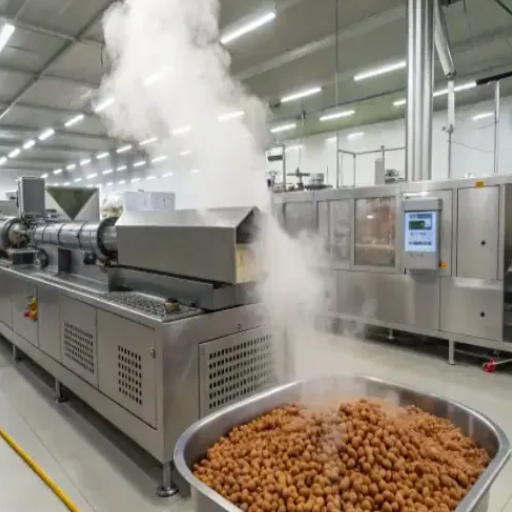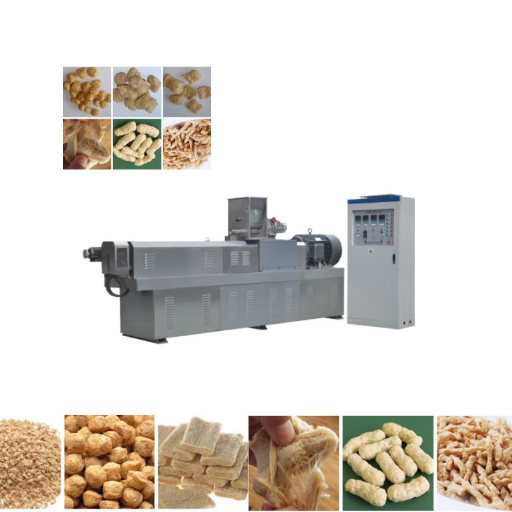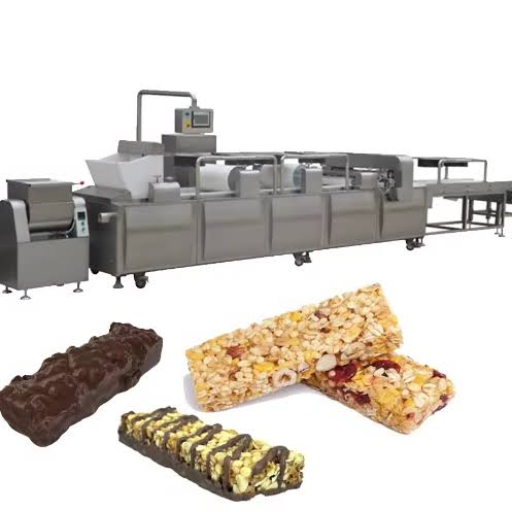
NSF ANSI 51 food equipment materials are materials and finishes certified safe for use in commercial food equipment under the American National Standard NSF/ANSI 51. If you design, build, or buy food processing machinery, this standard tells you which metals, plastics, coatings, and sealants can touch food without risking contamination or failed sanitation audits.
A food-grade sticker on a machine is not the same as a certified material. That gap costs manufacturers more than they realize.
When Li Wei, a project manager at a snack equipment factory in Jinan, shipped a new extrusion line to a U.S. distributor in 2024, he assumed the 304 stainless steel frame would satisfy every buyer requirement. Three weeks after delivery, the distributor returned the line.
The seals and gaskets inside the food zone were not NSF ANSI 51 listed. The retrofit cost $18,000 and delayed the project by two months. One component oversight turned a profitable order into a margin-wiping headache.
This guide explains what NSF ANSI 51 covers, how it differs from FDA compliance, which materials qualify, and how machinery builders can design equipment that passes certification the first time. Whether you produce snack lines, pasta systems, or pet food extruders, the material choices you make today determine whether your equipment enters the North American market tomorrow.
Key Takeaways
- NSF ANSI 51 sets minimum public health and sanitation requirements for materials used in commercial food equipment, and the current edition is NSF/ANSI 51-2025.
- FDA compliance governs material formulation safety, while NSF ANSI 51 certifies that the finished material or component performs in real food equipment use.
- The standard covers stainless steel, aluminum, copper, glass, wood, plastics, coatings, sealants, and gaskets, each with specific performance requirements.
- Materials are certified by zone: Food Zone, Splash Zone, or Non-Food Zone, and the intended zone must match the application.
- Full NSF ANSI 51 certification typically costs 15,000–15,000–35,000 initially and requires annual facility inspections to maintain the NSF mark.
What Is NSF ANSI 51 for Food Equipment Materials?
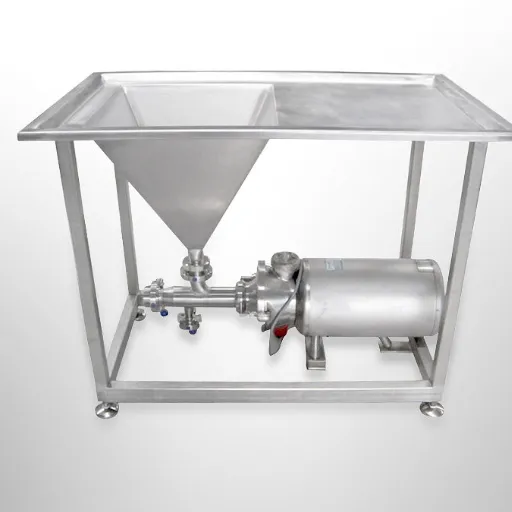
NSF ANSI 51 is the familiar name for NSF/ANSI 51: Food Equipment Materials, an American national standard that was jointly developed by NSF International and the American National Standards Institute (ANSI). NSF ANSI 51 defines the minimum health standards required for the materials and finishes used in the production of commercial foodservice equipment.
The standard applies to a wide range of equipment and parts, including:
- Broilers, ovens, and steam tables
- Beverage dispensers and ice machines
- Cutting boards and stock pots
- Tubing, hoses, gaskets, seals, and valves
- Pumps, fittings, and flow meters
- Coatings, adhesives, and sealants
In short, if a material touches food, splashes onto food, or is exposed near food-handling operations, NSF ANSI 51 likely governs it.
Current Edition: NSF/ANSI 51-2025
The current edition, NSF/ANSI 51-2025, supersedes the 2023 version and was approved on June 3, 2025. The most notable revision updated language for glass and glass-like materials in Section 4.2.4, reflecting new applications and testing protocols for these surfaces. The 2023 edition had already introduced stronger lead content verification requirements, making material formulation documentation more important than ever.
For manufacturers, staying current matters. Buyers and health inspectors increasingly reference the latest edition. If your product literature cites only NSF/ANSI 51-2017, savvy purchasers will ask whether you have kept up with the 2025 standard.
How NSF ANSI 51 Fits With Other Standards
NSF ANSI 51 is one standard in a larger family. Understanding the difference prevents costly mismatches:
| Standard | Scope |
|---|---|
| NSF/ANSI 2 | Food handling and processing equipment design |
| NSF/ANSI 4 | Commercial cooking and hot food holding equipment |
| NSF/ANSI 7 | Refrigerators, freezers, and display cases |
| NSF/ANSI 8 | Powered food preparation equipment |
| NSF/ANSI 51 | Materials and finishes used in commercial food equipment |
| NSF/ANSI/CAN 61 | Materials in contact with drinking water systems |
A beverage dispenser, for example, might need NSF/ANSI 2 for equipment design, NSF/ANSI 51 for food-contact materials, and NSF/ANSI/CAN 61 if it also connects to a potable water line. Bundling certifications where possible reduces audit costs and time.
NSF ANSI 51 vs. FDA: What Is the Difference?
This is the question that trips up even experienced manufacturers. FDA compliance and NSF ANSI 51 certification are related, but they are not the same thing.
FDA compliance is the legal baseline in the United States. Under the Federal Food, Drug, and Cosmetic Act, food-contact materials must be safe and must not adulterate food. FDA regulations such as 21 CFR 170–189 govern which substances can be used in food-contact applications. The manufacturer is responsible for demonstrating compliance, and the FDA does not issue a certificate or mark for most raw materials.
NSF ANSI 51 certification is a voluntary, third-party program. NSF International reviews the material formulation, tests the finished component, audits the manufacturing facility, and lists the product in its online directory. Products that pass may bear the NSF mark.
Think of it this way:
- FDA compliance confirms the recipe is safe.
- NSF ANSI 51 certification confirms the finished dish is cleanable, durable, and suitable for a commercial kitchen.
A material can be FDA compliant without being NSF ANSI 51 certified. But if a buyer asks for NSF-listed materials for commercial food equipment, FDA compliance alone will not satisfy the request. Many equipment purchasers, especially distributors and chain restaurants, require both.
Soft CTA: Want to see how compliant materials are built into complete production lines? Explore our food production lines to see how we configure equipment for global standards.
Materials Covered by NSF ANSI 51
NSF ANSI 51 establishes requirements and limitations for many material categories. Each category must meet specific performance criteria to receive certification.
Metals
Stainless steel is the workhorse of food equipment. The standard does not certify raw sheet stock, but the grade and finish you choose affect whether the finished component will pass.
- 304 stainless steel is the standard choice for most food processing applications. It offers excellent corrosion resistance, is easy to clean, and is widely available.
- 316 stainless steel contains molybdenum, which improves resistance to chlorides, acids, and aggressive cleaning chemicals. It is preferred for seafood, pickling, tomato processing, and environments with frequent caustic washdowns.
- 316L stainless steel is the low-carbon variant. It is preferred for welded applications because it reduces the risk of intergranular corrosion near weld zones.
The standard also covers aluminum alloys, copper and copper alloys, and wrought and casting alloys. Each has restrictions based on the intended food zone and end-use conditions.
Non-Metallic Materials
Food equipment uses more than metal. NSF ANSI 51 also covers:
- Plastics and polymers, including polyethylene (PE), polypropylene (PP), PVC, PVDF, nylon, acetal, and polycarbonate
- Silicone, rubber, and elastomers used for gaskets, seals, tubing, and O-rings
- Glass and glass-like materials, including updated 2025 requirements
- Wood, primarily for limited applications such as cutting boards
- Coatings, adhesives, and sealants applied to food-contact or splash-zone surfaces
When Maria, a procurement engineer for a pasta equipment OEM, switched from a generic silicone gasket to an NSF ANSI 51 listed silicone compound, the unit cost increased by 12%. But her customer in California stopped rejecting shipments.
Warranty claims related to seal degradation dropped by 40% over the next year. The certification premium paid for itself before the second production run.
Performance Requirements
Regardless of material type, NSF ANSI 51 evaluates several performance properties:
- Cleanability: Surfaces must be smooth, non-porous, and free of features that could trap food or bacteria.
- Corrosion resistance: Materials must withstand cleaning chemicals and operating environments.
- Impact resistance: Surfaces must resist damage from normal use.
- Abrasion resistance: Finishes must hold up under wear.
- Heat resistance: Materials must remain stable at intended operating temperatures.
- Coating adhesion: Applied coatings must not peel, chip, or flake under use conditions.
These requirements ensure that a material is safe not only on day one, but throughout the service life of the equipment.
Food Zone Classification: Where Will the Material Touch?
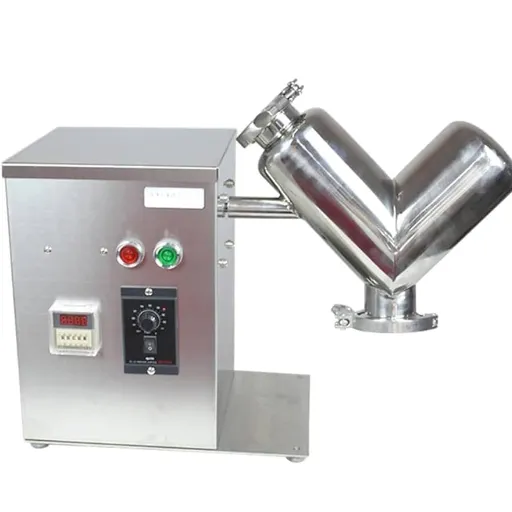
NSF ANSI 51 certification is zone-specific. A material certified for one zone may not be acceptable in another. Manufacturers must specify the correct zone for each component.
Food Zone
The Food Zone includes surfaces that come into direct contact with food. These surfaces must be:
- Non-toxic
- Non-absorbent
- Corrosion-resistant
- Smooth and easily cleanable
- Made from materials that do not impart harmful substances to food
For example, the interior of a mixing bowl, the flight of a conveyor screw, or the inside of an extrusion barrel are all Food Zone surfaces.
Splash Zone
The Splash Zone includes surfaces that are subject to food spillage or splashing during normal operation, but where food is not consumed. These surfaces must still be smooth, cleanable, and corrosion-resistant, though requirements may differ slightly from the Food Zone.
Examples include the exterior of a filling head, the outside of a hopper, or the frame near an open processing area.
Non-Food Zone
The Non-Food Zone includes exposed exterior surfaces that do not contact food or splashes. These surfaces must be smooth and cleanable, but they face the fewest material restrictions.
Getting the zone wrong is a common source of certification failure. A seal rated only for Non-Food Zone cannot legally be placed inside a Food Zone component, even if it looks identical to a food-grade alternative.
The NSF ANSI 51 Certification Process
Certification is not a one-time test. It is a structured program that includes formulation review, product testing, facility audits, and ongoing surveillance.
The Seven Steps
Understanding the NSF ANSI 51 certification requirements helps manufacturers budget time and resources. The process follows seven steps:
- Application and information submission: Submit product specifications, material formulations, intended use, and manufacturing details.
- Product evaluation: NSF engineers review the design, materials, and production process.
- Laboratory testing: Samples undergo the required physical, chemical, and toxicological tests.
- Manufacturing facility inspection: Auditors verify quality control, traceability, and consistency.
- Test results review and acceptance: NSF technical experts evaluate all data.
- Contract signed and product listed: The manufacturer receives a license to use the NSF mark.
- Annual plant inspection and retesting: Ongoing surveillance ensures continued compliance.
Timeline and Costs
The timeline varies widely based on product complexity and facility readiness.
| Cost Component | Estimated Range (USD) | Frequency |
|---|---|---|
| Application review | 2,000–2,000–5,000 | One-time |
| Initial product testing | 1,500–1,500–4,000 | Per product |
| Laboratory testing | 7,500–7,500–15,000+ | Per product |
| Facility audit | 3,000–3,000–6,000 | Annual |
| Annual licensing fee | 2,500–2,500–5,000 | Annual |
| Total initial investment | 15,000–15,000–35,000+ | Per product line |
| Ongoing annual cost | 5,500–5,500–11,000+ | Audit + licensing |
Standard material testing alone may take around 25 working days. The full certification process often ranges from 4 to 18 months, depending on how quickly the manufacturer can address findings and complete documentation.
Dual Certification: NSF ANSI 51 + NSF ANSI/CAN 61
If your equipment also contacts drinking water, NSF often recommends applying for NSF ANSI 51 and NSF ANSI/CAN 61 concurrently. Bundled audits can reduce travel costs and streamline the overall timeline. This is especially relevant for beverage dispensers, ice machines, and any equipment connected to a potable water supply.
2025 Updates and Emerging Trends
The food equipment materials landscape is changing quickly. Manufacturers who stay ahead of these trends avoid surprises.
NSF/ANSI 51-2025 Revisions
The 2025 edition focused heavily on glass and glass-like materials. As more equipment incorporates glass panels, viewing windows, and decorative surfaces, the standard now provides clearer language on how these materials must perform in food environments. Expect similar refinements for polymer composites and recycled materials in future editions.
PFAS-Free Certification
In March 2025, NSF introduced Guideline 537, which establishes PFAS-free certification for nonfood compounds and food equipment materials. To qualify, a material must:
- Contain no intentionally added PFAS
- Exclude post-consumer recycled material that may contain PFAS
- Avoid PFAS additives
- Show total organic fluorine below 50 ppm
- Pass annual retesting
The first PFAS-free NSF ANSI 51 food equipment material, Tangent PolySheet CB, was certified in May 2026. Buyers in environmentally sensitive markets are already beginning to request PFAS-free documentation.
Sustainability and Recycled Content
Sustainability is becoming a purchasing factor. However, recycled materials complicate NSF certification because traceability and consistent formulation are harder to demonstrate. Manufacturers exploring recycled content should engage NSF early in the design process.
NSF ANSI 51 Food Equipment Materials Selection for Processing Machinery
Material selection is not just a compliance exercise. It affects cleanability, durability, product flavor, maintenance cost, and resale value.
Stainless Steel Selection Guide
Choosing the right NSF ANSI 51 stainless steel grade is one of the most important material decisions.
| Grade | Best For | Key Advantage |
|---|---|---|
| 304 | General food processing, prep tables, snack lines, pasta equipment | Cost-effective, widely available, easy to clean |
| 316 | Chloride-rich or acidic environments, seafood, tomato products | Superior corrosion resistance |
| 316L | Welded assemblies and high-sanitation designs | Reduced weld corrosion risk |
For most snack, pasta, and bakery applications, 304 stainless steel is sufficient. If your process involves salty snacks, acidic fruit fillings, or aggressive sanitizers, 316 or 316L is the safer long-term choice. The same logic applies to protein bar production lines, where sticky formulations and frequent cleanings demand corrosion-resistant surfaces.
Surface Finish Requirements
A proper grade of steel is not enough. The surface finish determines cleanability. Common finishes include:
- 2B finish: Smooth, cold-rolled surface; common for non-visible panels
- #4 brushed finish: Satin appearance; widely used for visible food-contact surfaces
- Mirror polish: Highly reflective, extremely smooth; easiest to clean and sanitize
Related sanitary standards such as 3-A specify Ra ≤ 0.8 µm for food-contact surfaces. Even when NSF ANSI 51 does not specify an exact Ra value, a smoother finish supports certification and reduces bacterial harborage.
Non-Metal Components Matter
Gaskets, seals, bearings, lubricants, and coatings are often the weakest link. A stainless steel frame with a non-listed rubber seal will still fail an audit. Specify NSF ANSI 51 listed or NSF 51 compatible compounds for every component in the Food Zone and Splash Zone.
Medium CTA: Building snack production equipment for export? See our snack food machinery designed with food-safe materials and customizable configurations.
Common NSF ANSI 51 Food Equipment Materials Mistakes
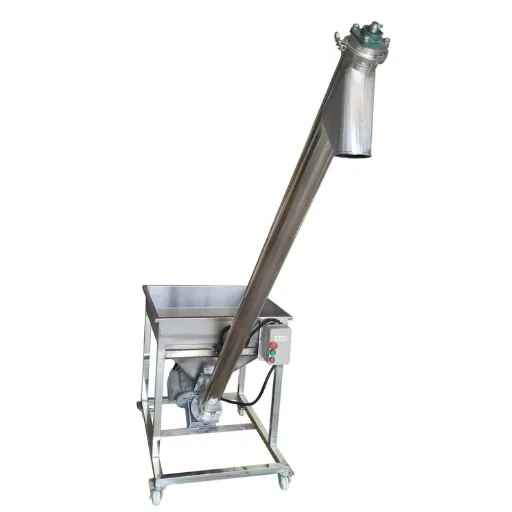
Even well-intentioned manufacturers make these errors. Avoiding them saves time, money, and customer relationships.
Mistake 1: Treating FDA Compliance as NSF Certification
FDA compliance is necessary but not sufficient. NSF certification requires independent verification, facility audits, and ongoing surveillance. Do not tell buyers a material is “NSF approved” unless it is officially listed by NSF.
Mistake 2: Selecting the Wrong Stainless Steel Grade
Using 304 in a high-chloride environment leads to pitting and early failure. Conversely, specifying 316 everywhere drives up cost unnecessarily. Match the grade to the application.
Mistake 3: Ignoring the Food Zone Classification
A component that is acceptable in the Non-Food Zone may be unacceptable in the Food Zone. Review every part placement against the zone definitions before submitting for certification.
Mistake 4: Poor Weld Quality
Welds create crevices if not properly finished. Use qualified welders, specify 316L for welded assemblies where corrosion is a concern, and plan for post-weld cleaning and passivation.
Mistake 5: Inadequate Documentation
NSF auditors will ask for material certifications, mill test reports, passivation logs, and weld maps. Keep these records organized and up to date from the first production run.
Manufacturer’s NSF ANSI 51 Compliance Checklist
Use this checklist when designing or sourcing food processing equipment:
- Define the intended food contact zone for every component
- Select NSF ANSI 51 listed or certifiable materials for Food Zone and Splash Zone parts
- Specify the correct stainless steel grade, finish, and weld requirements
- Verify that all gaskets, seals, coatings, and lubricants are food-safe and listed where required
- Document material sources, mill certs, and formulation disclosures
- Plan for post-weld treatment, passivation, and surface inspection
- Prepare quality control procedures and traceability records
- Engage NSF International or an accredited body early in the design process
- Budget for initial certification, annual audits, and retesting
- Update product literature to reflect the current NSF/ANSI 51 edition
Following this checklist does not guarantee certification, but it eliminates the most common causes of delay and rejection.
Conclusion
NSF ANSI 51 food equipment materials certification is a gatekeeper for the North American commercial food equipment market. It confirms that your materials are safe, cleanable, and durable enough for real-world food production.
For machinery builders, it is also a competitive advantage. Buyers trust the NSF mark because it represents independent verification, not a self-declared claim.
The key is to treat certification as a design input, not an afterthought. Choose the right stainless steel grade. Specify listed gaskets and seals. Document every material source.
Plan for welding, finishing, and surface inspection. And stay current with the 2025 edition and emerging requirements like PFAS-free certification.
When Ahmed, a sales director for a pet food equipment exporter, began quoting NSF-listed materials as standard on all North American orders, his close rate improved by 22% in one quarter. Buyers stopped treating his company as a low-cost option and started treating it as a compliance-ready partner.
That shift is available to any manufacturer willing to invest in the right materials and documentation.
At Shandong Loyal Industrial Co., Ltd., we design food production lines with international standards in mind. Whether you need snack food machinery, pasta production equipment, or a custom extrusion system, we can configure food-safe materials that align with your target market requirements.
Ready to build compliant food processing equipment? Contact our team for a consultation and detailed proposal tailored to your production goals.