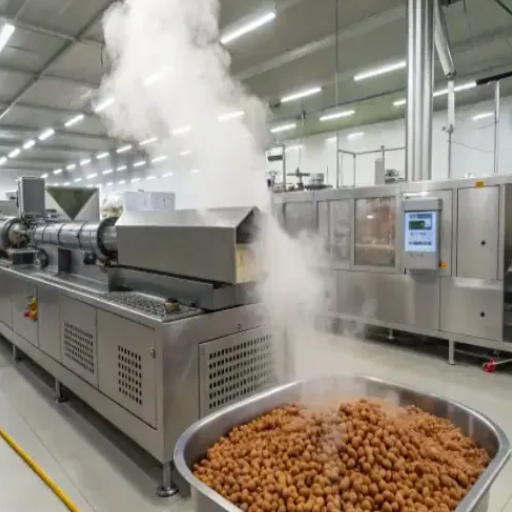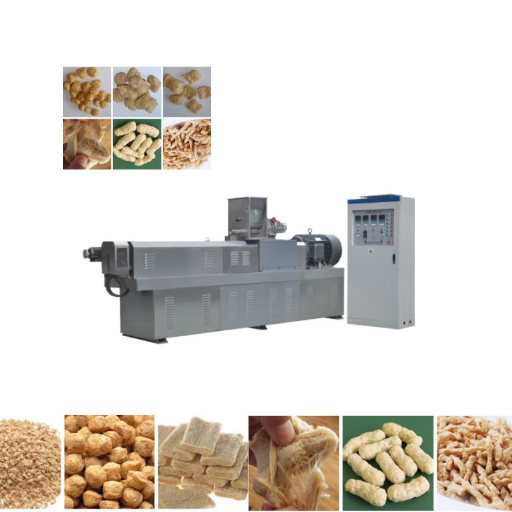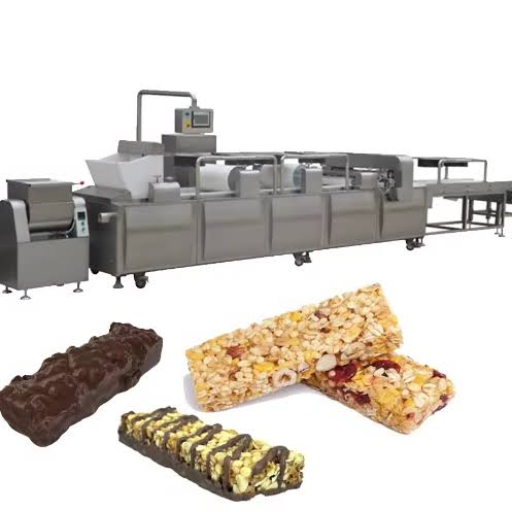
Shipping a food production line from China involves much more than booking ocean freight. Buyers must coordinate factory acceptance testing, export packing, loading, customs, delivery, installation, site acceptance testing, and commissioning as one connected project.
The safest approach is to define equipment data, responsibilities, acceptance criteria, and destination requirements before the machinery is packed. Rates, classifications, import rules, and schedules must then be confirmed for the specific line and route.
The lowest freight quotation can create the highest landed cost.
That may sound counterintuitive, but procurement and engineering teams already know that omitted work rarely disappears. It returns later as destination charges, storage, unsuitable lifting equipment, missing components, or delayed commissioning.
This guide explains how to control those risks. You will learn what information freight providers need, how to select a shipping unit, which documents require destination-specific review, and how to connect delivery with production startup. The result is a practical FAT-to-SAT framework for shipping food production lines without treating port arrival as the finish line.
Key Takeaways
- Treat shipment as a FAT-to-SAT project that ends with documented handover, not as a port-to-port freight booking.
- Obtain packed dimensions, gross weights, lifting points, load footprints, and sensitivity data before requesting a final freight quotation.
- Specify the Incoterm, exact named place, shipment scope, and exclusions in writing because an Incoterm does not replace the purchase contract.
- Calculate landed cost across freight, customs, destination handling, inland transport, rigging, site preparation, installation, and startup.
- Inspect and document cargo condition immediately on arrival so damage, shortages, and installation issues can be addressed promptly.
Planning CTA: If the line configuration is still being defined, review Loyal’s complete food production lines and prepare a module list before requesting freight options.
What Does Shipping a Food Production Line from China Involve?

Shipping a complete production line involves preparing, testing, protecting, transporting, clearing, installing, and accepting several connected equipment modules. The process starts with technical scope and Factory Acceptance Testing (FAT). It finishes after delivery, Site Acceptance Testing (SAT), commissioning, training, and documented handover.
The 10-Step FAT-to-SAT Workflow
A controlled shipment follows 10 steps. For buyers learning how to ship food processing machinery from China, the work begins with the technical scope, not a freight rate:
- Define the line and destination. Confirm every module, option, spare part, utility requirement, delivery address, and target production specification.
- Allocate responsibilities. State the Incoterm, named place, payment milestones, acceptance criteria, and responsibility for customs, unloading, installation, and training.
- Complete FAT. Test the agreed recipe, operating sequence, safety devices, controls, and measurable acceptance points.
- Close the punch list. Record corrections, owners, evidence, and buyer approval before releasing machinery for packing.
- Approve packing and loading. Review crate IDs, protection methods, packed dimensions, gross weights, lifting points, and the proposed container plan.
- Prepare export documents. Align the commercial invoice, packing list, transport documents, classifications, serial numbers, and supporting records.
- Move the shipment. Coordinate factory pickup, origin handling, export clearance, main freight, transshipment, and appropriate cargo insurance.
- Clear and deliver the cargo. Complete import procedures, terminal handling, inland transport, unloading, and positioning.
- Inspect and install the line. Record its condition, reconcile modules and loose parts, connect utilities, and verify the assembled system.
- Complete SAT and commissioning. Run dry and product trials, train personnel, close the final punch list, and document handover.
Why a Complete Line Differs From One Machine
A food production line may include mixers, conveyors, extruders, forming equipment, dryers, fryers, seasoning systems, cooling conveyors, control cabinets, and packaging equipment. These modules have different handling requirements but must work together after reassembly.
Match-marking is therefore vital. Cables, pipes, guards, frames, sensors, and loose components should carry identifiers that correspond with drawings and packing lists.
The shipment also depends on the receiving factory. A line can’t enter production if the building lacks suitable power, drainage, ventilation, compressed air, steam, water, access clearance, or lifting capacity.
Illustrative buyer scenario 1: Amina, a snack producer. This is a fictional planning example, not a customer case. Amina orders a puffed-snack line with seven main process modules. Before shipment, her team compares each packed module with the factory gate, internal aisle, and lifting plan. They identify that one dryer section cannot follow the proposed indoor route. The supplier and rigger revise the handling sequence before dispatch, avoiding a predictable access problem after delivery.
How to Plan Shipping a Food Production Line From China
Freight planning should begin while engineers can still influence module separation, lifting provisions, and packing design. Waiting until the FAT is complete may force rushed decisions or expensive changes.
Build a Machinery Data Pack
Create one controlled schedule covering every machine, crate, skid, accessory box, and spare-parts package.
| Required field | Why it matters |
|---|---|
| Module name and ID | Connects drawings, packing lists, crates, and installation sequence |
| Unpacked dimensions | Supports factory layout, access, and positioning plans |
| Packed dimensions | Determines container fit and out-of-gauge requirements |
| Net and gross weight | Supports lifting, payload, transport, and customs records |
| Center of gravity | Helps prevent unstable lifting and poor load distribution |
| Lifting and securing points | Guides riggers, packers, and transport providers |
| Load footprint | Supports floor-load and spread-load checks |
| Sensitivity notes | Identifies moisture, impact, tilt, or temperature concerns |
| Utility and electrical data | Supports site preparation and destination compliance |
| Proposed shipping unit | Links each module to a container, flat rack, or other method |
Packed data should reflect the final export configuration. Estimates can support early budgeting, but the booking and lifting plans need controlled figures.
Define FAT and Shipping-Release Criteria
FAT should test the agreed scope before access becomes restricted by packing. The protocol may include product trials, control sequences, alarms, emergency stops, guards, interlocks, operating parameters, and output assumptions.
Throughput results only have meaning when the recipe, raw-material condition, operator method, acceptable product, and test duration are defined. Record these assumptions instead of presenting one capacity figure without context.
The release package should contain:
- Signed or otherwise documented FAT results.
- A punch list with closure evidence.
- Photos or video of the tested configuration.
- Machine and component serial numbers where applicable.
- The approved scope of supply.
- Spare-parts and special-tools lists.
- Buyer or third-party inspection records, if required.
- Written authority to begin export packing.
Shandong Loyal loading three 40-foot high-cube containers for a fortified rice production line shipment to India.
A FAT or loading video can help the receiving team understand the operating sequence and compare the delivered equipment with the tested setup. It should supplement signed records, not replace them.
Confirm Destination and Site Constraints
Share the final factory address, not only the destination port. The transport provider may need information about road restrictions, bridge limits, turning space, gate dimensions, loading docks, floor capacity, and crane access.
At the same time, identify the importer of record and destination customs broker. Ask them to review likely classifications, permits, taxes, conformity obligations, and document formats before dispatch.
For EU destinations, buyers should confirm which machinery rules apply on the relevant placing-on-the-market date. The European Commission’s machinery guidance states that Regulation (EU) 2023/1230 becomes mandatory on January 20, 2027. Machinery placed on the EU market before that date remains subject to Machinery Directive 2006/42/EC.
A generic certificate is not a complete compliance review. The supplied configuration, applicable legislation, declaration, technical documentation, instructions, and importer obligations must align.
Export Packing and Container Loading for Food Machinery

Export packing must protect the equipment through factory handling, terminal operations, ocean conditions, inland transport, storage, and unpacking. It must also preserve hygienic surfaces and make installation practical.
Protect Food-Contact Surfaces and Sensitive Components
Clean and dry the line before packing. Remove product residue, processing water, and loose material that could cause contamination or corrosion during storage.
Stainless-steel finishes need protection from scratches and moisture without creating trapped condensation. The exact system may use suitable wrapping, moisture barriers, desiccants, corrosion protection, and sealed enclosures. Packaging engineers should select materials based on the route, storage exposure, equipment finish, and insurer requirements.
Control cabinets, programmable logic controllers, human-machine interfaces, sensors, scales, and calibrated instruments often need extra protection. Secure movable parts, lock doors, isolate vulnerable connectors, and identify components that require controlled handling.
Loose items should not become anonymous boxes. Label cables, hoses, fittings, tools, molds, dies, guards, manuals, and spare parts against the crate list and installation drawings.
Verify Solid-Wood Packaging Requirements
Many international destinations regulate raw solid-wood pallets, crates, skids, blocking, and dunnage under International Standards for Phytosanitary Measures No. 15, commonly called ISPM 15.
Covered wood generally requires approved treatment and the prescribed International Plant Protection Convention mark. Processed materials such as plywood are generally exempt, but destination implementation and extra conditions can vary. The IPPC’s official ISPM 15 page provides the international standard, while the importing country’s rules control the actual shipment.
Don’t assume that a fumigation statement corrects unmarked or noncompliant wood. Confirm the material, treatment, marking, and destination requirements before packing.
Choose the Physical Shipping Unit
There is no universal cubic-meter cutoff that decides between less-than-container-load and full-container-load service. Equipment geometry, weight concentration, value, handling exposure, route capability, and total landed cost also matter.
| Shipping method | Suitable use | Main benefits | Main checks |
|---|---|---|---|
| 20-foot dry container | Dense, heavy modules within door and floor limits | Enclosed transport with controlled loading | Payload, concentrated loads, door opening, weight distribution |
| 40-foot or high-cube container | Longer or taller in-gauge modules | More internal volume and loading flexibility | Door height, payload, inland height, floor limits |
| Open-top container | Over-height cargo that needs top loading | Crane access and fewer overhead restrictions | Weather protection, over-height approval, lifting plan |
| Flat rack | Over-width or over-height modules | Flexible loading for out-of-gauge cargo | Exposure, securing, route restrictions, terminal handling |
| Breakbulk or project cargo | Equipment too large for standard units | Supports large skids and exceptional geometry | More handling interfaces, lifting studies, port capability |
| Air freight | Urgent controls, components, or startup spares | Faster movement for suitable items | Cost, size, battery rules, dangerous-goods restrictions |
A dry container may reduce handling exposure, but it is only suitable if the module can pass through the door and remain within unit-specific payload and load limits. Verify the actual carrier equipment rather than relying on a generic container chart.
Approve Loading and Securing
The loading plan should identify the position, orientation, footprint, weight, and securing method for every crate or skid. It should also account for container floor limits, concentrated loads, access for blocking, and safe unloading at destination.
The IMO/ILO/UNECE CTU Code provides global guidance on packing, loading, securing, receiving, and unpacking cargo transport units. It is a non-mandatory code unless a contract or local rule makes specific practices binding.
The International Maritime Organization requires a packed container’s verified gross mass to be documented before vessel loading under the SOLAS requirements described in its verified gross mass guidance. The shipper can use one of the permitted weighing methods, subject to local implementation and approved procedures.
Before closing the container:
- Inspect the unit’s condition and confirm the interior is dry.
- Compare the container number with booking records.
- Photograph the empty unit and loading stages.
- Check blocking, bracing, lashing, and weight distribution.
- Record crate labels and visible module identifiers.
- Photograph the completed load before door closure.
- Record the seal number and closing condition.
- Retain the approved loading record with project documents.
Choose Freight, Incoterms, and Insurance Carefully
The transport plan should match the equipment, route, destination infrastructure, and commercial priorities. It should not be chosen solely from an ocean-freight rate.
Compare the Complete Transport Plan
Ask each provider to quote against the same scope and data. A useful comparison states the origin point, destination, container type, weights, Incoterm, validity period, routing, transshipment, free-time assumptions, and included services.
Clarify whether the quotation covers:
- Factory pickup.
- Export customs clearance.
- Origin terminal and documentation charges.
- Main freight and surcharges.
- Destination terminal handling.
- Import customs brokerage.
- Duty and tax payment.
- Inland delivery.
- Container return.
- Unloading, crane work, and rigging.
- Temporary storage.
- Installation-related transport.
- Cargo insurance.
Phased shipment can help when site work or production priorities require different delivery dates. However, split lots add interfaces and can separate components needed for installation. The crate list should identify dependencies before any part is dispatched.
Illustrative buyer scenario 2: Carlos, a pasta manufacturer. This fictional example compares scope, not real prices. Carlos receives two quotations. Quote A has the lower ocean-freight line but excludes destination handling, container return, and delivery to the factory. Quote B includes those services but excludes unloading. After placing both offers into the same landed-cost worksheet, his team can compare responsibility and exposure instead of choosing from the headline freight figure.
Name the Incoterm and Exact Place
The International Chamber of Commerce explains that Incoterms clarify the allocation of tasks, costs, and risks between seller and buyer. Incoterms 2020 contains 11 rules, but none replaces a complete sales contract.
Write the rule with its exact named place or port and the edition. “FOB China” is not precise enough. The contract should identify the agreed port and state “Incoterms 2020.”
At overview level:
| Rule group | Practical point for machinery buyers |
|---|---|
| EXW or FCA | Buyer controls more transport activity; FCA is often more practical where the seller handles export clearance |
| FOB | Used for sea transport, with delivery and risk tied to loading on the vessel at the named port |
| CIF or CIP | Seller arranges freight and specified insurance, but coverage still depends on the policy |
| DAP | Seller arranges transport to the named destination; import clearance and unloading need clear allocation |
| DDP | Seller accepts extensive destination obligations, which may be impractical without local customs and tax capability |
No rule is best for every food machinery shipment. The decision depends on transport mode, importer experience, tax registration, customs arrangements, insurance control, and the supplier’s ability to perform destination obligations.
Review Cargo Insurance Separately
An Incoterm may allocate an insurance obligation, but it is not an insurance policy. Review the actual wording, insured parties, valuation basis, geographic scope, exclusions, deductibles, packing conditions, and claims procedures.
Ask whether coverage addresses loading, transshipment, water exposure, impact, theft, general average, temporary storage, inland delivery, and unloading. Confirm survey requirements and notification deadlines before shipment.
Scope CTA: Send your supplier and freight provider the same module schedule, destination details, and responsibility checklist. Ask both parties to mark every included and excluded service before you approve the booking.
Shipping a Food Production Line From China: Cost and Customs
When importing food processing equipment from China, document errors can interrupt clearance even when the physical shipment is sound. Prepare the commercial, transport, technical, and acceptance records as one controlled pack.
Build a Consistent Document Set
The exact documents vary by product, route, and importing country. Common records include:
- Commercial invoice.
- Detailed packing list.
- Bill of lading.
- Certificate of origin when required.
- Insurance certificate when applicable.
- HS classification support.
- Machine and crate identification records.
- FAT and inspection reports.
- Manuals, electrical drawings, and layout drawings.
- Declarations and conformity documents.
- Wood-packaging information.
- Destination permits or inspection records.
- Spare-parts lists and serial-number schedules.
Descriptions, quantities, weights, values, marks, and consignee details should align across the invoice, packing list, shipping instructions, and customs filing.
Confirm HS Classification With Destination Expertise
The Harmonized System provides an international classification foundation, but it does not mean every country uses an identical complete tariff code.
The World Customs Organization’s HS overview explains that the system uses six-digit codes and serves as the basis for tariffs and trade statistics in more than 200 countries and economies. National tariff schedules can add further subdivisions and associated measures.
A complete food line may also contain modules with different functions. One assumed code may not describe every machine, spare part, control cabinet, or packaging unit.
Provide the broker with technical descriptions, principal functions, module relationships, photographs, catalog information, materials, and available rulings. The importer, licensed broker, or customs authority should confirm the destination classification where appropriate.
For EU-bound machinery, use Loyal’s CE-certified food machinery guide as a preparation resource, then obtain transaction-specific compliance advice for the supplied configuration.
Calculate True Landed Cost
Don’t treat the supplier’s machinery price or carrier’s ocean rate as the final project cost. A useful worksheet separates each category and names the responsible party.
- Machinery and selected options.
- Export packing, crates, and protective materials.
- Factory pickup and China origin handling.
- Export customs and documentation.
- Terminal charges and main freight.
- Cargo insurance.
- Duty, VAT, GST, and other taxes.
- Customs brokerage, inspection, and permit fees.
- Destination terminal and handling charges.
- Storage, demurrage, and detention contingencies.
- Inland heavy transport and route permits.
- Crane hire, unloading, rigging, and positioning.
- Foundations, utilities, and site modifications.
- Installation, engineer travel, accommodation, and local support.
- Commissioning materials, test ingredients, and consumables.
- Operator and maintenance training.
- Startup spares and special tools.
Freight prices and schedules change with route, season, equipment availability, fuel, congestion, carrier service, and geopolitical conditions. This article therefore does not provide a universal freight total or transit promise.
For an actionable quotation, request a dated offer with origin, destination, Incoterm, container count, equipment type, gross weight, inclusions, exclusions, currency, and validity period. Keep port-to-port transit separate from the complete FAT-to-commercial-production schedule.
Coordinate Arrival, Installation, and Commissioning

Delivery planning should work backward from site readiness. Customs clearance, lifting resources, foundations, utilities, technicians, test materials, and operator availability all affect startup.
Prepare Before the Vessel Arrives
Ask the customs broker whether pre-arrival review is possible. Resolve description, classification, permit, or document questions before the cargo reaches the destination terminal.
Confirm the delivery appointment, route, vehicle, crane, forklift, spreader bars, slings, riggers, unloading sequence, and temporary storage conditions. Match lifting equipment to actual gross weights and lifting points.
The receiving factory should complete agreed foundations and utilities before installation begins. Power characteristics, water quality, steam, compressed air, drainage, ventilation, and network connections must match the approved technical data.
Don’t book commissioning engineers against a vessel estimate alone. Align travel with realistic customs release, delivery, positioning, utility completion, and local work-permit requirements.
Inspect the Shipment Before Unpacking
Record the condition at every custody handoff. On arrival:
- Check the container and seal against transport records.
- Count crates, skids, and loose packages.
- Photograph every side before movement or unpacking.
- Note holes, deformation, water marks, broken boards, or disturbed wrapping.
- Review shock, tilt, or moisture indicators where fitted.
- Compare module and crate IDs with the packing list.
- Record visible damage and shortages immediately.
- Preserve packaging, labels, seals, and damaged components.
- Follow carrier and insurer notification requirements.
- Avoid repairs or disposal until evidence requirements are understood.
This process does not determine liability by itself. It creates a reliable condition record for technical review and any contractual or insurance escalation.
Illustrative buyer scenario 3: Priya, a nutrition-bar producer. This fictional example shows the delivery-to-installation handoff. Priya assigns one employee to control the packing list and another to photograph each crate before opening. They identify a missing accessory box while the container, seal, delivery documents, and unloading team are still available for verification. The team records the shortage and follows the agreed notification process before installation starts.
Move From Delivery to SAT
Installation normally includes positioning, leveling, mechanical assembly, piping, cable reconnection, utility connections, lubrication, and control checks. Engineers should verify guards, interlocks, emergency stops, motor direction, sensors, and operating parameters before product trials.
SAT should use written criteria. It may include dry runs, product trials, quality checks, capacity assumptions, safety verification, training, and punch-list closure. Final acceptance should not depend on an undefined statement that the line “works.”
Loyal reports that a 100 to 150 kg/h baby-snack puff line supplied to Indonesia included mixing, conveying, extrusion, drying, seasoning, cooling, and automatic packing. According to Loyal’s supplier-reported Indonesia baby-snack puff line project, the buyer observed a raw-material trial before shipment, followed by export packing, container loading, remote installation guidance, commissioning support, and operator training. These details are supplier-reported and have not been independently corroborated here.
Loyal also reports projects involving four lines in Sri Lanka and an LY-70 fortified-rice line in Tanzania. The reported work included adaptation to local conditions, protective packing, assembly, trials, parameter adjustment, and training. Buyers should request project-specific FAT records, packing evidence, installation scope, and references when evaluating any supplier.
For more detail on preparing the factory and defining startup responsibilities, review the food machinery installation and commissioning guide.
Shipping Food Production Lines: FAQs and Conclusion
How Much Does It Cost to Ship a Food Production Line From China?
There is no single food production line shipping cost that applies to every project. Cost depends on packed dimensions, gross weights, shipping units, origin, destination, route, Incoterm, handling, insurance, customs, taxes, inland delivery, unloading, and installation scope.
Request a dated, shipment-specific quotation. Compare offers through one landed-cost worksheet instead of comparing ocean rates alone.
How Long Do Shipping and Installation Take?
The complete schedule should separate production, FAT, corrective work, packing, booking, origin handling, port-to-port transit, customs, inland delivery, installation, trials, and ramp-up. Each stage depends on the equipment, route, destination, site, and project readiness.
Use milestone dates with owners and assumptions. Don’t treat a carrier’s estimated transit as a commercial-production date.
Is FCL Always Better Than LCL for Food Machinery?
No. Full-container-load shipping can reduce handling interfaces and give the shipper more control over loading. However, the correct choice also depends on equipment geometry, concentrated weight, cargo value, route options, container limits, and destination handling.
Open-top, flat-rack, breakbulk, or project-cargo services may suit modules that cannot fit safely into a standard closed container.
What Documents Are Needed for Customs Clearance?
Typical records include a commercial invoice, packing list, bill of lading, classification support, and any required origin, insurance, conformity, inspection, or permit documents. The exact list varies by destination and equipment.
Ask the destination broker and importer to review drafts before departure. Consistent descriptions, quantities, values, weights, and identification marks reduce avoidable questions.
Who Installs and Commissions an Imported Production Line?
The contract should state whether installation is performed by supplier engineers, local contractors, the buyer’s team, or a combination. It should also allocate lifting, labor, tools, travel, utilities, test materials, translation, permits, accommodation, and safety supervision.
Define SAT, training, punch-list closure, remote support, warranty activation, and final acceptance before shipment.
Conclusion: Control the Handoffs Before the Cargo Moves
Successful food machinery shipping depends on five controls: accurate equipment data, written FAT and SAT criteria, approved packing and loading, clear contractual responsibility, and coordinated site startup.
Begin with a complete module schedule. Verify packed dimensions, gross weights, lifting points, destination requirements, and access constraints. Then compare freight proposals on equal terms, confirm customs and compliance with qualified destination specialists, and document the cargo before and after every major handoff.
Shipping a food production line from China is not complete when a vessel arrives or a container reaches the factory. It is complete when the equipment is accounted for, safely installed, tested against agreed criteria, and handed over with trained personnel and usable records.