A pet food production line is the connected system of machines that turns raw ingredients into finished dog and cat food. The main types are dry extruded kibble, wet and canned food, semi-moist, freeze-dried and air-dried, baked, and treats. Choosing which type to build is the single most important decision you will make, because it locks in your recipes, your capacity, and your compliance path for years.
Here is why that decision trips up so many buyers. In 2024, Priya, the founder of a boutique cat food brand, spent $180,000 on a dry-kibble extrusion line. Her customers kept asking for fresh, gently cooked food instead. The equipment could not pivot, and she lost nearly a year rebuilding her plan.
Most buyers make the same mistake Priya did. They focus on extruder horsepower and output per hour, then treat the format as an afterthought. You already know the machinery matters. What you need is a clear map of every line type, what each one costs, and which one fits your product.
This guide walks you through all of it. You’ll learn how a pet food production line works end to end, what equipment each format requires, what a realistic budget looks like, and how to satisfy the compliance rules for your target market. By the end, you will know exactly which line to invest in, and how to avoid the costly pivots that sink startups.
Key Takeaways
- Dry extruded kibble is still the largest segment, holding roughly 41% of pet food machinery demand, but wet food equipment is growing faster at a 6.2% CAGR.
- A pet food production line typically has eight stages, from grinding and mixing through extrusion, drying, coating, and packaging.
- Twin-screw extruders handle high-meat recipes better than single-screw machines, making them the safer choice for premium and cat food.
- Chinese-manufactured lines often cost 50 to 67% less than equivalent European equipment, but CE certification and supplier track record must be verified.
- Matching the line to your format first, not your capacity first, is what prevents expensive equipment pivots.
What Is a Pet Food Production Line?

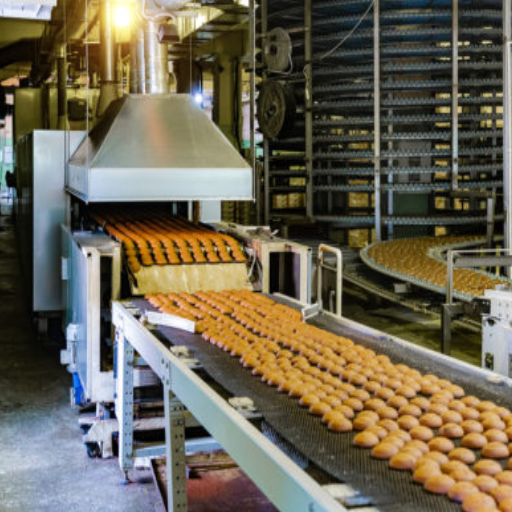
A pet food production line is a series of connected machines that process raw ingredients into packaged pet food. The line typically includes grinding, mixing, pre-conditioning, extrusion or forming, drying, coating, cooling, and packaging equipment, all controlled by a central automation layer.
The exact equipment depends on the format. A dry kibble line is built around an extruder and a multi-stage dryer. A wet food line is built around fillers, seamers, and retort sterilizers. A freeze-dried line centers on vacuum freeze dryers. Most new buyers picture the dry-kibble flow because it’s the most common, but a complete line strategy should consider every format before committing.
Why does this matter for your budget? The line type determines your energy profile, your floor space, and your labor needs. A wet food line needs more utilities for sterilization. A freeze-dried line has very high energy and cycle-time costs. Understanding these differences up front is what separates a smooth launch from a redesign.
Types of Pet Food Production Lines
There are six main types of pet food production line. Each suits a different product, price point, and customer expectation.
- Dry extruded kibble is the most common and the cheapest to run at scale. It uses high-temperature, high-pressure extrusion followed by drying, and it dominates the mass market.
- Wet and canned food has higher moisture and meat content. It requires filling, sealing, and retort sterilization, and it is the fastest-growing equipment segment.
- Semi-moist food uses humectants and mild processing to keep softness without full canning. It targets the middle shelf between kibble and wet.
- Freeze-dried and air-dried food preserves raw or gently cooked ingredients. It commands premium prices but costs far more to produce.
- Baked and cold-pressed food uses lower temperatures than extrusion. It appeals to owners who want less harsh processing.
- Treats, dental chews, and jerky are usually smaller, simpler lines that many brands use as a lower-risk entry point.
Each of these is a distinct investment with its own equipment, energy, and compliance profile. We cover each format in more detail below so you can compare them side by side.
How a Pet Food Production Line Works
Most dry pet food follows an eight-step process. Wet, semi-moist, and freeze-dried formats diverge from this flow after the mixing stage.
- Receiving and storage. Raw grains, meat meals, fats, and supplements arrive and are held in temperature-controlled silos and bins.
- Grinding. Ingredients are milled to a uniform particle size, typically 60 to 100 mesh, so they hydrate and cook evenly.
- Mixing. Dry and liquid ingredients are blended to a coefficient of variation below 5%, ensuring every kibble has the same nutrition.
- Pre-conditioning. Steam and water are added to raise the mash to 60 to 80°C and 15 to 30% moisture. This step alone can lift extruder throughput by 10 to 15%.
- Extrusion. The conditioned mash is forced through a die at 110 to 180°C and 3 to 15 MPa, cooking and shaping it in seconds.
- Drying. Belt dryers reduce moisture from roughly 25% down to 8 to 12%, using three or more independently controlled zones.
- Coating. Fats, palatants, and flavors are sprayed on. Vacuum coaters pull them deeper into the kibble for premium products.
- Cooling, sieving, and packaging. The product is cooled, screened for fines, and sealed into bags with modified atmosphere where needed.
For a deeper, stage-by-stage breakdown of operating parameters and troubleshooting, see our guide to the pet food manufacturing process.
Core Equipment in a Pet Food Production Line

The equipment in a pet food production line falls into five functional groups. Understanding them helps you evaluate quotes from different suppliers.
Pre-processing equipment includes hammer mills, pulverizers, ribbon blenders, and paddle mixers. These turn whole ingredients into a consistent, homogeneous mash. Grind size and mix uniformity directly control cooking quality and nutritional consistency.
Forming equipment is the heart of the line. For kibble and treats, this means single-screw or twin-screw extruders. For wet food, it means fillers and seamers. For freeze-dried products, it means freeze dryers.
Drying and cooling equipment removes moisture after forming. Belt dryers dominate for kibble because they handle high throughput without crushing product. Counter-flow coolers bring the product to room temperature before coating and packaging.
Coating and flavoring equipment applies fat and palatants. Atmospheric sprayers work for budget kibble, while vacuum coaters are preferred for premium and functional recipes because they infuse ingredients deep into the kibble.
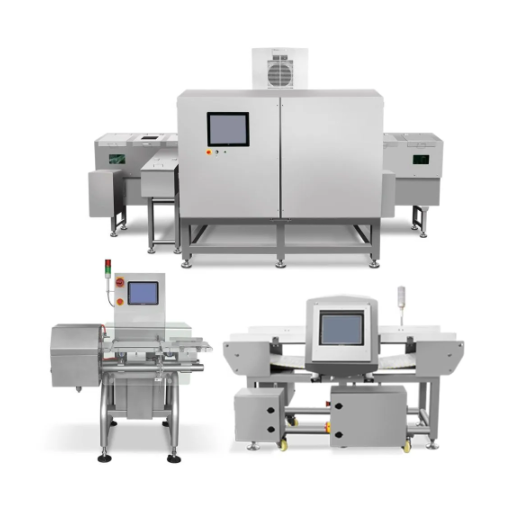
Packaging and automation equipment includes multi-head weighers, vertical form-fill-seal baggers, metal detectors, X-ray inspection, and the PLC and HMI control layer that ties the whole line together.
If you are comparing machines across suppliers, our pet food manufacturing equipment buyer’s guide walks through each category, the specs that matter, and the red flags to watch for.
Choosing the Right Extruder for Pet Food
The extruder is the most expensive single machine in a dry or treat line, so the choice deserves careful thought.
Single-screw extruders are simpler, cheaper, and easier to maintain. They work well for stable, lower-meat, grain-heavy recipes. If you are making a standard kibble with moderate protein and you want to minimize capital and maintenance, a single-screw machine can be a good fit.
Twin-screw extruders handle tougher jobs. They mix more thoroughly, tolerate higher fresh-meat and fat inclusion, and change dies more flexibly. For premium, high-meat, or cat food recipes, twin-screw is usually the right call. The extra cost is repaid in recipe flexibility and product quality.
Marcus runs a contract manufacturing plant that produces kibble for six different brands in a single month. His team switches recipes weekly, sometimes daily. A single-screw line would force him to run only forgiving, similar formulas. His twin-screw line lets him accept high-meat, grain-free, and premium jobs that command better margins. For a co-man, recipe flexibility is worth more than the lower sticker price of a single-screw machine.
A practical rule of thumb: if your recipe is simple and stable, single-screw may be enough. If you plan to innovate, add meat, or serve cat food, budget for twin-screw. For high-protein and fresh-meat formulations, see our guide to high-protein pet food manufacturing.
Dog vs Cat Food: Production by Species
Dog and cat food lines share the same underlying machinery, but the formulations pull them in different directions.
Dog food tolerates a wider range of recipes. Kibble is the dominant format, and dogs accept grain-inclusive formulas with moderate protein. Larger kibble sizes and tougher textures are common, especially for dental-focused products. Dog treats and chews are a large, forgiving category for new manufacturers.
Cat food leans heavily toward wet and high-meat products. Cats are obligate carnivores, so formulas need more protein, more taurine, and often higher moisture. This pushes many cat food producers toward wet, pouch, and fresh formats rather than dry kibble. Cat kibble is also smaller and denser than dog kibble.
The practical consequence is that a cat food brand is more likely to need a wet or high-meat extrusion line, while a dog food brand can often start with a simpler kibble line. If you are building a dog-specific operation, our dog food manufacturing equipment guide details the specs and layout for that product.
Pet Food Production by Format
Here is where the six line types separate in cost, complexity, and product profile.
Dry Kibble Production Line
Dry kibble is the workhorse. It accounts for roughly 41% of pet food machinery demand, according to Research and Markets. It is the lowest cost per unit, the easiest to store and ship, and the most familiar to consumers. A kibble line is built around a twin-screw extruder and a multi-zone belt dryer, with coating and packaging downstream. It is the right starting point for most mass-market and private-label brands.
Wet and Canned Pet Food Production Line
Wet food is the fastest-growing equipment segment, projected by FactMR to grow from 1.8billionto1.8billionto3.3 billion at a 6.2% CAGR through 2036. A wet line replaces the extruder and dryer with fillers, seamers, and retort sterilizers. It needs more utilities and stricter hygiene, but it commands higher retail prices and wins in the premium and cat categories.
Semi-Moist and Fresh Formats
Semi-moist food keeps softness without full sterilization by using humectants and controlled water activity. Fresh and gently cooked formats are growing but have shorter shelf life and more demanding cold-chain logistics. These lines are smaller and often more specialized.
Freeze-Dried and Air-Dried Lines
Freeze-drying preserves raw or gently cooked ingredients with minimal heat damage, which is why it dominates the premium raw-adjacent market. The catch is cost: freeze dryers are expensive and energy-hungry, and cycle times are long. Air-drying is a lower-cost alternative that still avoids extrusion temperatures.
Treats, Dental Chews, and Jerky
Treat lines are often the cheapest and lowest-risk way to enter the market. Extruded treats, jerky, dental chews, and semi-moist snacks use simpler, smaller lines. Many founders start here, prove demand, and then scale into kibble or wet food.
Factory Layout and Hygienic Design

A well-designed pet food production line follows a one-way flow so raw ingredients never cross paths with finished product. This prevents cross-contamination and simplifies compliance.
A typical 1,000 m² facility for a 500 to 800 kg/h line allocates roughly 200 m² to raw receiving, 150 m² to grinding and mixing, 200 m² to extrusion and drying, 100 m² to coating, 150 m² to packaging and finished goods, and 200 m² to offices, labs, and utilities.
Utility planning is easy to underestimate. Expect 150 to 600 kW of electrical demand, 200 to 800 kg/h of steam at 0.6 to 0.8 MPa, compressed air, water, and dust collection. Best practice is to design utilities with a 20 to 30% buffer so you’re not forced into mid-project upgrades.
Hygienic design means smooth welds, sloped surfaces, CIP-compatible equipment, and food-contact parts in 304 or 316L stainless steel. Extrusion is a critical control point for pathogen reduction, so the machine design itself supports your HACCP plan.
Cost, ROI, and Scaling Decisions
The cost of a pet food production line scales with capacity. Here are typical equipment-only ranges.
| Tier | Capacity (kg/h) | Typical Buyer | Equipment Cost (USD) |
|---|---|---|---|
| Pilot / Lab | 100–200 | R&D, startup | 22,000–22,000–50,000 |
| Small Commercial | 300–500 | Boutique brand | 60,000–60,000–120,000 |
| Medium | 500–1,200 | Regional brand | 120,000–120,000–300,000 |
| Large Industrial | 1,500–3,500 | National brand | 300,000–300,000–800,000+ |
| Industrial | 4,000+ | Multinational | 1M–1M–3M+ (multi-line) |
One of the biggest levers is where you buy. Chinese-manufactured lines often cost 50 to 67% less than equivalent European equipment. A 5,000 kg/h twin-screw line with dryer and coater can run around 129,000fromaChinesesupplierversusroughly129,000fromaChinesesupplierversusroughly400,000 from a top-tier European brand. The savings are real, but you must verify CE certification and the supplier’s pet food track record before committing.
Operating costs break down roughly as raw materials 50 to 65%, energy 15 to 25%, labor 10 to 20%, and maintenance 3 to 5% of capital per year. The extruder motor and the dryer are your biggest energy draws, so drying efficiency deserves as much scrutiny as extruder price.
When you’re ready to move from planning to a single-contract build, our turnkey pet food manufacturing guide explains what a full turnkey line includes and how to structure the project.
Quality Control, Safety, and Compliance
Compliance isn’t a single certificate. It’s a stack of standards that depends on your product and your market.
HACCP is the foundation. Extrusion, retort sterilization, and drying are your critical control points, and the equipment must be designed to hold them within limits. ISO 22000 is the broader food safety management system many export buyers expect.
For the US, AAFCO governs nutritional adequacy and FSMA covers preventive controls. For the EU, FEDIAF sets nutritional guidelines and Regulation (EC) 767/2009 covers feed hygiene and labeling. China applies GB/T 13078 limits, and many Middle Eastern markets require Halal certification.
On the equipment side, CE marking under the Machinery Directive 2006/42/EC is mandatory for EU sales. Verify that the certificate matches the specific extruder model, voltage, and safety components, not just a general factory certificate. Metal detection and X-ray inspection are expected on any modern line.
Why Choose Shandong Loyal’s Pet Food Production Line
With over a decade of experience and clients in more than 50 countries, Shandong Loyal Industrial builds complete, turnkey pet food production lines to order. We engineer each line around your recipe, capacity, and target market rather than selling a fixed configuration.
Our lines cover dry kibble, wet and canned food, treats, and specialty formats. We supply twin-screw extrusion systems for high-meat and premium recipes, multi-zone dryers for precise moisture control, and vacuum coaters for functional and palatant-heavy products. Every system can be configured for CE certification and the food safety standards your market requires.
From consultation to delivery, we keep you informed at every step. Tell us your production goals, and we will design a line tailored to your needs, with installation, training, and after-sales support included.
Frequently Asked Questions
How much does a pet food production line cost?
Equipment ranges from about 22,000forapilotlineupto22,000forapilotlineupto3 million or more for a large multi-line industrial setup. A small commercial kibble line typically runs 60,000to60,000to120,000, while a wet food line costs more because of retort and sterilization equipment.
What is the difference between single-screw and twin-screw extruders?
Single-screw extruders are simpler and cheaper and suit stable, grain-heavy recipes. Twin-screw extruders mix better and handle high-meat, high-fat, and premium formulas, so they are preferred for cat food and premium kibble.
Which pet food format should I produce?
Start with your target customer and price point. Dry kibble is cheapest at scale. Wet food is fastest-growing and wins premium and cat markets. Freeze-dried and fresh formats command high prices but cost far more to produce. Treats are the lowest-risk entry point.
How long does it take to install a pet food production line?
A small to medium line can often be installed and commissioned in four to eight weeks after delivery, provided utilities and site prep are ready in advance. Turnkey projects for large lines take longer and include factory acceptance testing.
What certifications does a pet food production line need?
It depends on the market. CE marking is required for the EU, HACCP and ISO 22000 are expected broadly, and AAFCO or FEDIAF govern nutritional adequacy in the US and EU respectively.
Conclusion
A pet food production line is more than a collection of machines. It’s the decision that shapes your product, your capacity, and your compliance for years.
The path forward is straightforward. Match your format to your customer first, then choose the equipment to deliver it. Build the line around a twin-screw extruder if you plan to make premium or high-meat food. Plan your utilities with a buffer, and verify CE certification and supplier track record before you pay.
Whether you are launching a boutique treat brand or scaling a national kibble operation, the right partner shortens the distance from idea to first production run. Shandong Loyal Industrial builds complete, customizable pet food production lines for dry, wet, and specialty formats, backed by CE-certified engineering and global support.
Ready to spec your pet food production line? Contact us for a custom quote and we will help you match the right equipment to your product goals.